
Papua New Guinea
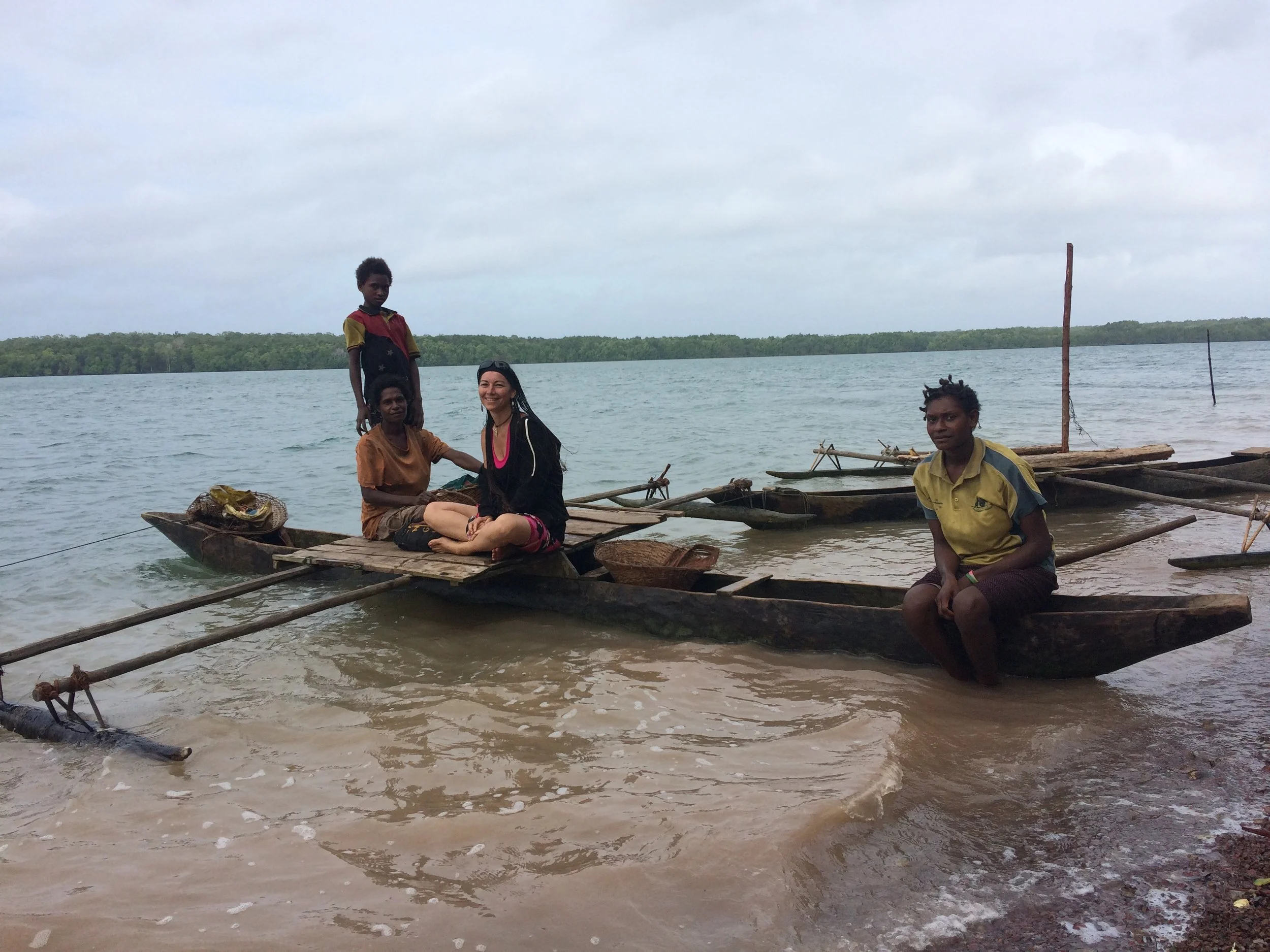
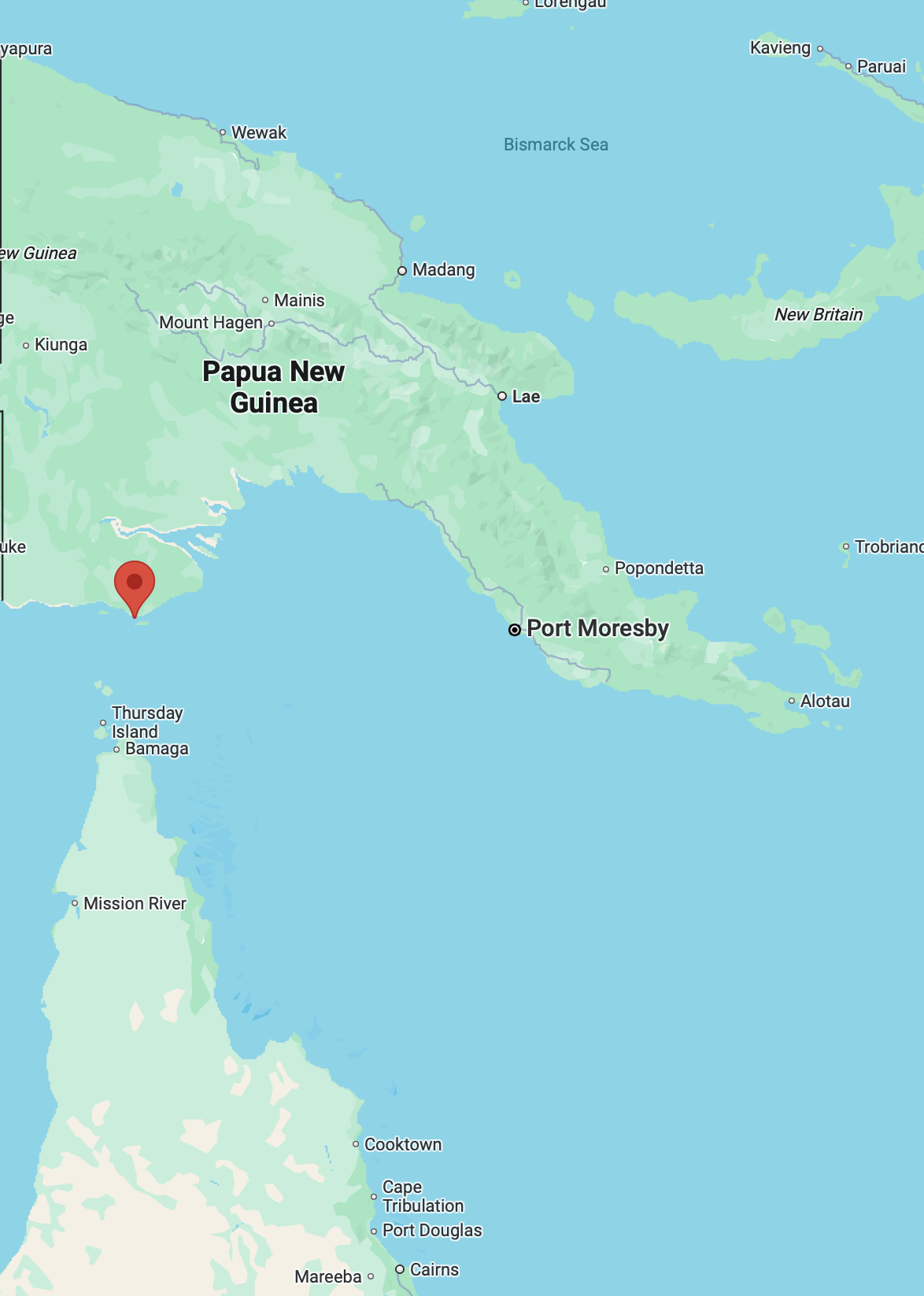
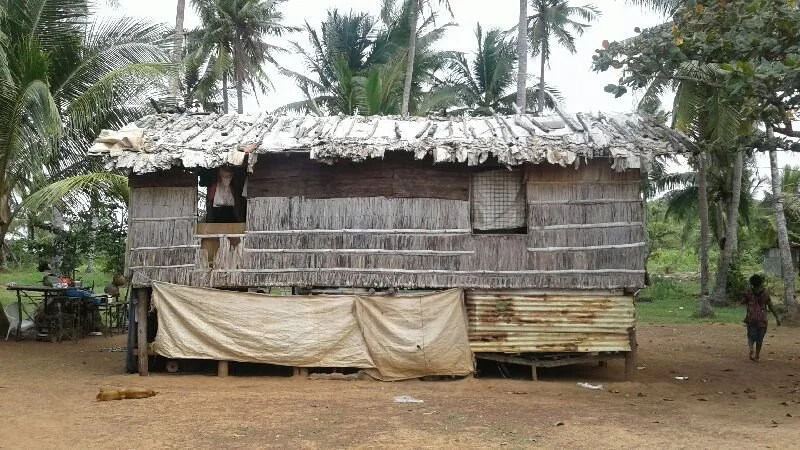
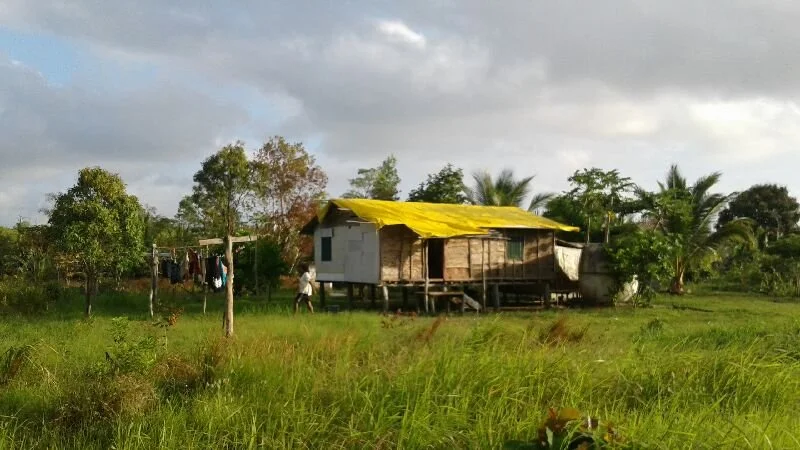
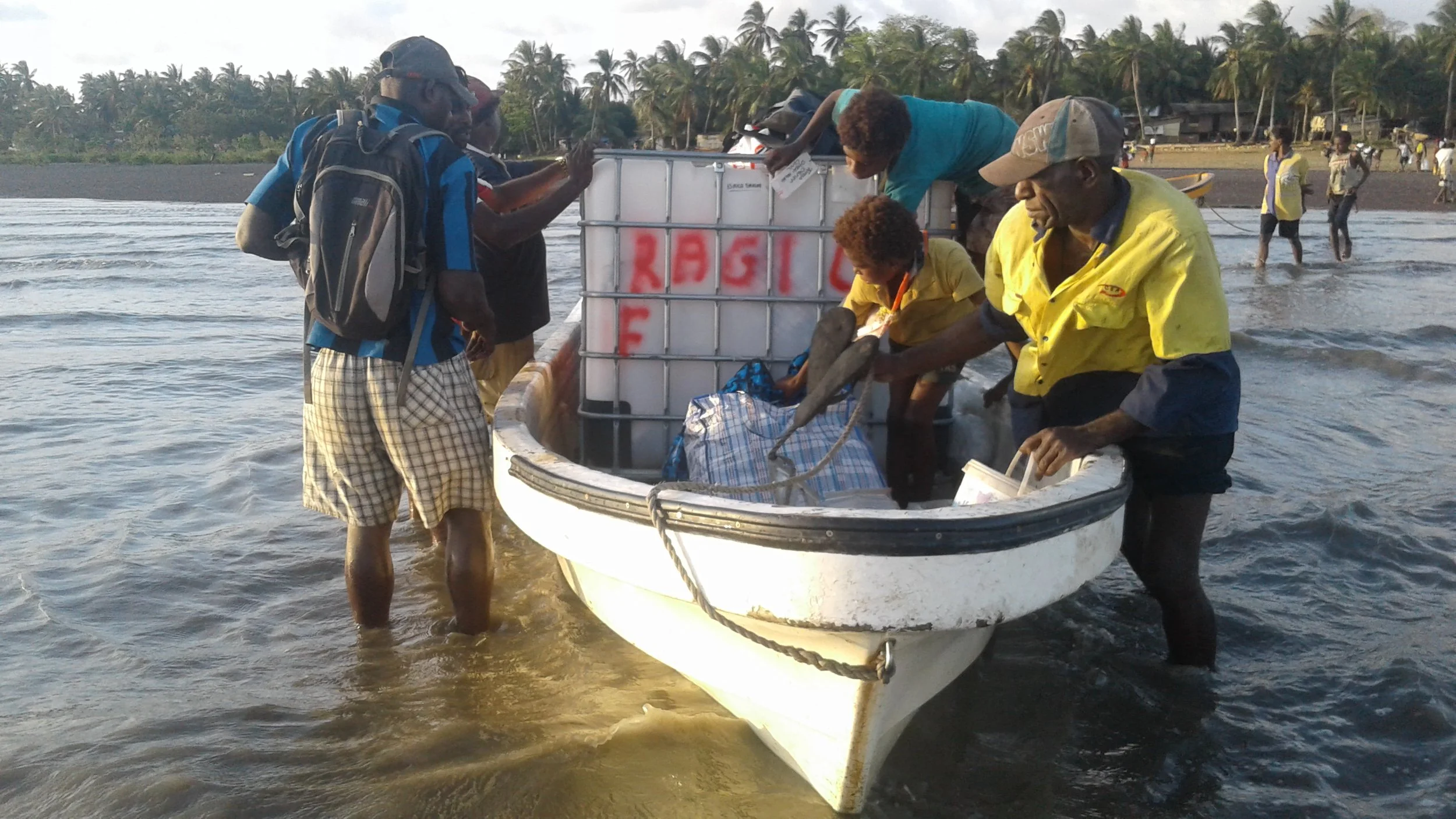
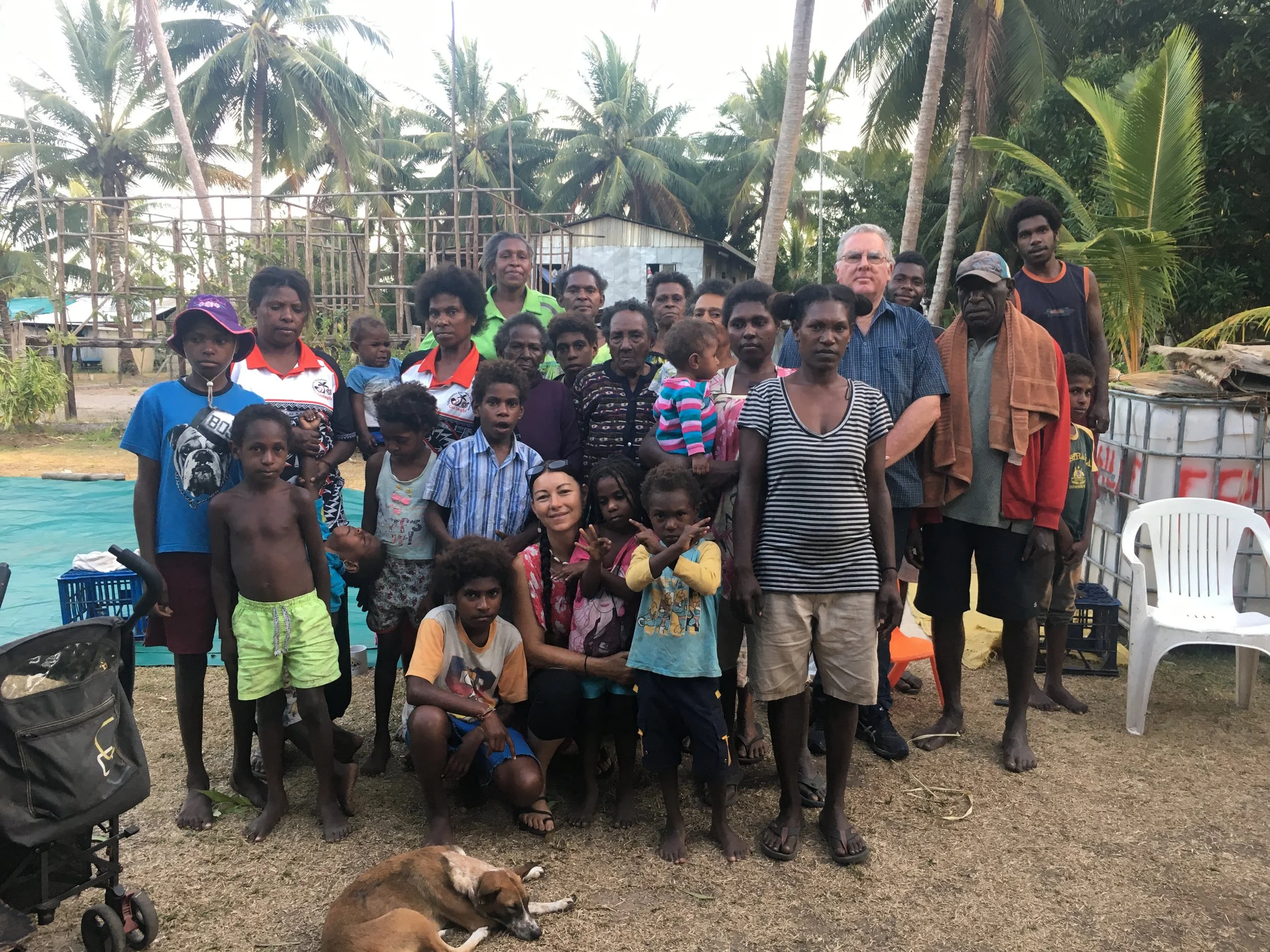
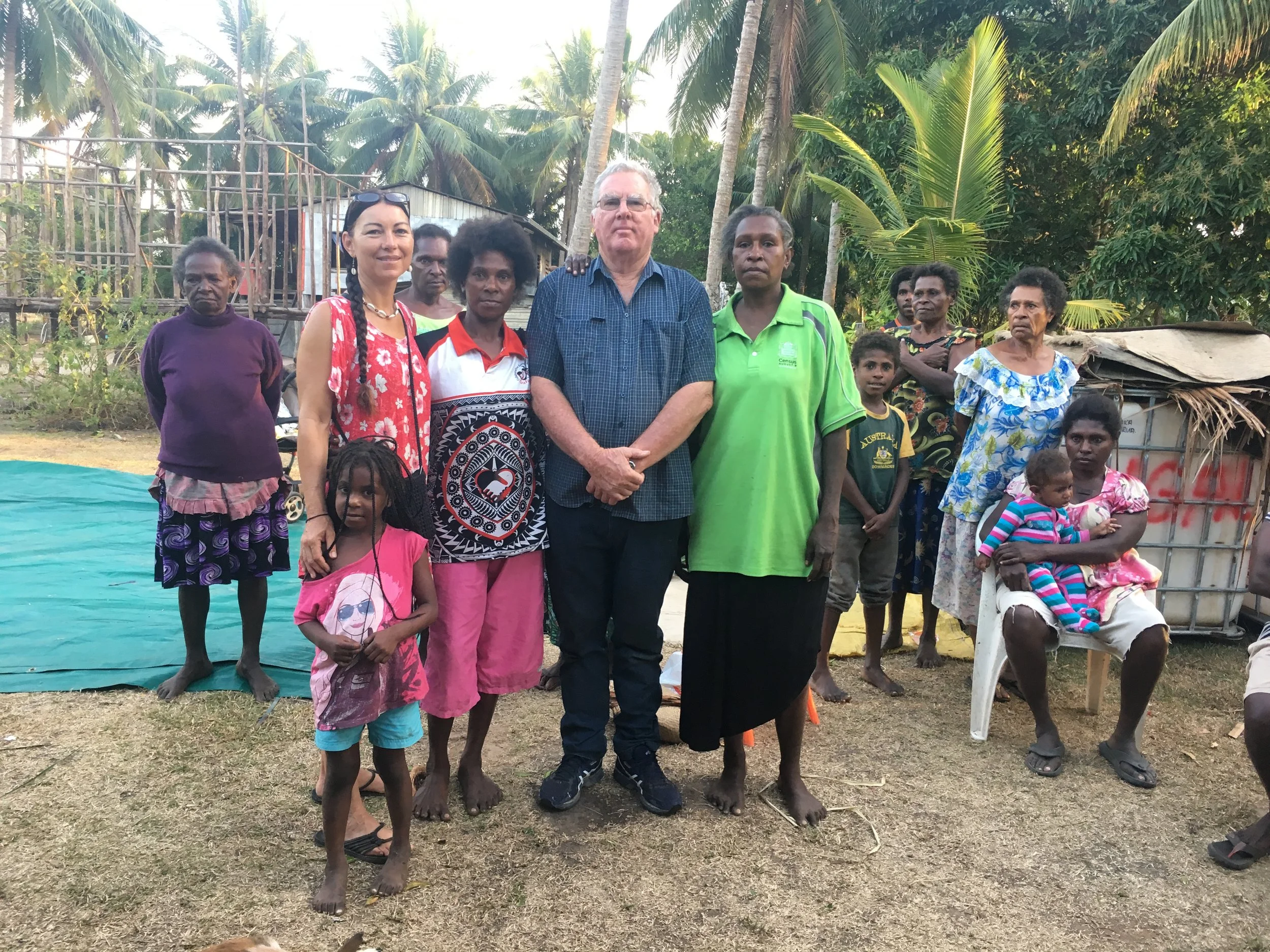
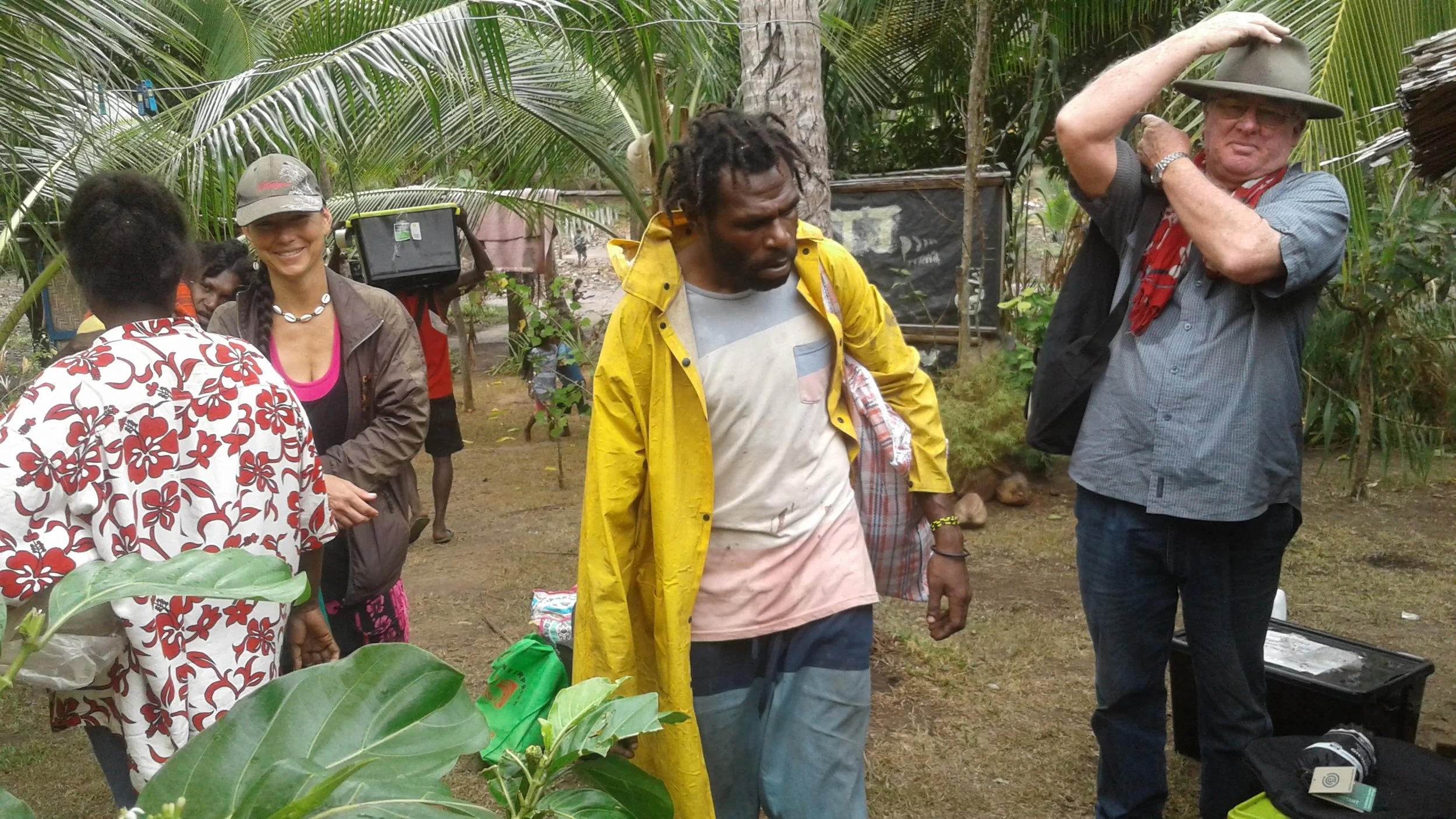
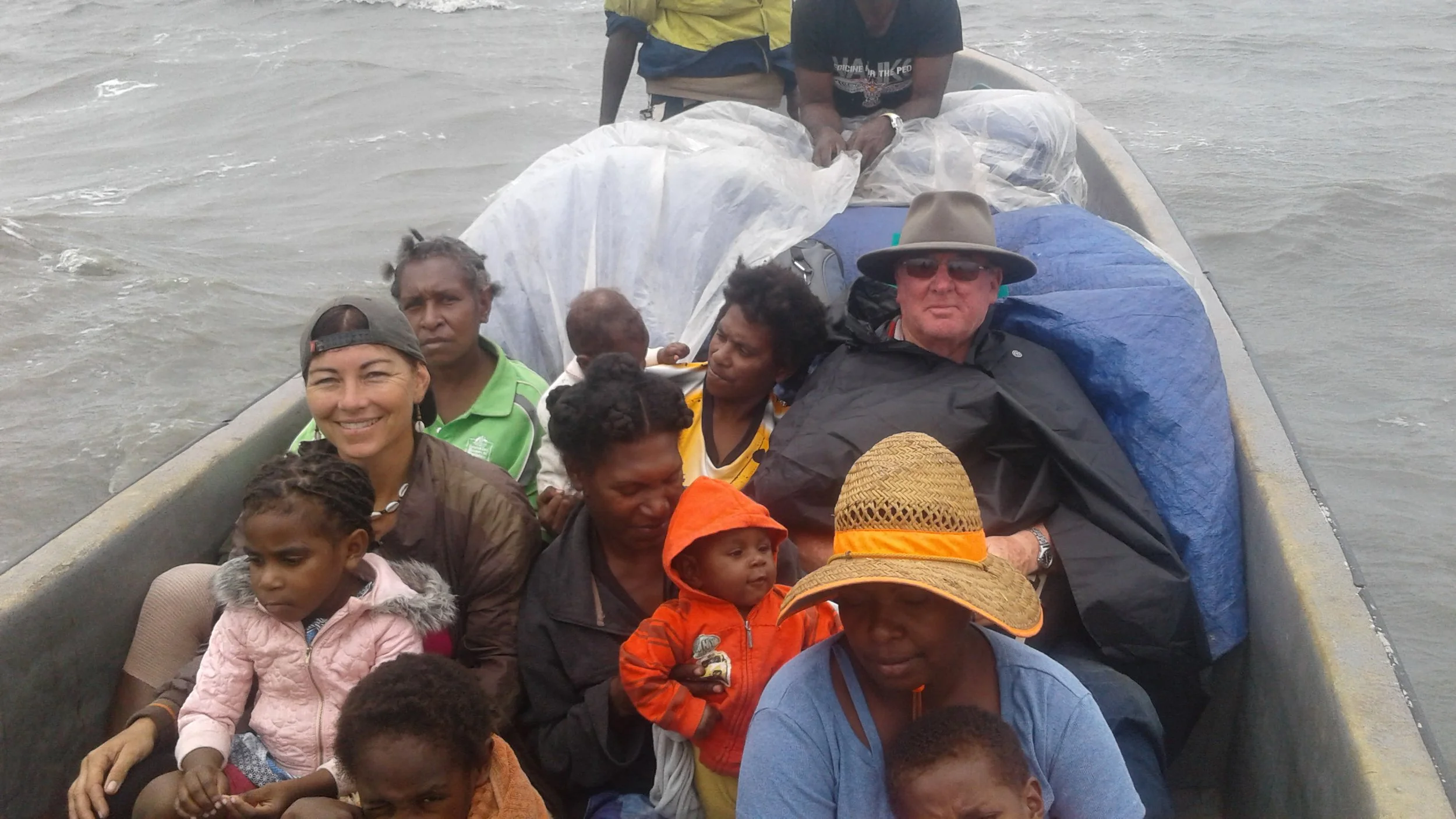
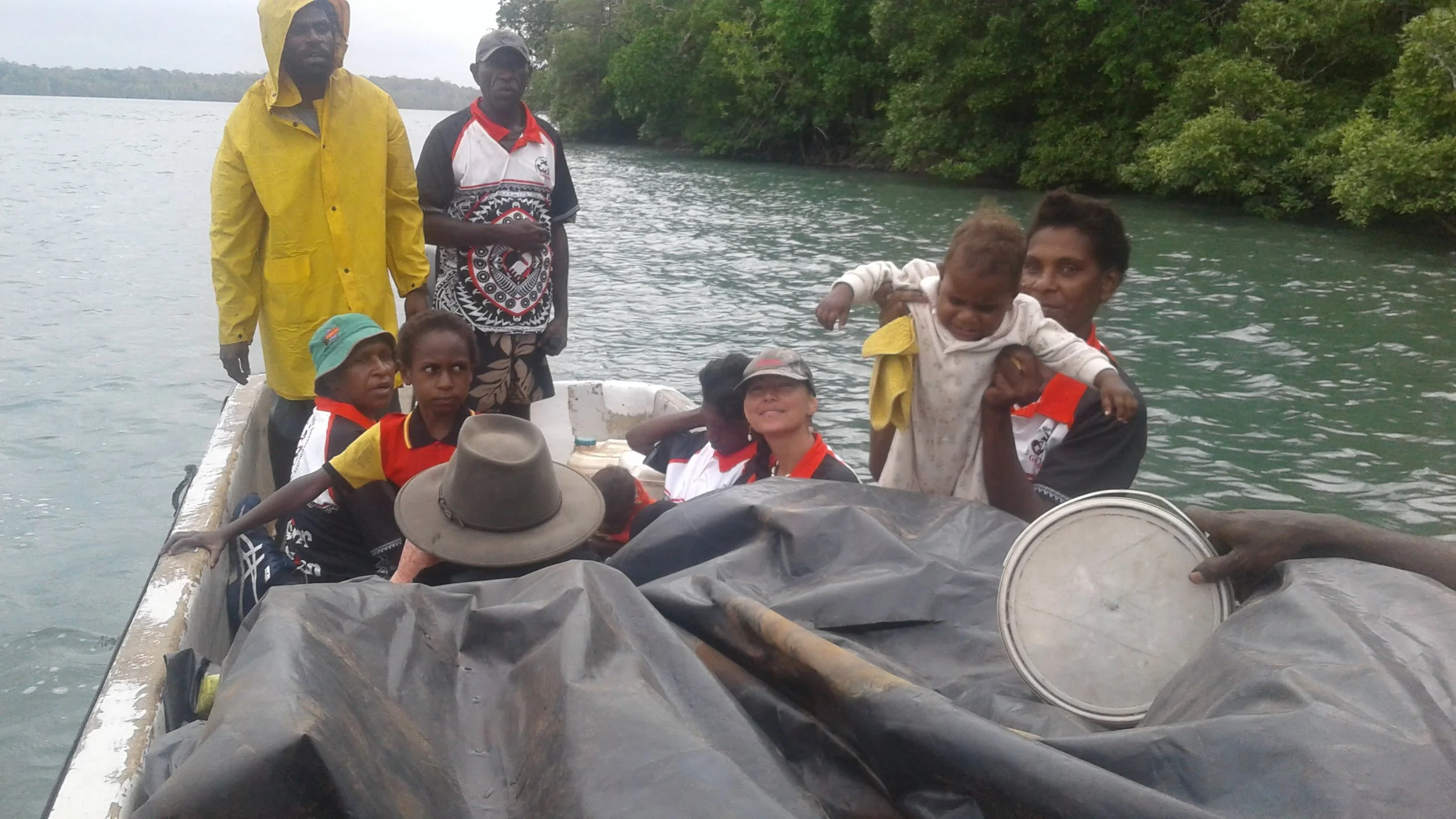
At Gulagbi Collaborative Sustainable Developments, we work to raise awareness of the incredibly difficult living conditions faced by people in the Western Province of Papua New Guinea (PNG). Despite being only a few kilometres from Australia’s shores, accessing this remote region is a challenge in itself. The Western Province is extremely difficult to reach, with limited infrastructure and no direct road access. The only means of transportation between villages are by foot or boat, with push bikes being used only within the villages. While we enjoy modern conveniences, the villagers in this area face daily challenges that are hard to comprehend for many of us.
Some of the challenges the PNG communities face include:
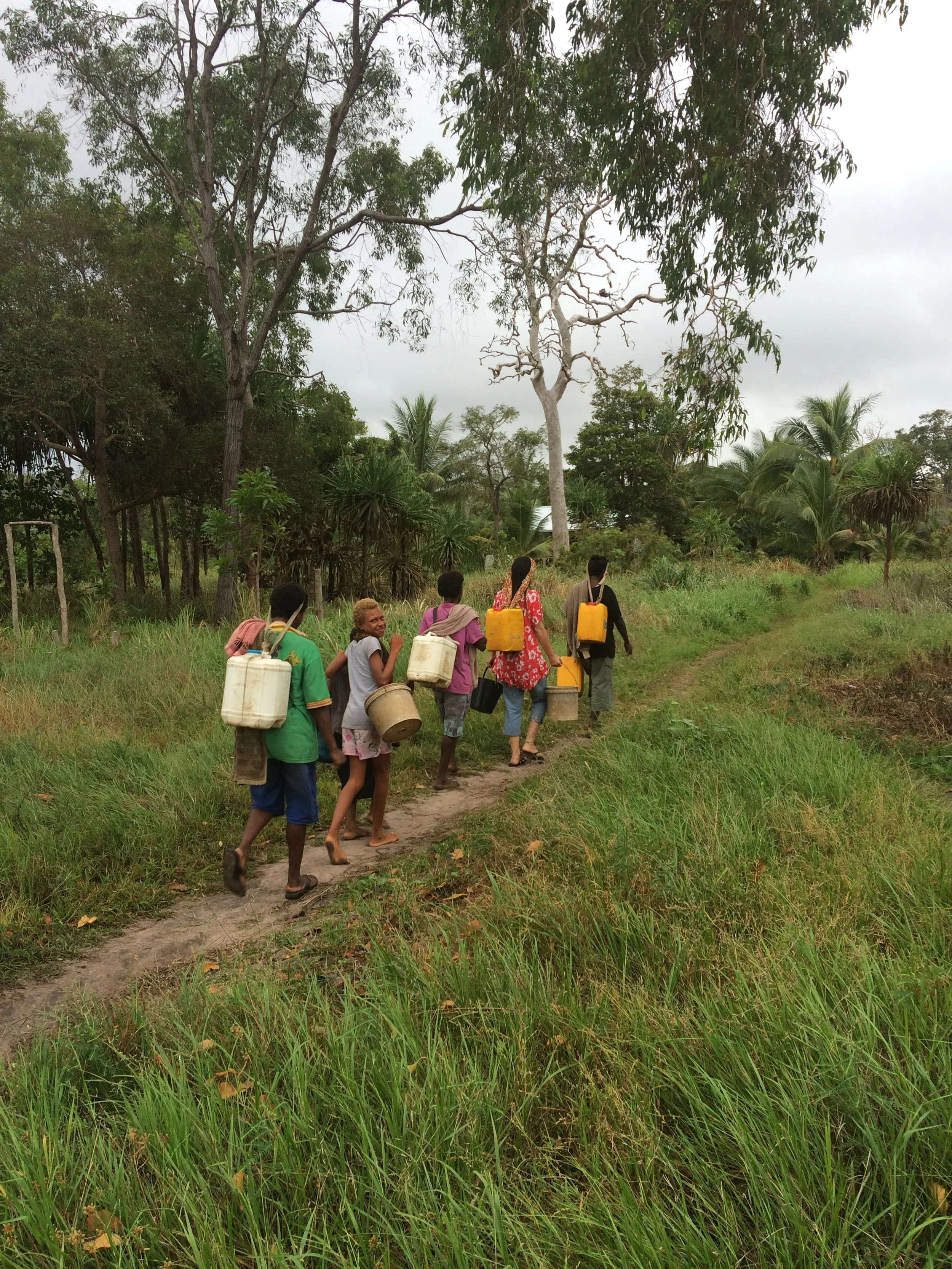
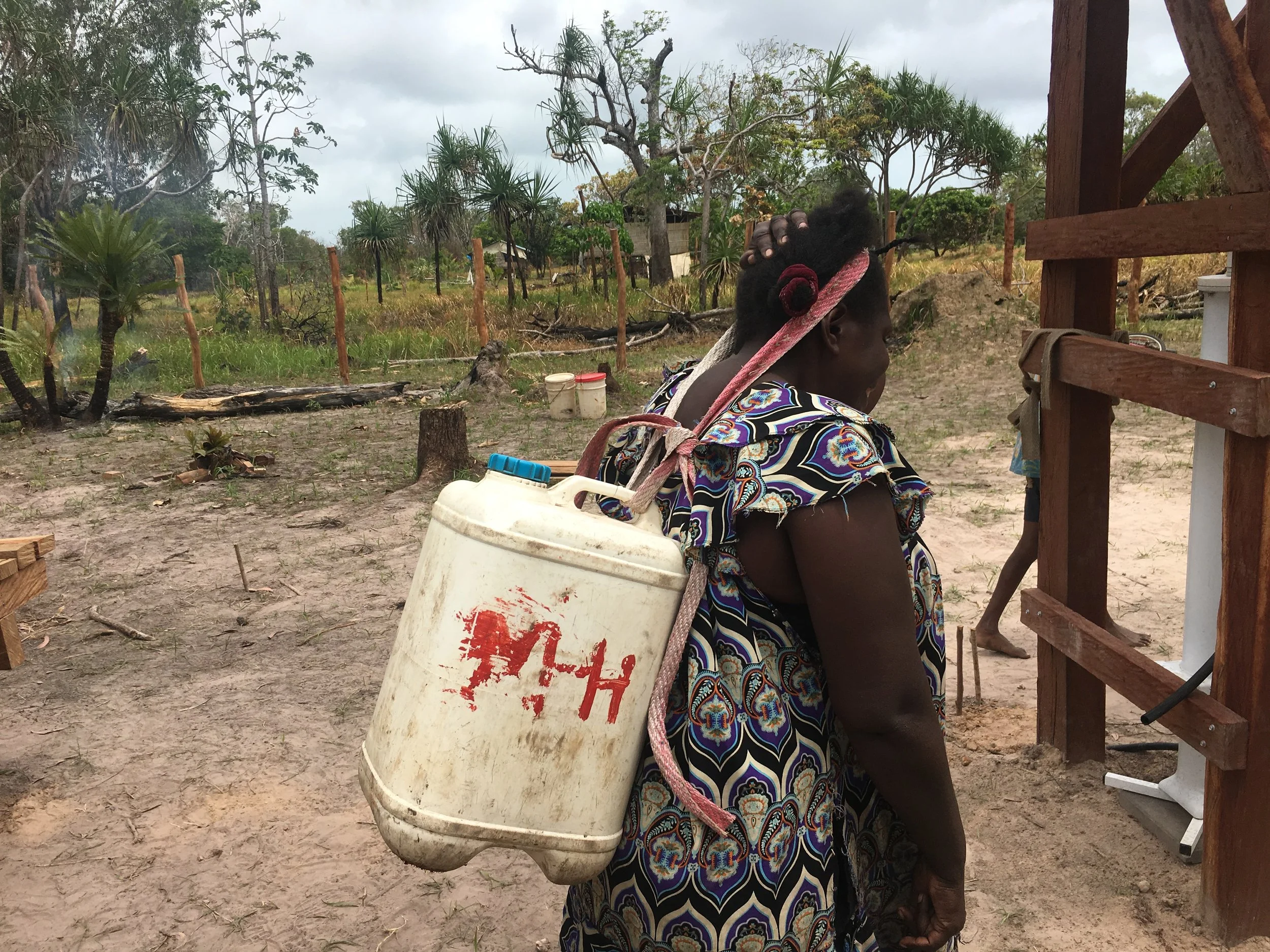
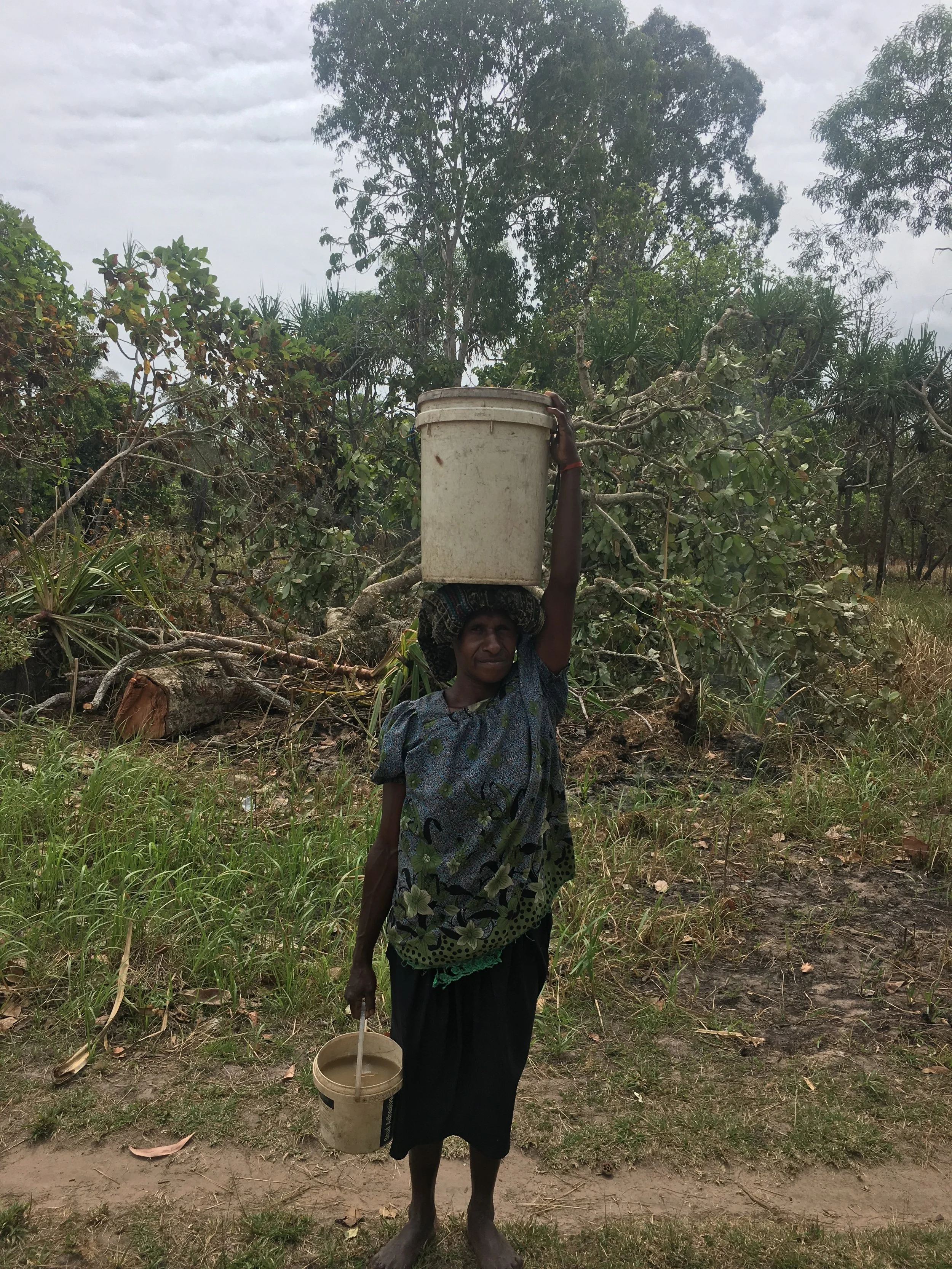
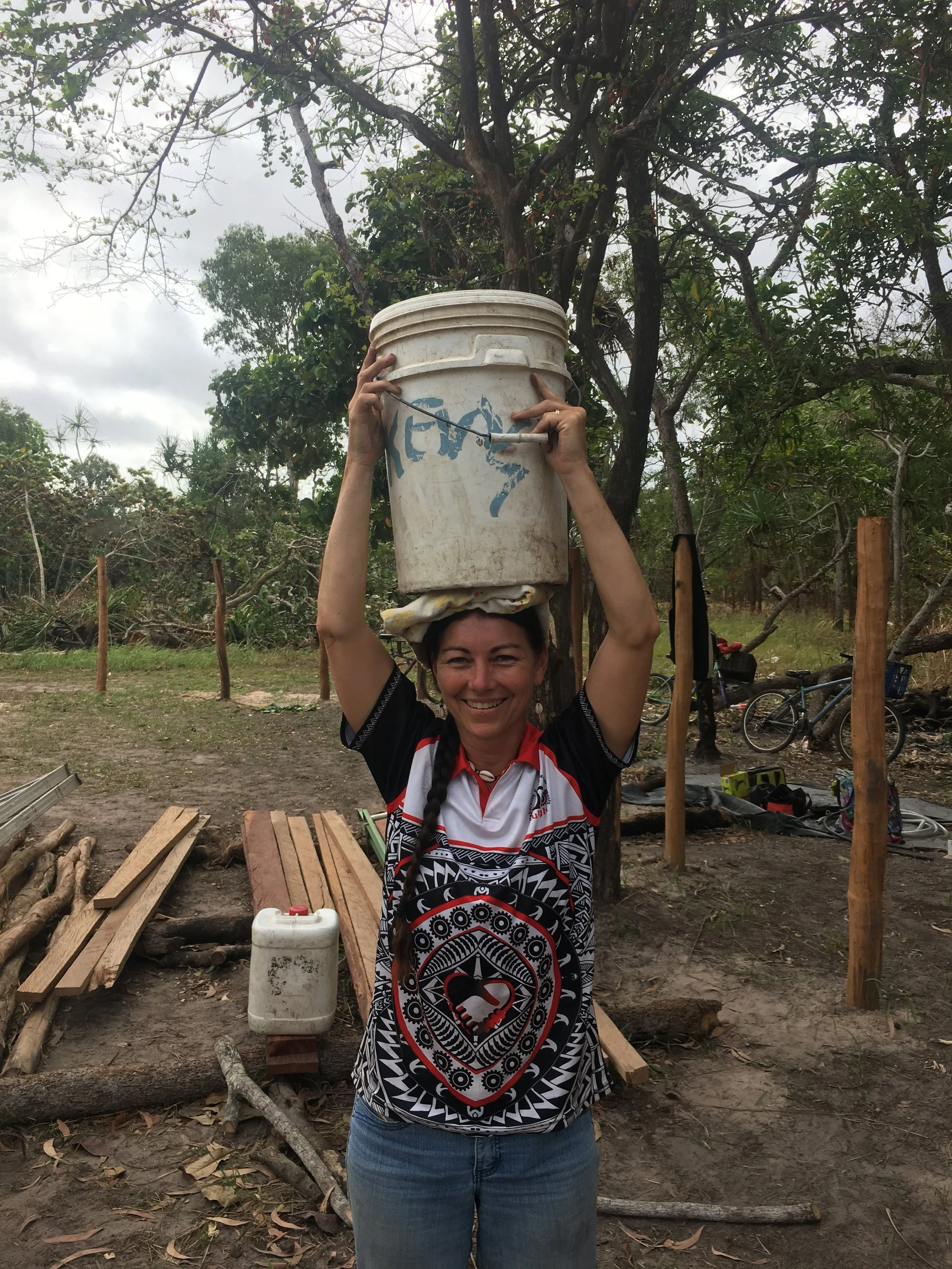
No running water: Villagers must travel several kilometers to collect water from wells, often facing long and arduous journeys to ensure their families have enough to drink.
No clean drinking water: Water is sifted through fabric and left to settle for a day before it can be boiled, making it a time-consuming and unreliable process to access safe drinking water.
No power: Very few homes have electricity, with only a small number relying on petrol generators to meet basic needs.
No sewage systems: Without proper sanitation infrastructure, health and hygiene are significant challenges, exposing the community to preventable diseases.
No health care: Medical services are either non-existent or extremely limited, leaving many without access to essential health care.
Very limited employment opportunities: The lack of formal employment or industry means that most people rely on subsistence farming and fishing to survive.
No shops: Villagers must grow, catch, or trade for everything they need. A few small canteens may sell basic goods like flour, sugar, or rice, often in exchange for food or clothing through trade with nearby Torres Strait Islands under the Torres Strait Treaty.
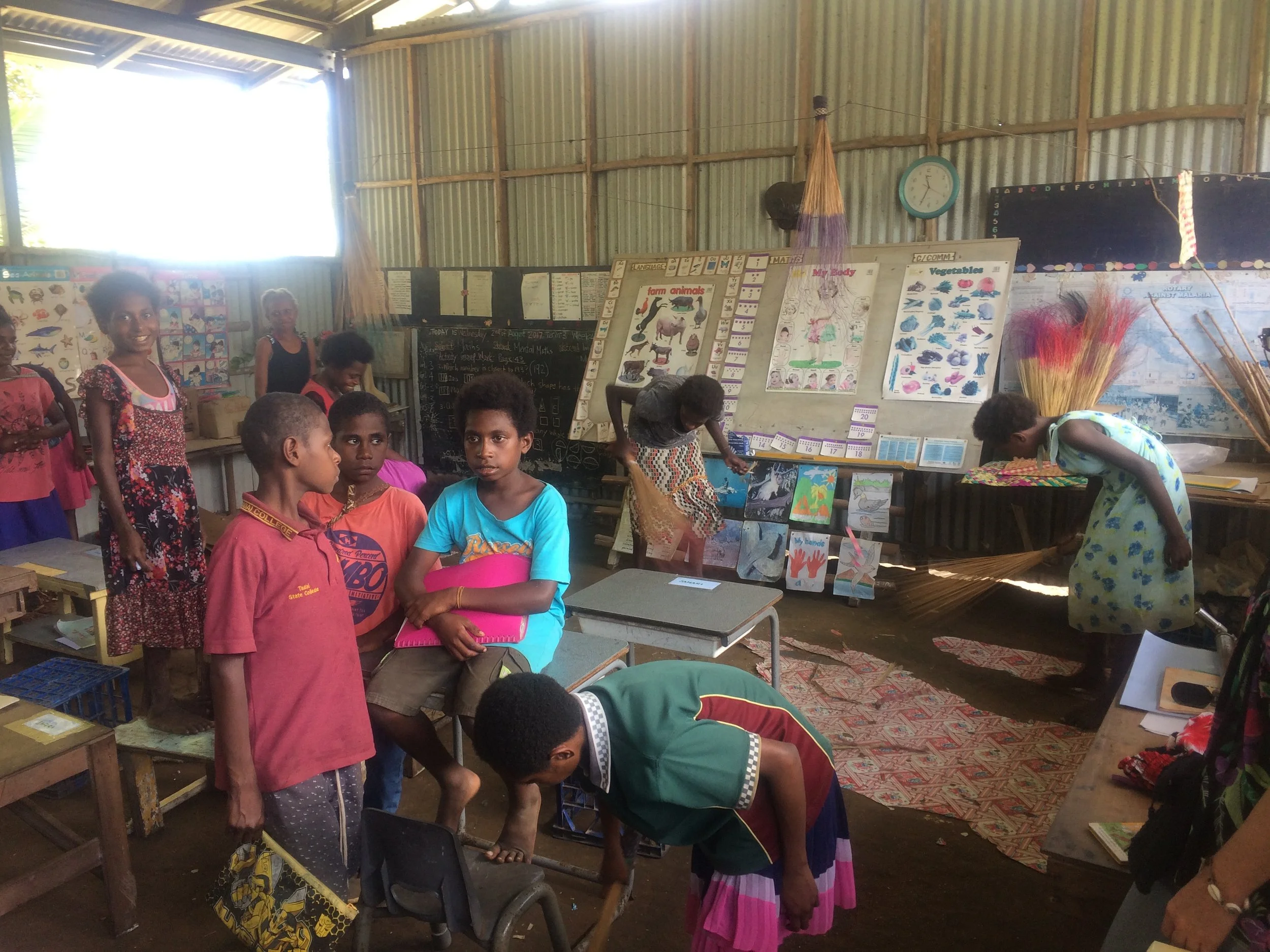
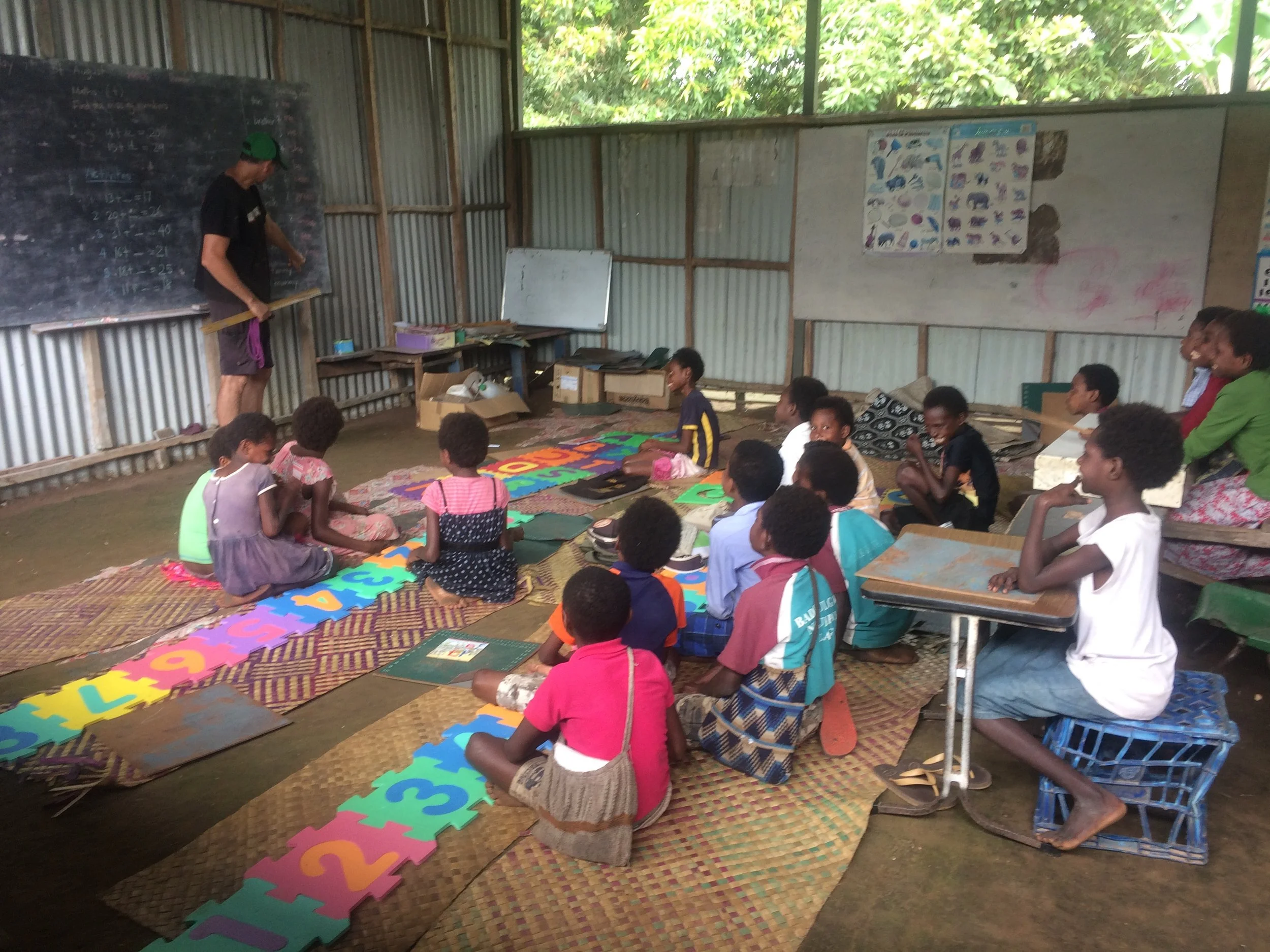
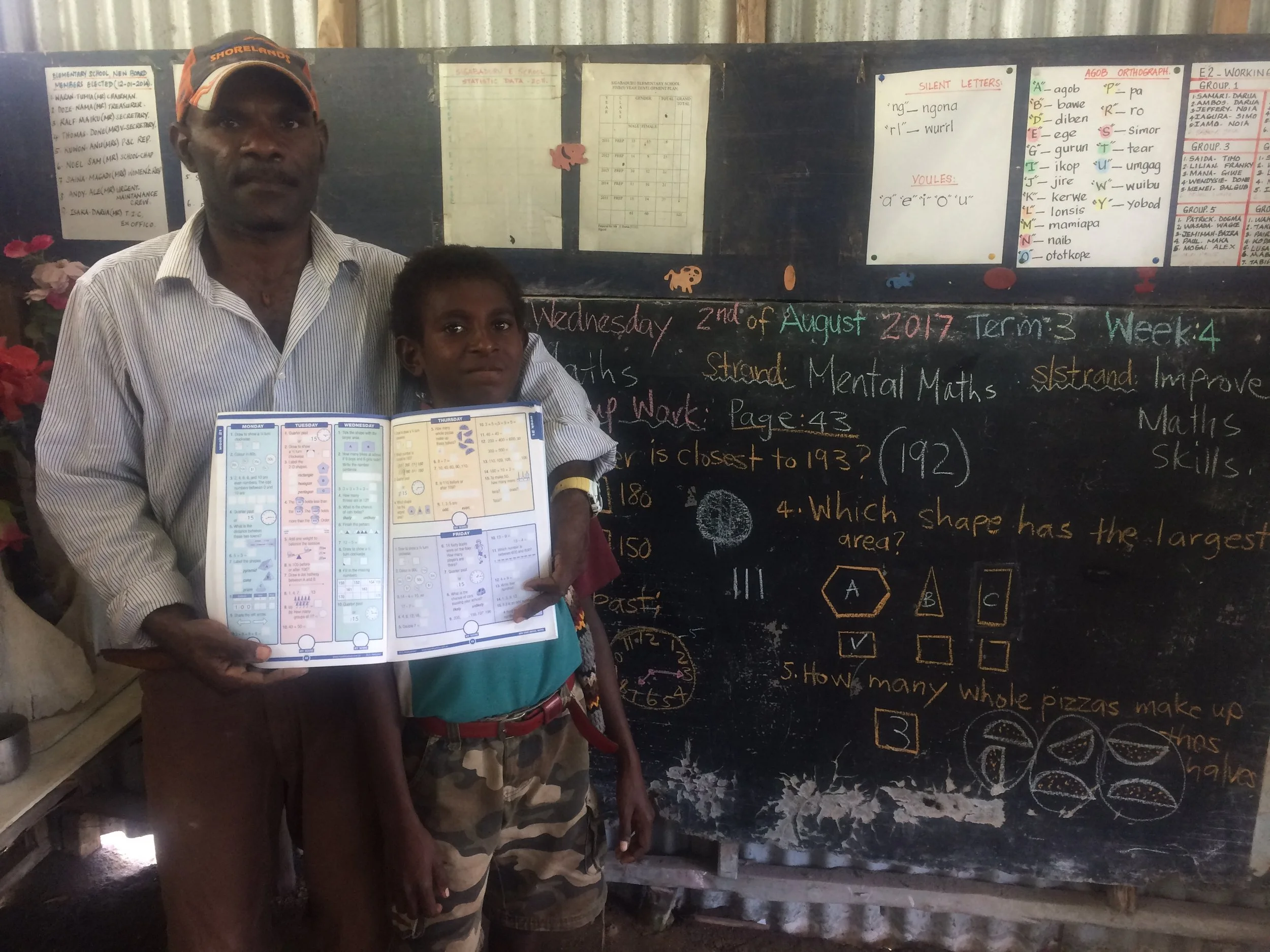
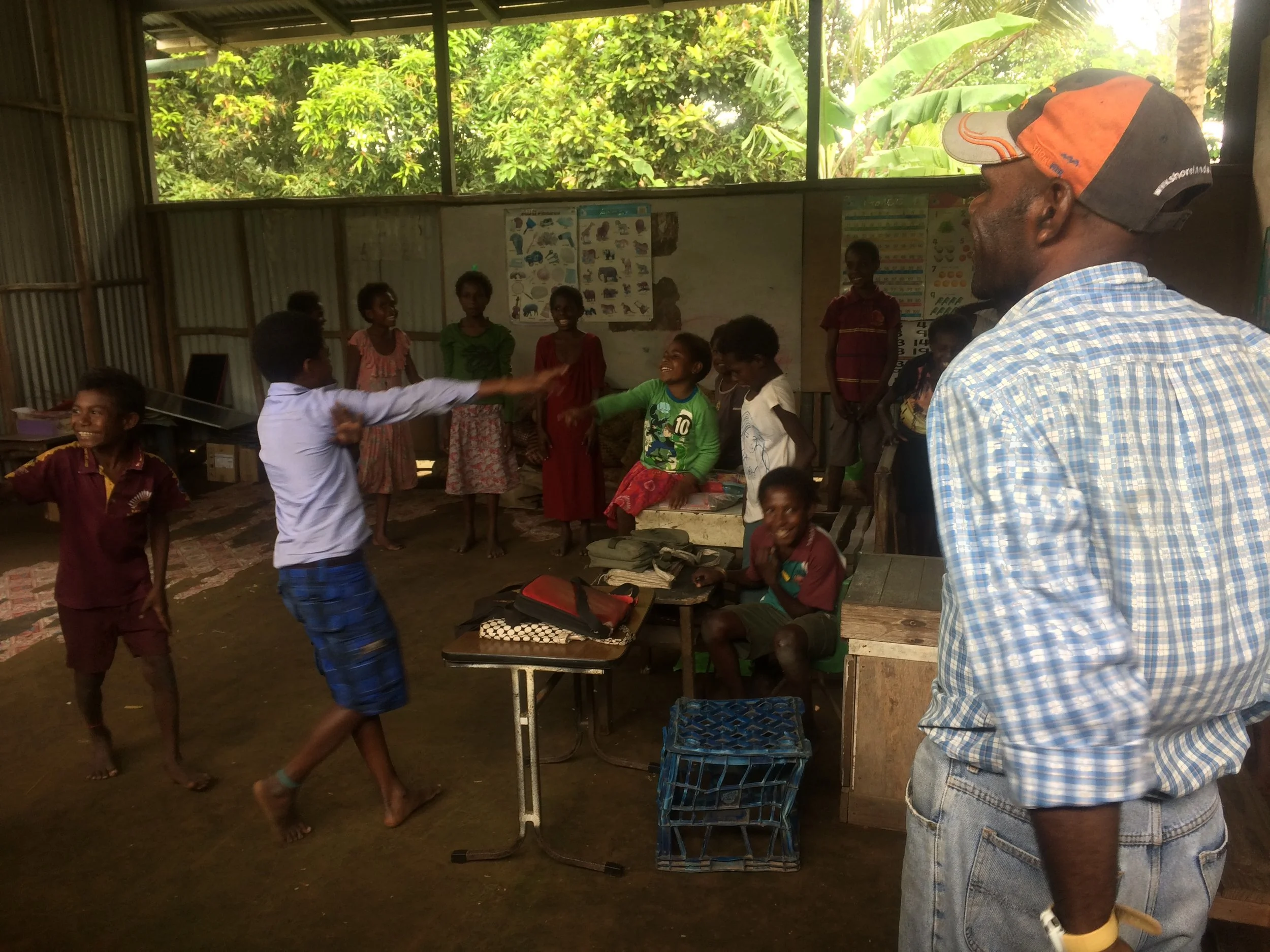
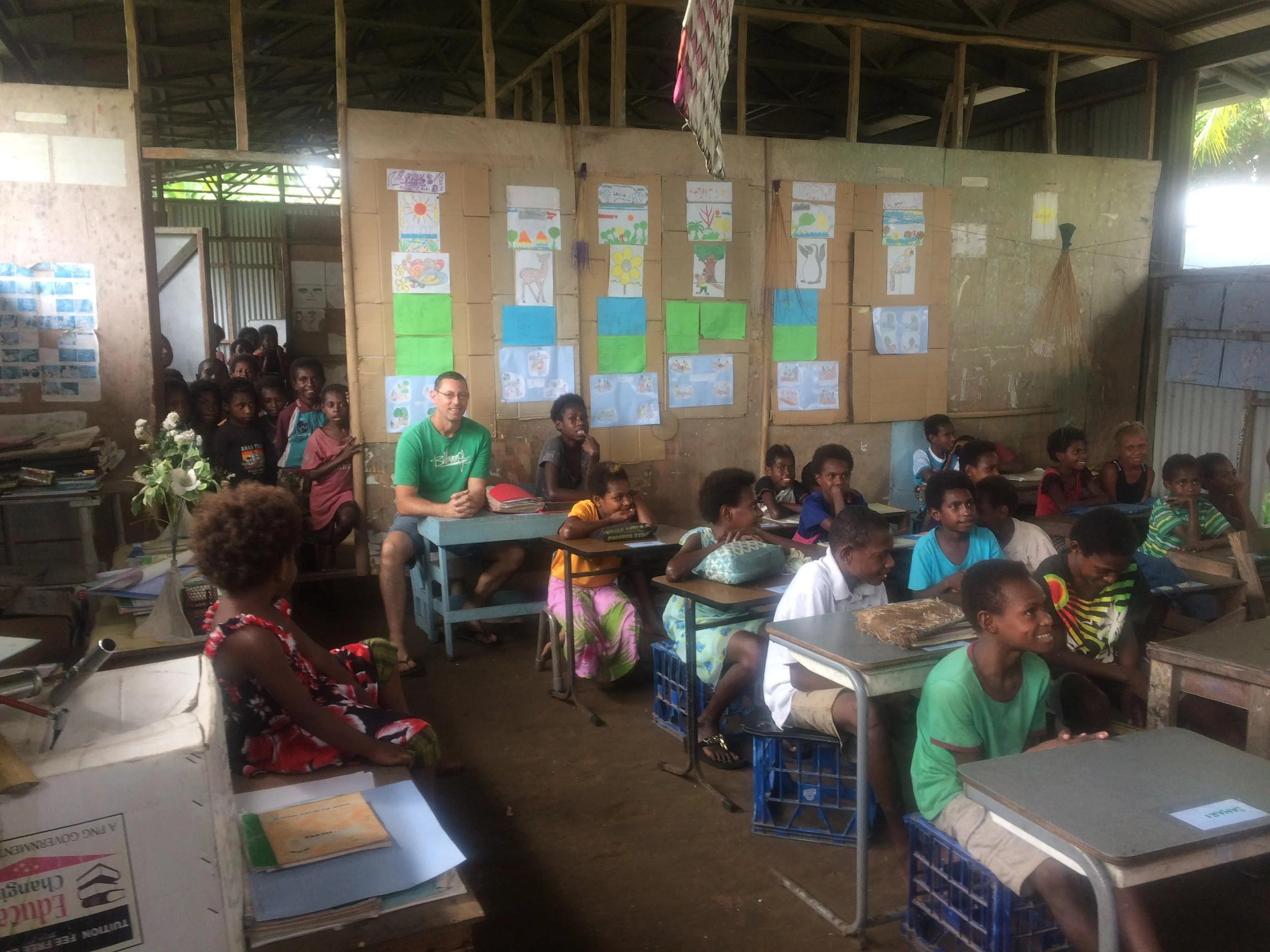
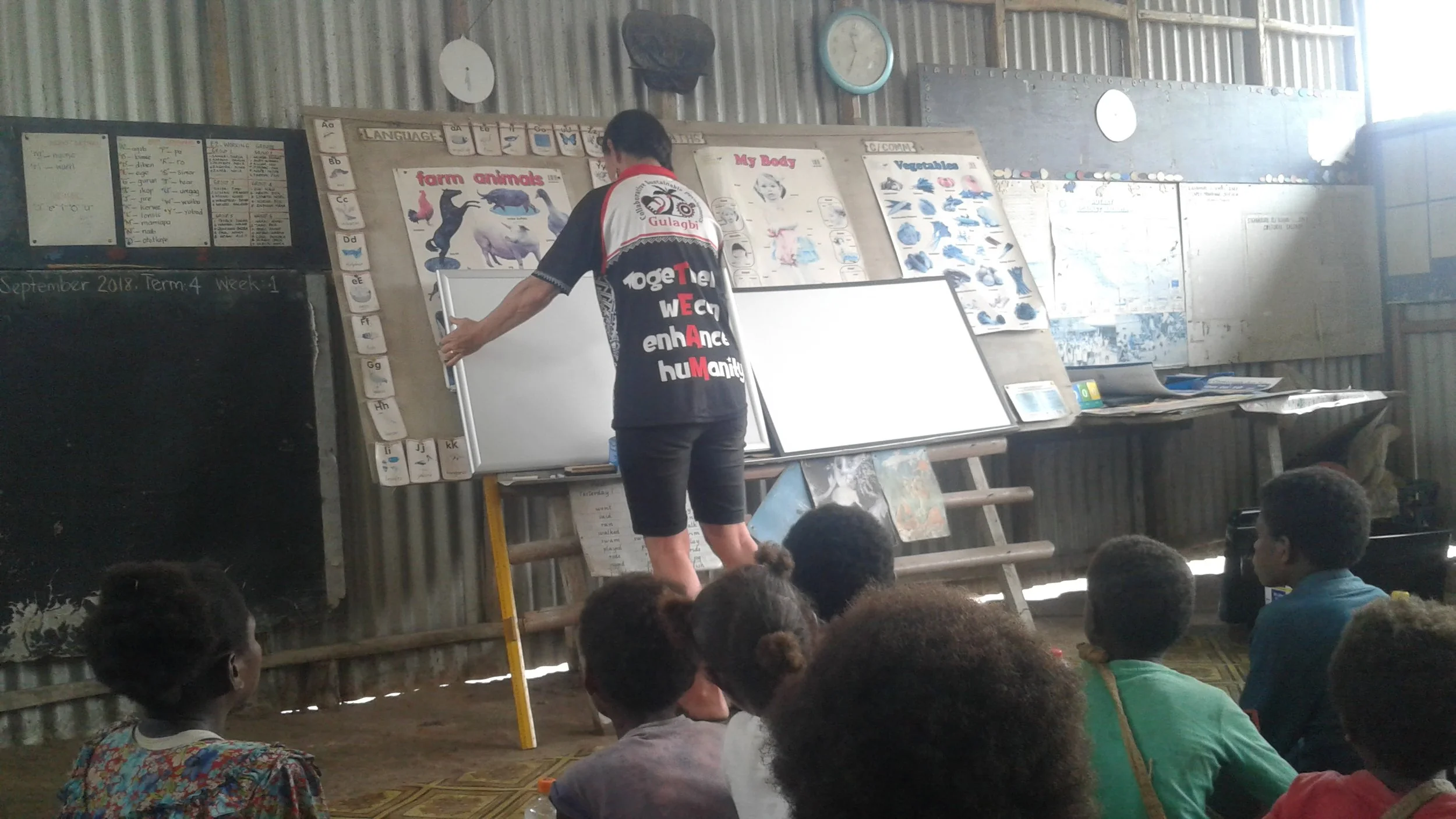
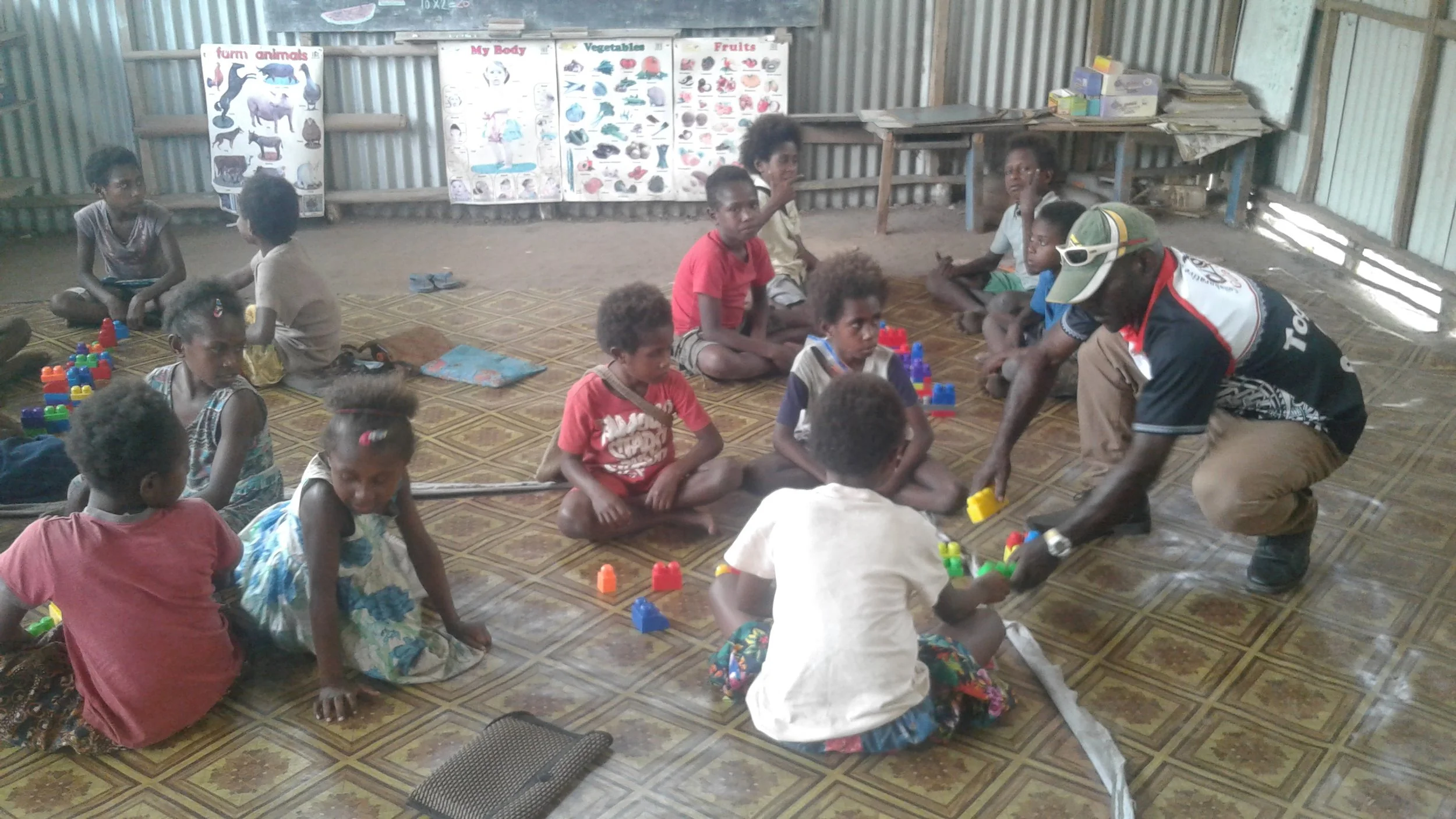
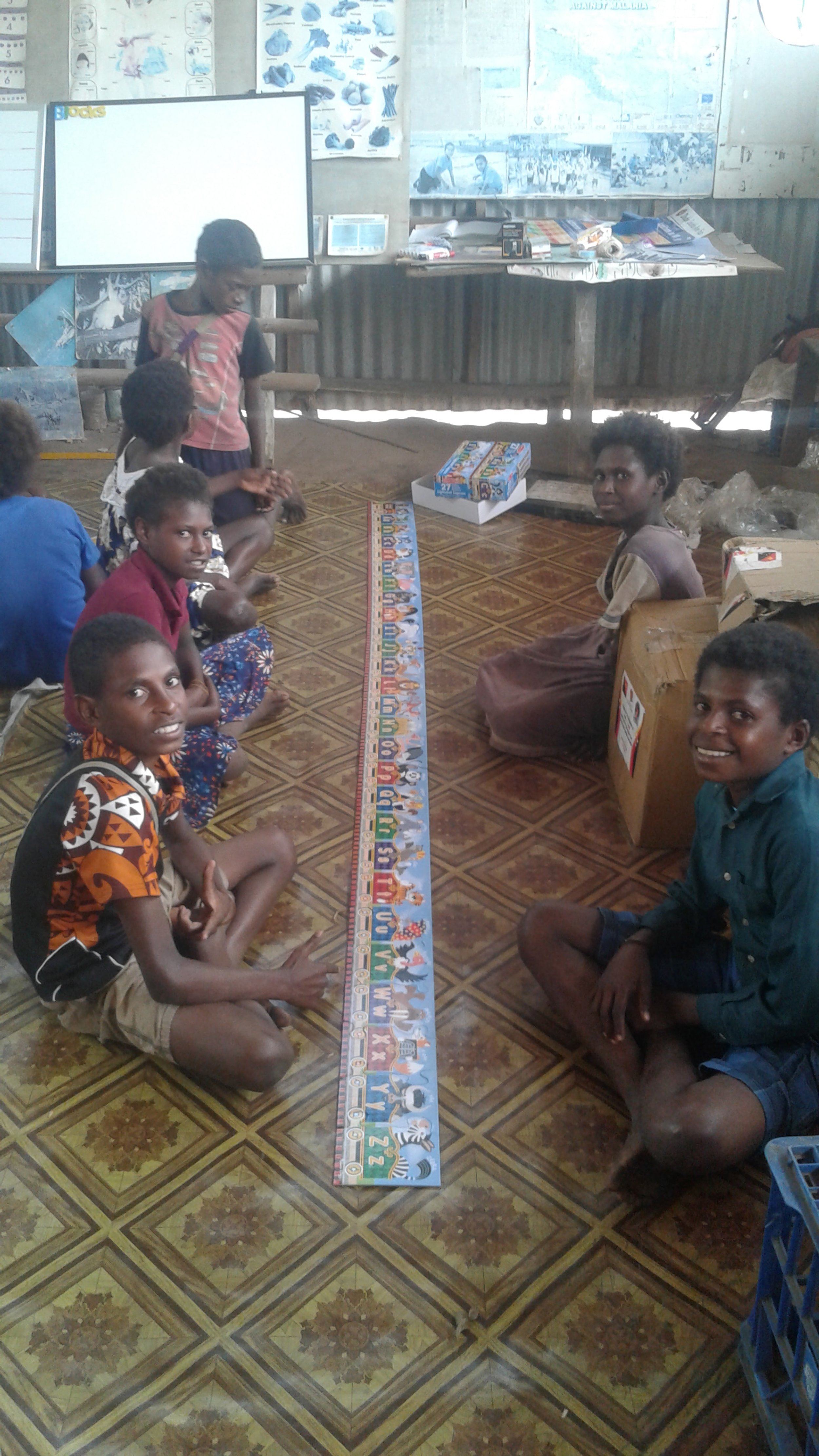
Limited education facilities: Educational resources and infrastructure are scarce, meaning many children have limited access to quality education.
These challenges are just the beginning. The resilience and strength of the people in these communities are awe-inspiring, but they face immense obstacles that prevent them from accessing the same opportunities and quality of life that many of us take for granted. Gulagbi Collaborative Sustainable Developments is committed to supporting these communities by providing sustainable solutions and resources to improve their quality of life and empower future generations.
Supporting Education, Empowering Children: Transforming Lives in PNG
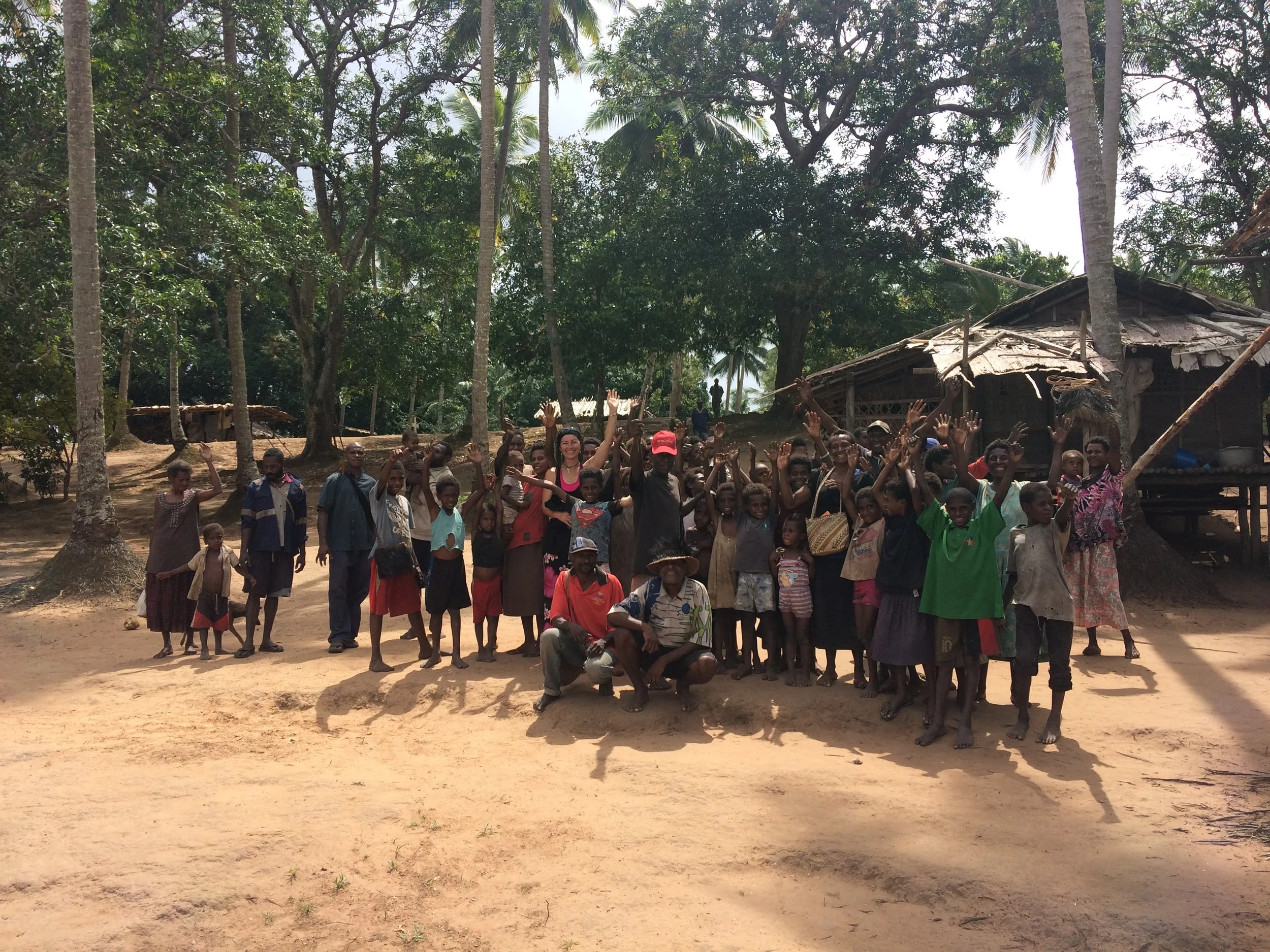
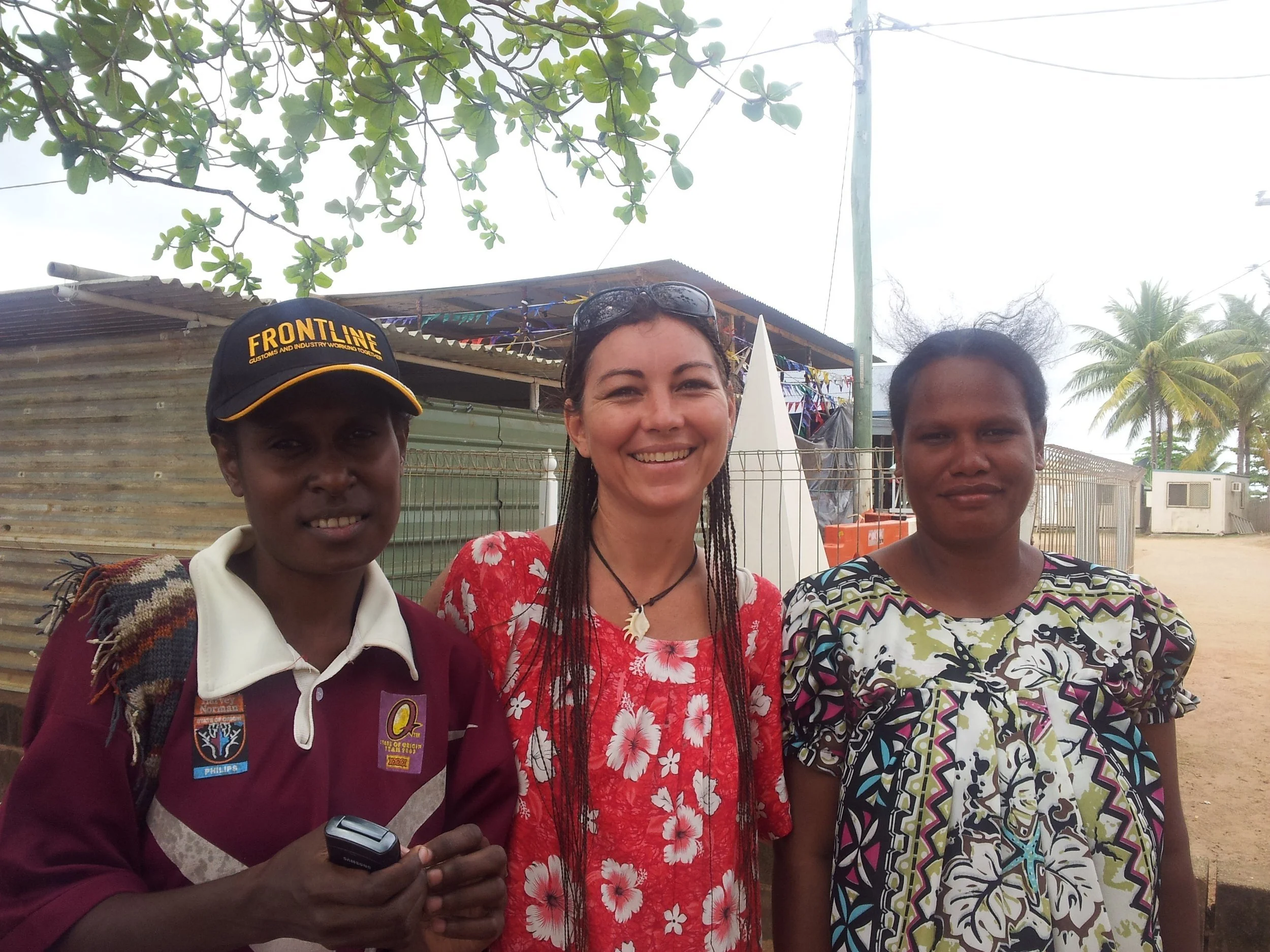
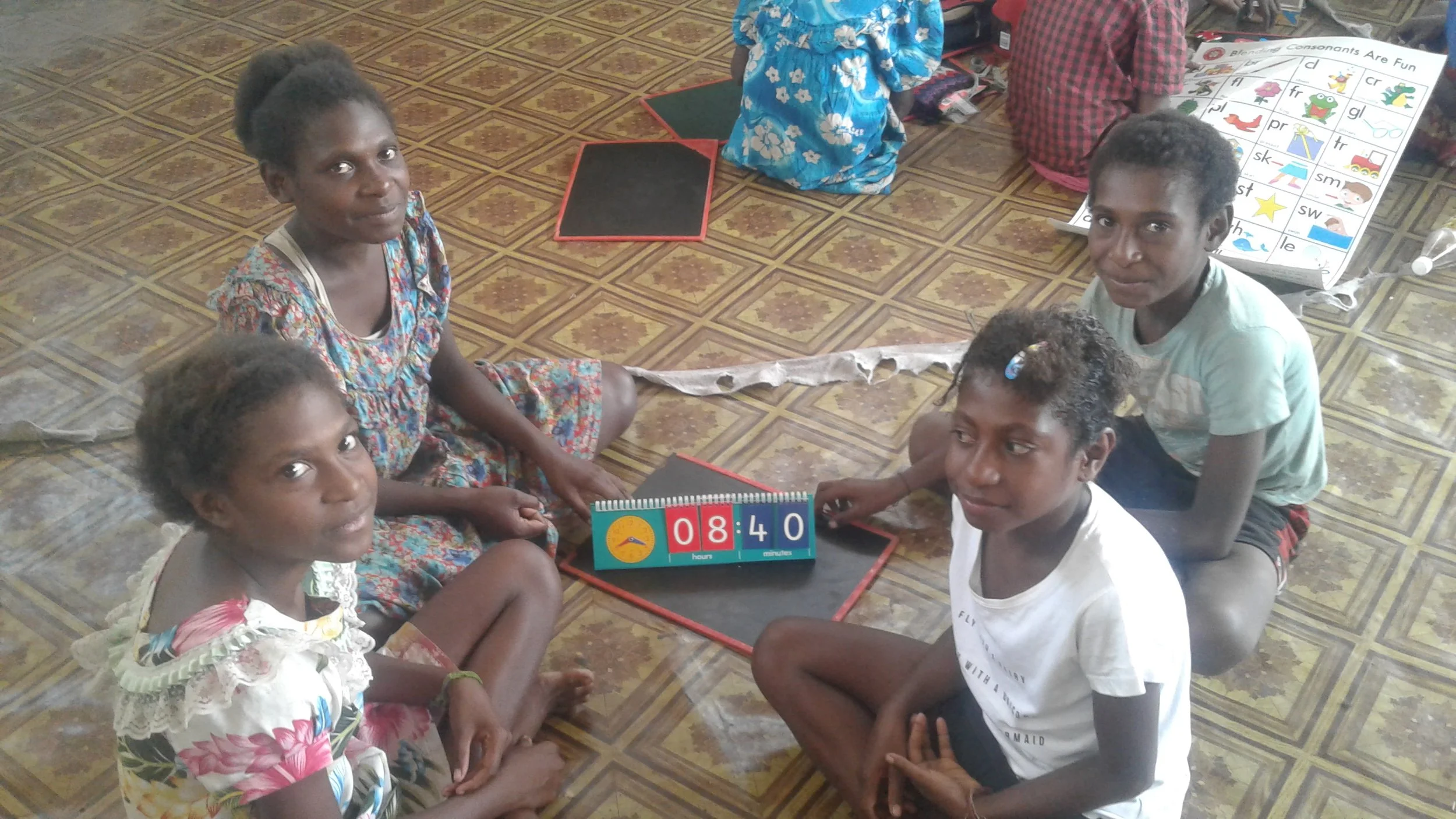
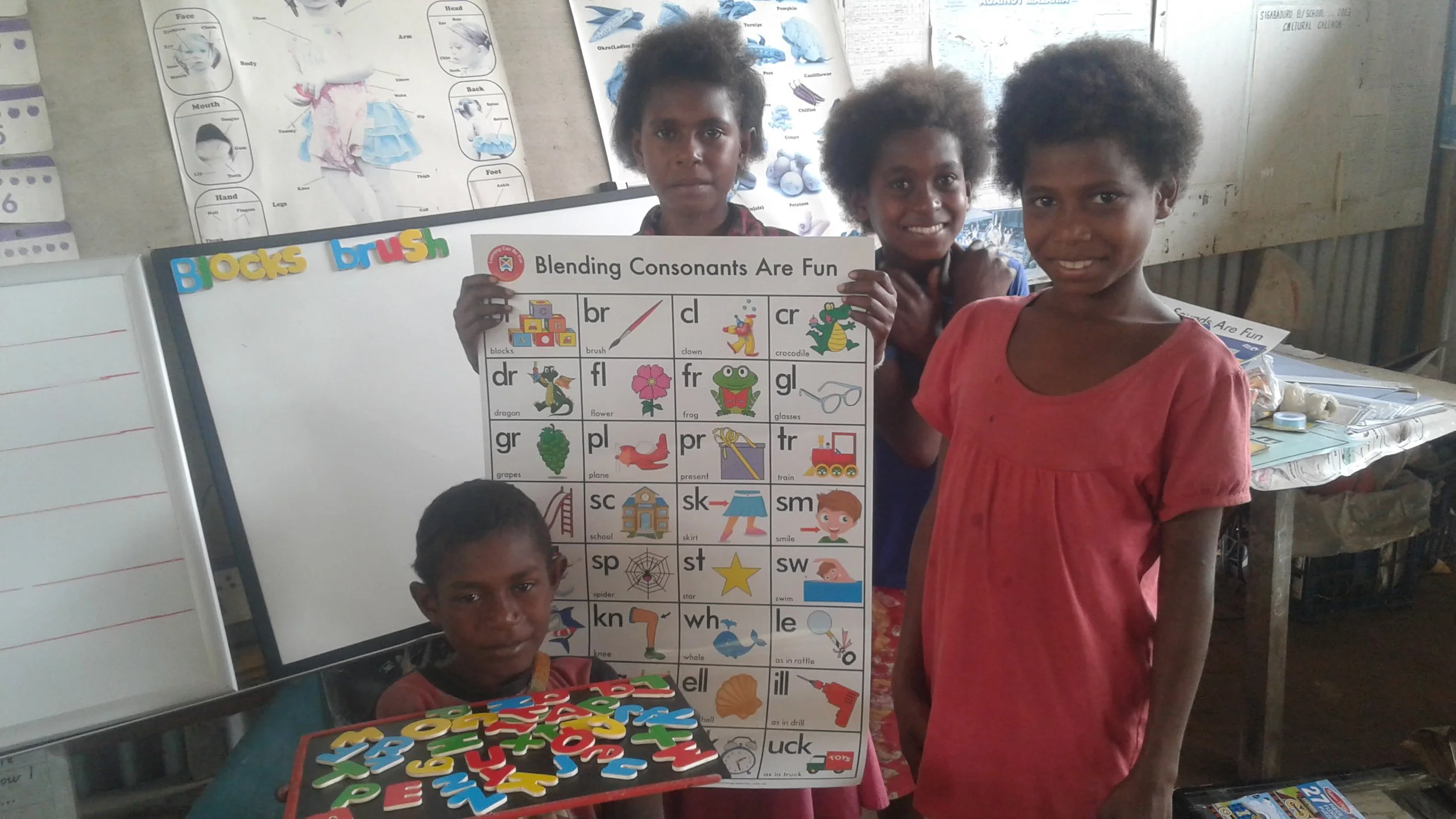
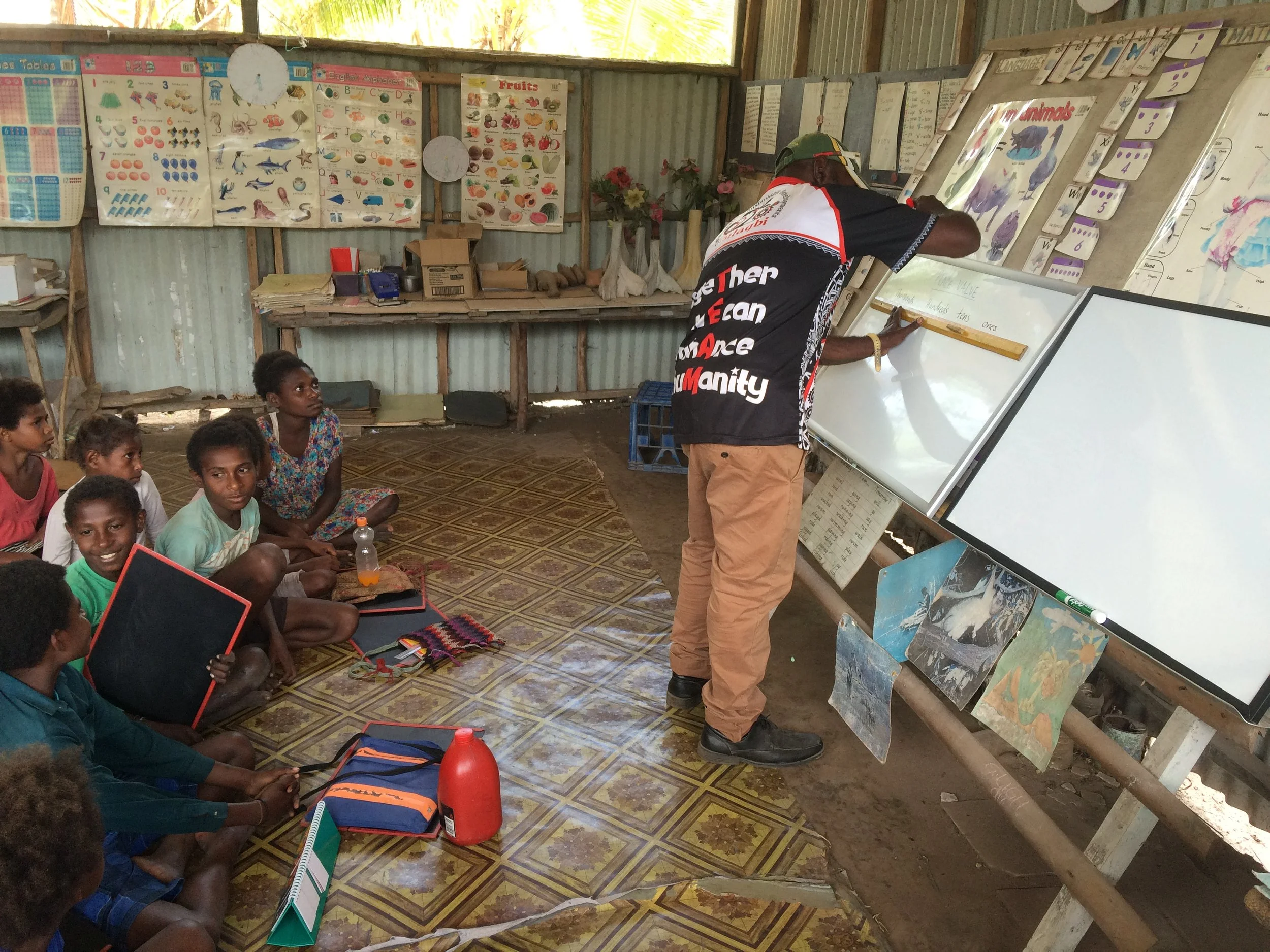
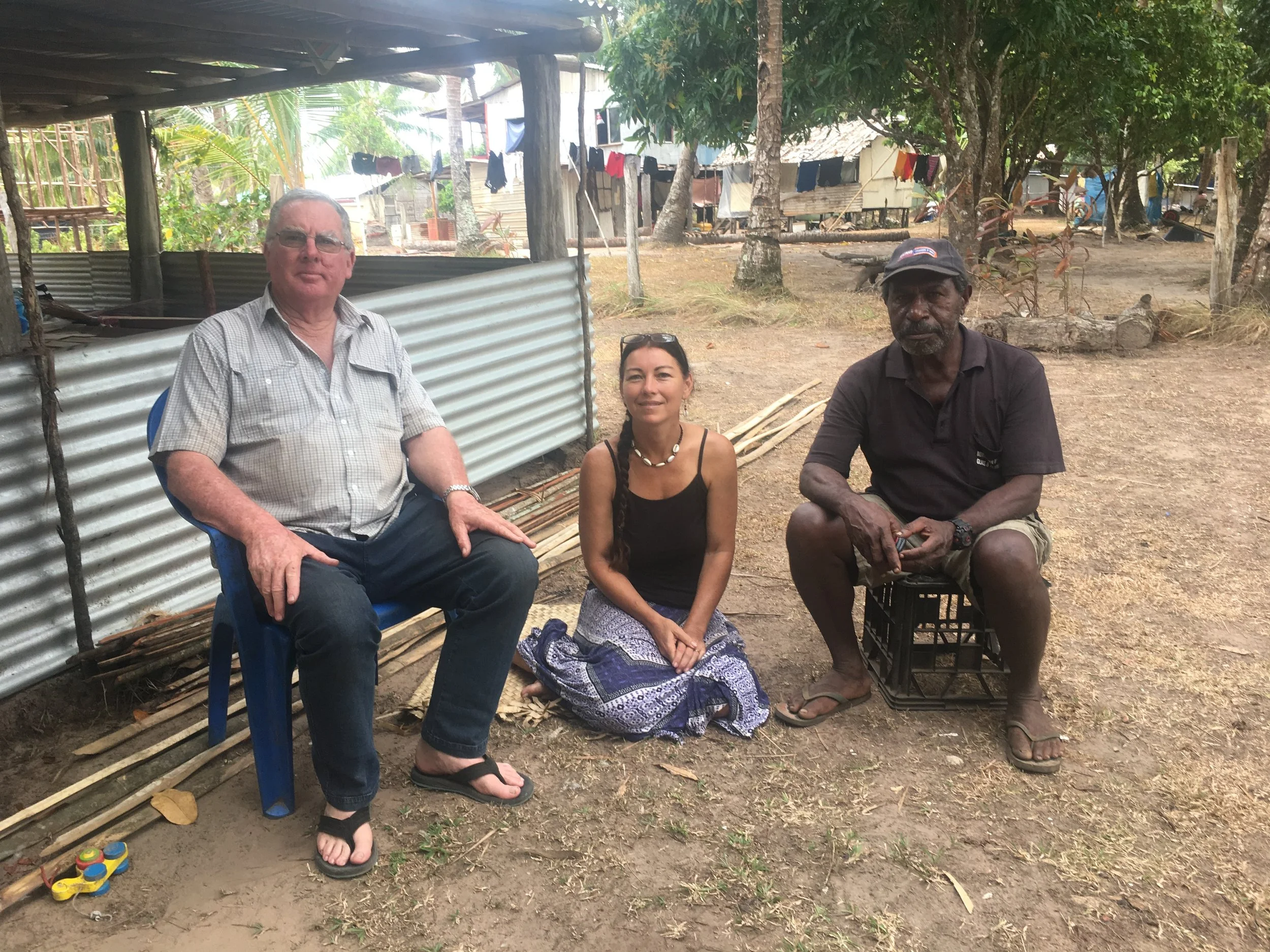
At Gulagbi Collaborative Sustainable Developments, we are committed to improving the lives of communities in the Western Province of Papua New Guinea. Shelly and Justin’s first project focused on sending school supplies to Sigabaduru village, helping children access the education they deserve. Connecting directly with the village school’s principal Linda, we identified the urgent needs of the community and saw an opportunity to make a real difference.
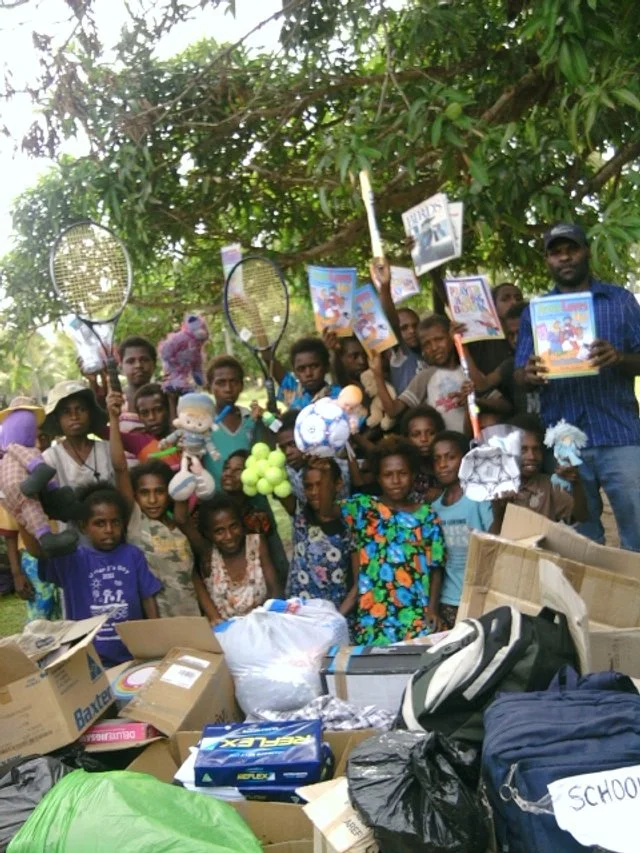
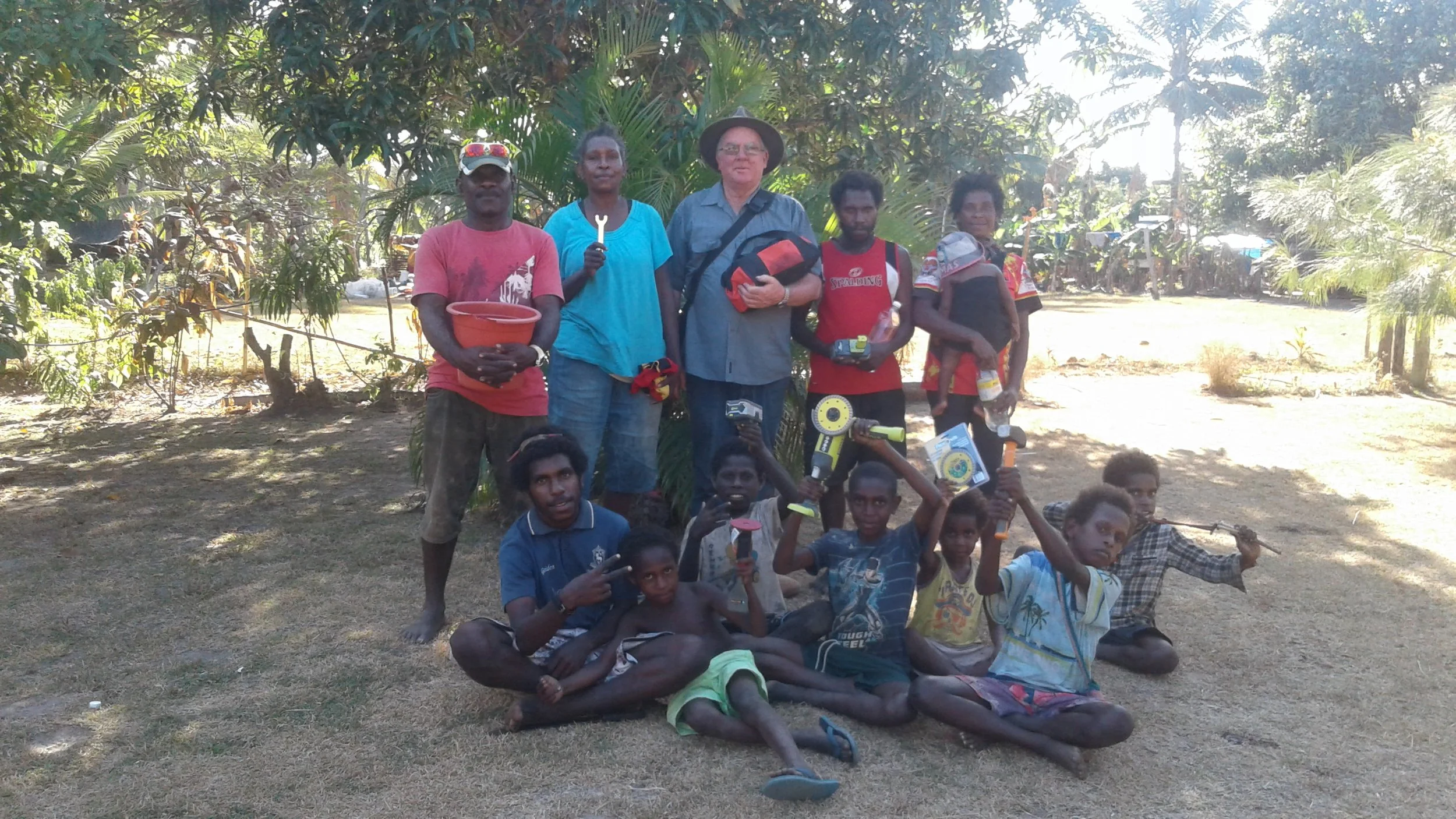
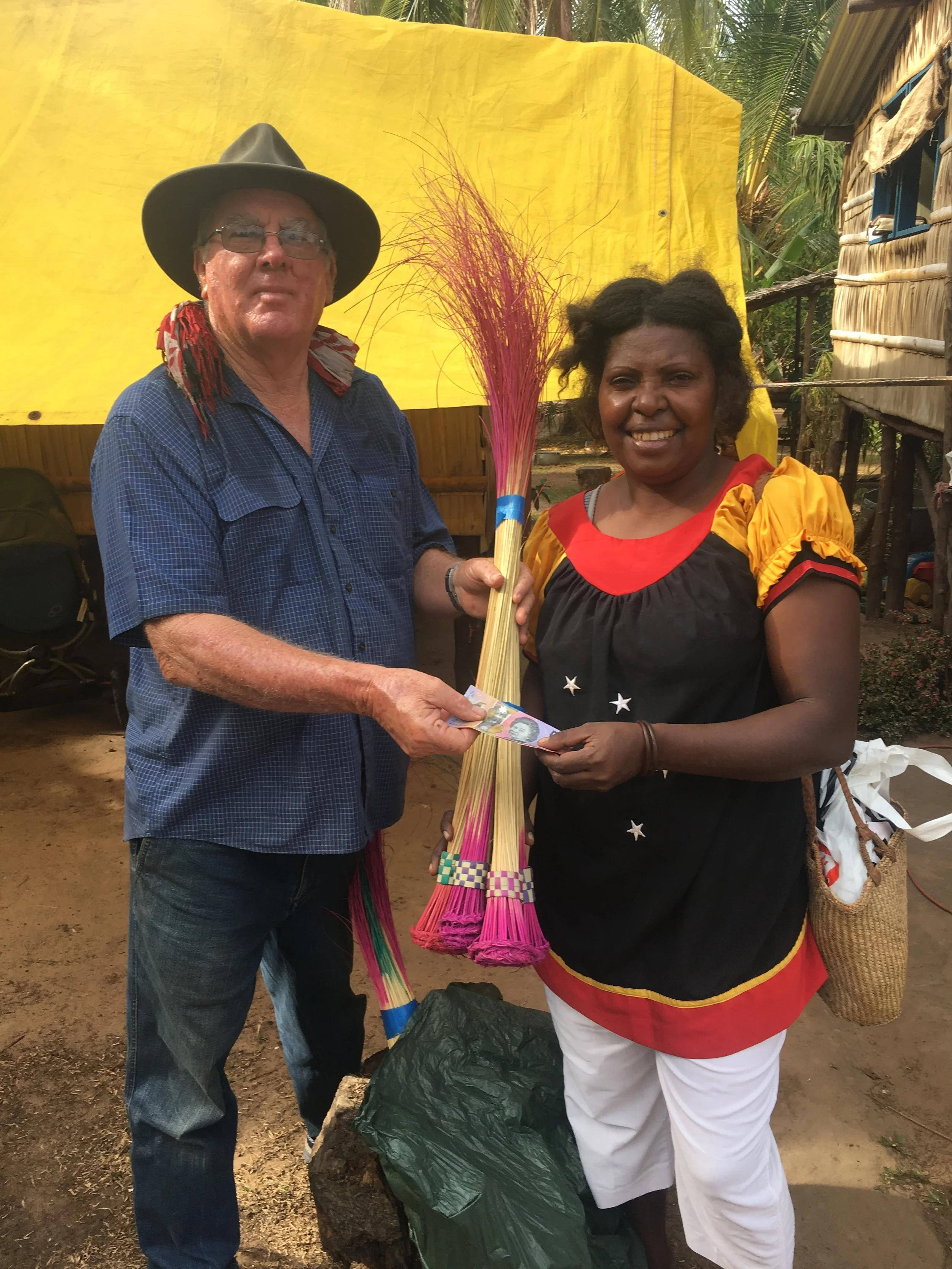
A plan was made to help raise money through collaboration, families in Sigabaduru village crafted handmade items which were sent to us in the Torres Strait in Australia and we exchanged for school supplies, sports equipment, and clothing—resources that are often taken for granted in more developed countries. These supplies were sent to the school, helping to equip children for a brighter future.
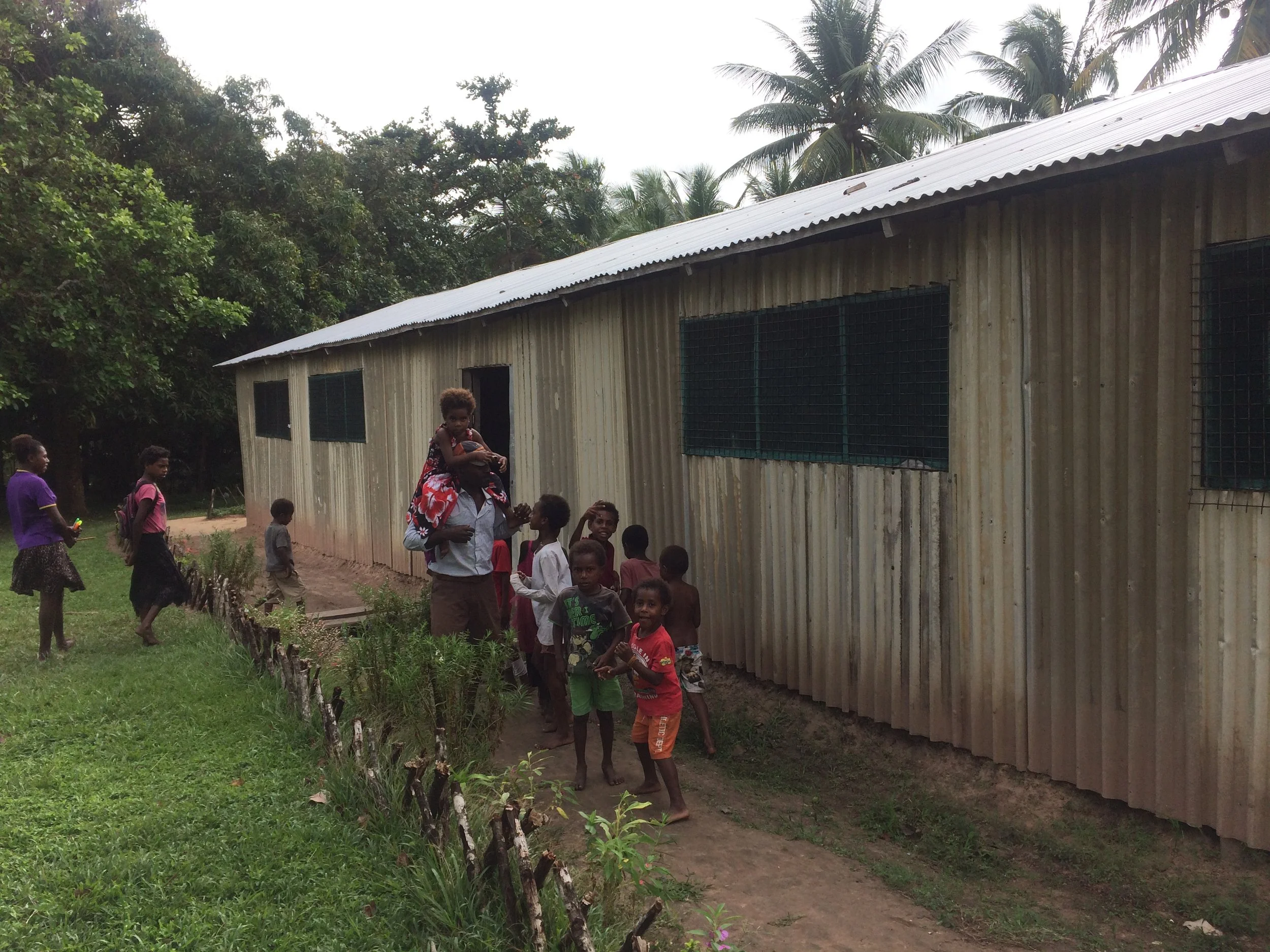
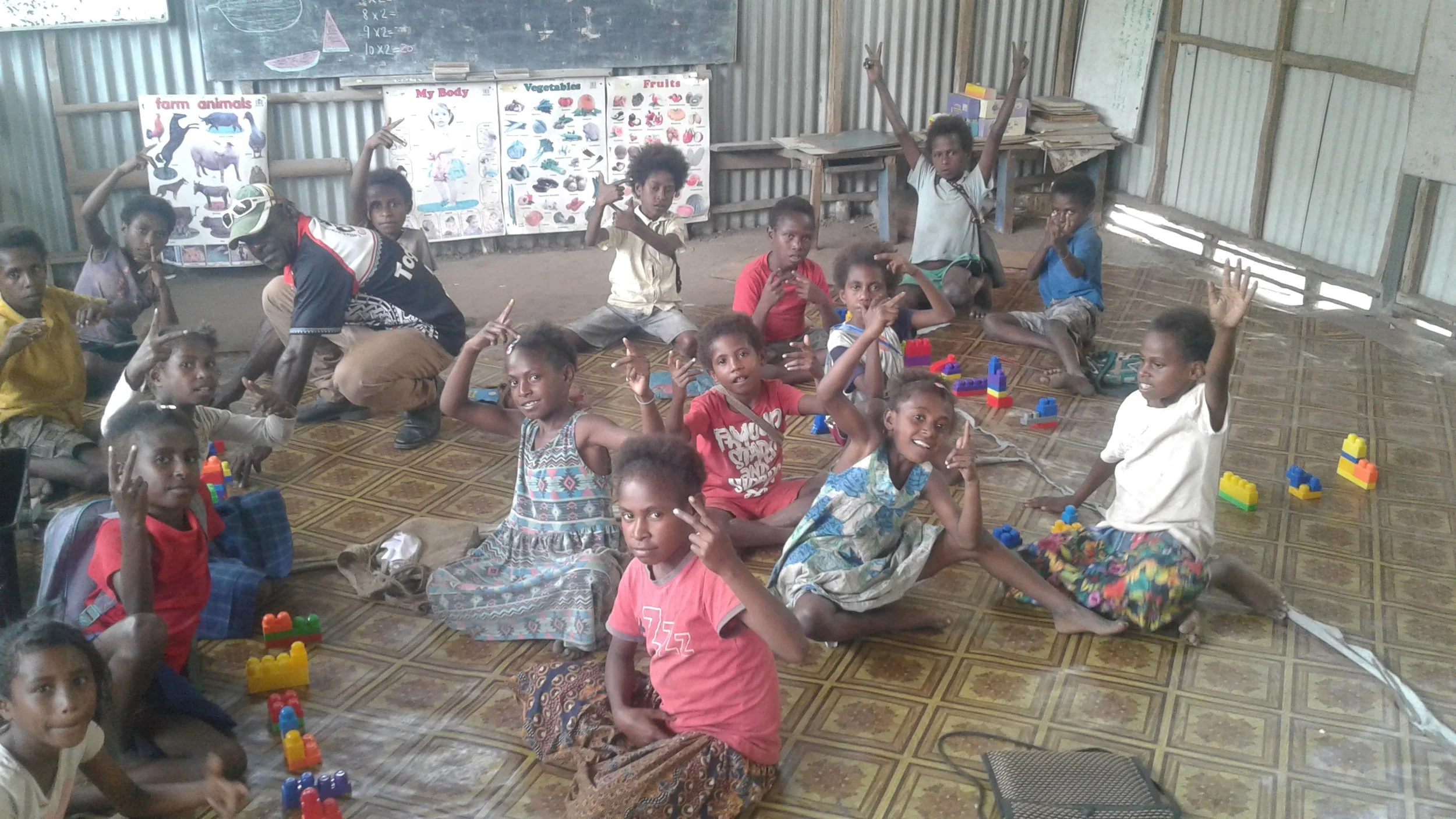
When Shelly visited Saibai Island with her sons, she met with the extended families of her foster children and learned firsthand from the school’s principal and two teachers Amake and Isaka. They shared that, despite their dedication, they had no proper classroom for the younger children of the school—Isaka’s students learned under a large mango tree. In the rainy season, lessons were impossible. This profound experience reinforced our commitment to supporting the children, the school, and the community.
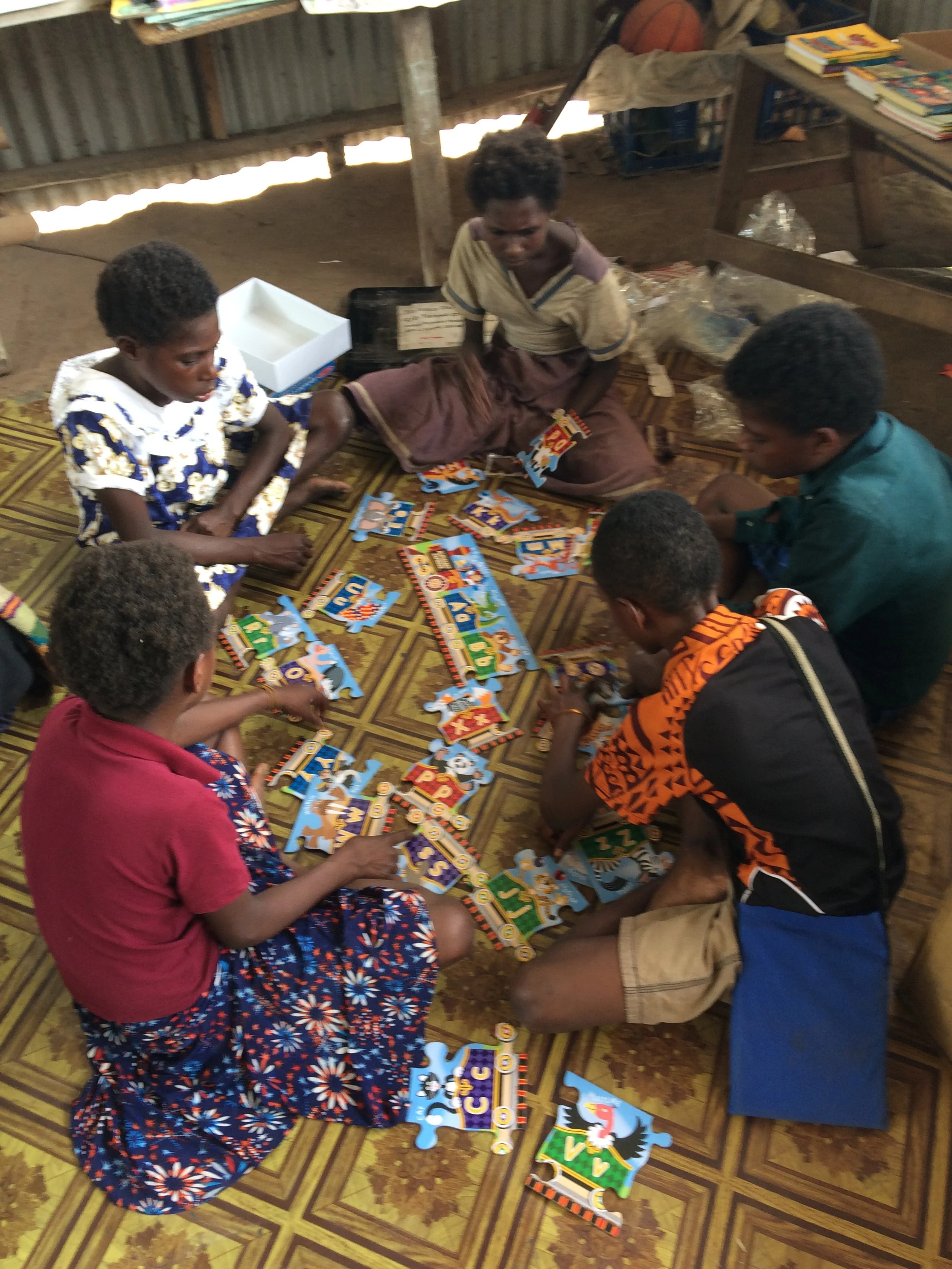
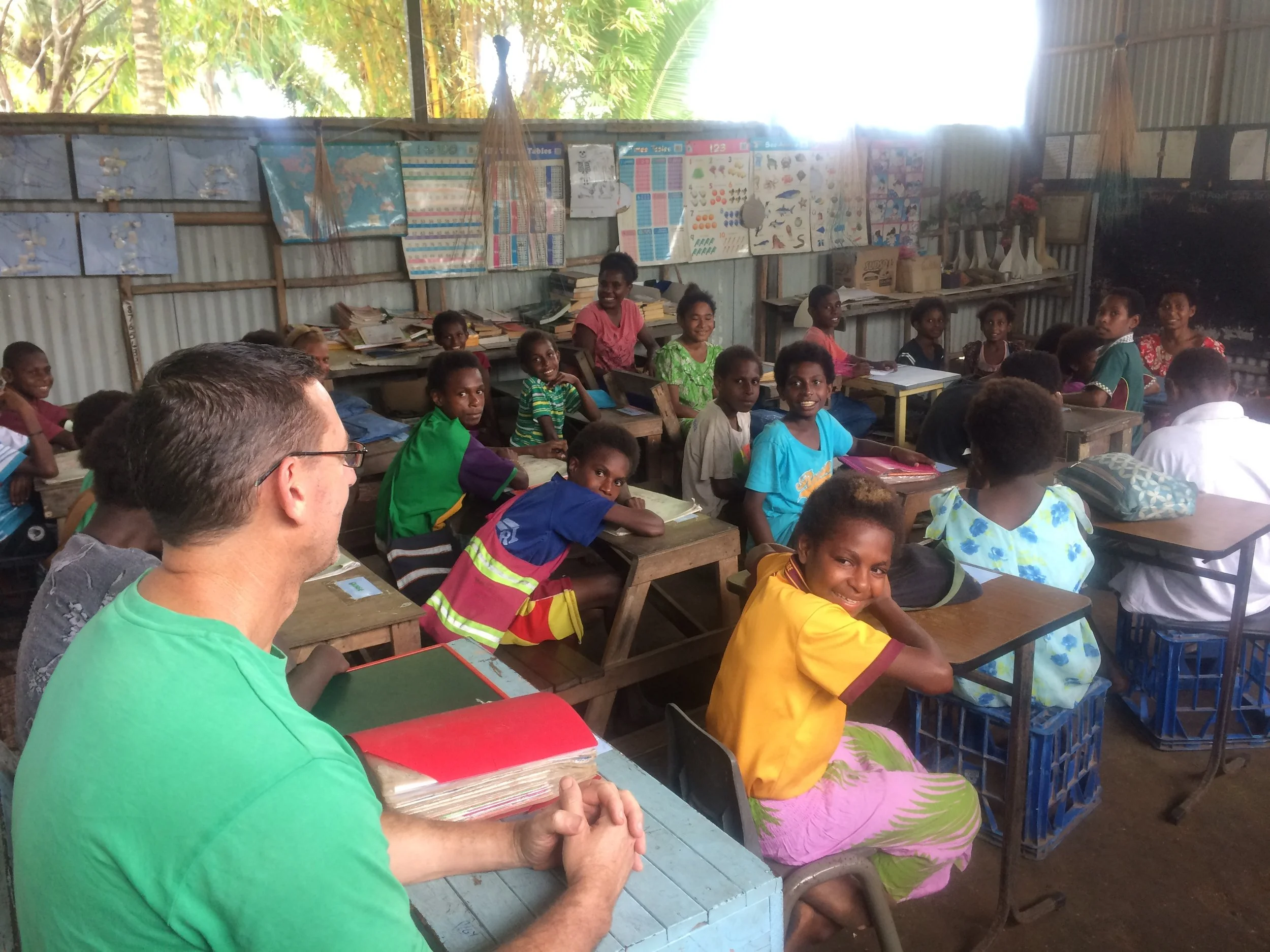
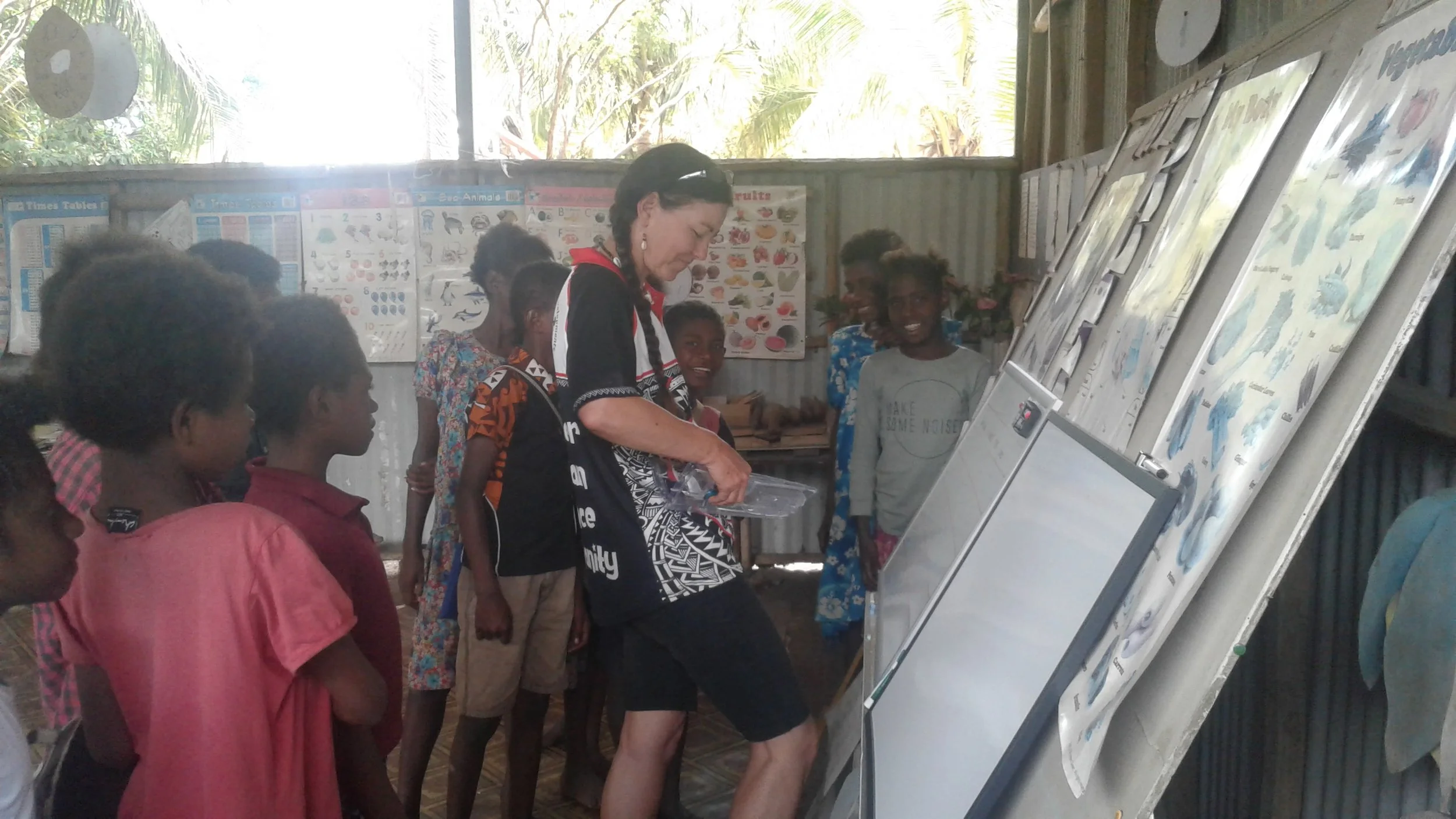
When Justin and Shelly visited the villages in PNG, they saw firsthand the transformative impact of the resources they’ve been able to provide. The education supplies, desks, chairs, sports equipment, art supplies, and teaching tools have made an incredible difference in the lives of the children. The joy and enthusiasm for learning were evident as we watched them engage with new materials and opportunities. It was a powerful reminder of how even the smallest contributions can create lasting change, helping these children build a brighter future.
A story of struggle, hope & compassion
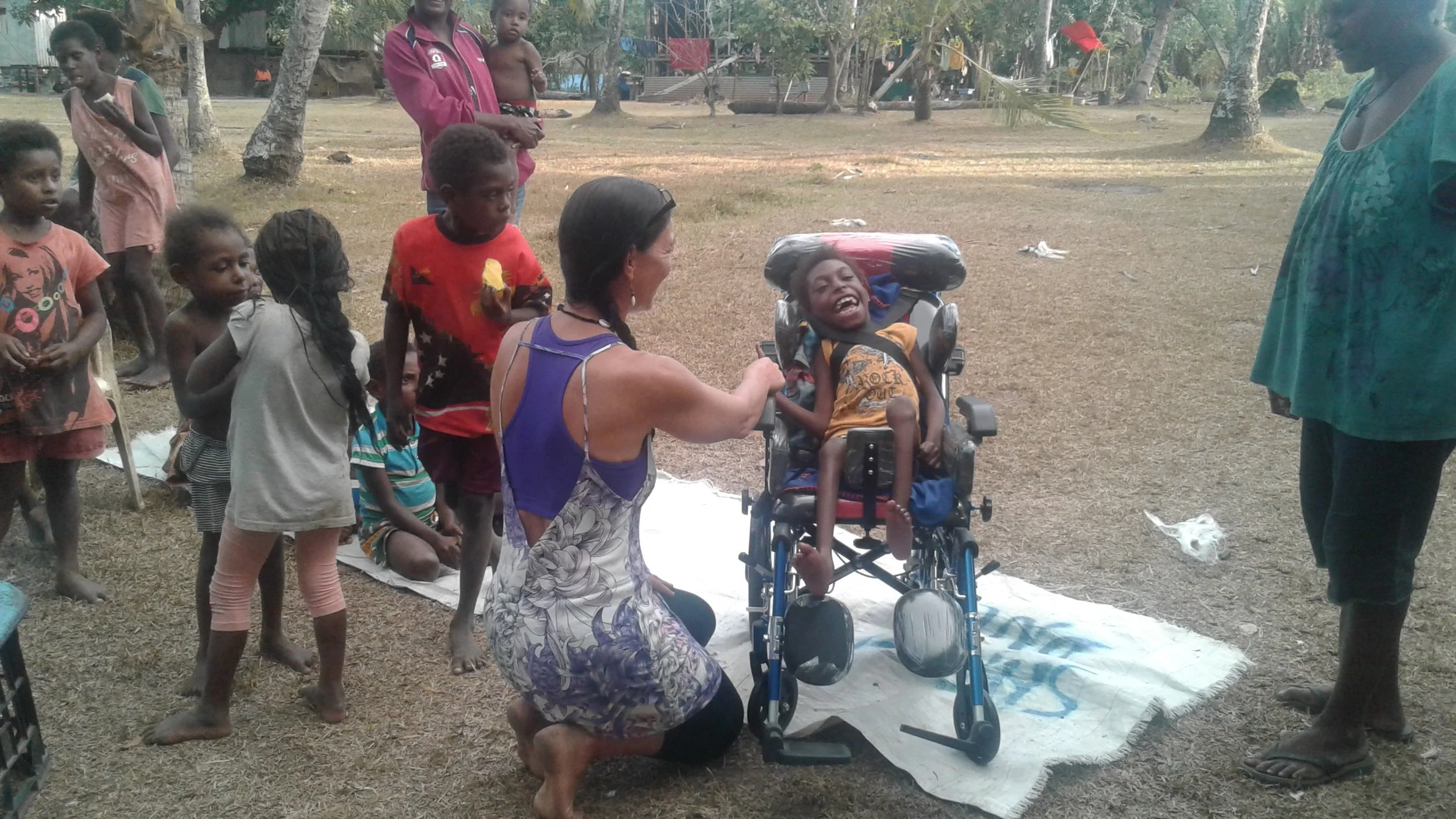
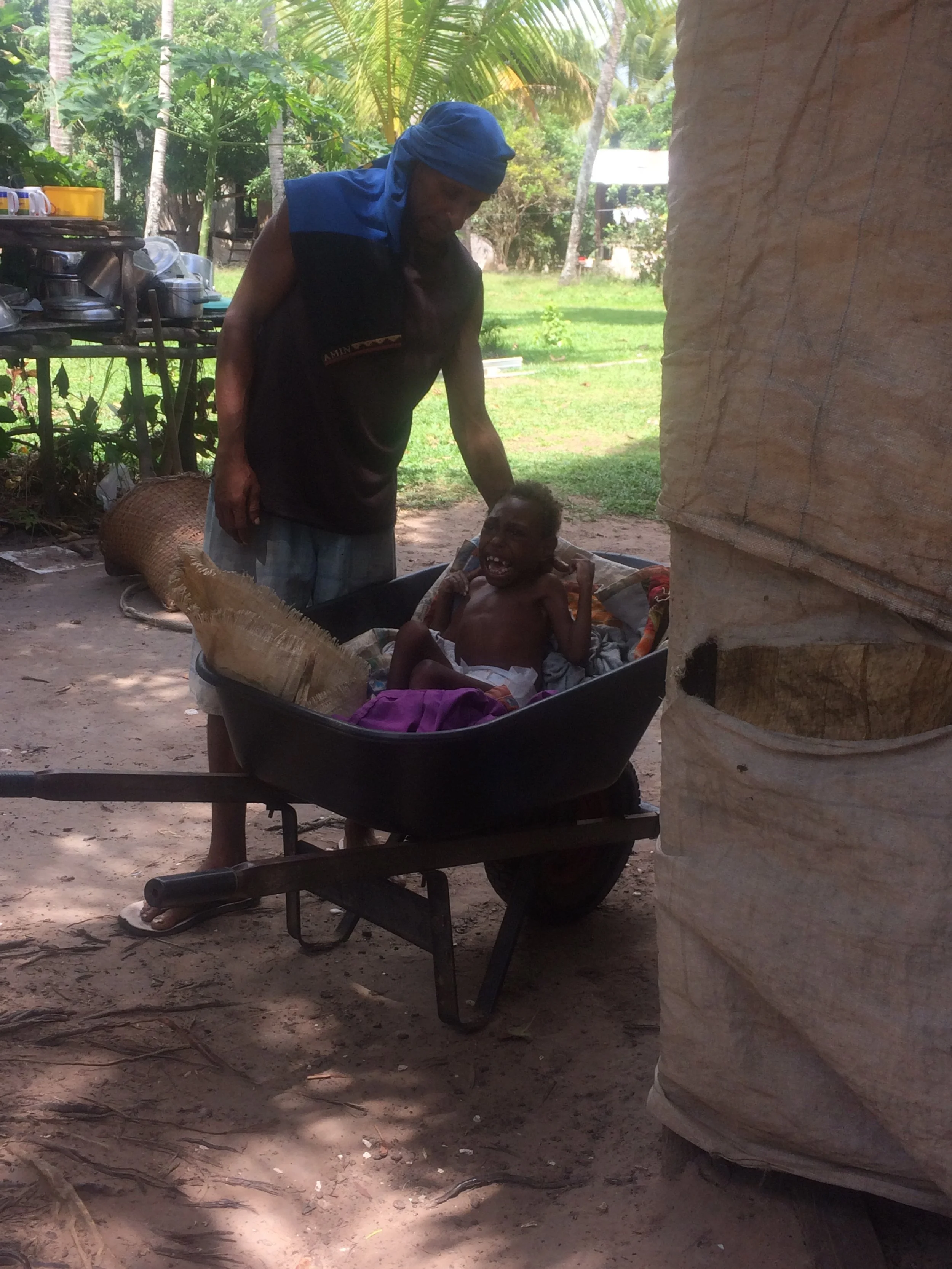
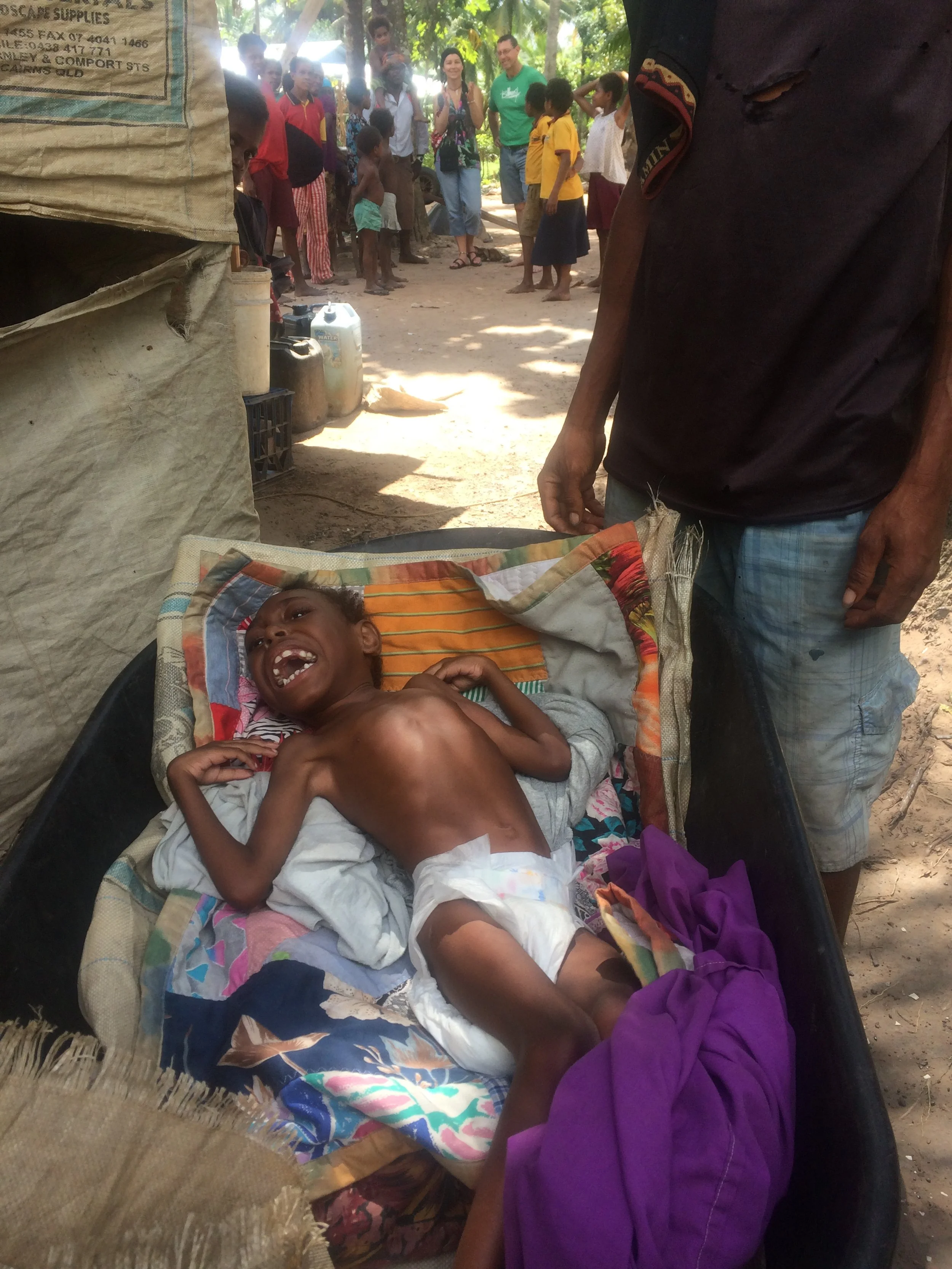
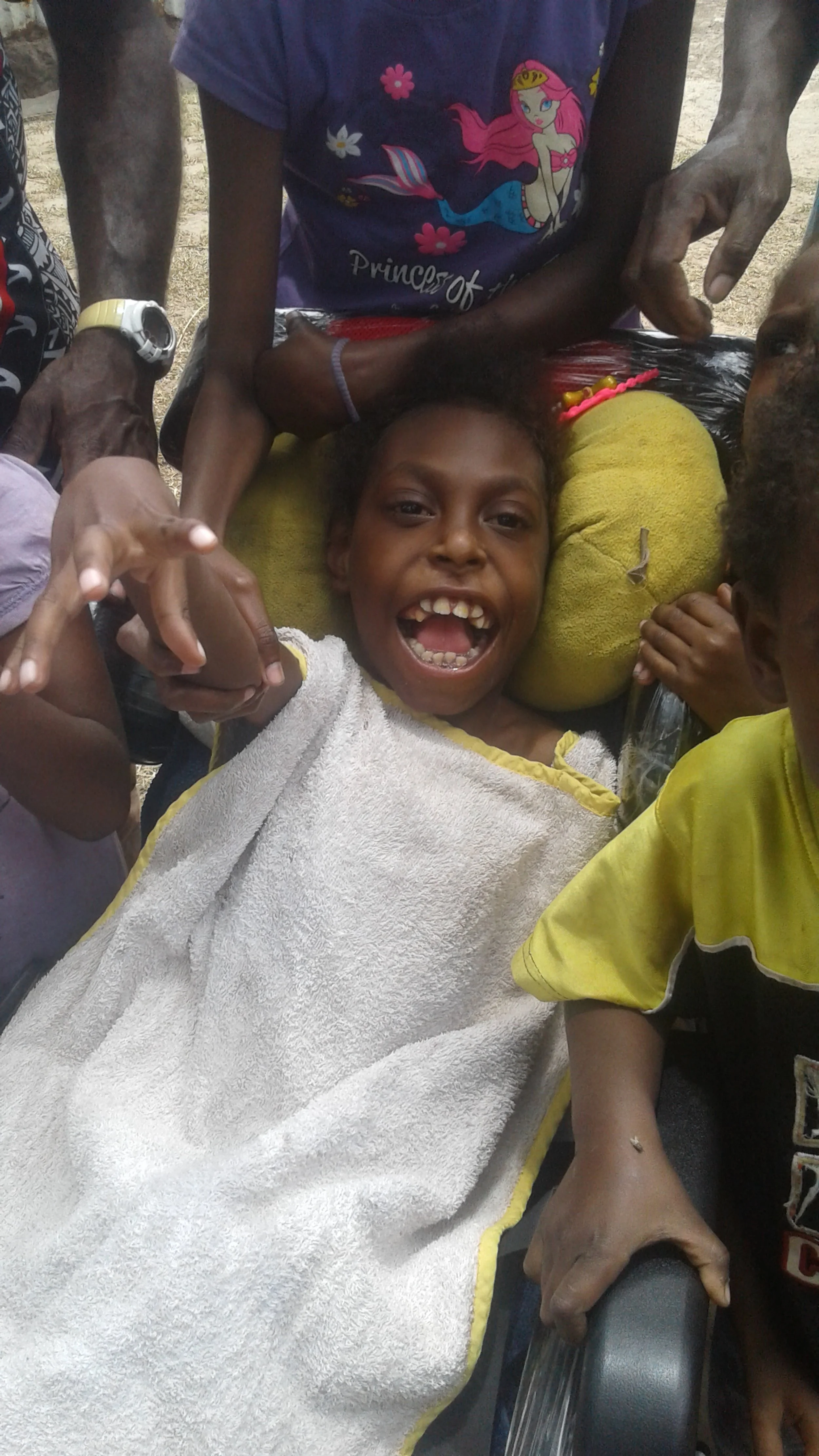
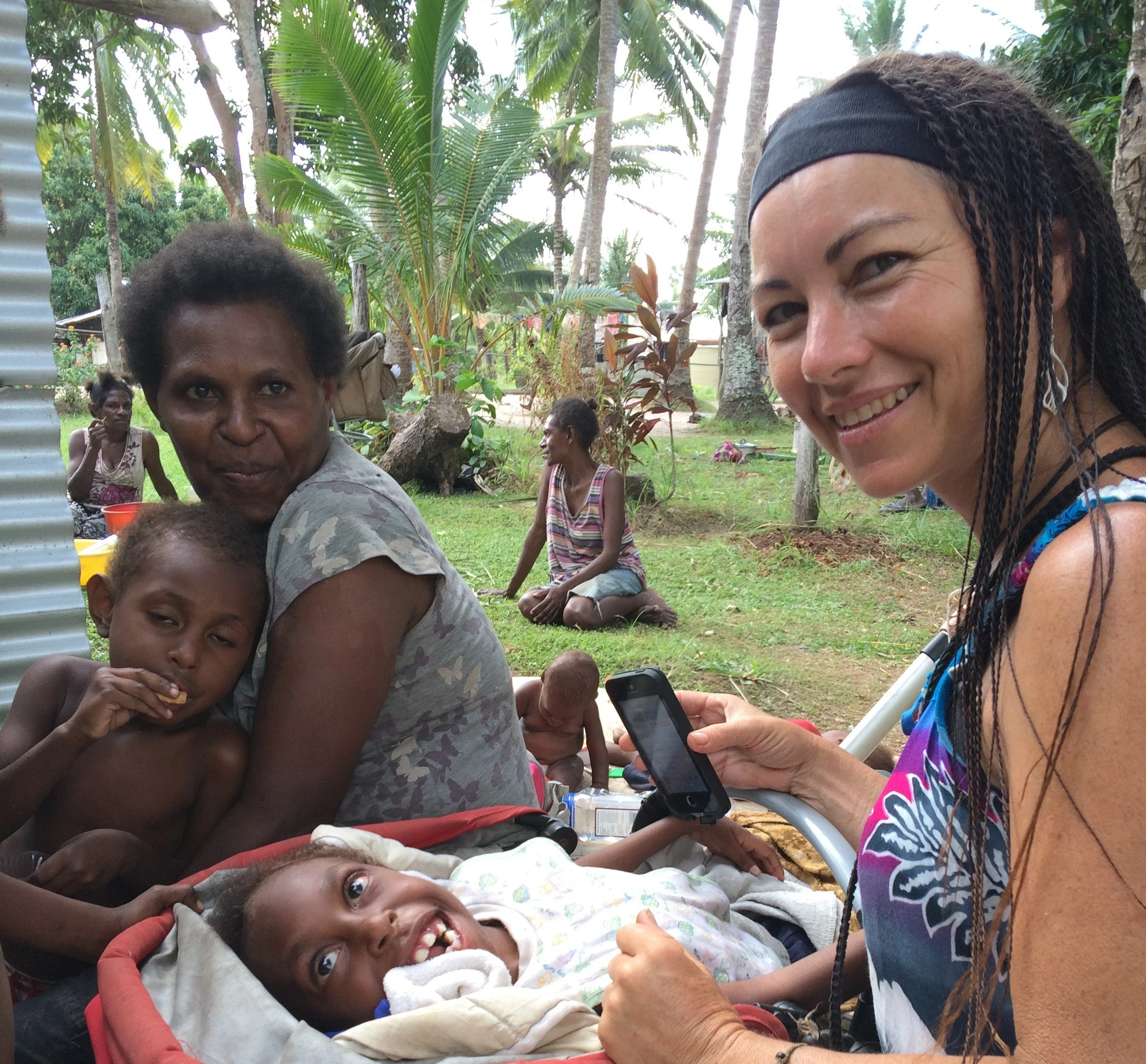
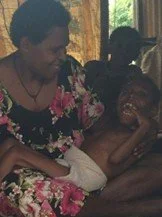
During our time in Sigabaduru village, Shelly and Justin met a young boy named Gilbert whose story deeply touched our hearts. At just six years old, Gilbert lives with a disability that his family believes may be similar to cerebral palsy, though he has never been formally diagnosed. Despite his challenging condition, Gilbert’s parents are unwavering in their love and dedication to him and their seven other children.
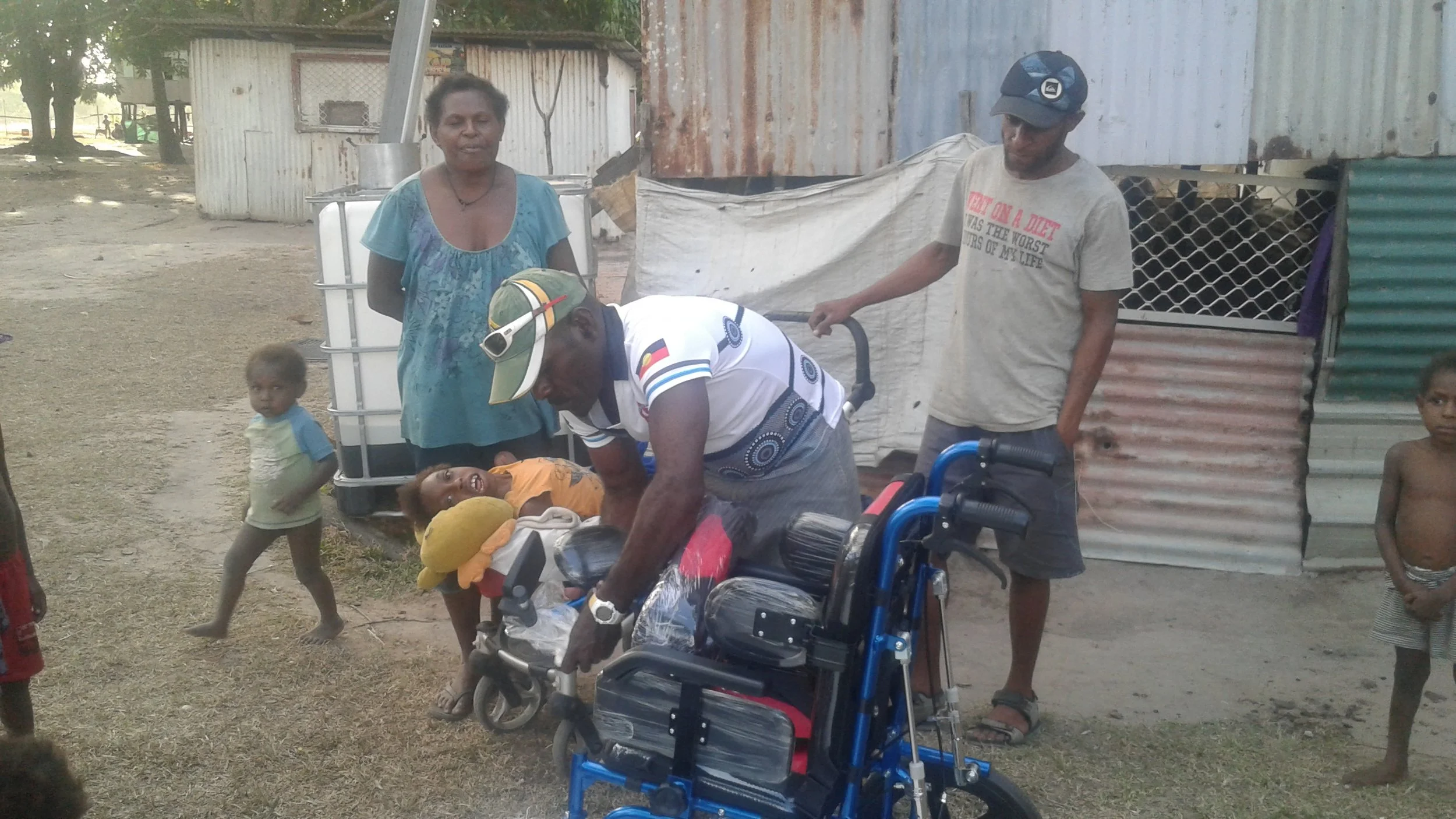
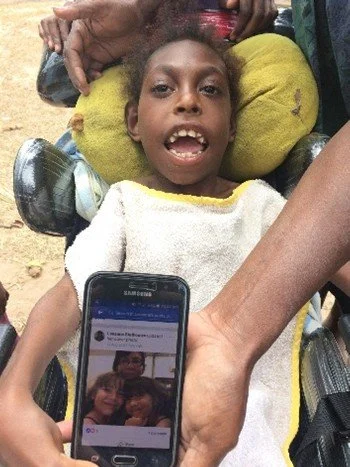
Gilbert's life, however, has been far from easy. With a body that won’t allow him to walk or move independently, he spends his days in either a pram that is far too small for him or in a wheelbarrow. His mother, with deep love and immense strength, struggles every day to meet his needs—bathing him, feeding him, and getting him from place to place. Gilbert often experiences intense pain, his body stiffening and causing him to cry for long periods, leaving both him and his family physically and emotionally exhausted.
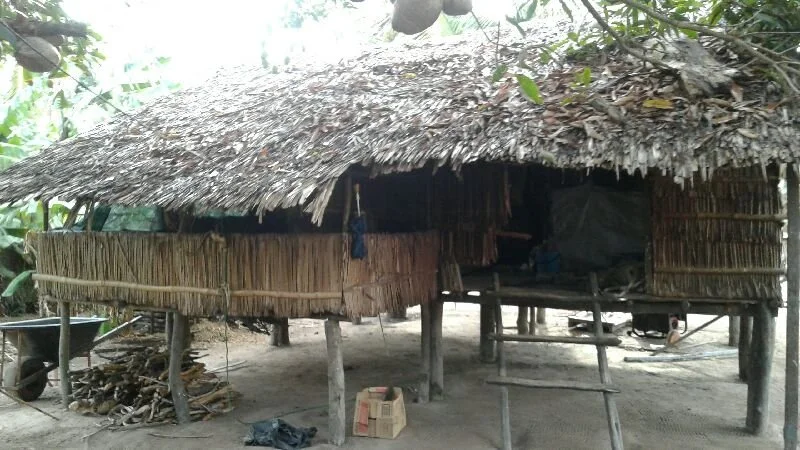
Gilbert’s story is one of resilience, but it’s also one of overwhelming need. His family lives in a modest home with 15 people, and they struggle to provide for all of their children, particularly Gilbert. Every day is a challenge, and while Gilbert’s parents give their all to care for him, the reality is that they lack the resources to make his life any easier.
A Moment of Hope and Joy
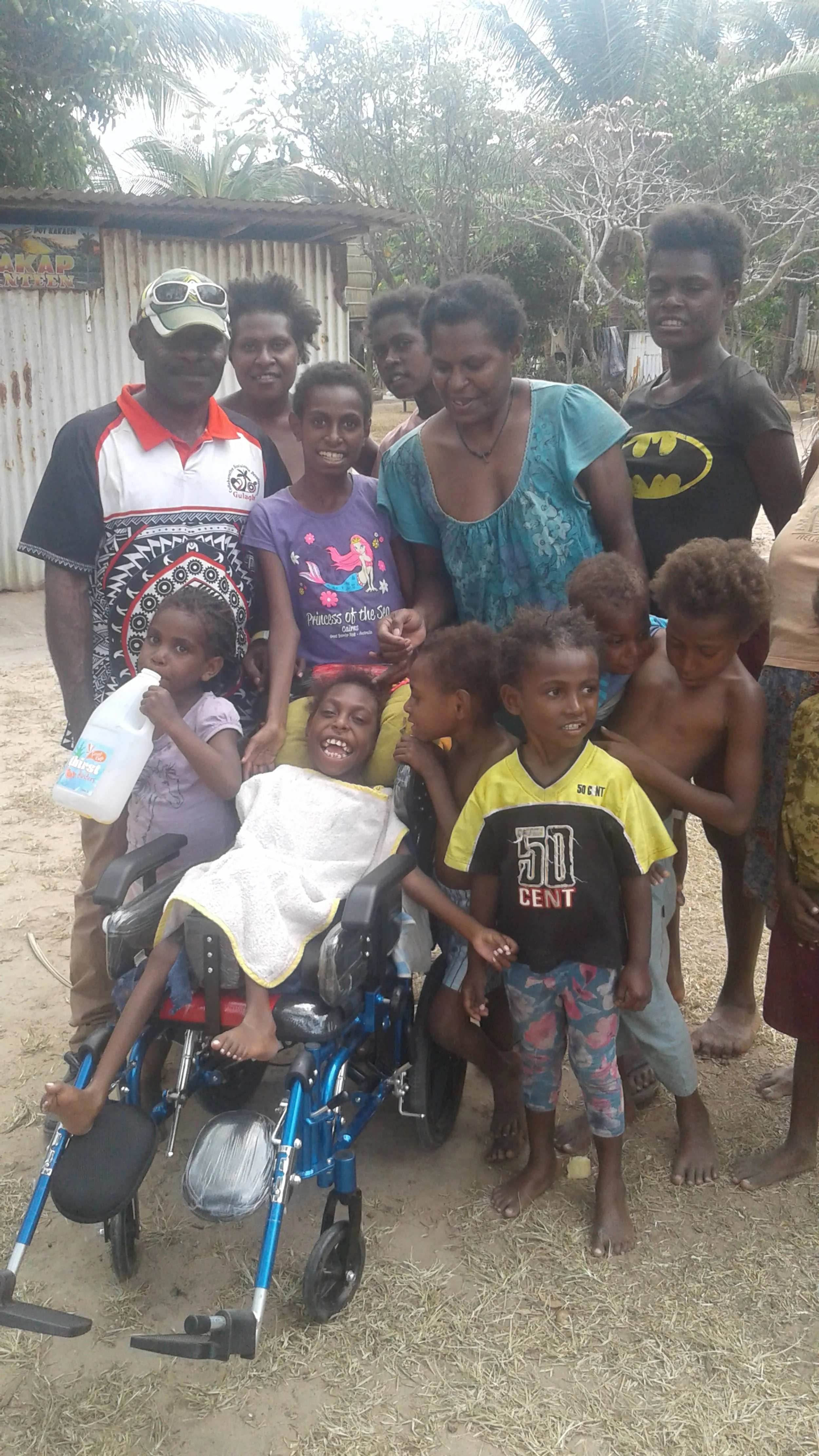
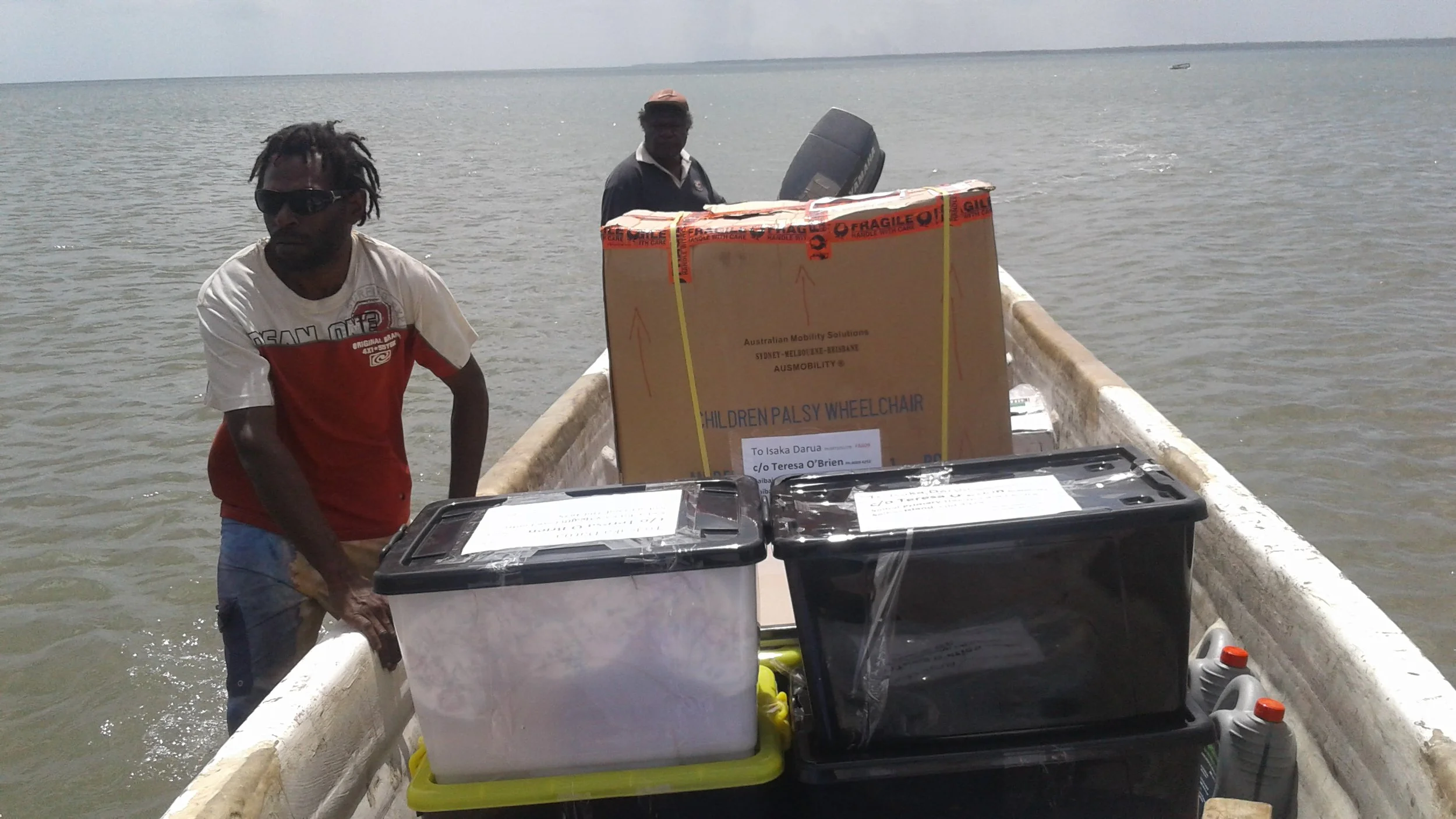
We were absolutely delighted and very emotional when a kind and generous mother Leeanne saw one of our posts and took the time to research the best wheelchair options suited for the conditions of the village. After carefully considering what would be most beneficial for Gilbert, she and her family purchased and donated this wheelchair. The joy on Gilbert’s face when he received it was truly priceless, and it was a moment of hope for him and his family. This wheelchair has already made a huge difference in his life, allowing him to move more comfortably and independently, and for that, we are incredibly grateful.
How You Can Make a Difference
While the wheelchair was a wonderful step forward, there is still much more that Gilbert and his family need to improve their daily lives. With your support, we can provide:
Large cloth nappies to assist with his personal care and hygiene.
A mosquito net to protect him from dangerous diseases.
Roofing material to help improve their home.
Plumbing to collect water and alleviate the burden of hauling it from wells.
Access to medical advice and treatments to manage his disability and the pain he endures.
Gilbert’s story is just one example of the many families in the Western Province of PNG who face tremendous challenges. But with your help, we can make a tangible difference. Your donation will not only provide the essential supplies Gilbert needs but also offer hope and a brighter future for him and his family. Together, we can ease their burdens and give them the chance they deserve for a better life.
Providing clean drinking water
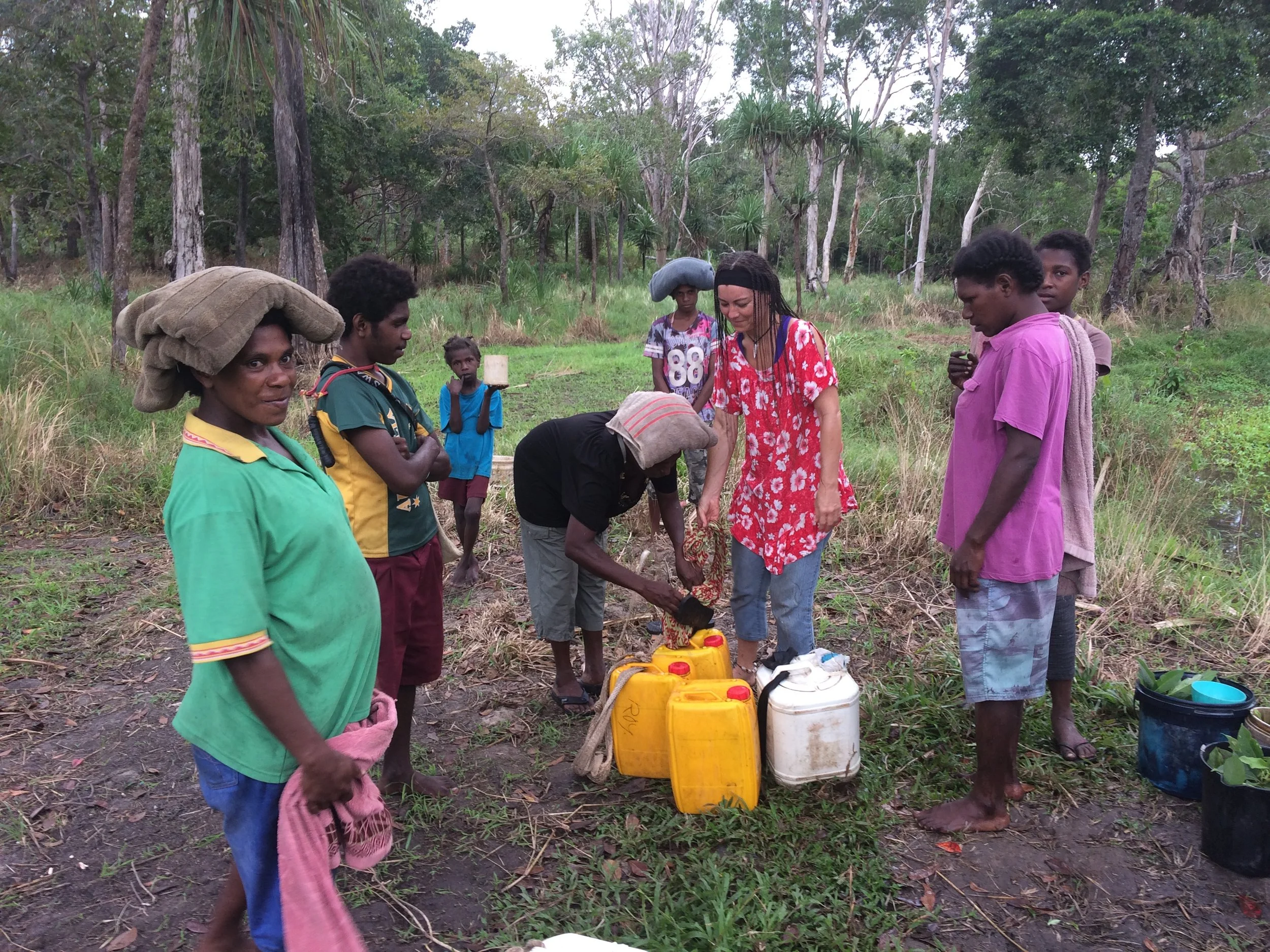
Access to clean drinking water is a fundamental need, yet for many families in the Western Province of Papua New Guinea, it remains a daily struggle. To address this, we started a project focused on helping the most vulnerable families, including the elderly and those with a member who has a disability, by improving their ability to collect water more easily.
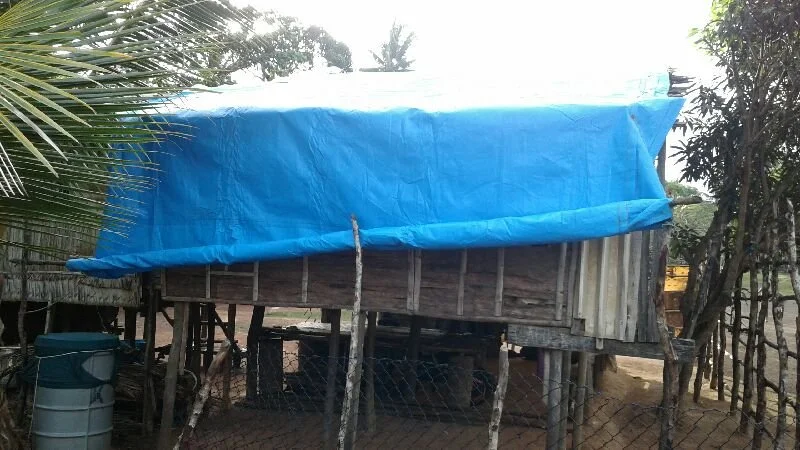
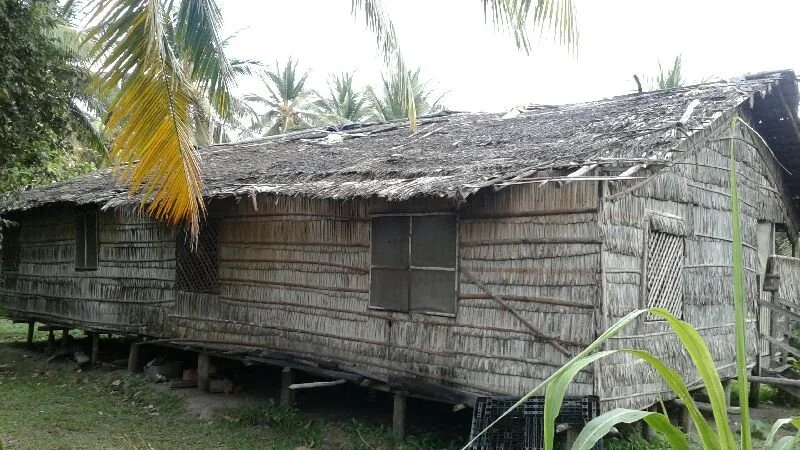
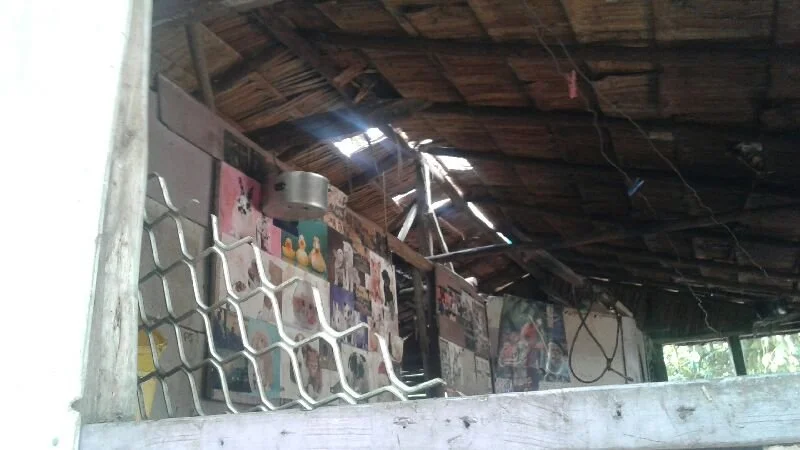
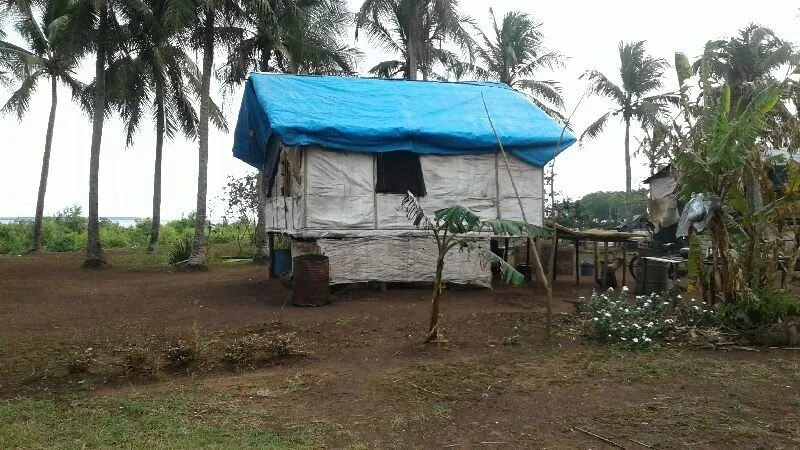
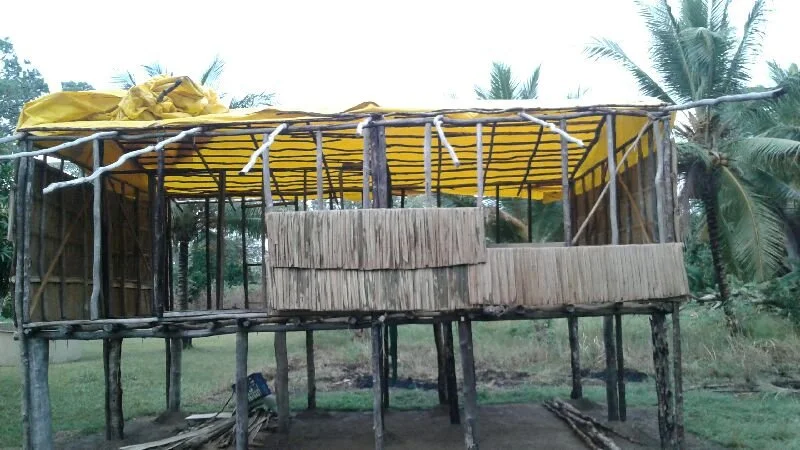
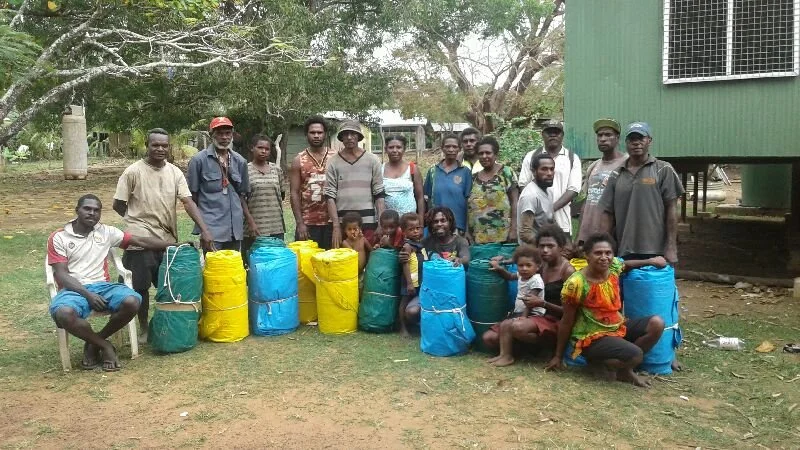
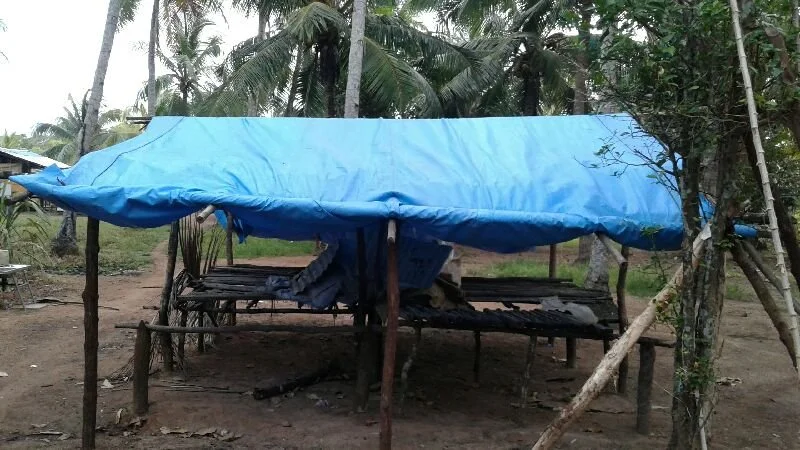
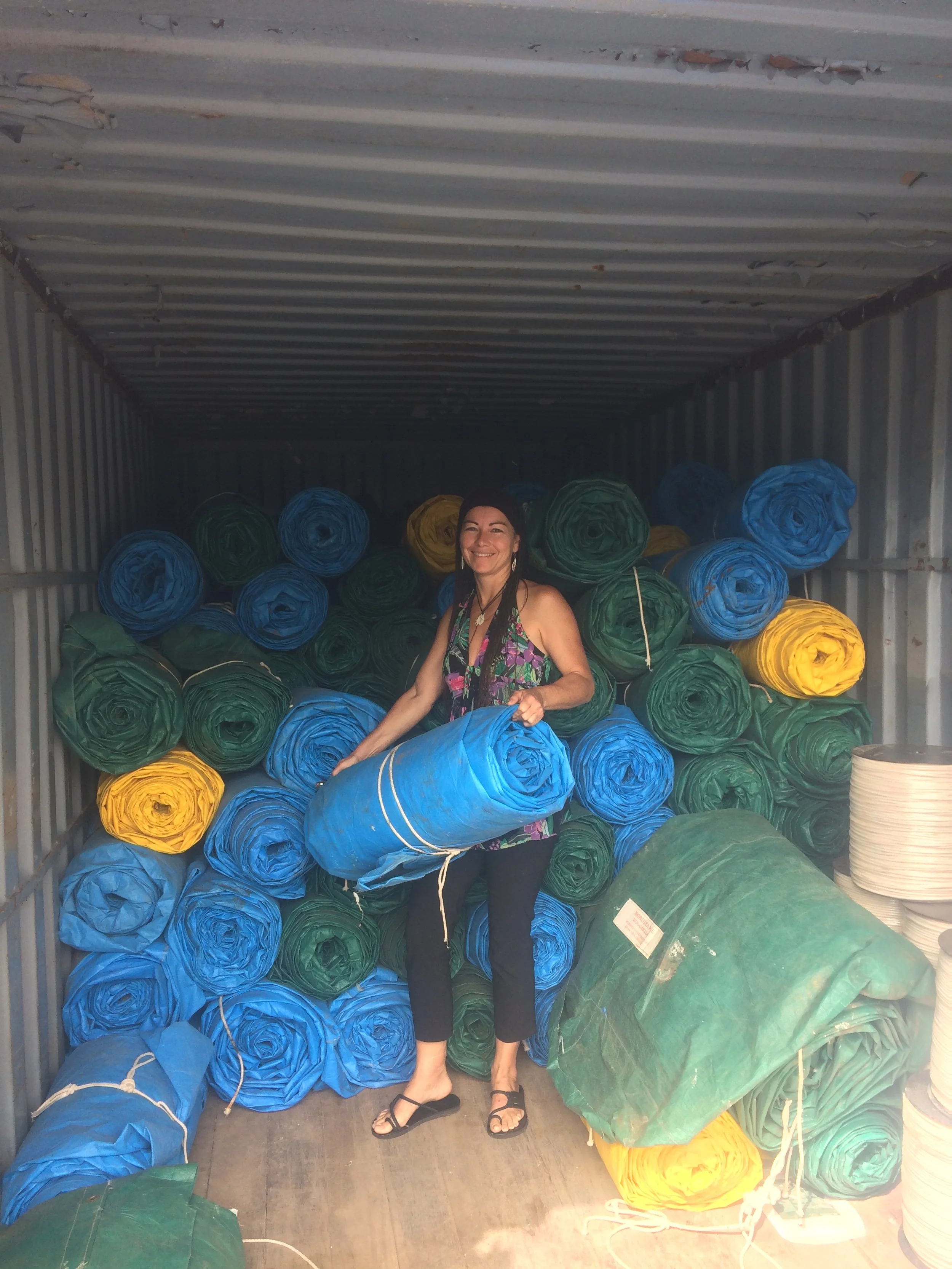
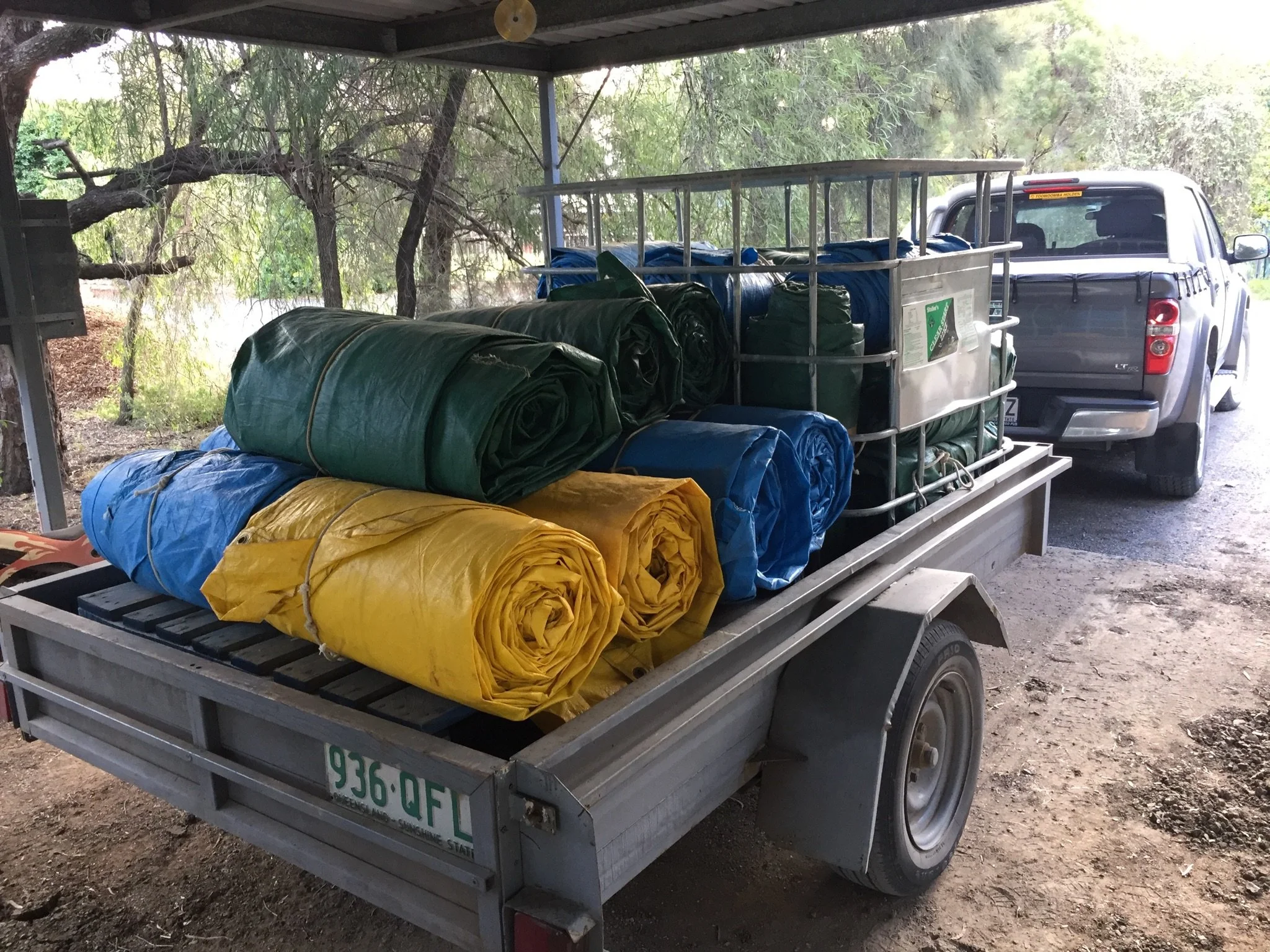
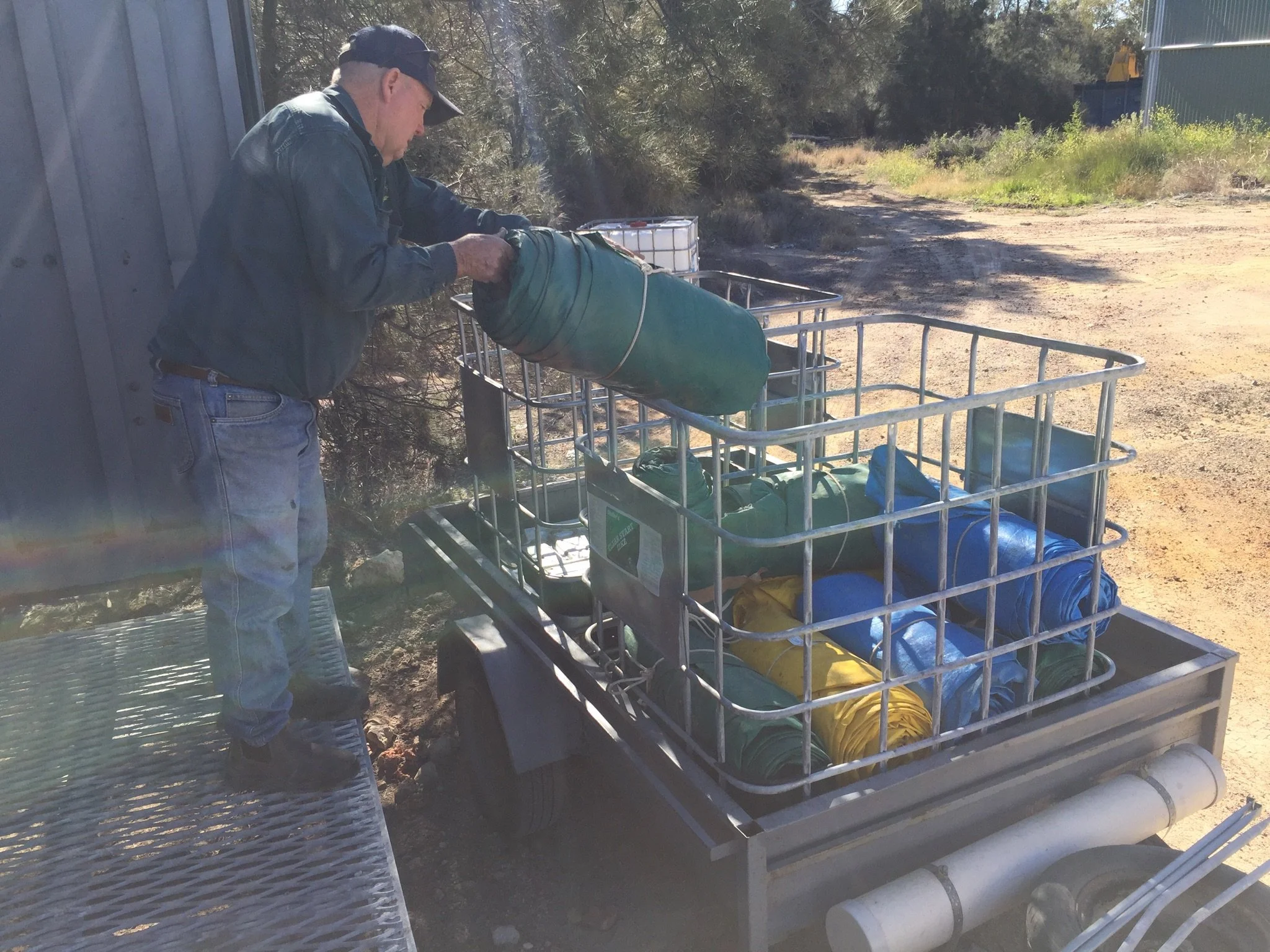
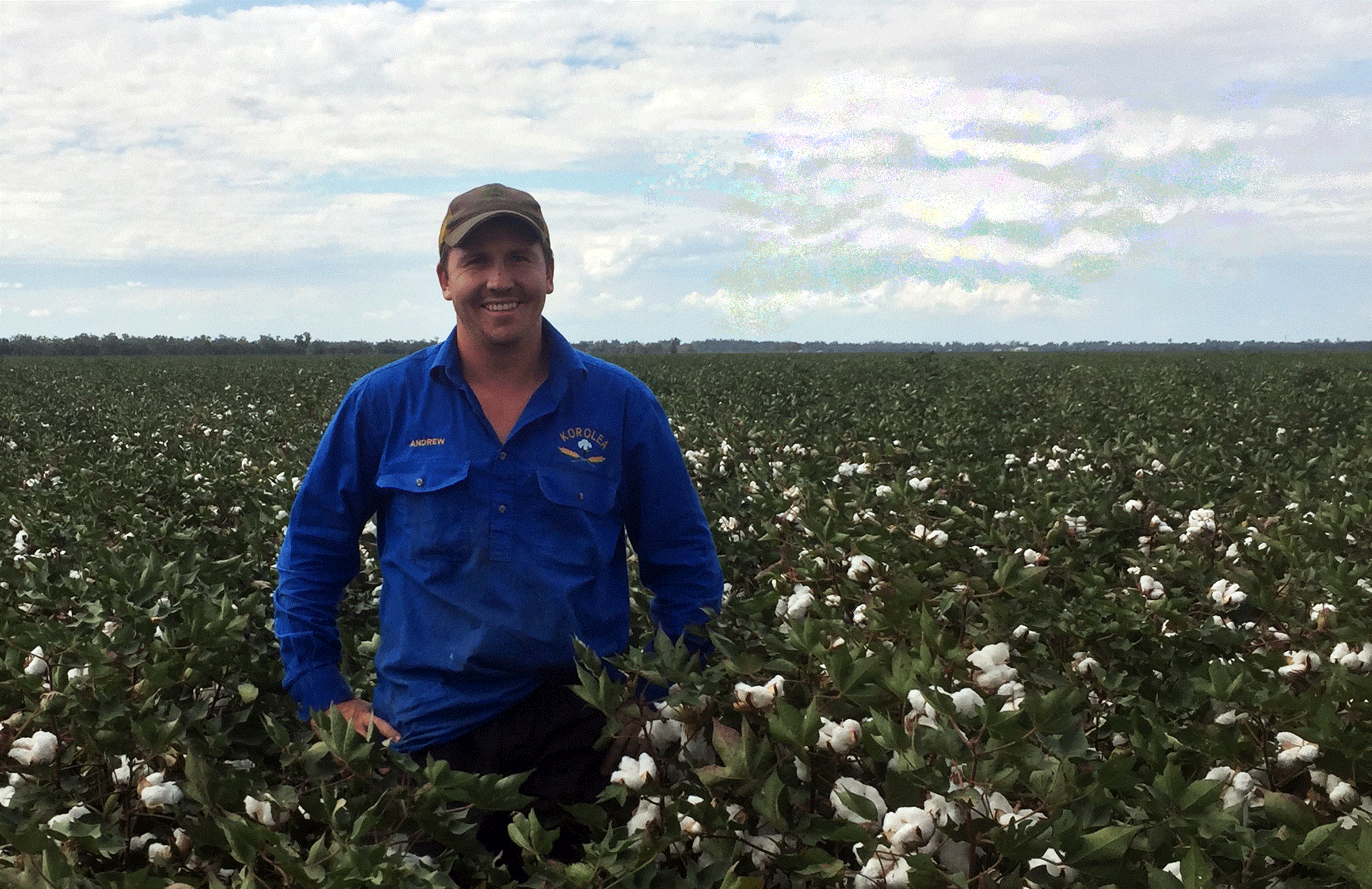
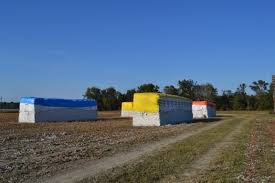
Through the incredible generosity of people like you, we were able to embark on a project that would make a lasting difference in the lives of these families. One of the first steps was to distribute cotton tarps, which served a dual purpose. These tarps were essential for repairing the roofs of homes that had been damaged by the harsh weather and also played a vital role in collecting fresh rainwater for drinking and daily use.
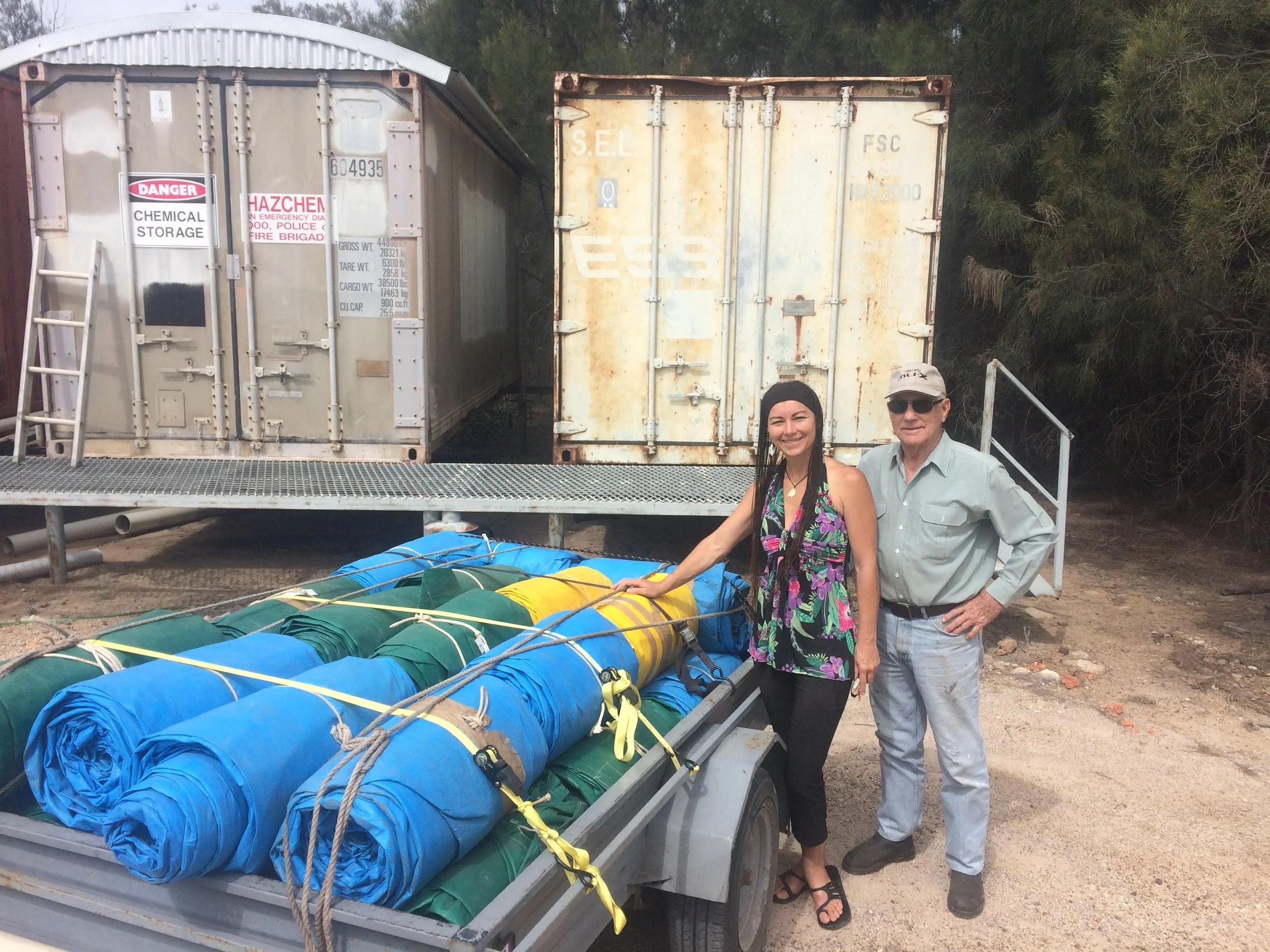
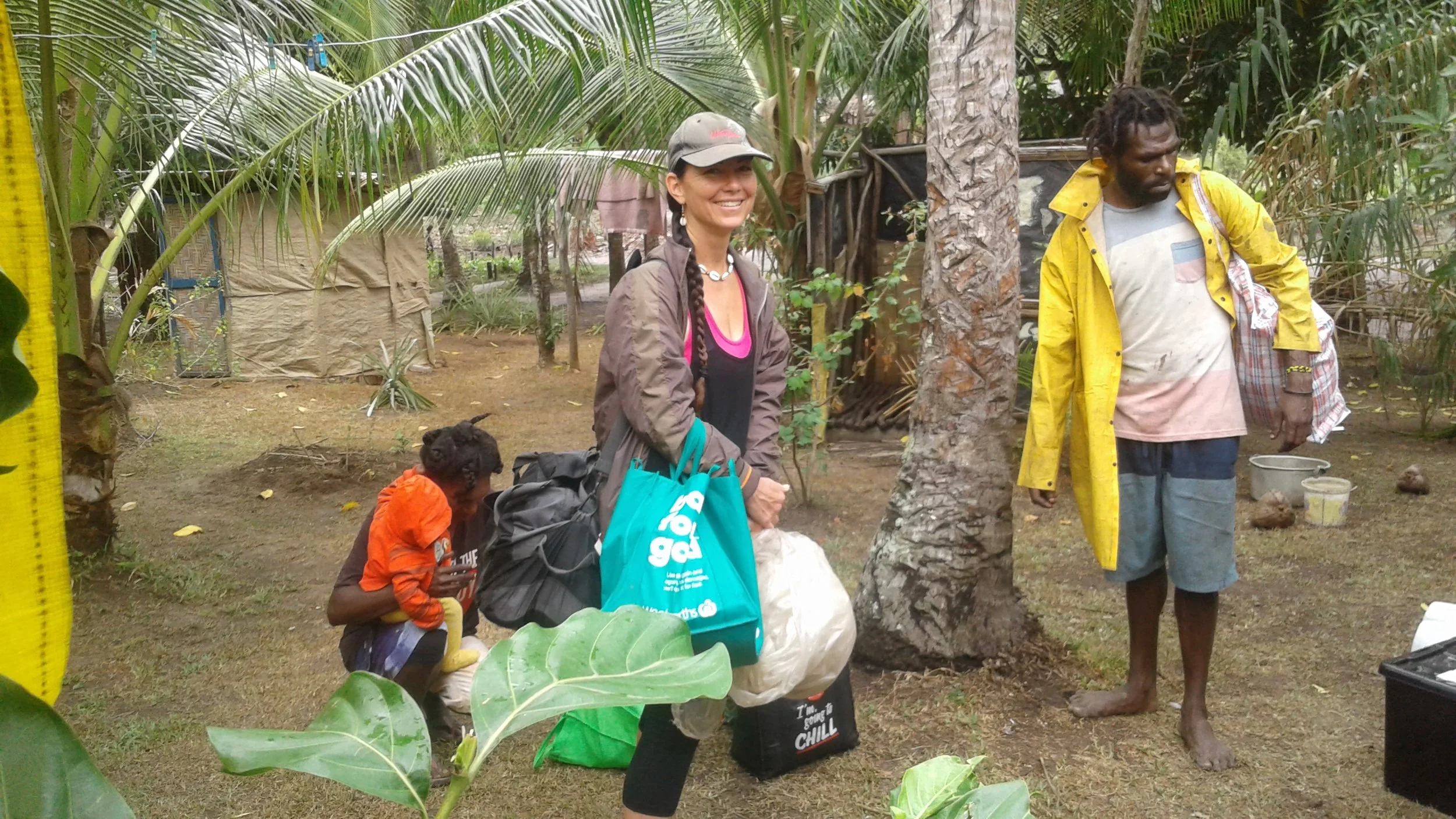
The journey of these tarps began when they were generously donated by Korolea farm and transported from New South Wales to Papua New Guinea with the support of Tom & Marilyn Kiston and businesses such as Sea Swift. Once in PNG, these tarps were distributed to remote villages in the Western Province, where the community came together to put them to good use.
The effectiveness of working together and the impact of recycling and repurposing materials were evident in the way these tarps were used. Not only did they help repair roofs, but they also provided a means for collecting fresh rainwater, which greatly improved hygiene and living conditions for the families who needed it the most.
Thanks to the kindness and generosity of everyone involved, including donors, businesses, and supporters, we were able to provide a simple yet life-changing solution for families in need.
Improving health one drop at a time
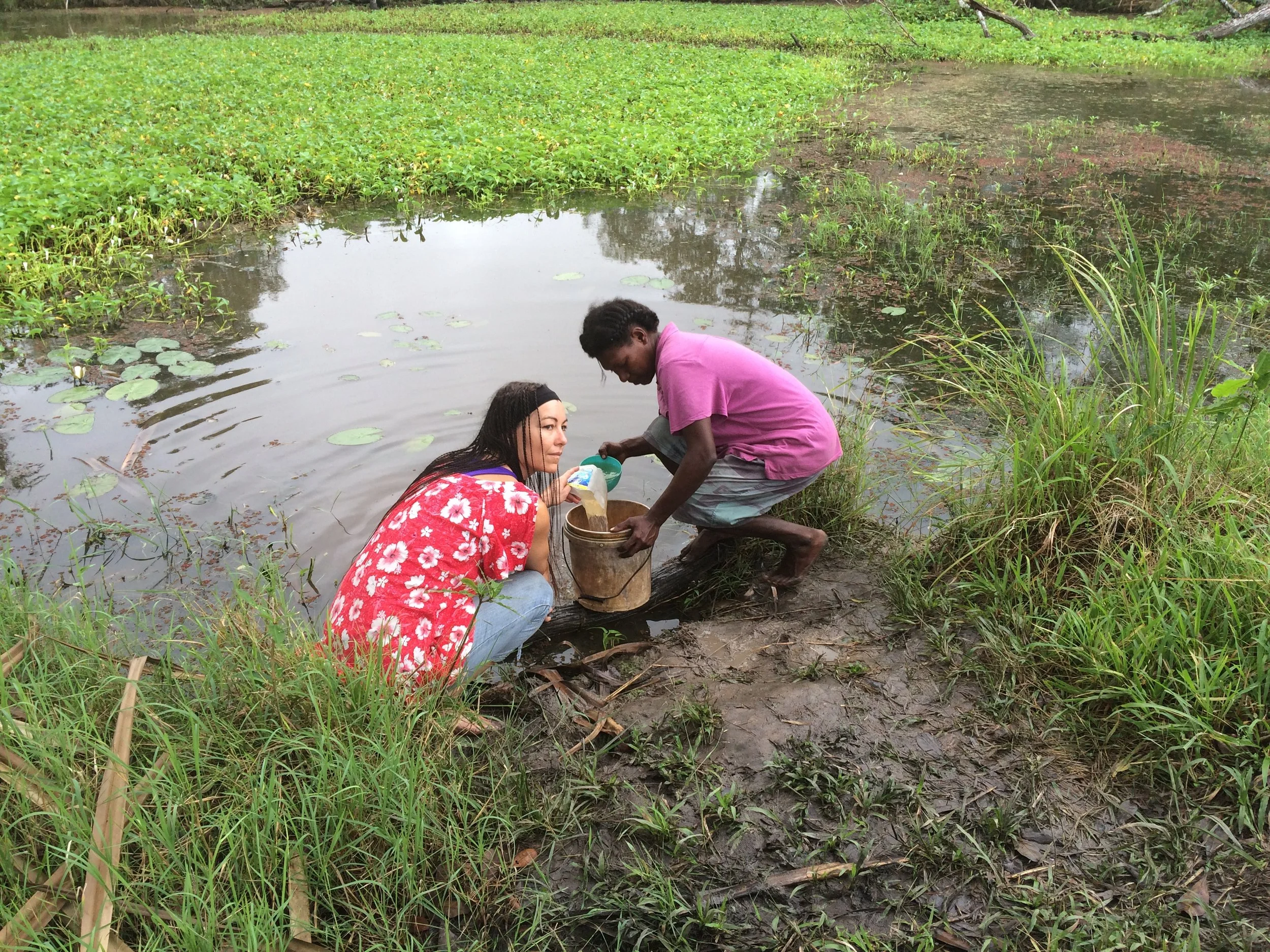
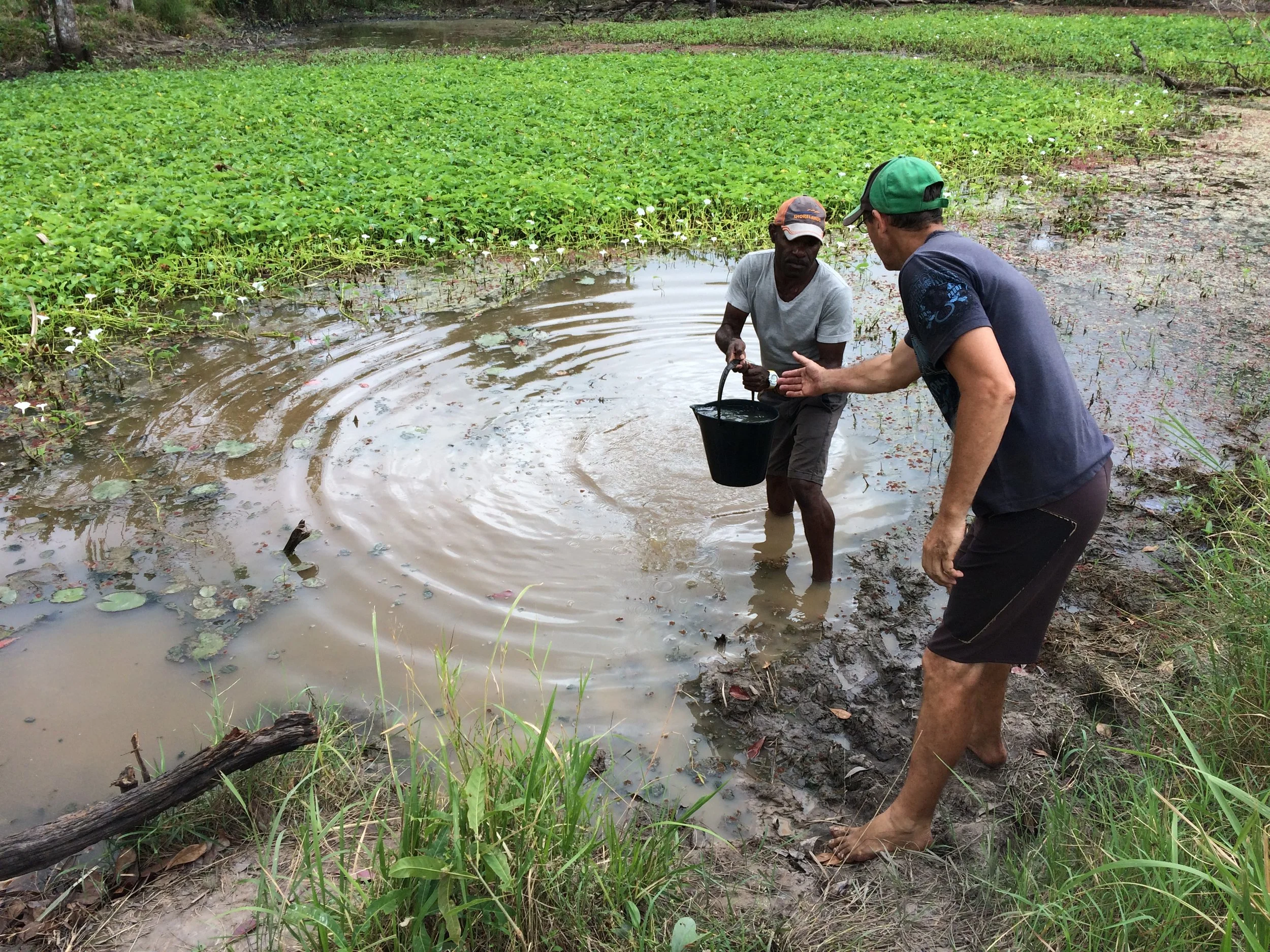
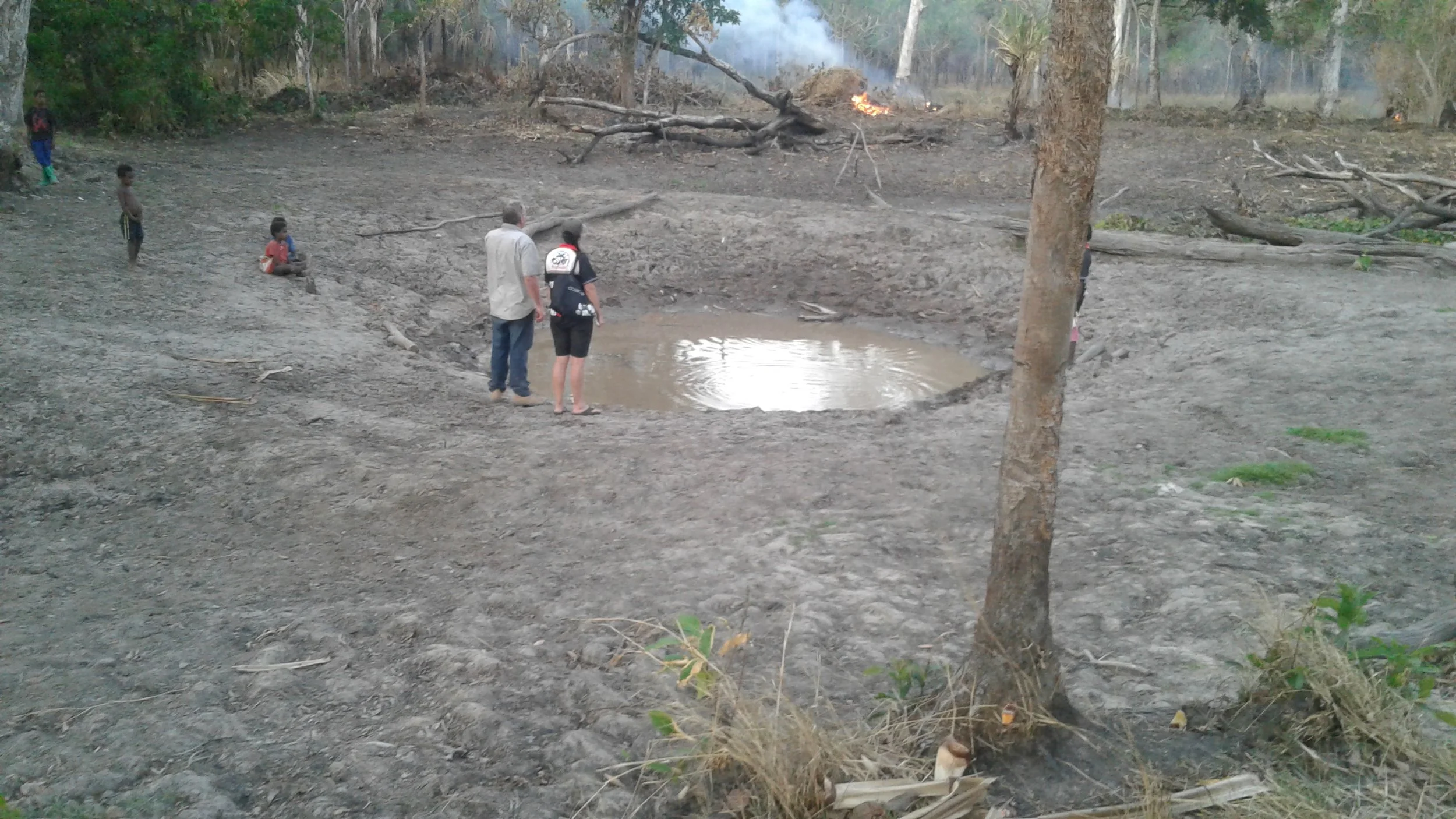
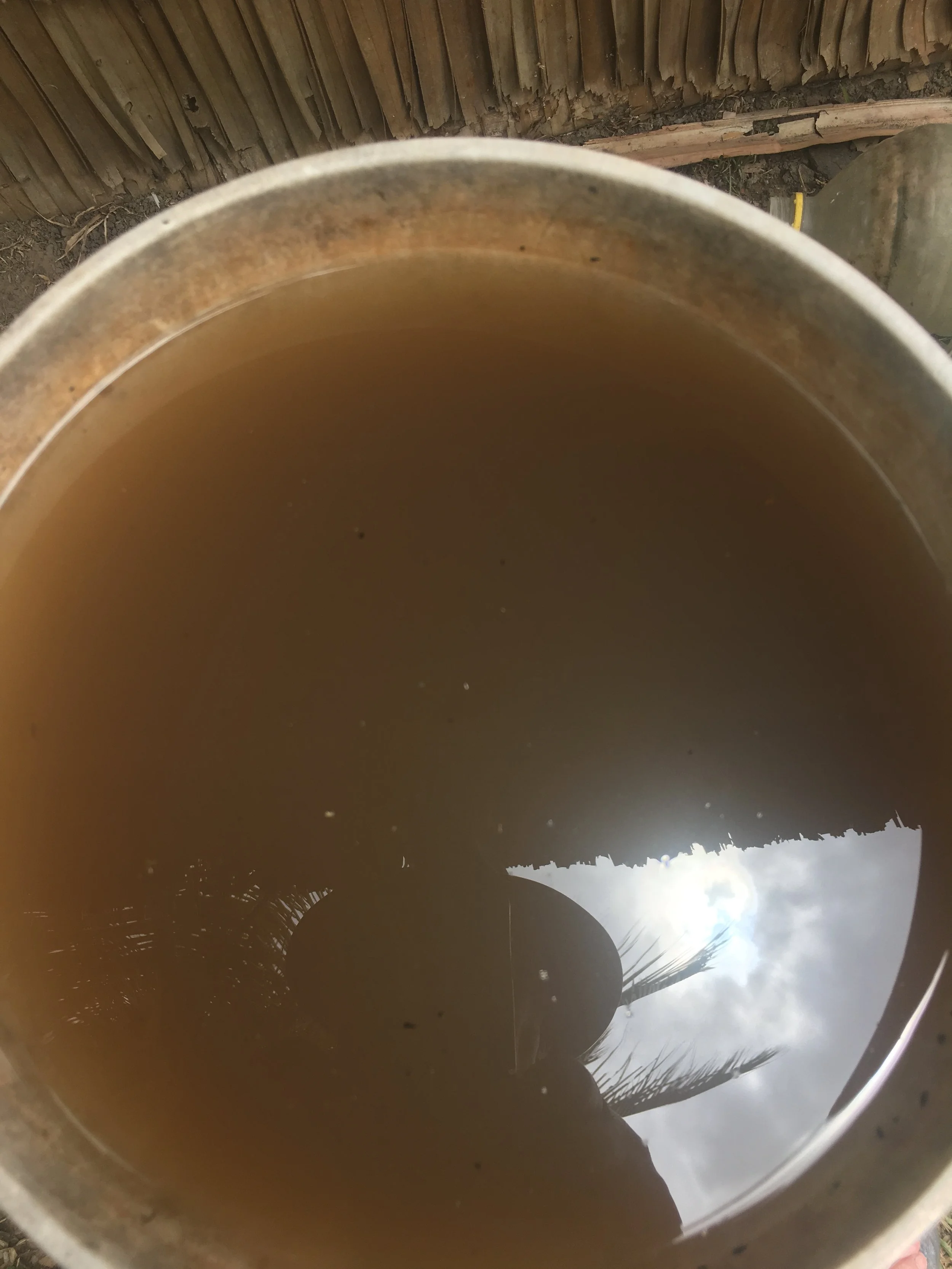
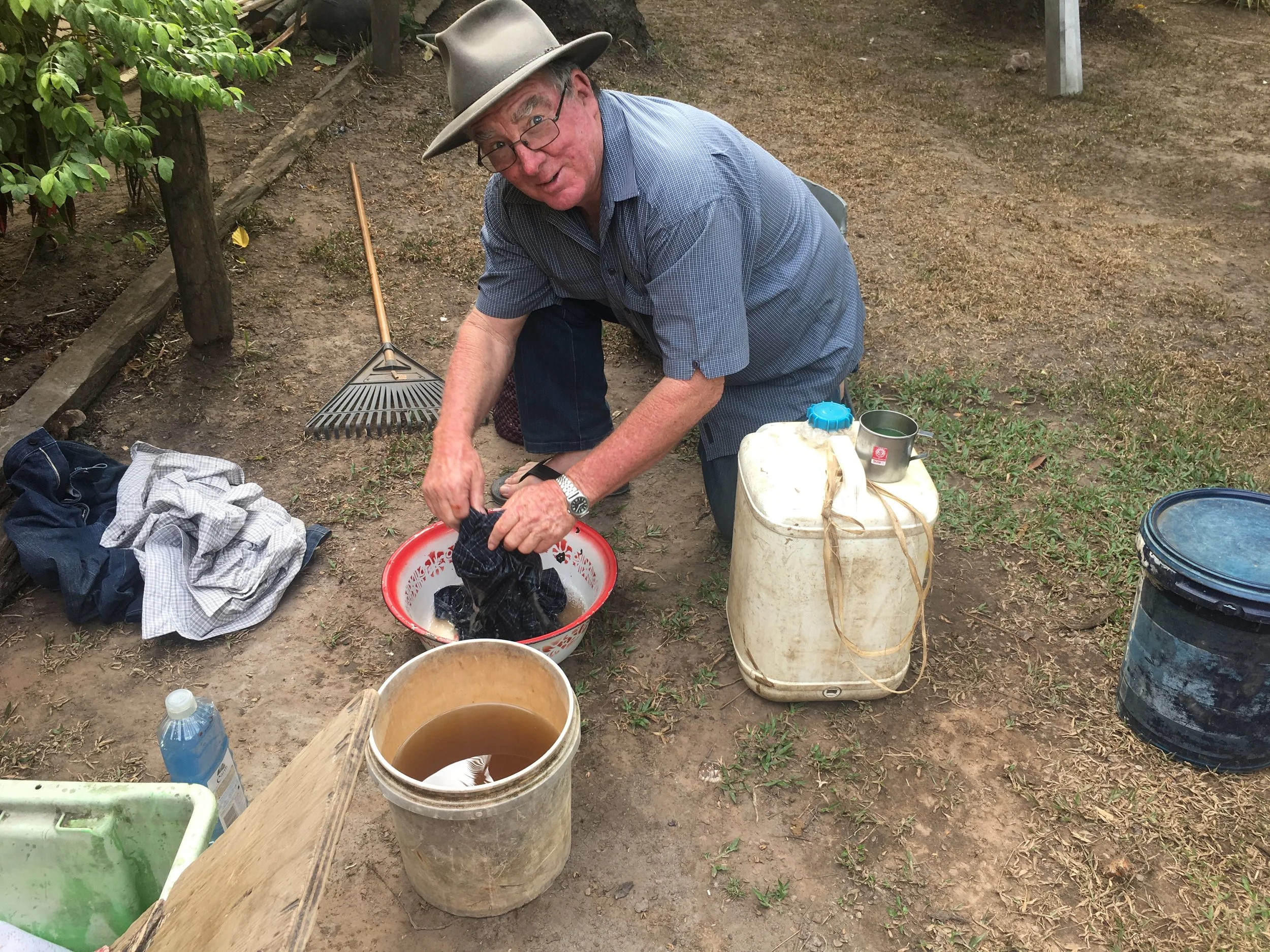
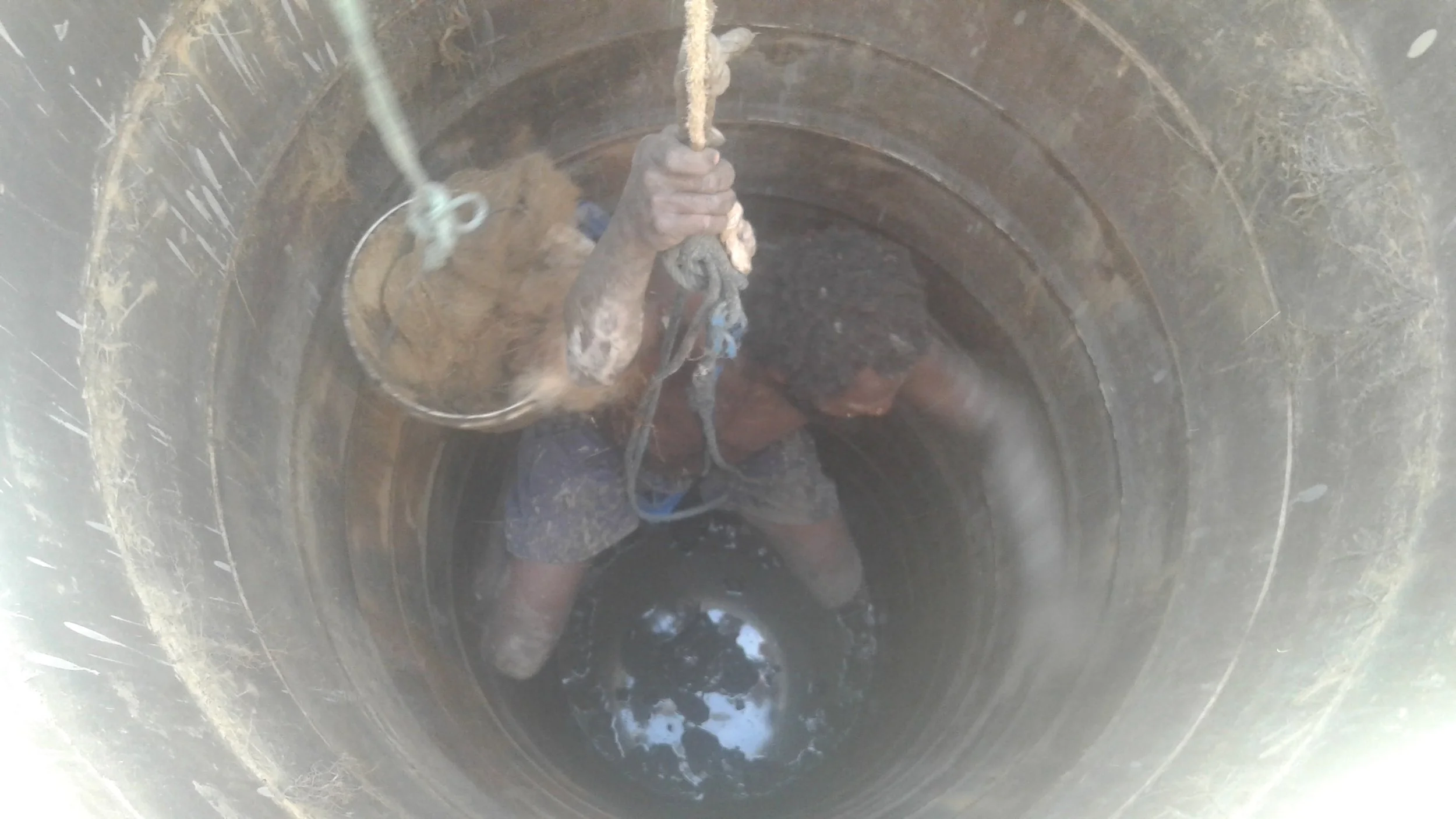
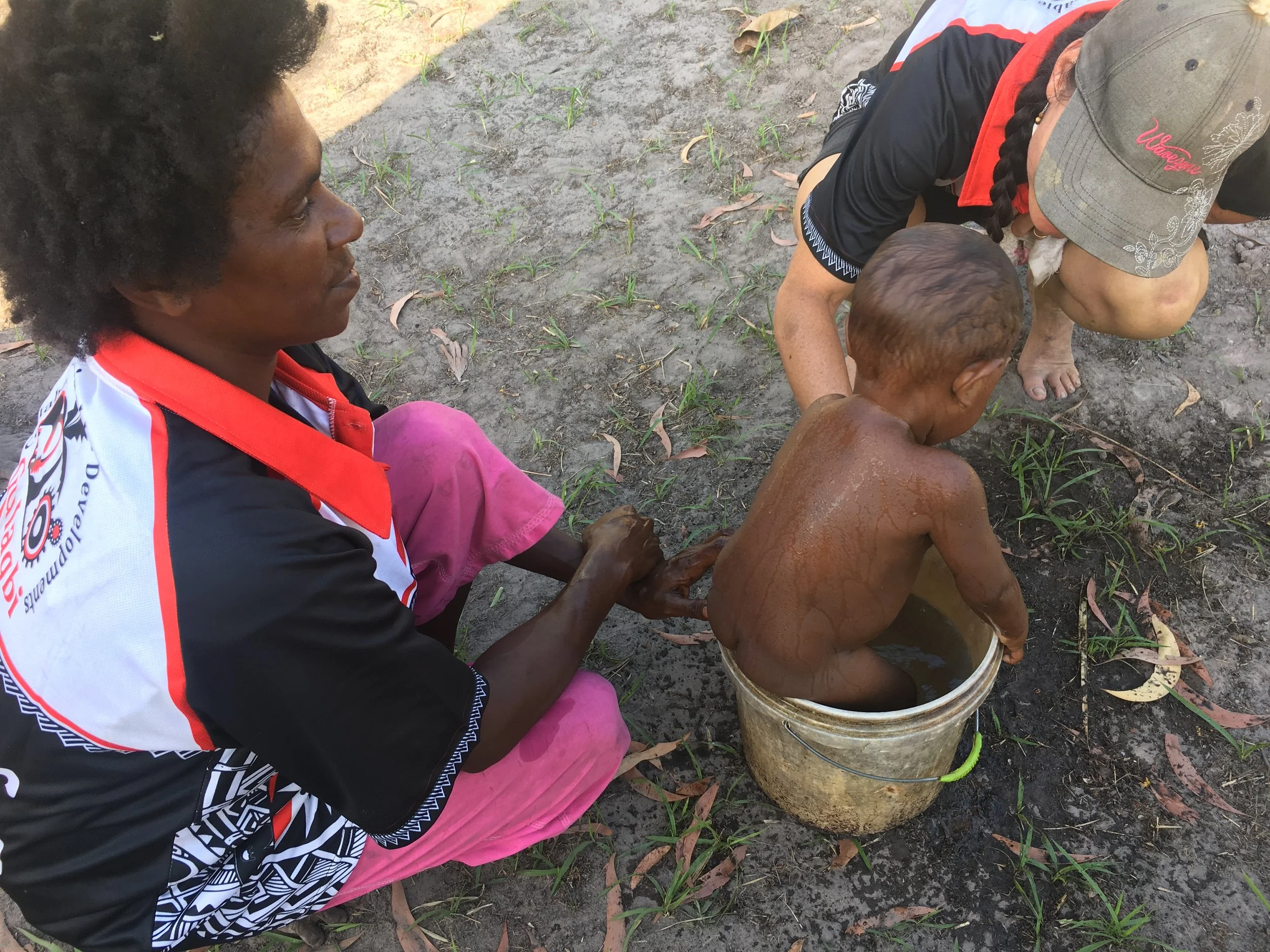
While completing our cotton tarp project to help the village collect rainwater, Justin and I witnessed firsthand the daily struggle for survival in Sigabaduru. Children, families, and the elderly risked illness and exhaustion just to access water—often sharing the same murky holes with wild pigs. It quickly became clear that clean drinking water was the most urgent need, and that our small cotton tarp project was just a first step. We documented these harsh realities, hoping to inspire support from the wider world—and knew we couldn’t wait any longer to act.
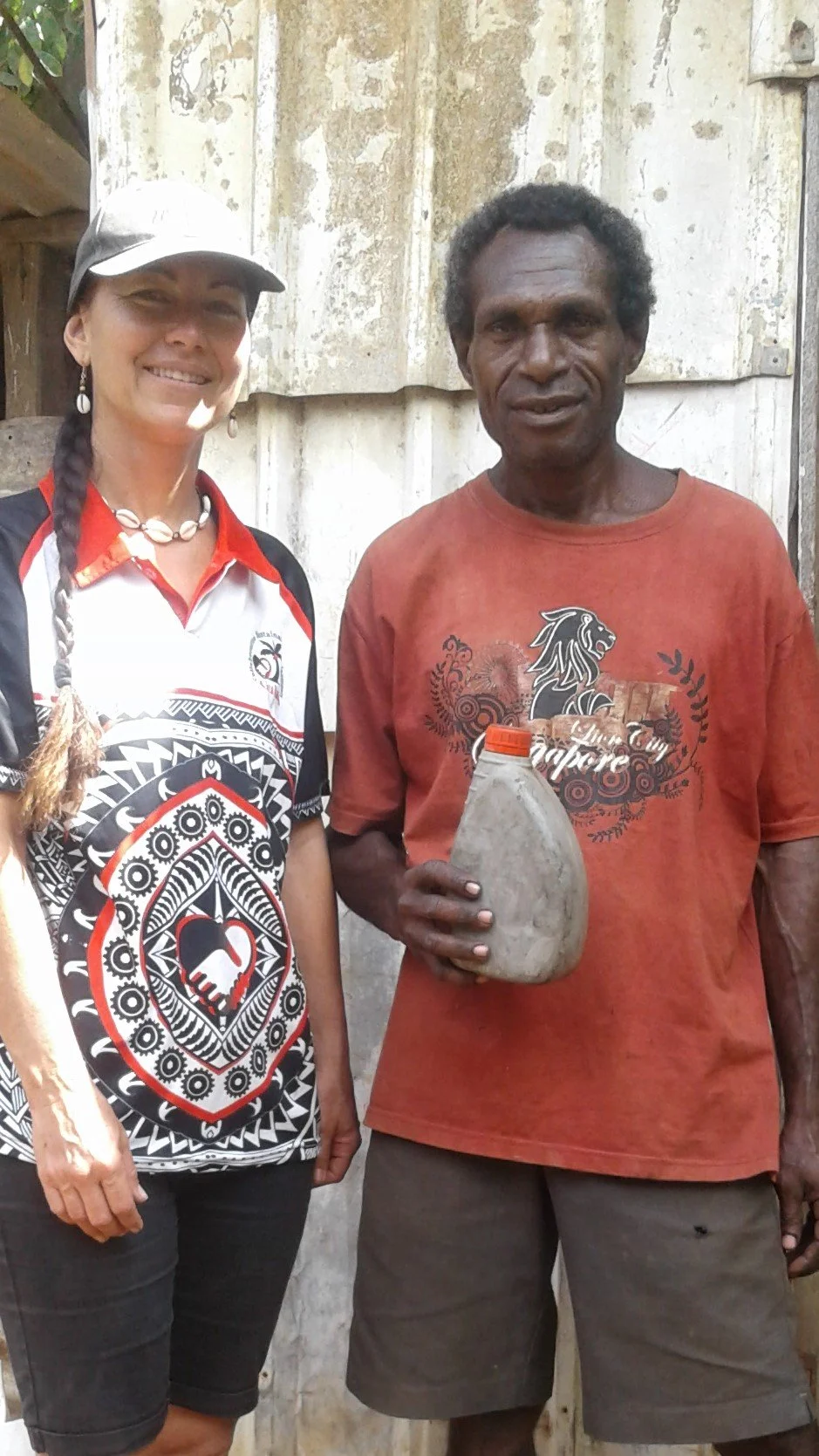
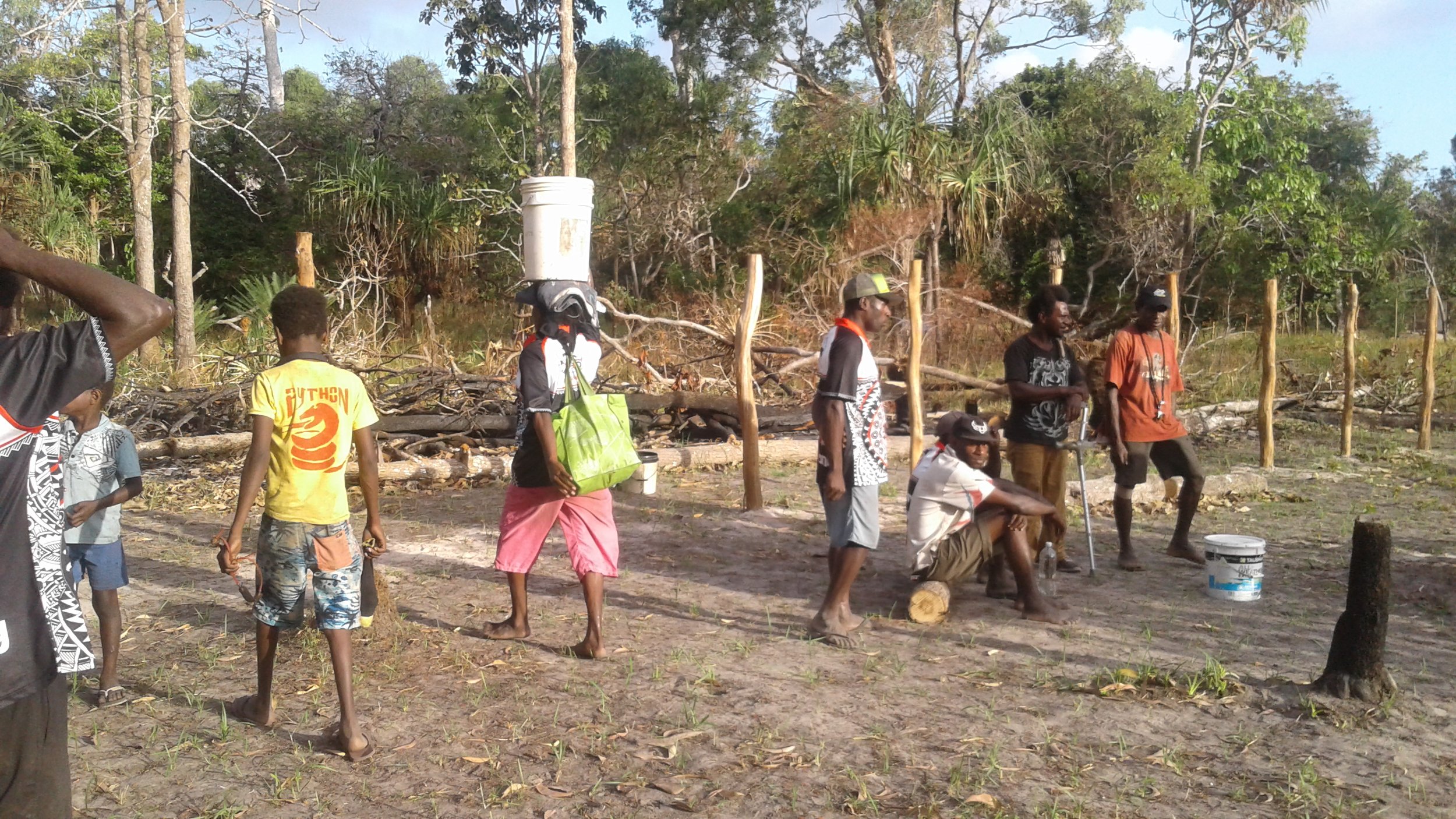
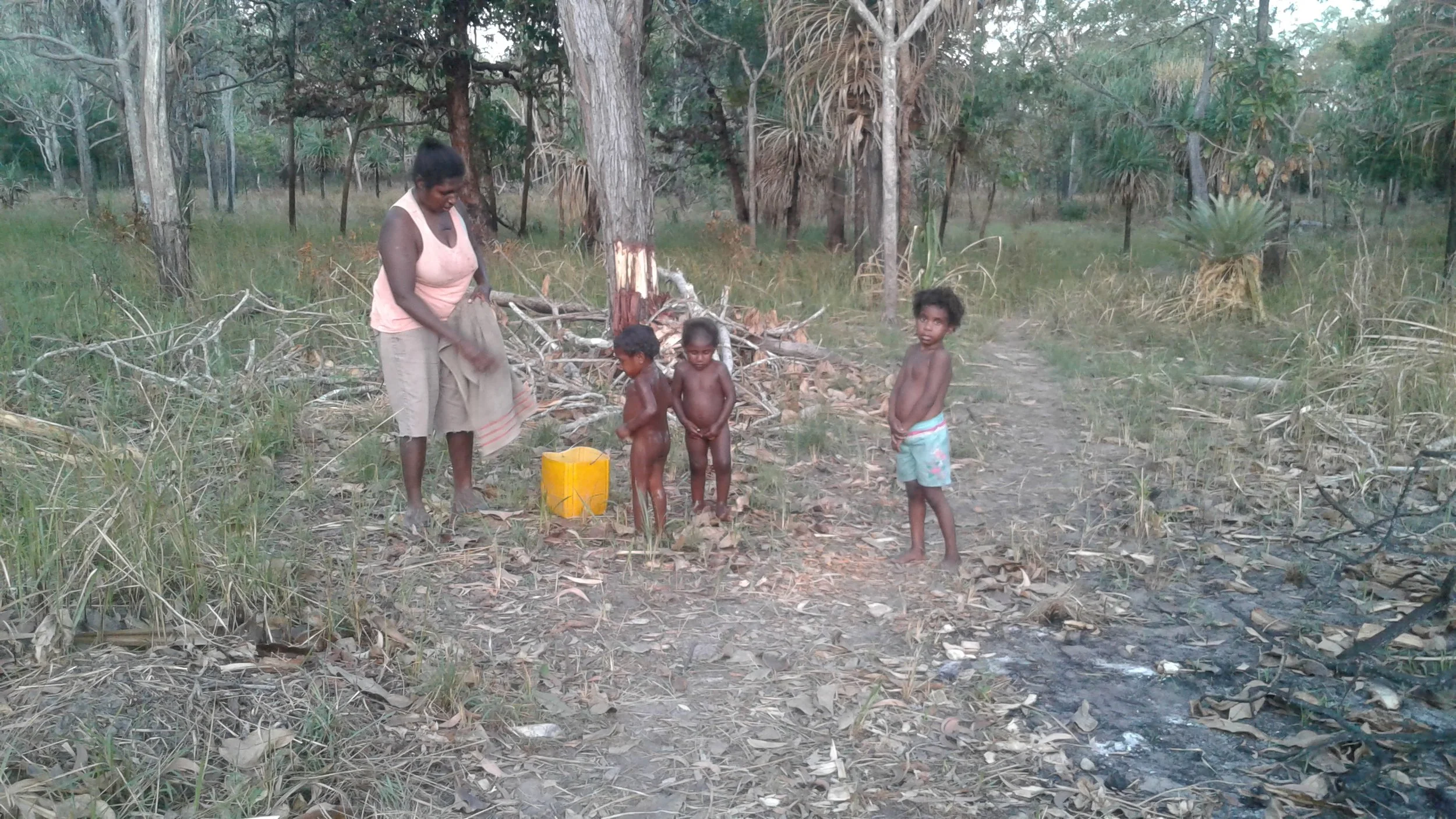
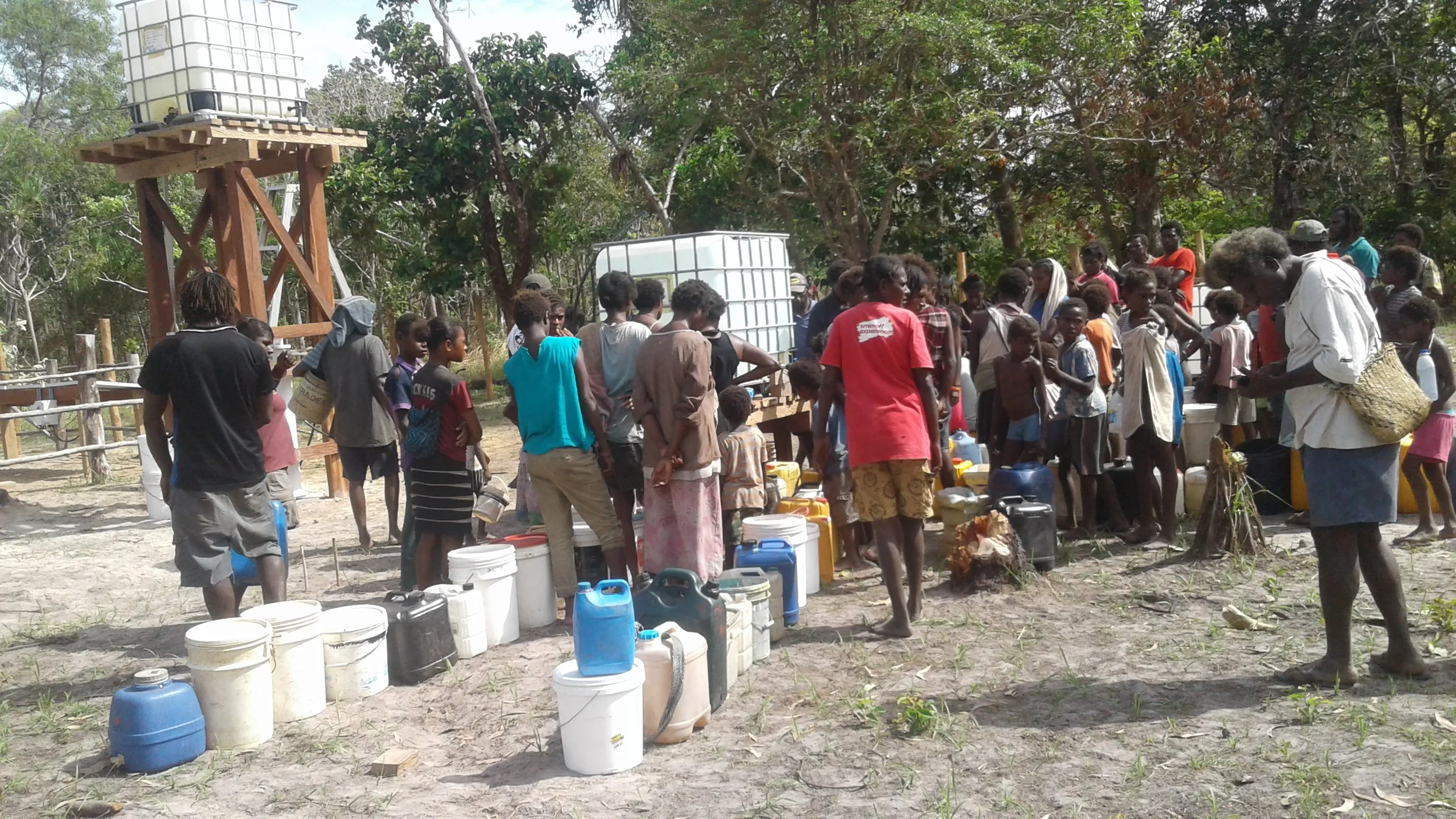
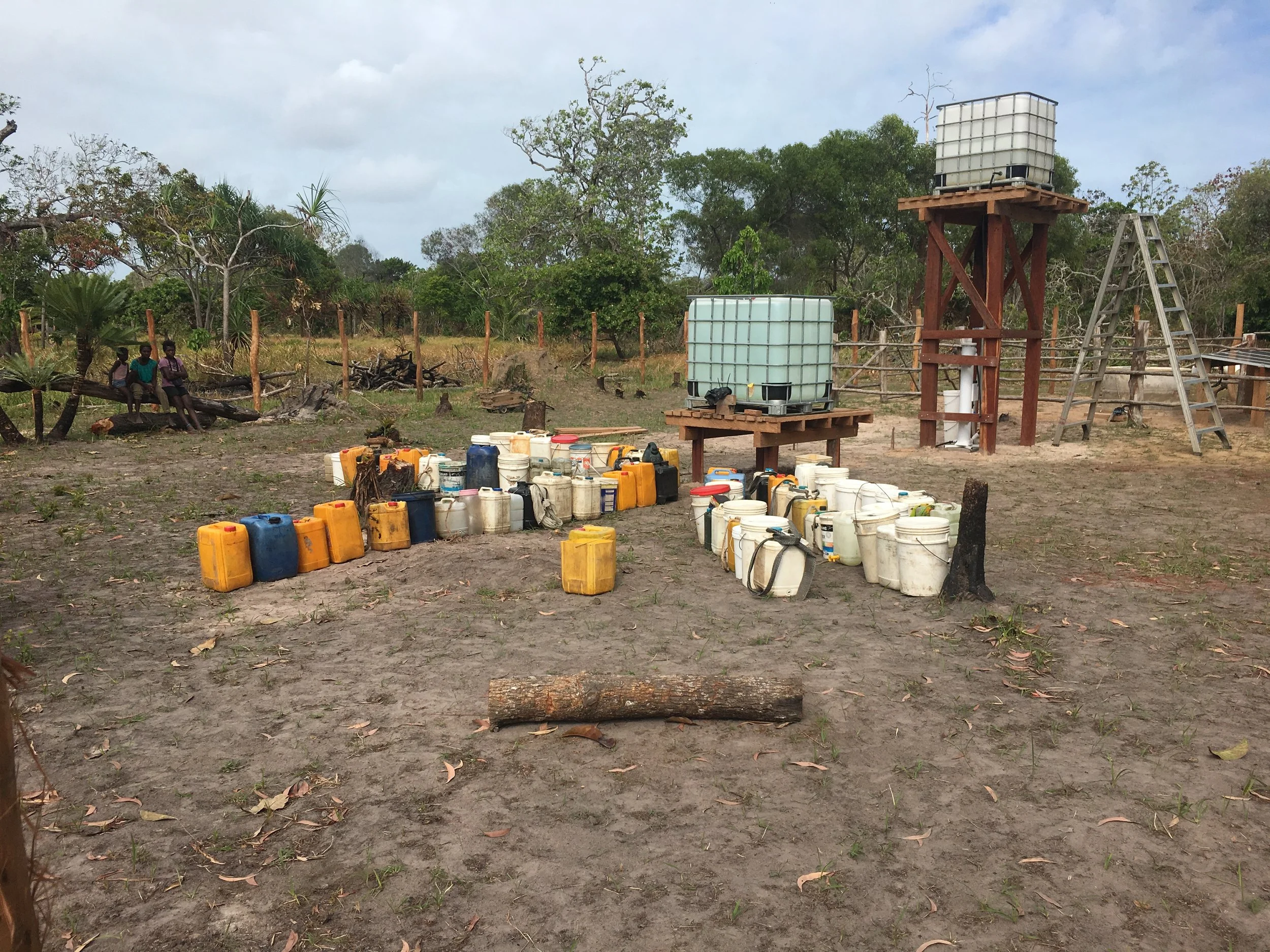
The village’s water sources were dangerous, scarce, and unhygienic. Villagers had to dig deep into drying holes or wait for hours as water slowly seeped in, lining up through the night just to fill a bucket of muddy liquid. The hot, humid conditions encouraged the rapid spread of bacteria, causing illnesses such as cholera, diarrhea, and dysentery. Washing in this contaminated water often led to infections, particularly for those with cuts or scratches. Many families were forced to leave their homes temporarily, searching for water in the bush just to survive.
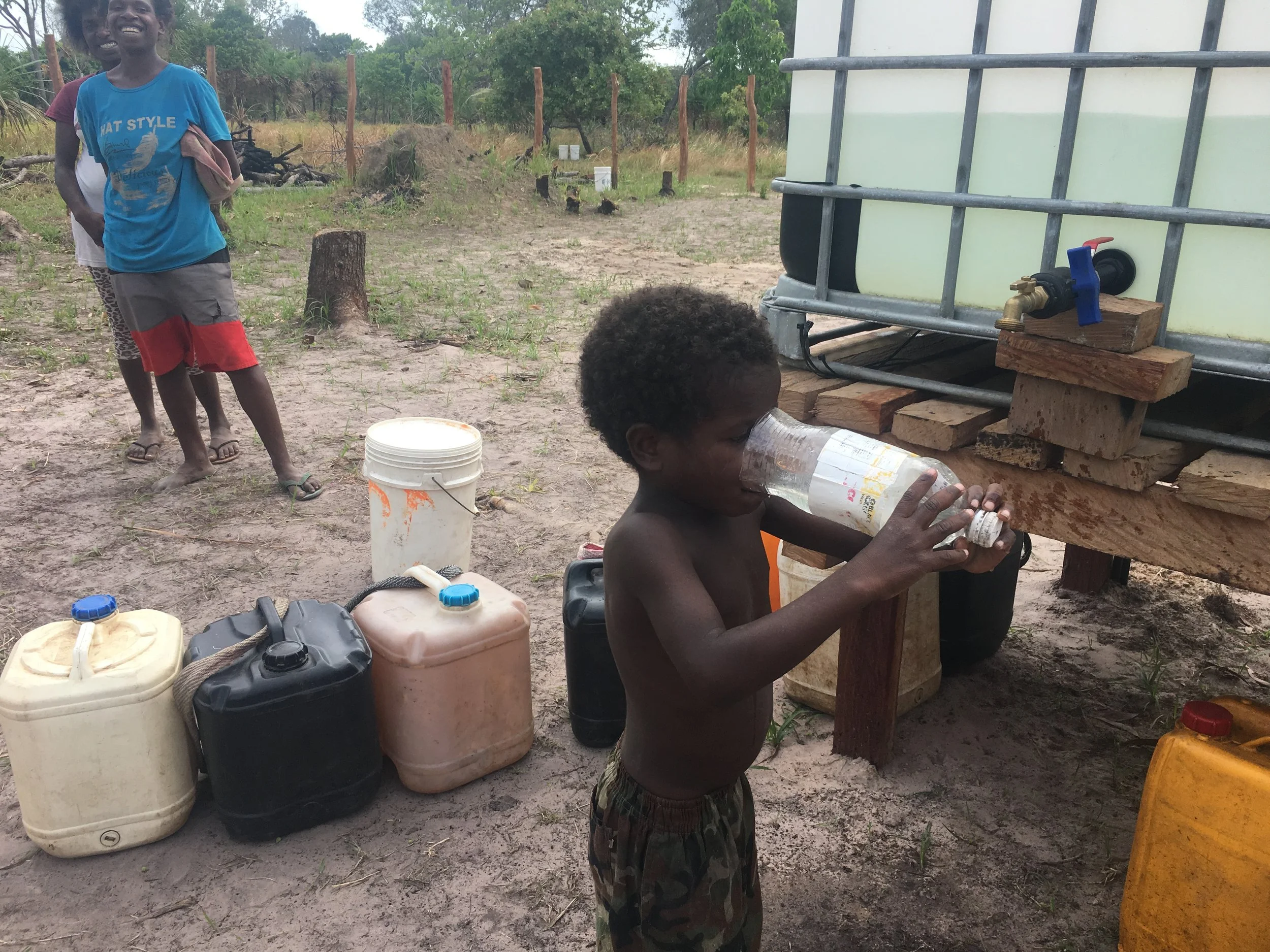
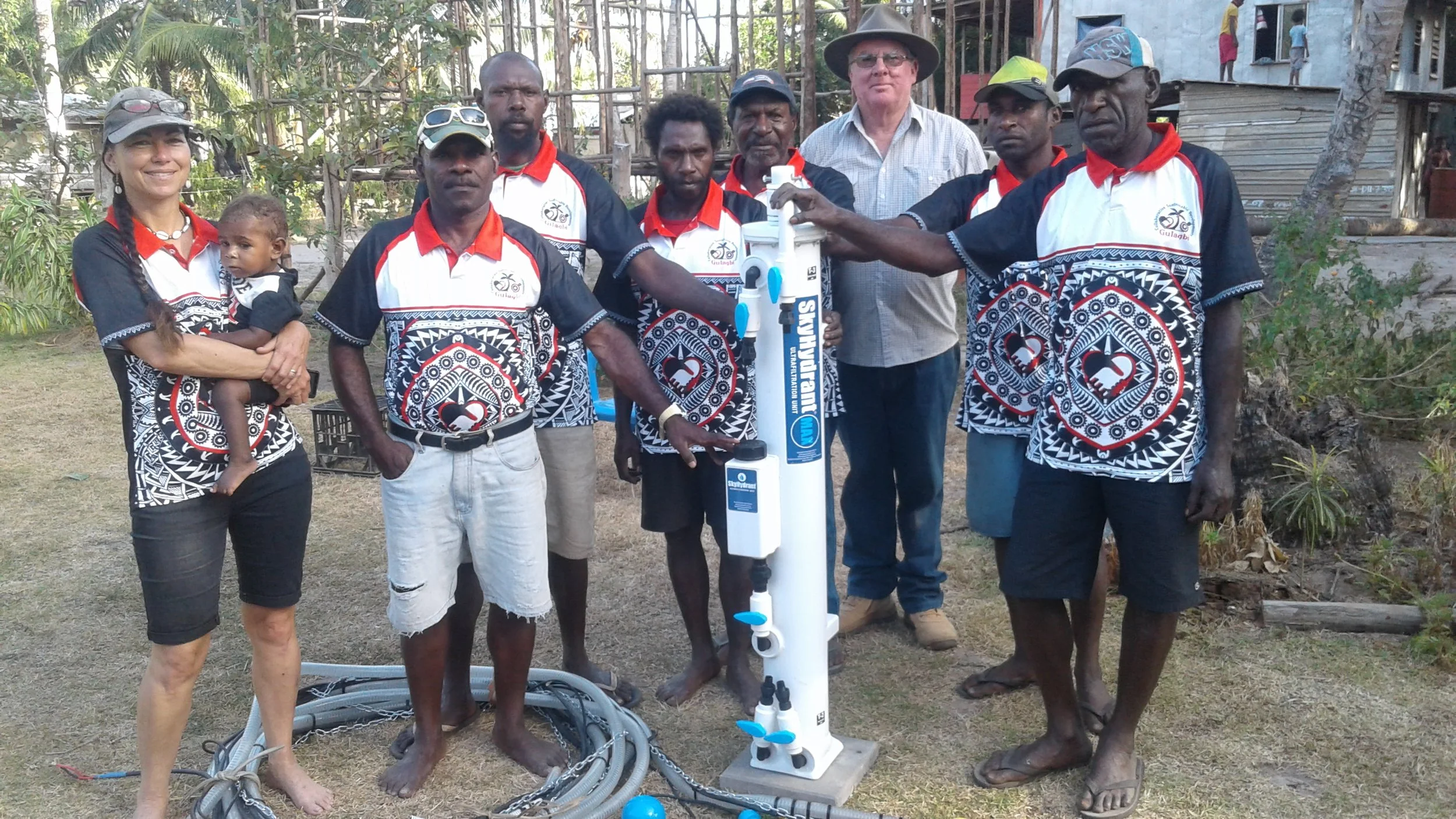
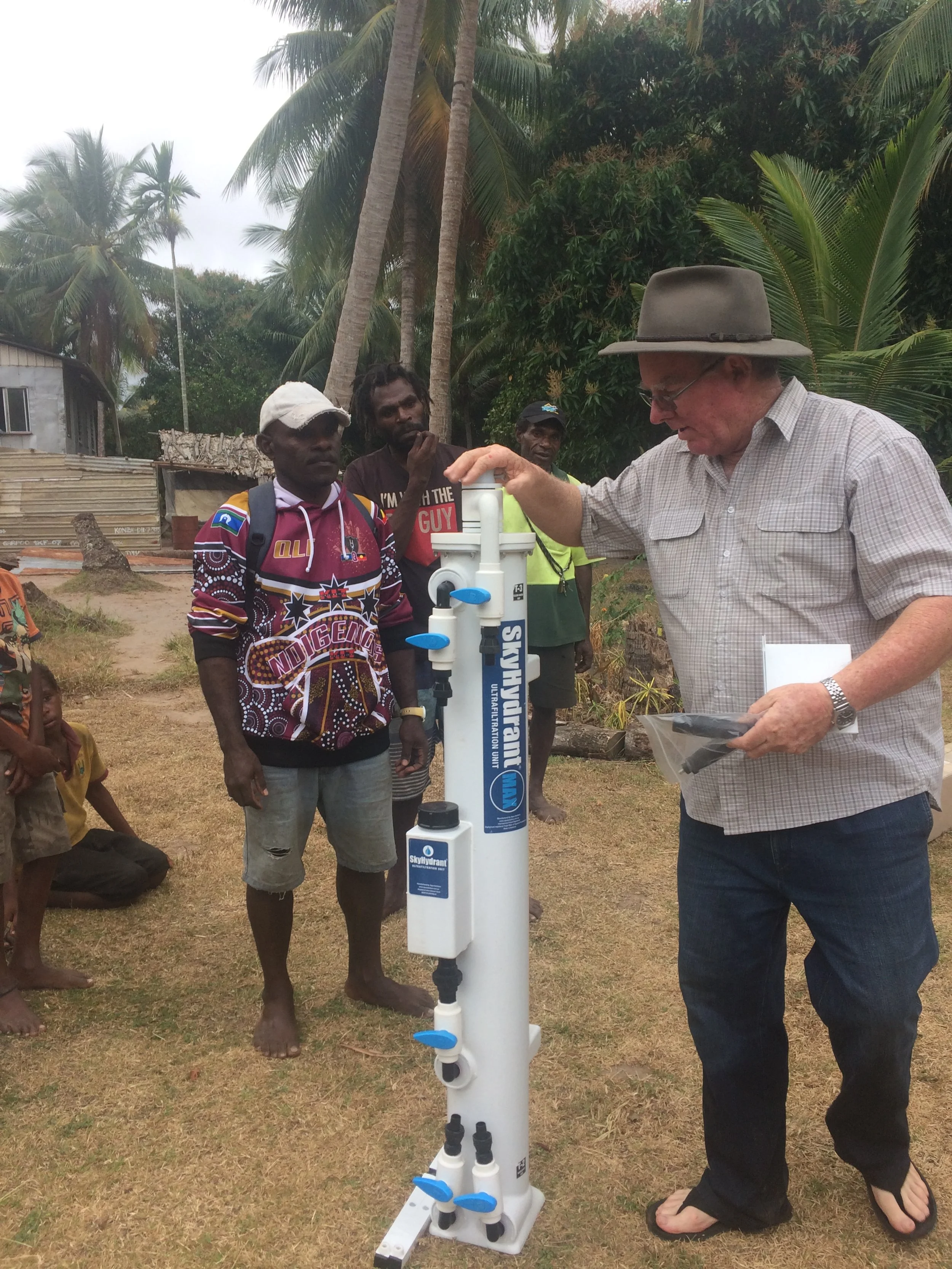
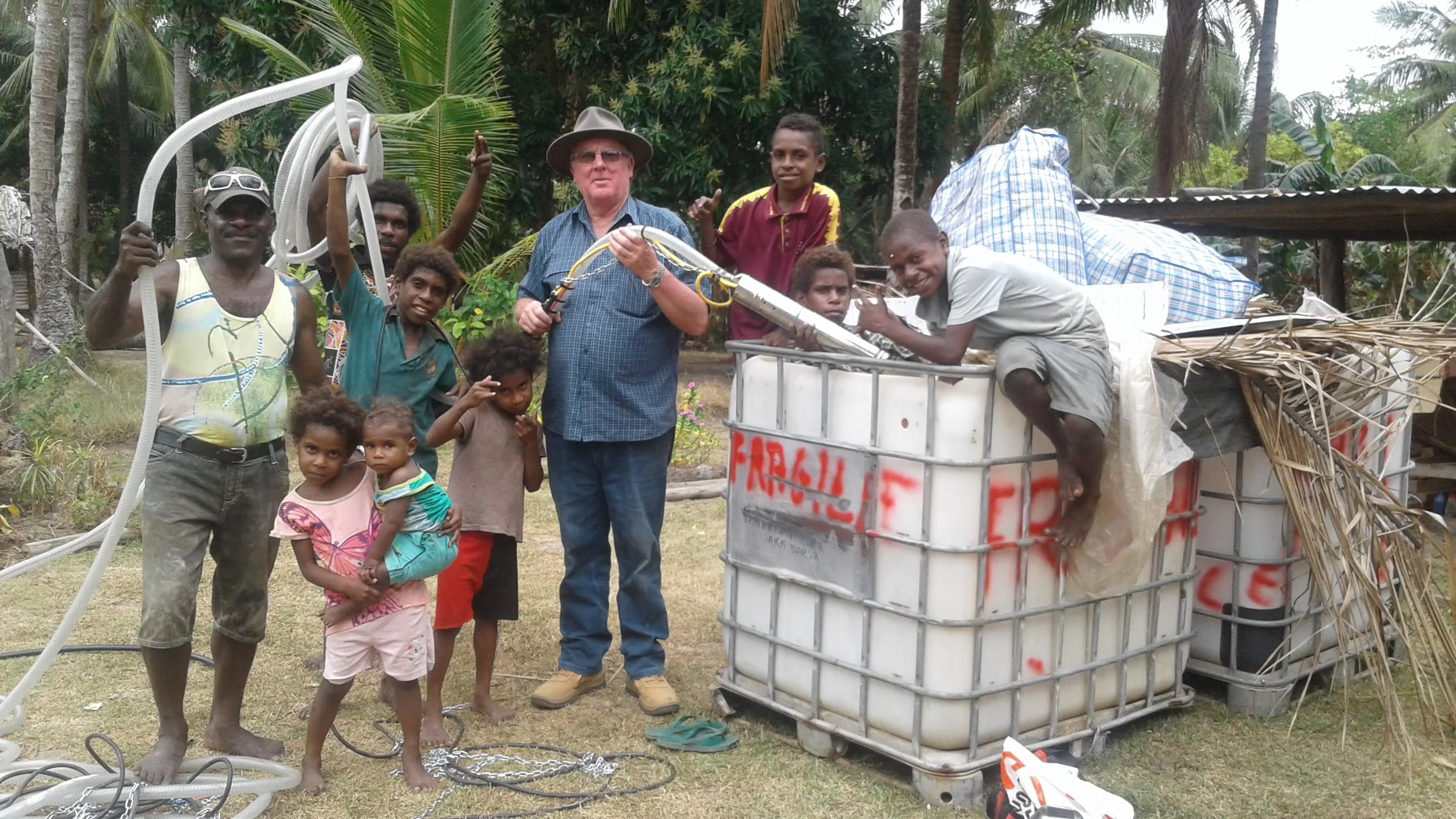
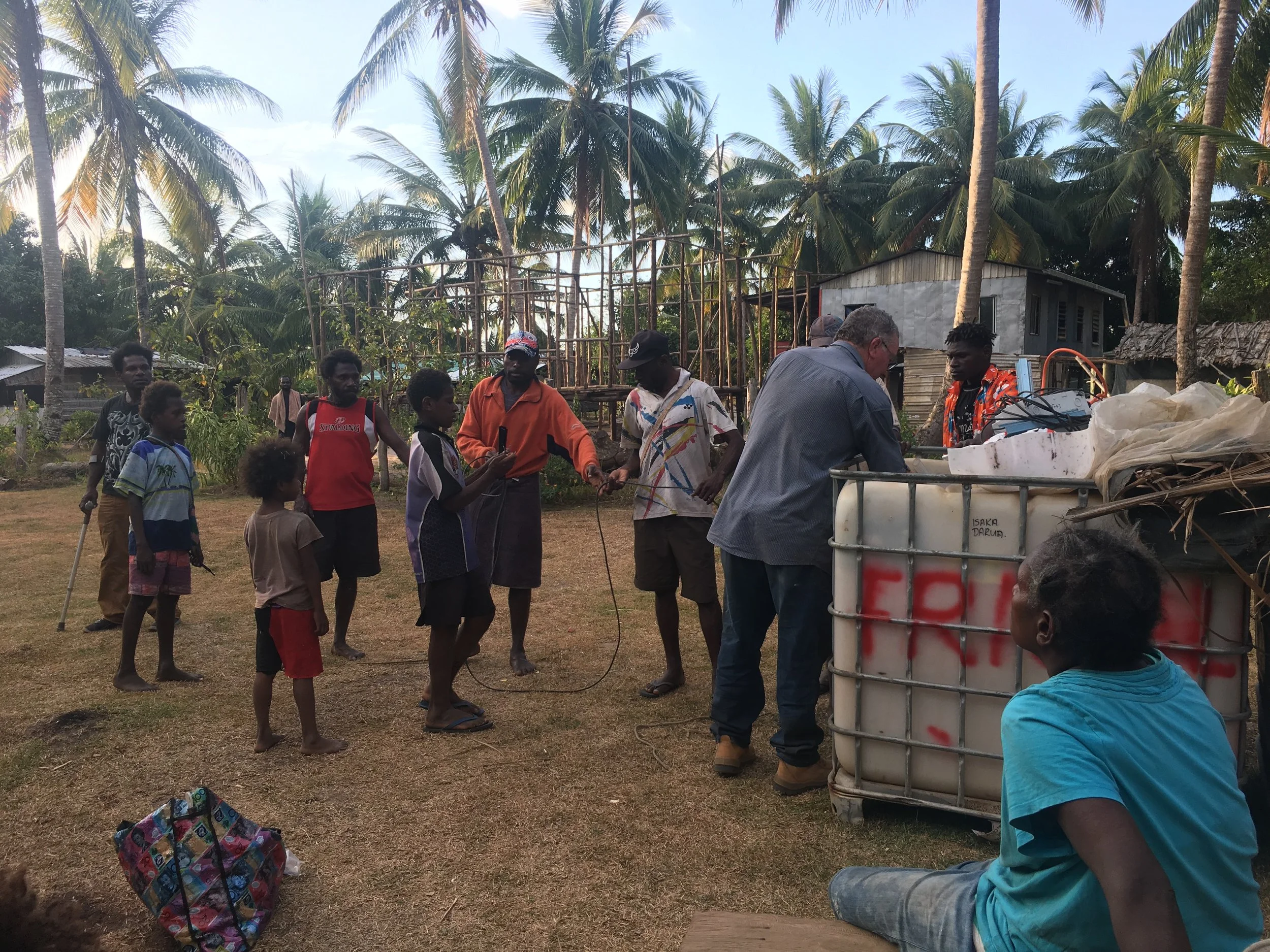
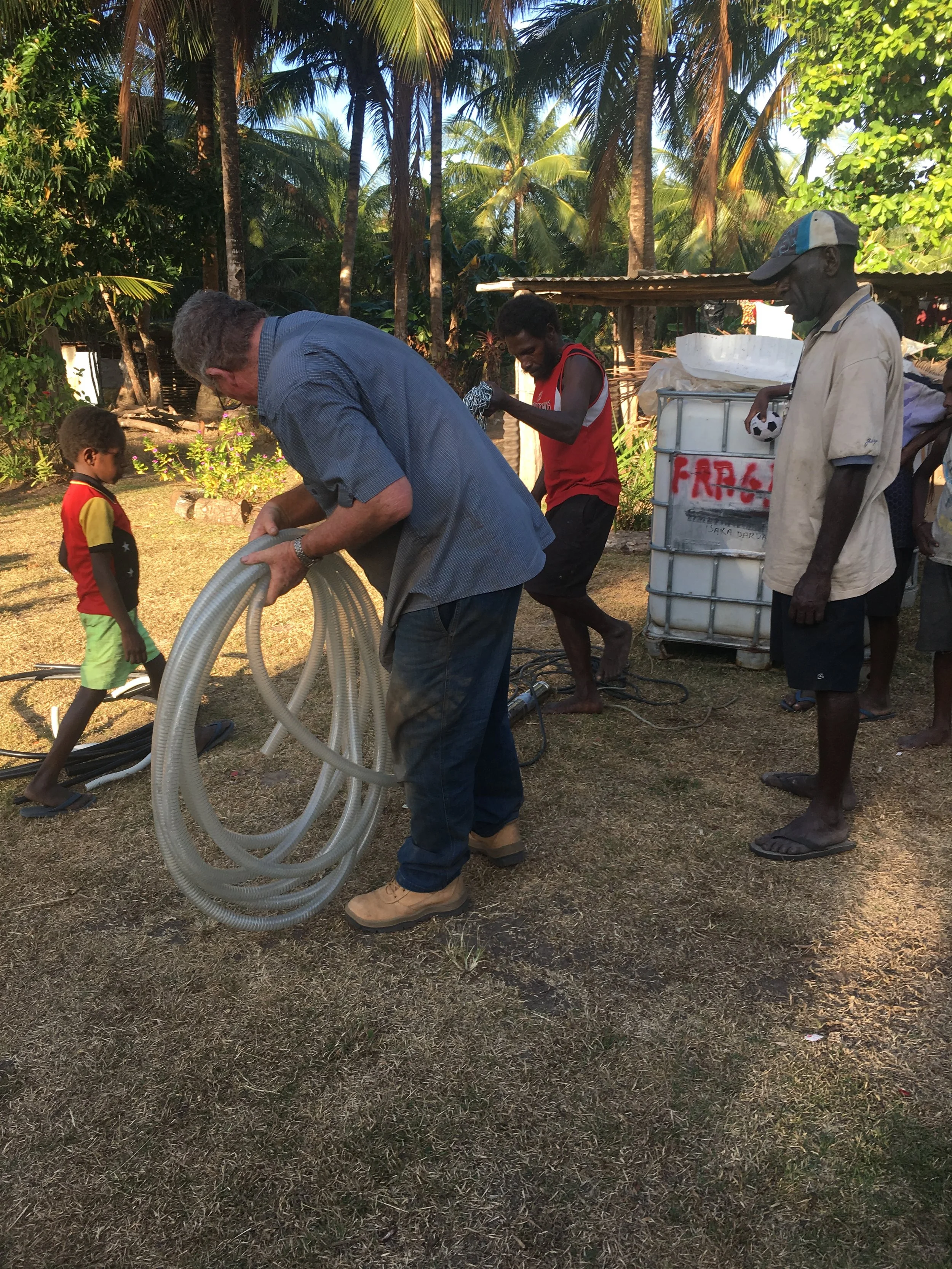
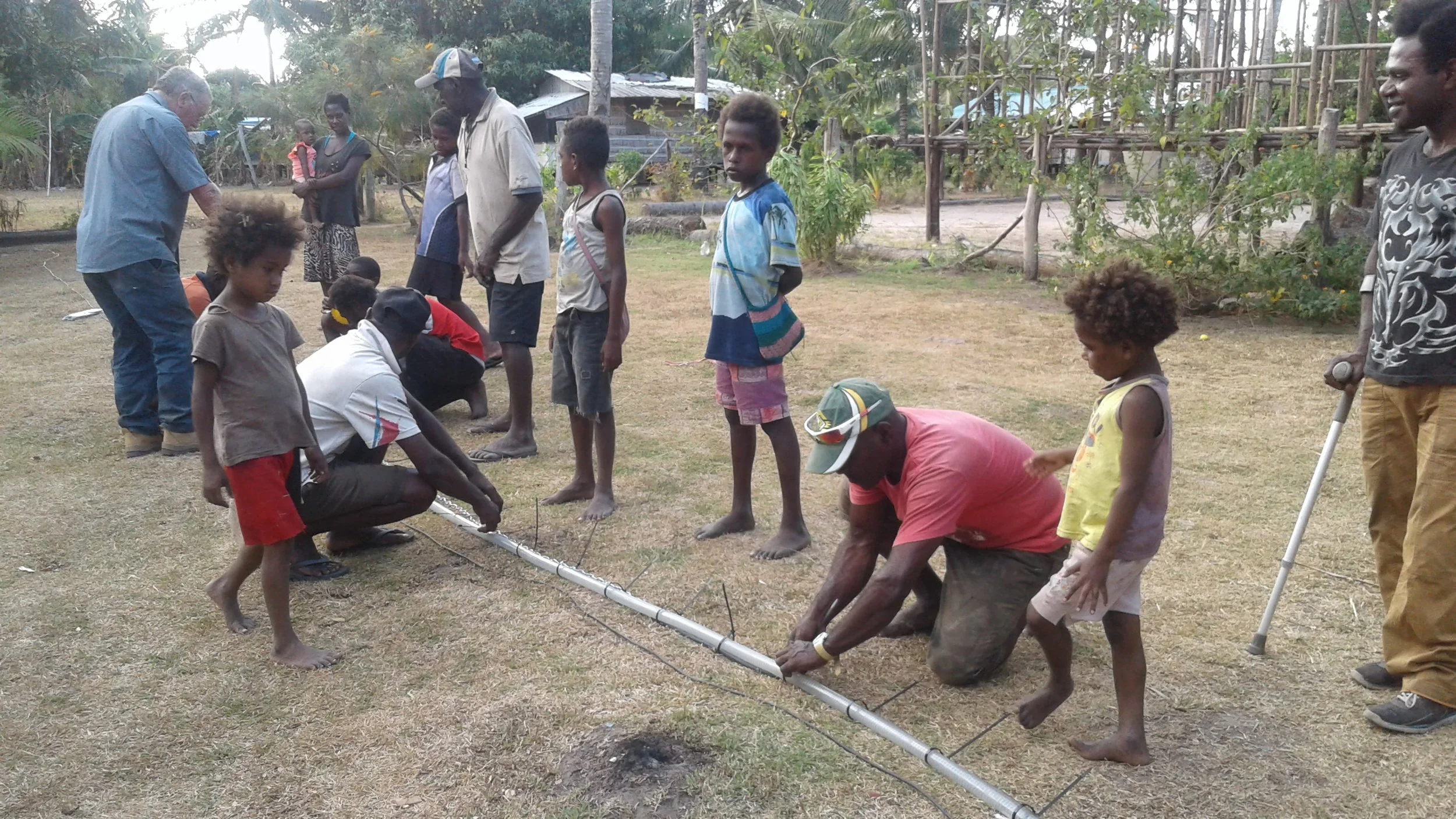
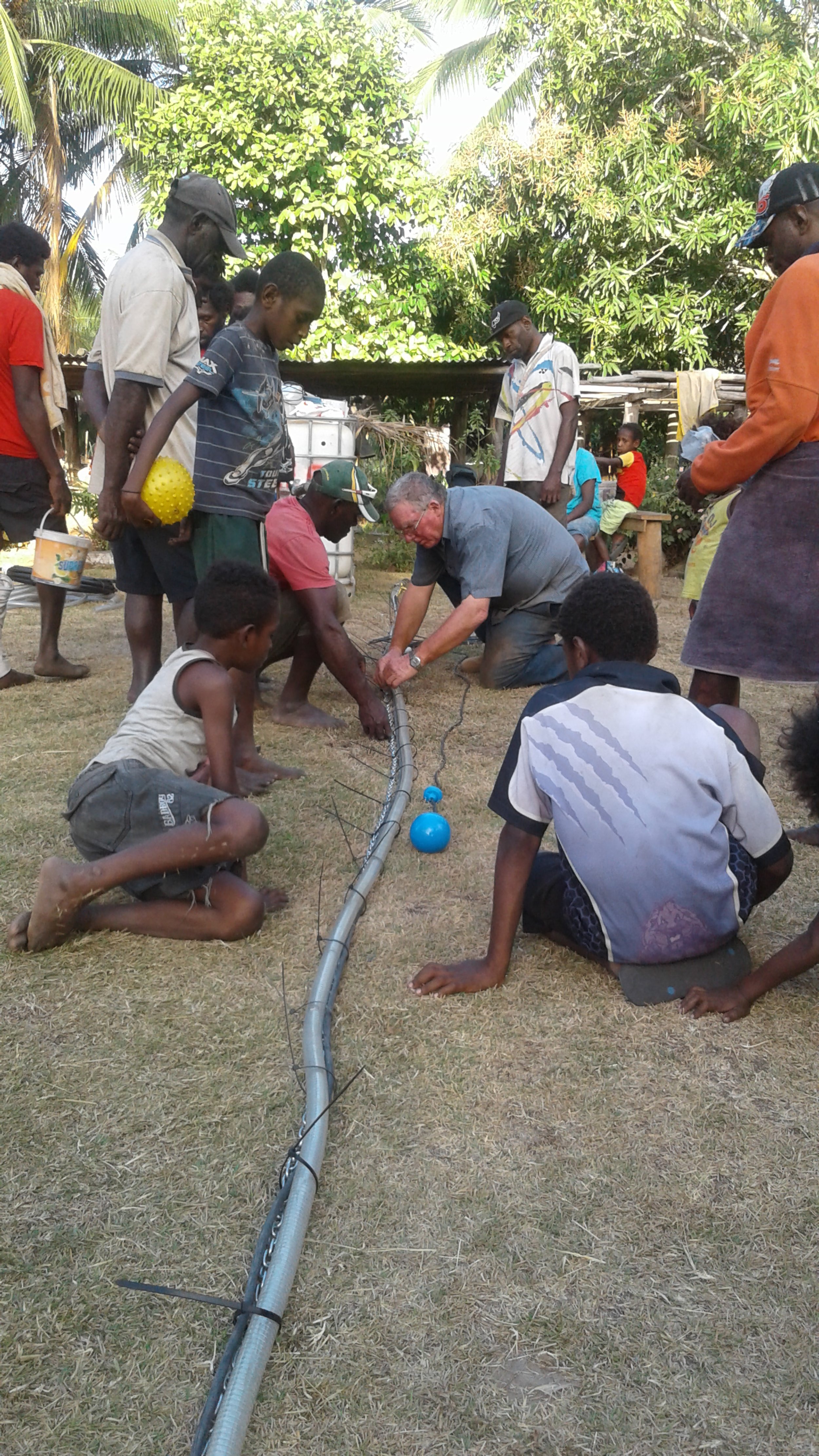
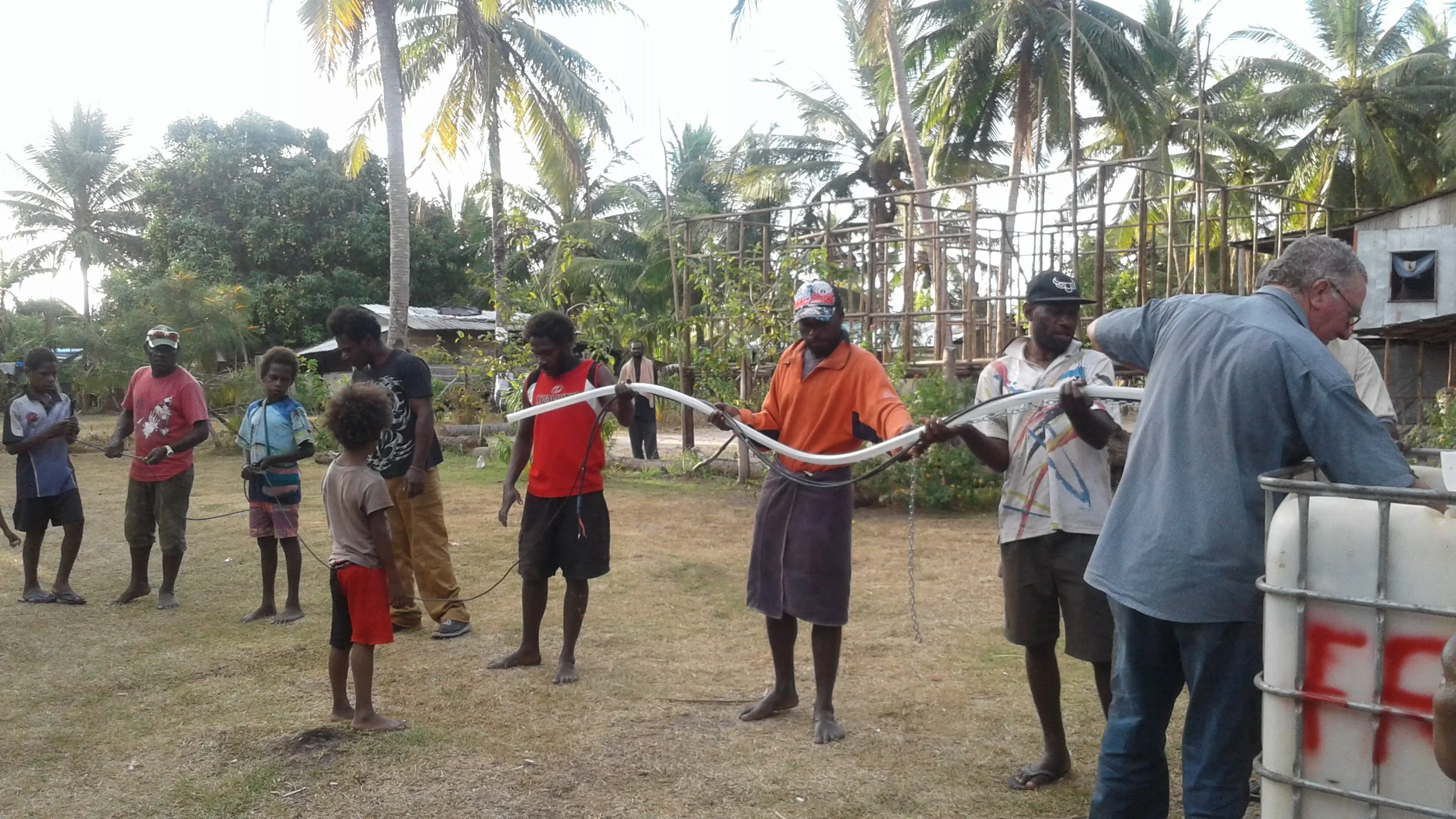
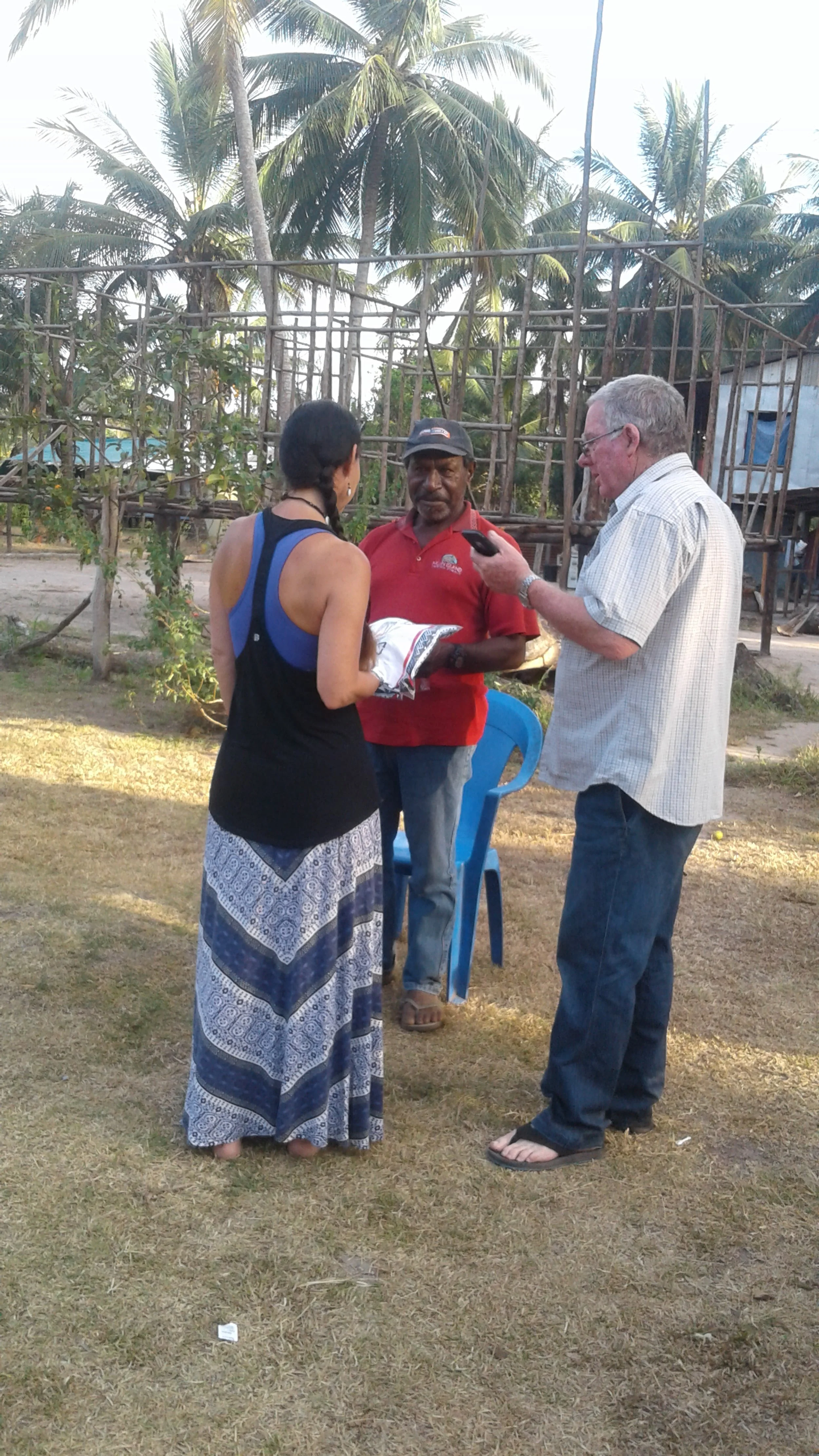
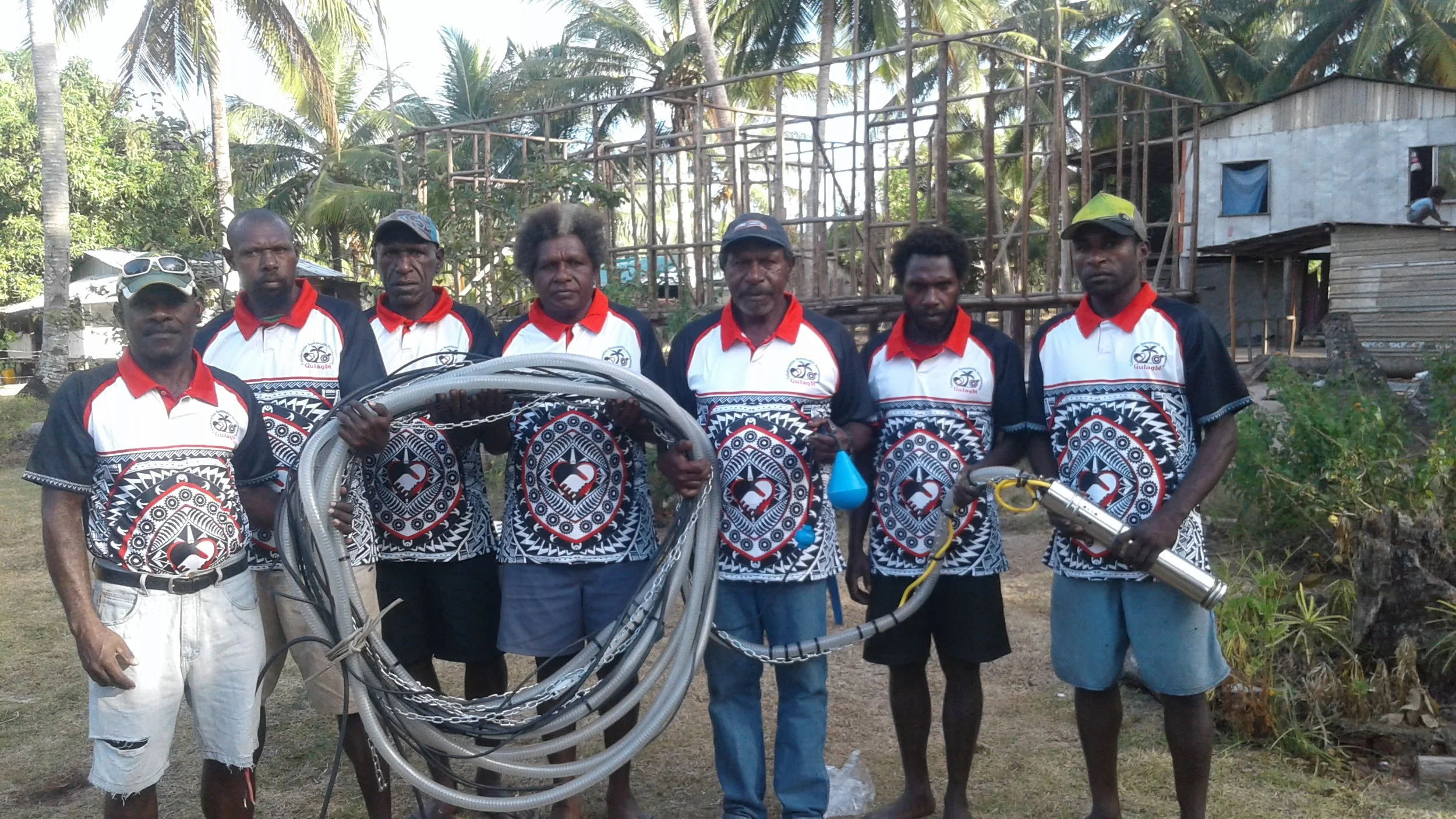
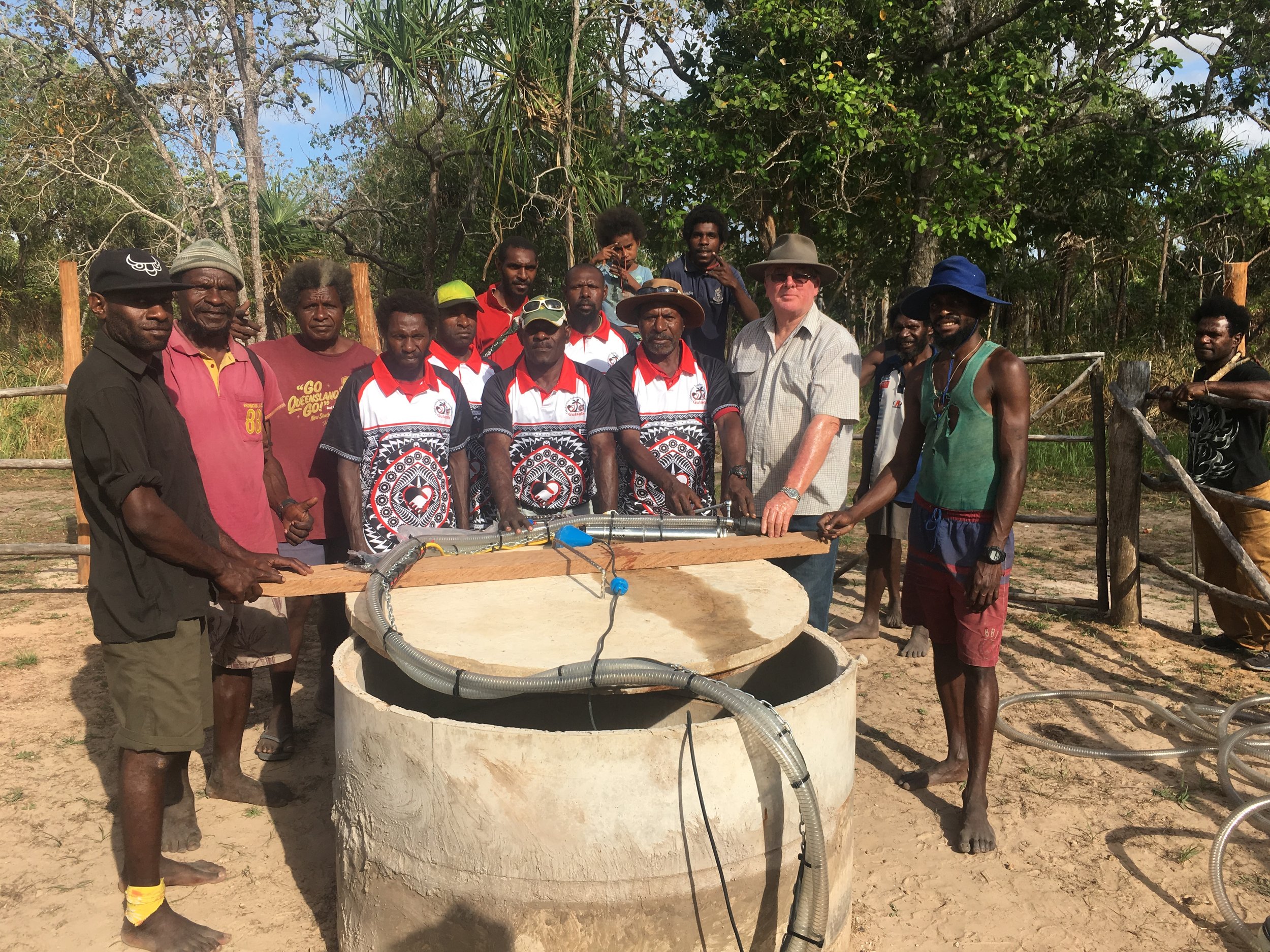
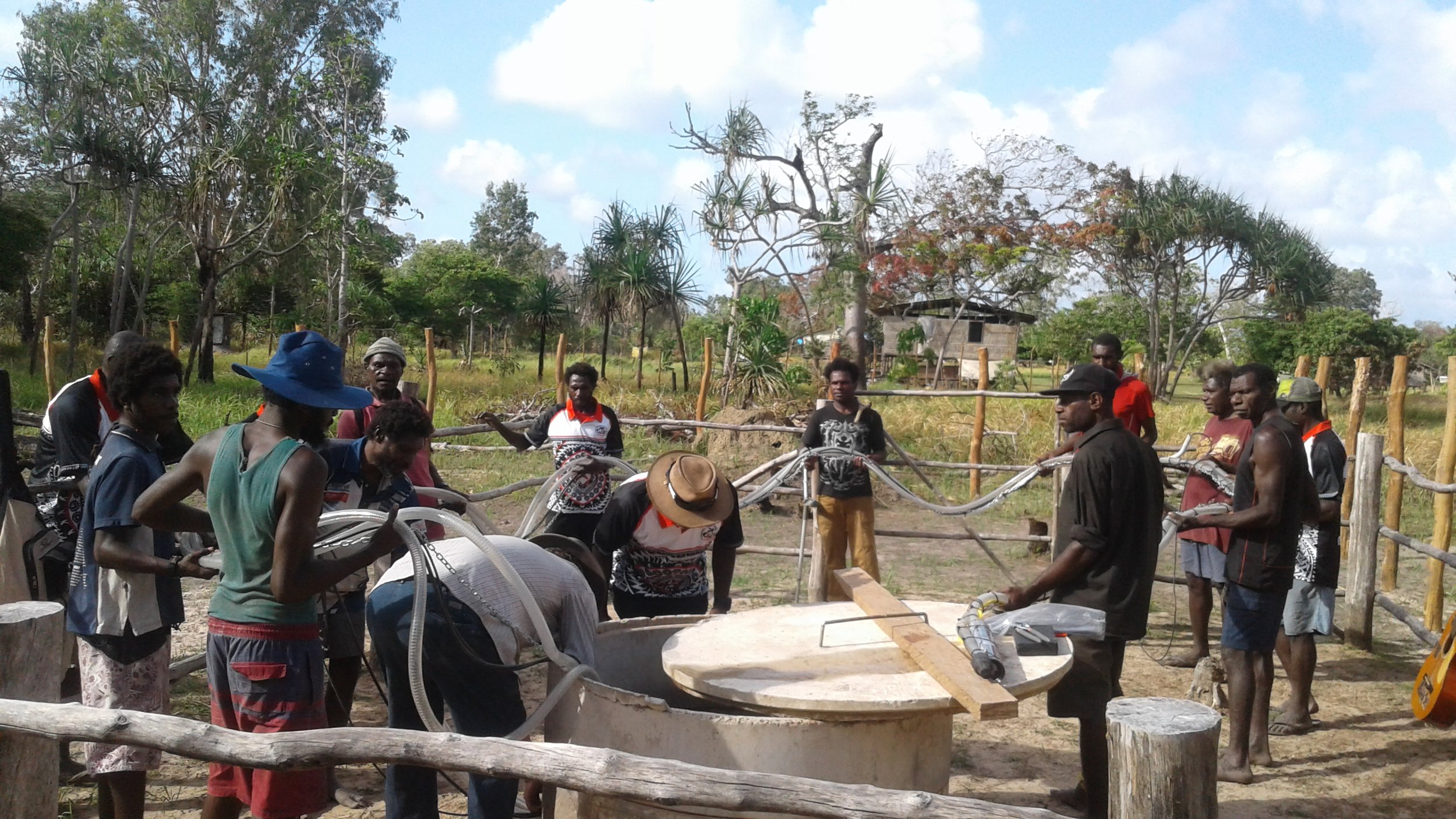
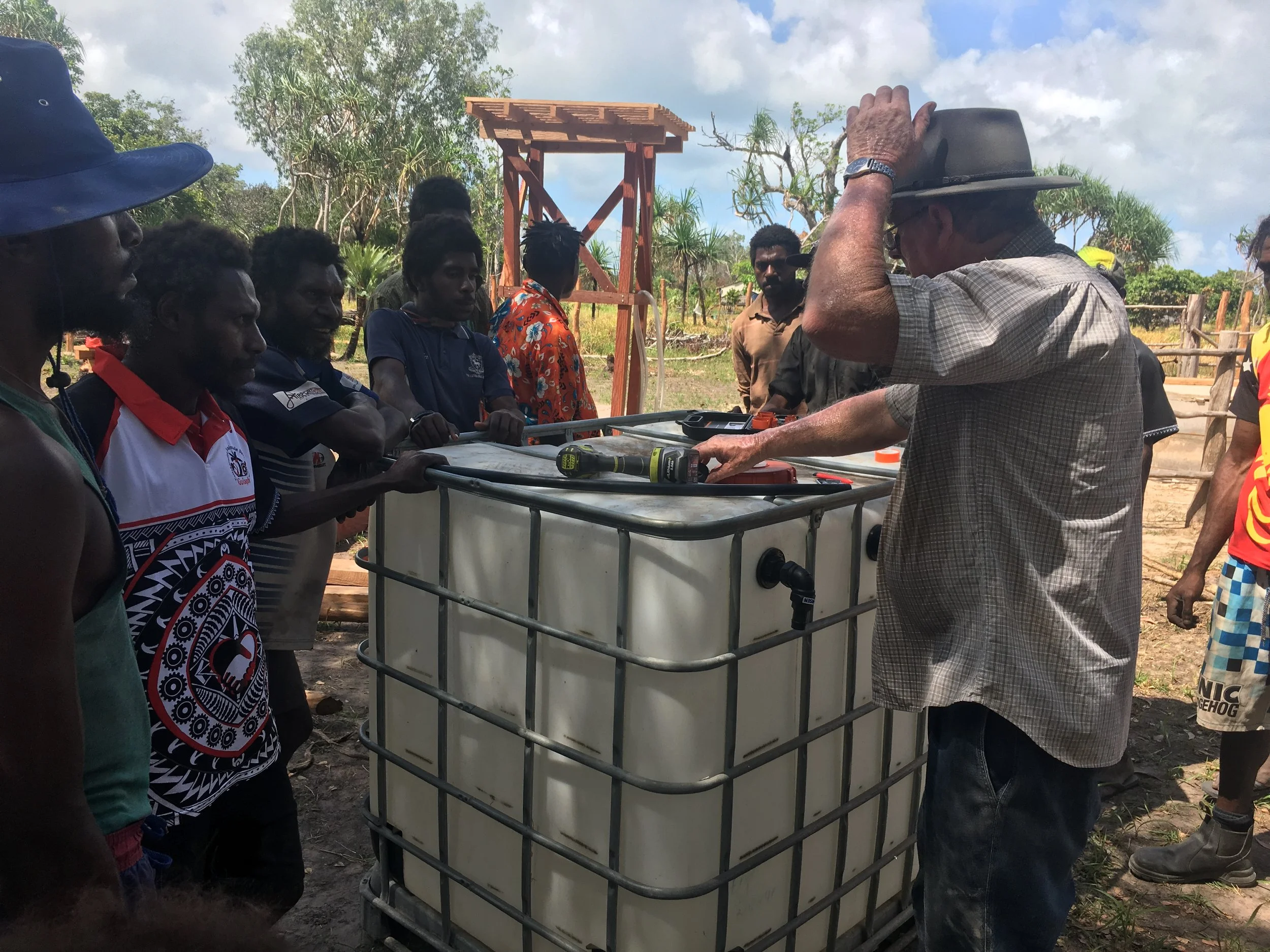
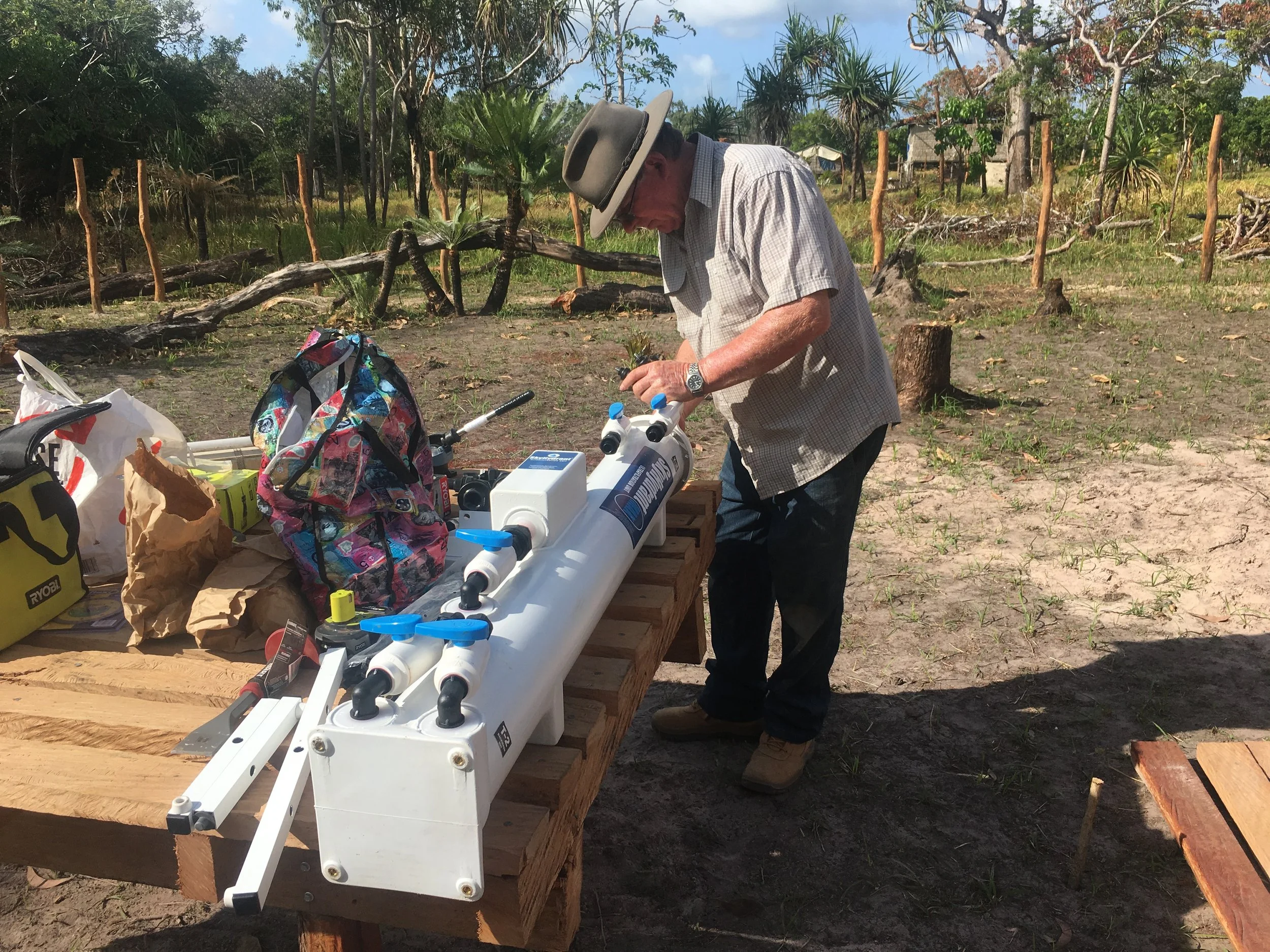
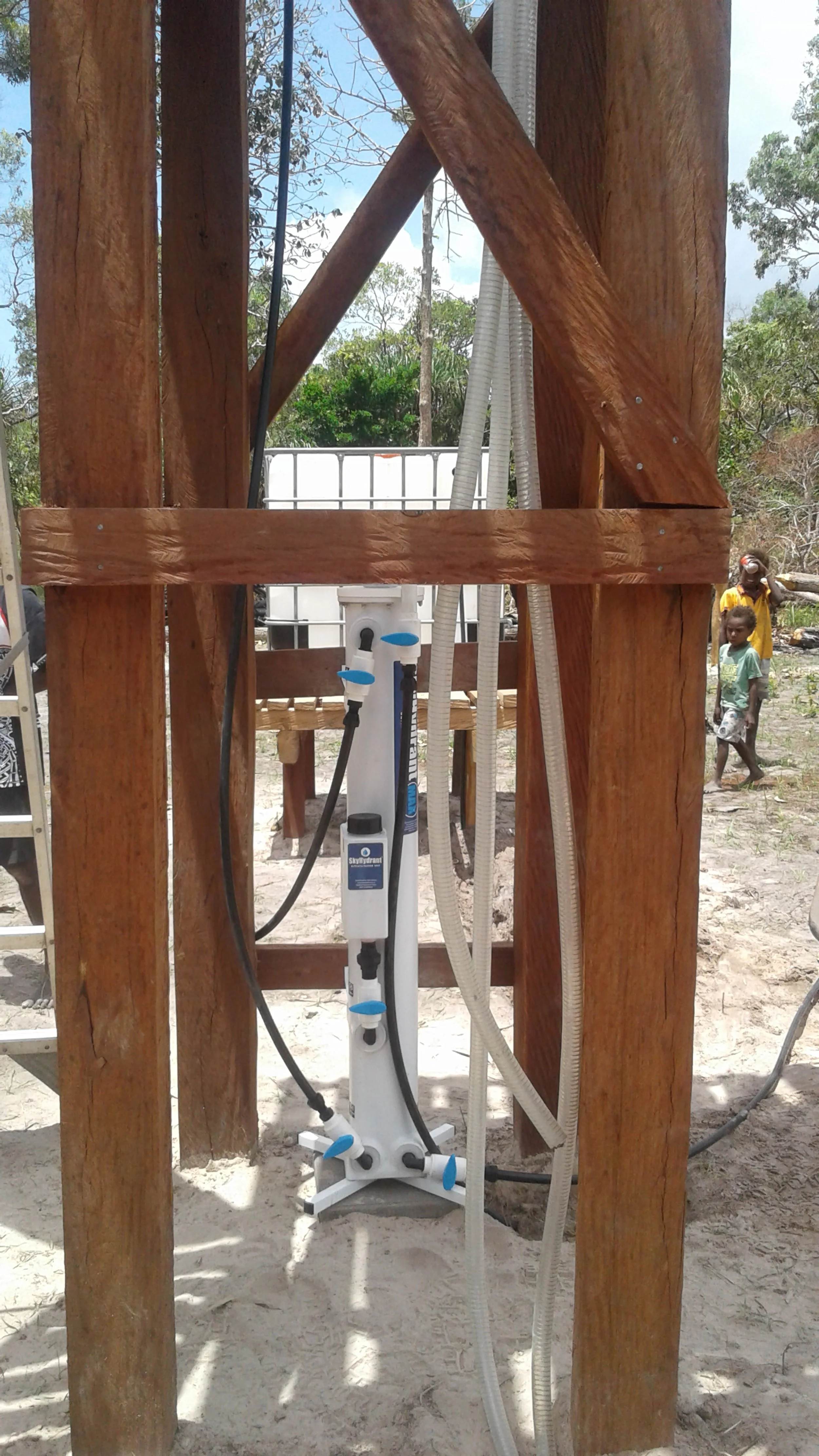
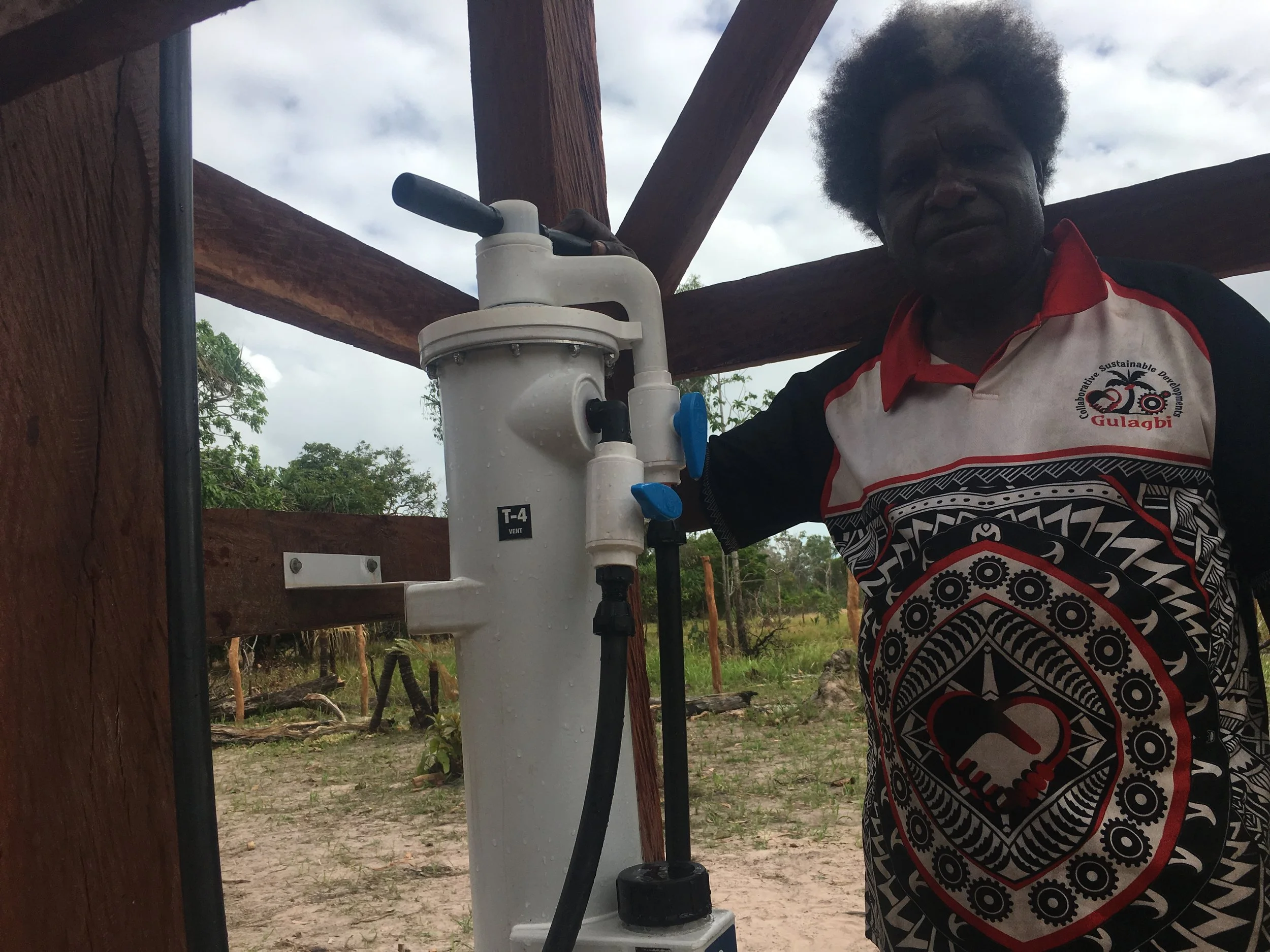
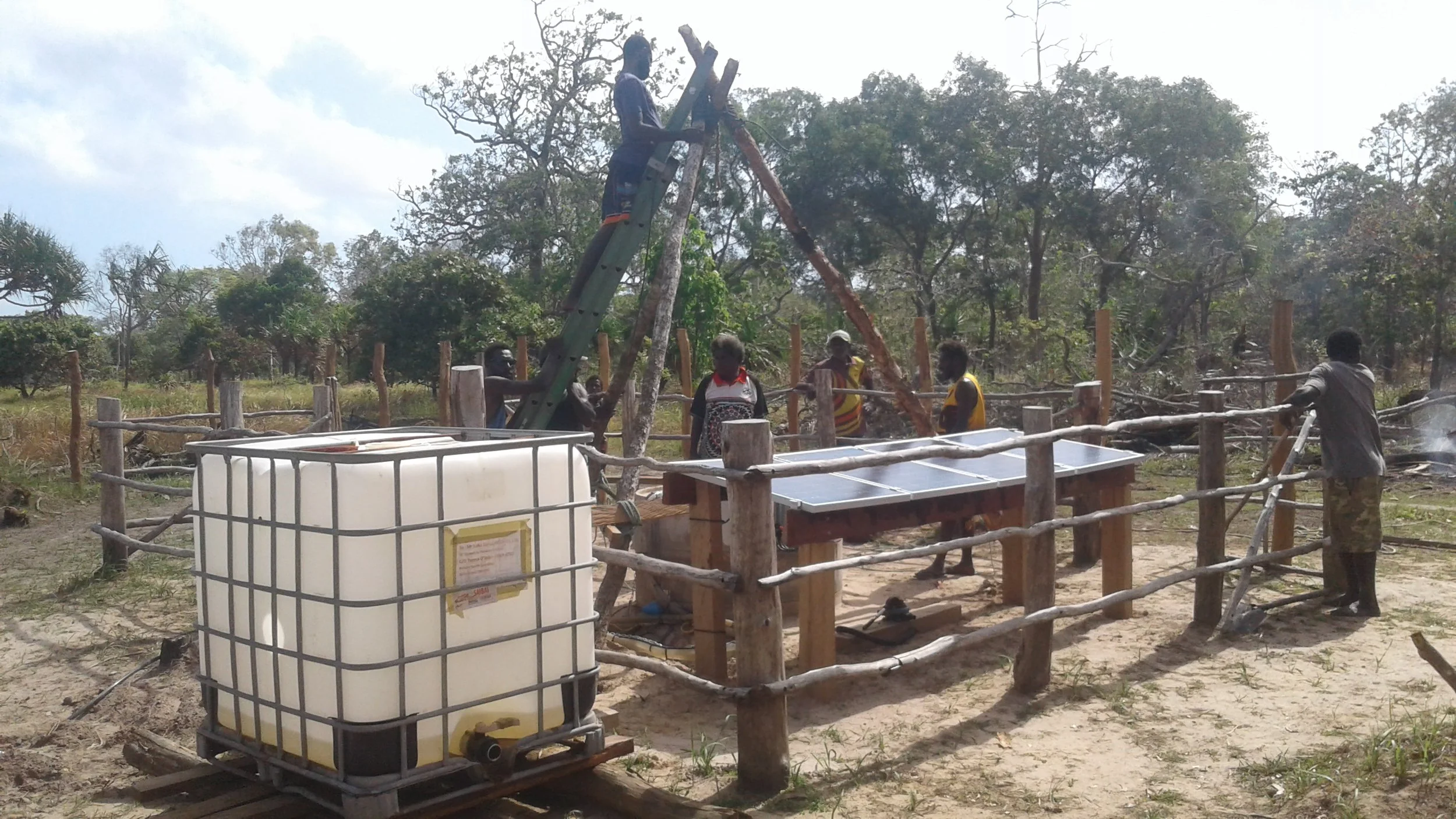
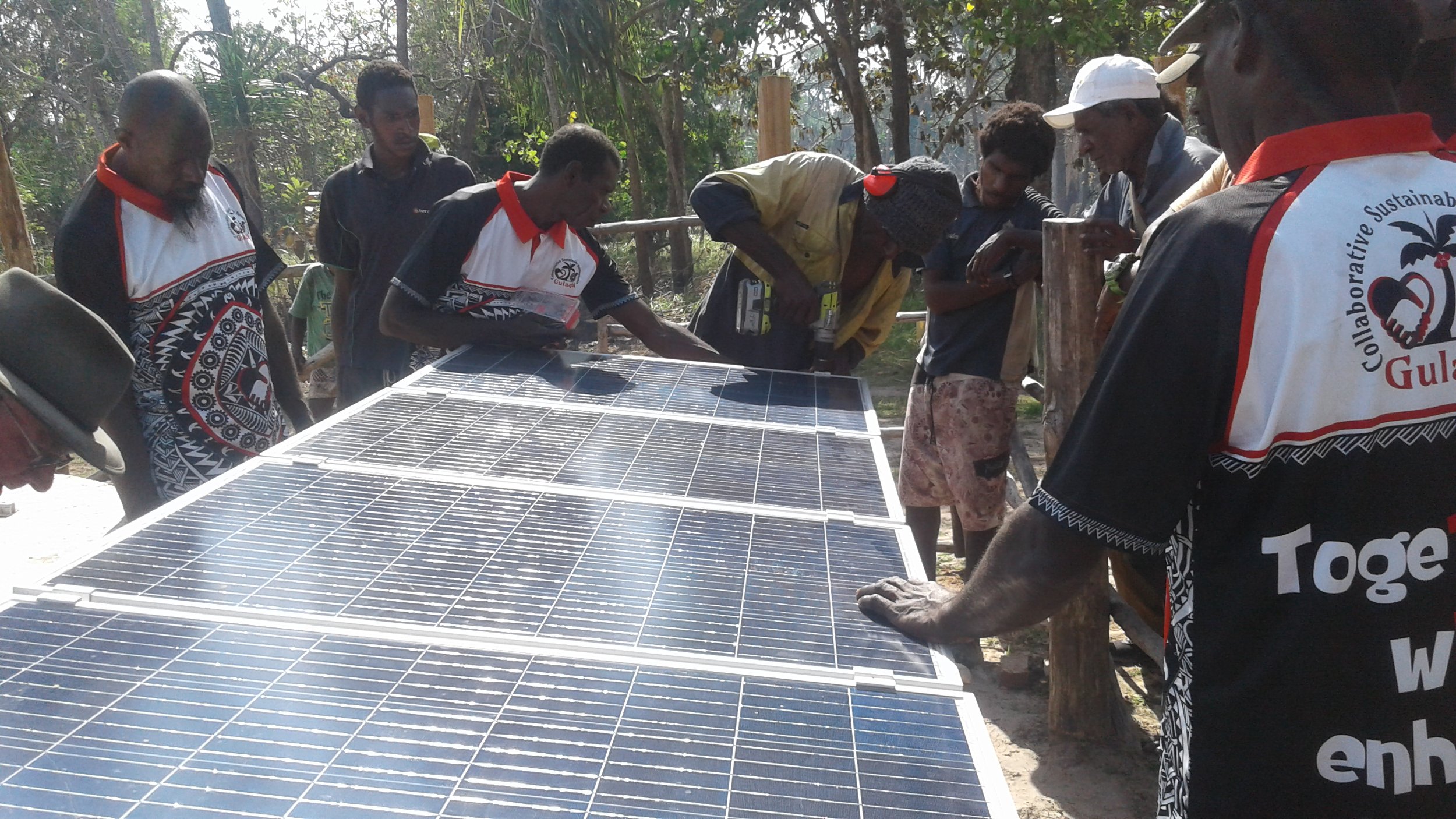
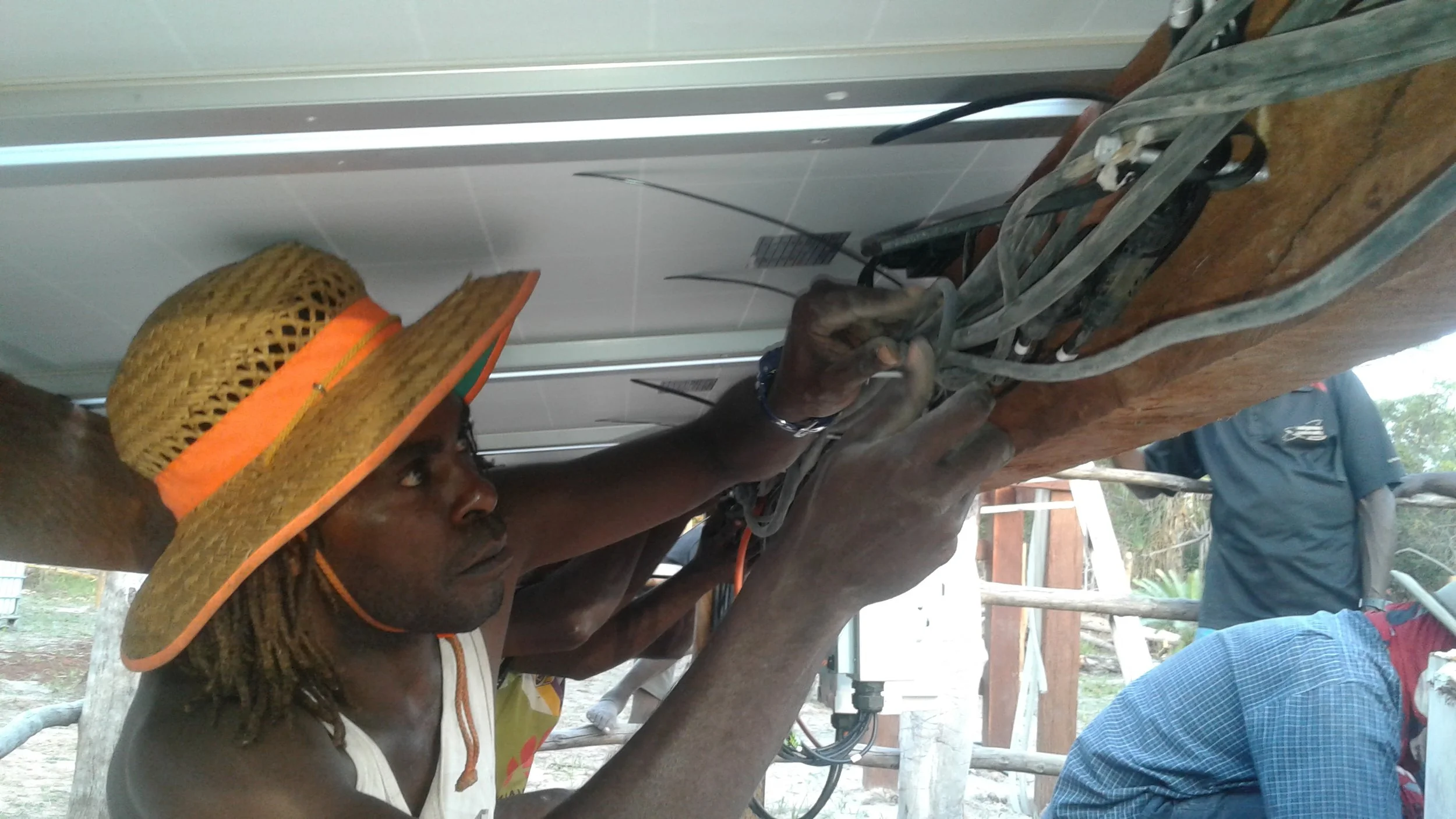
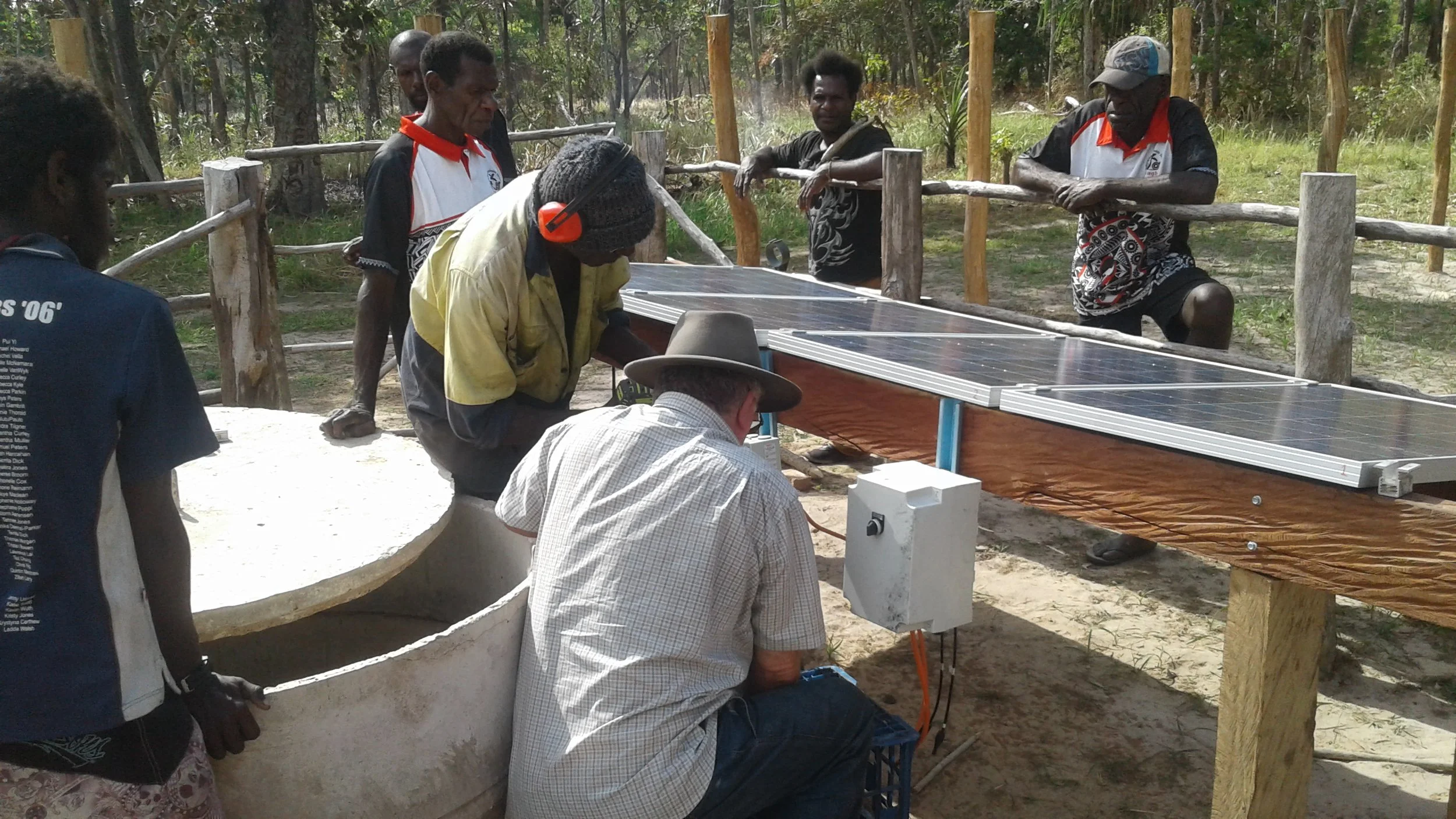
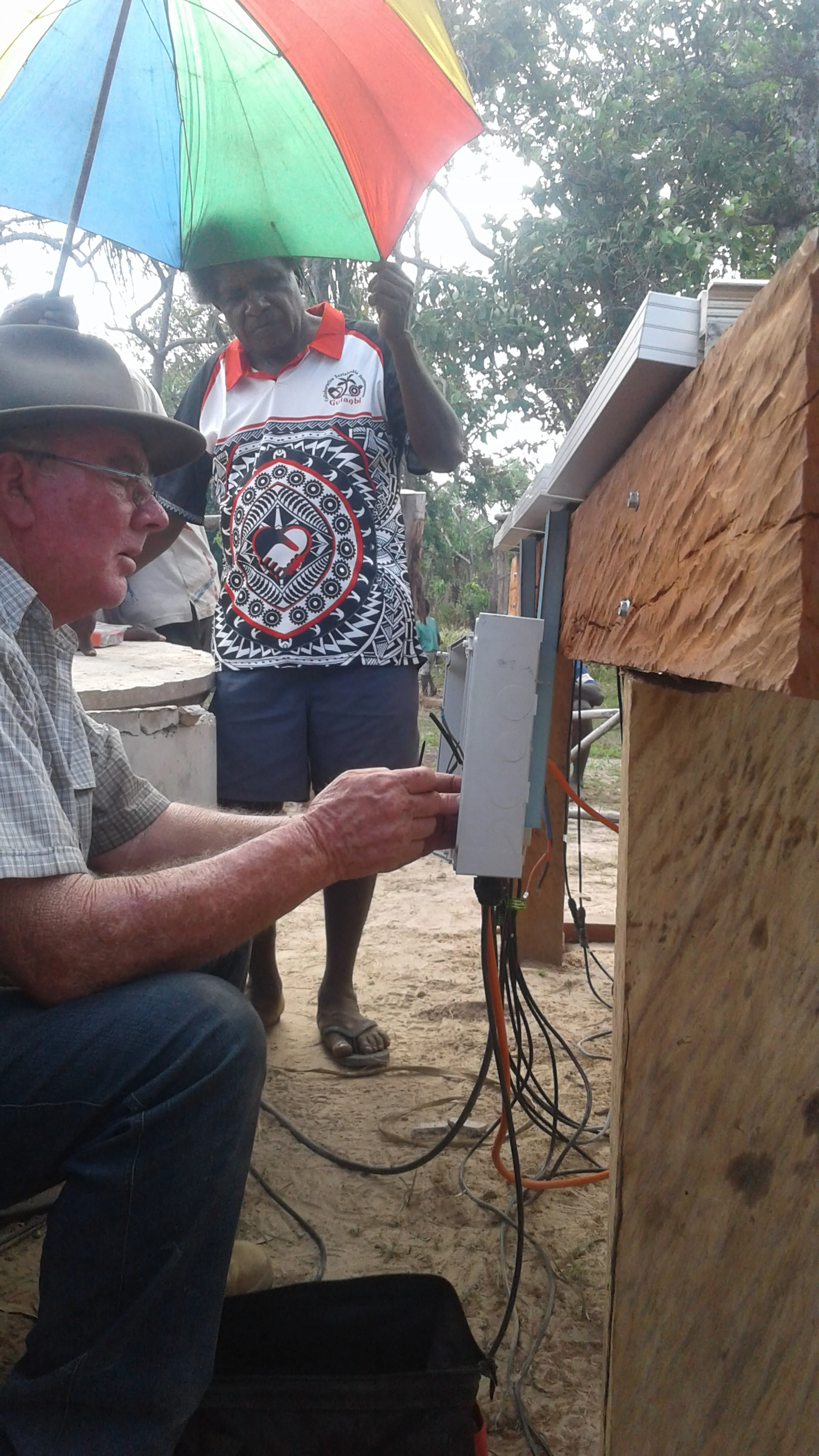
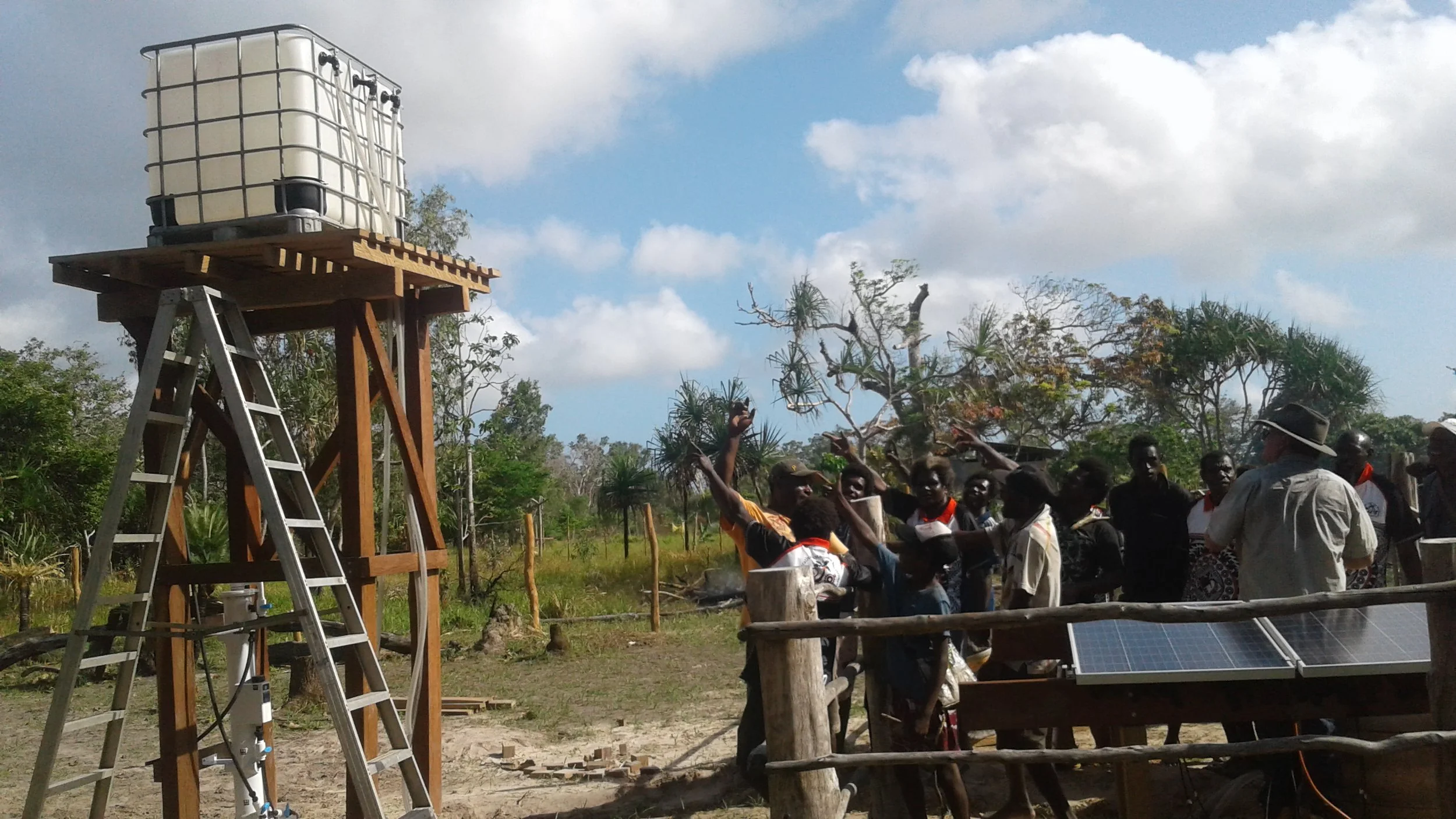
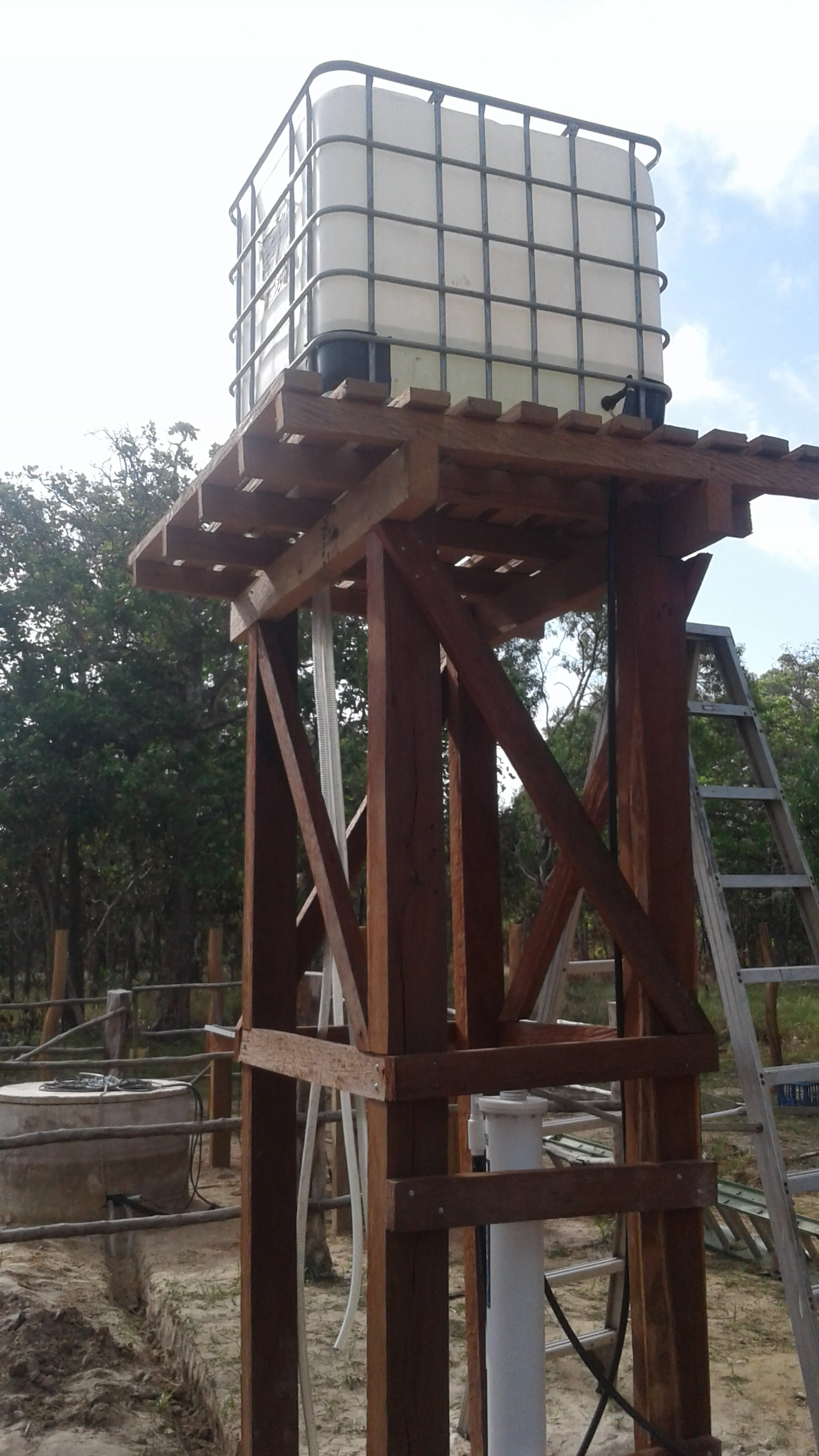
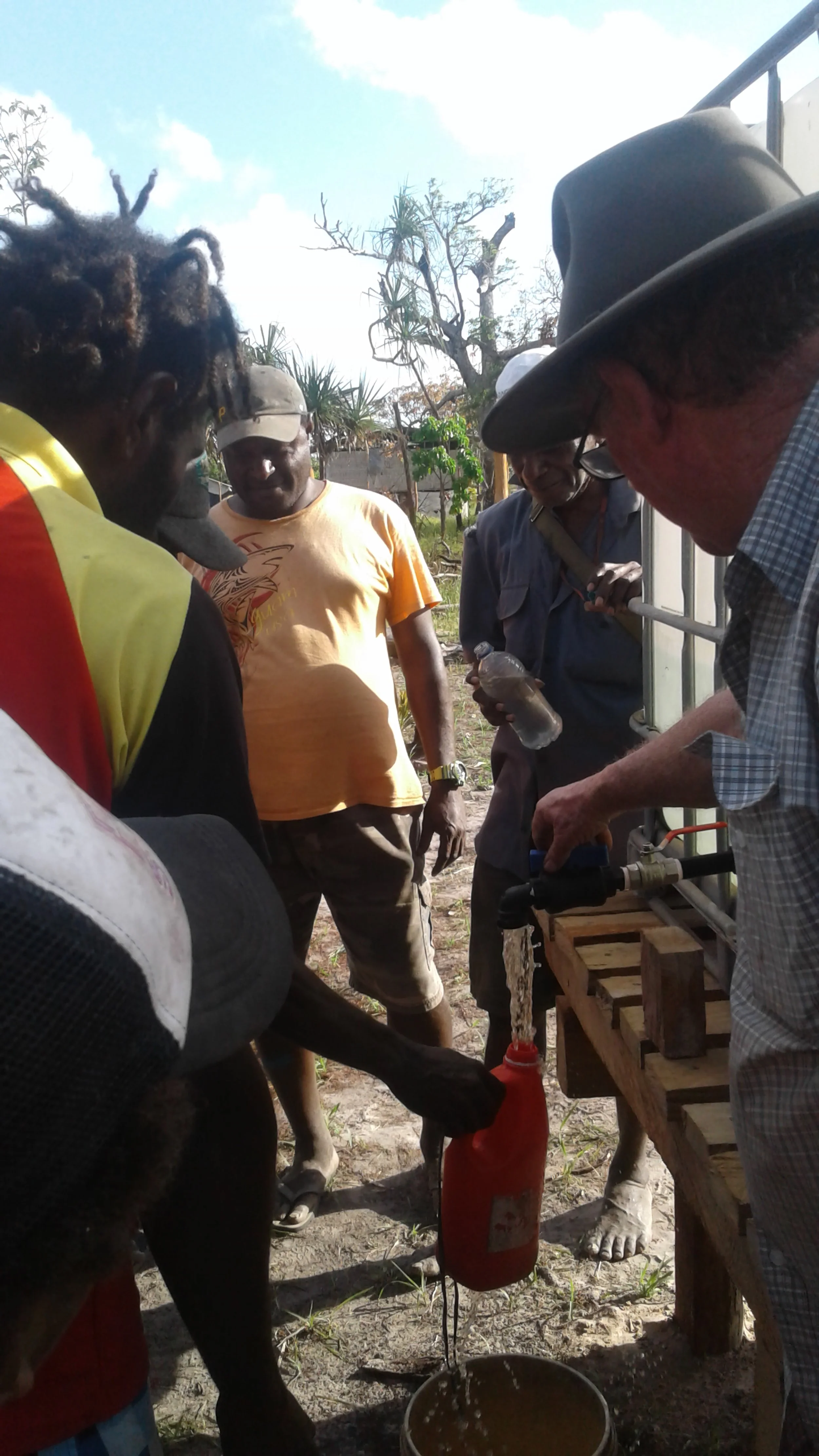
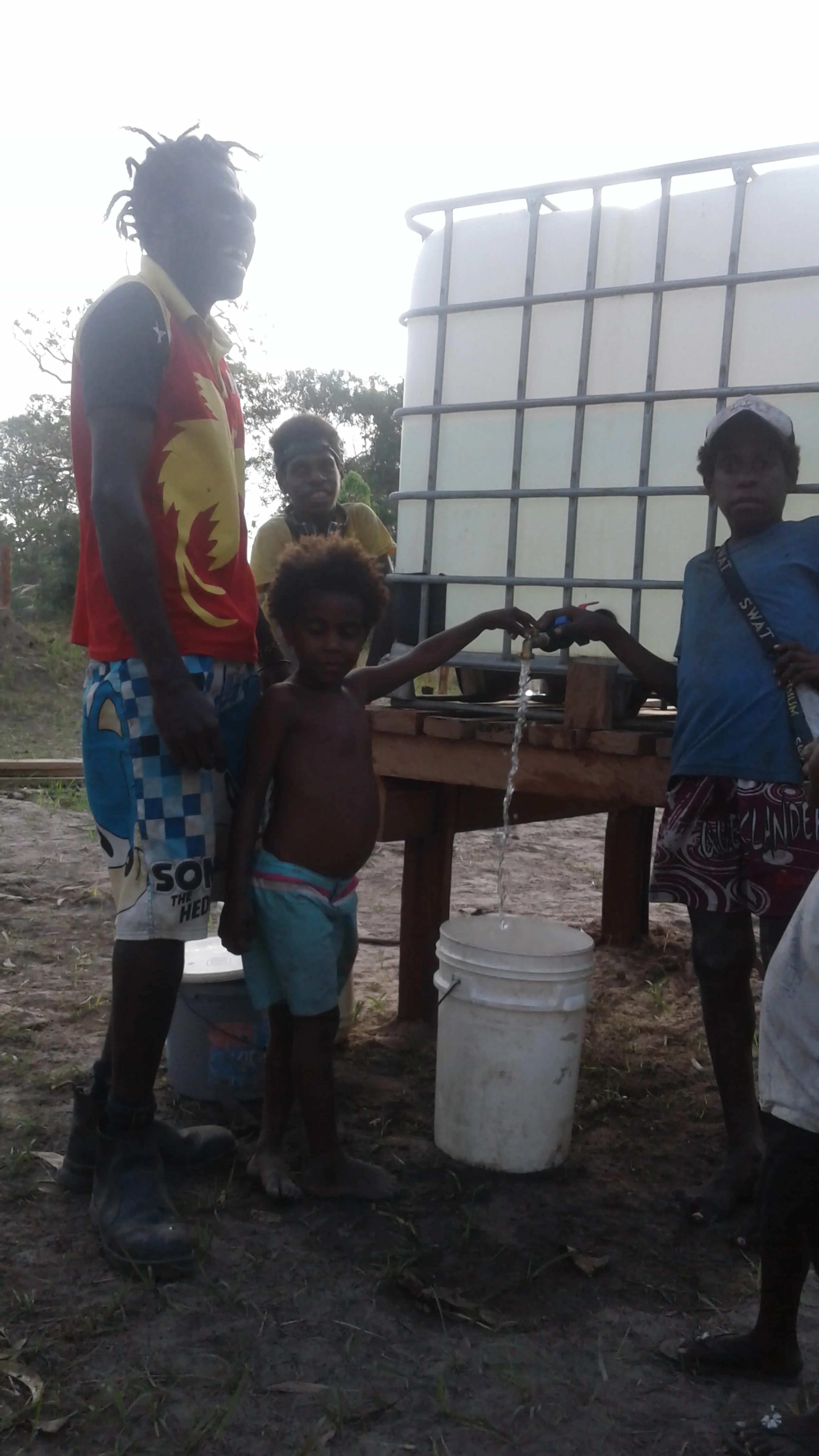
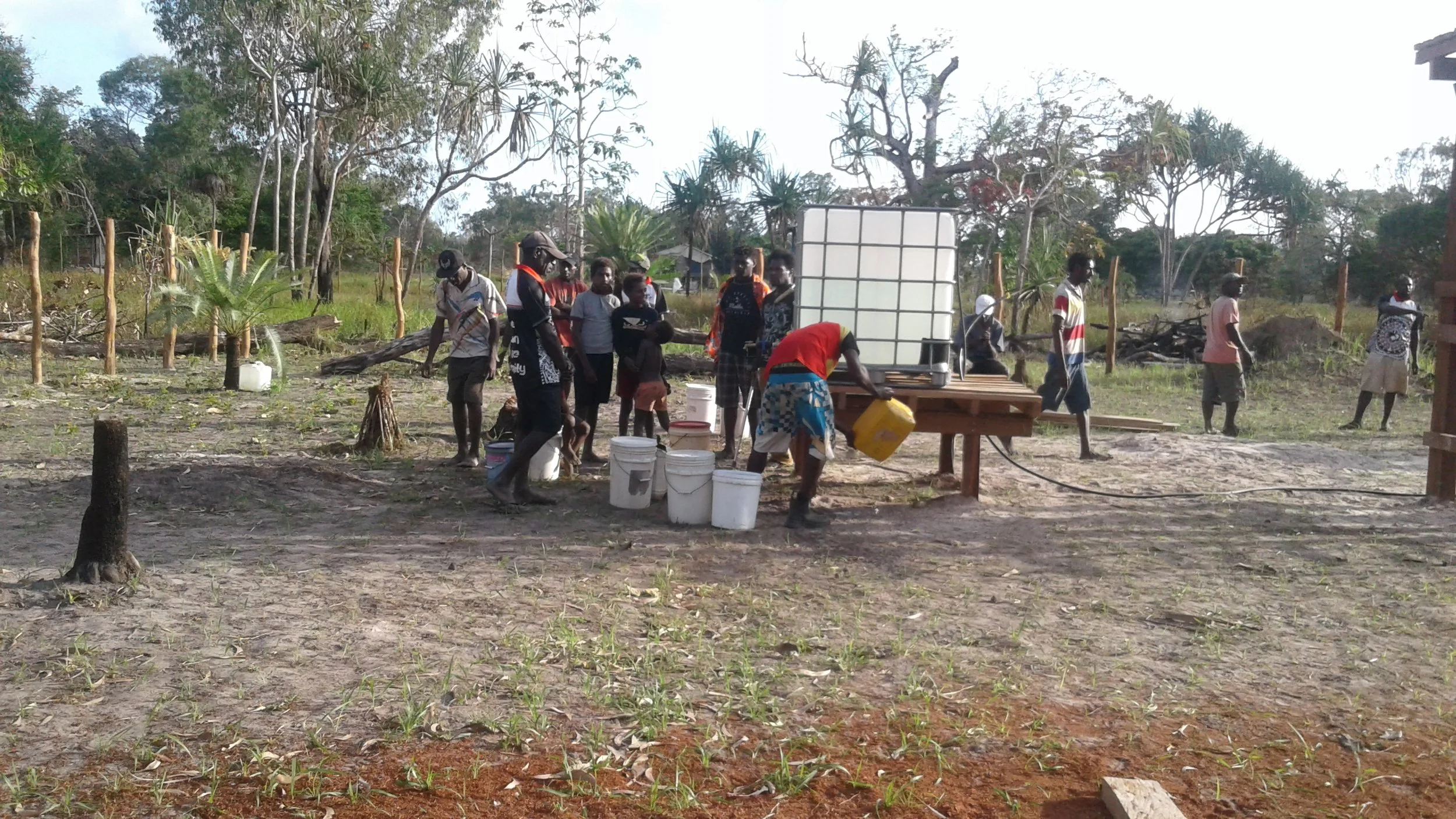
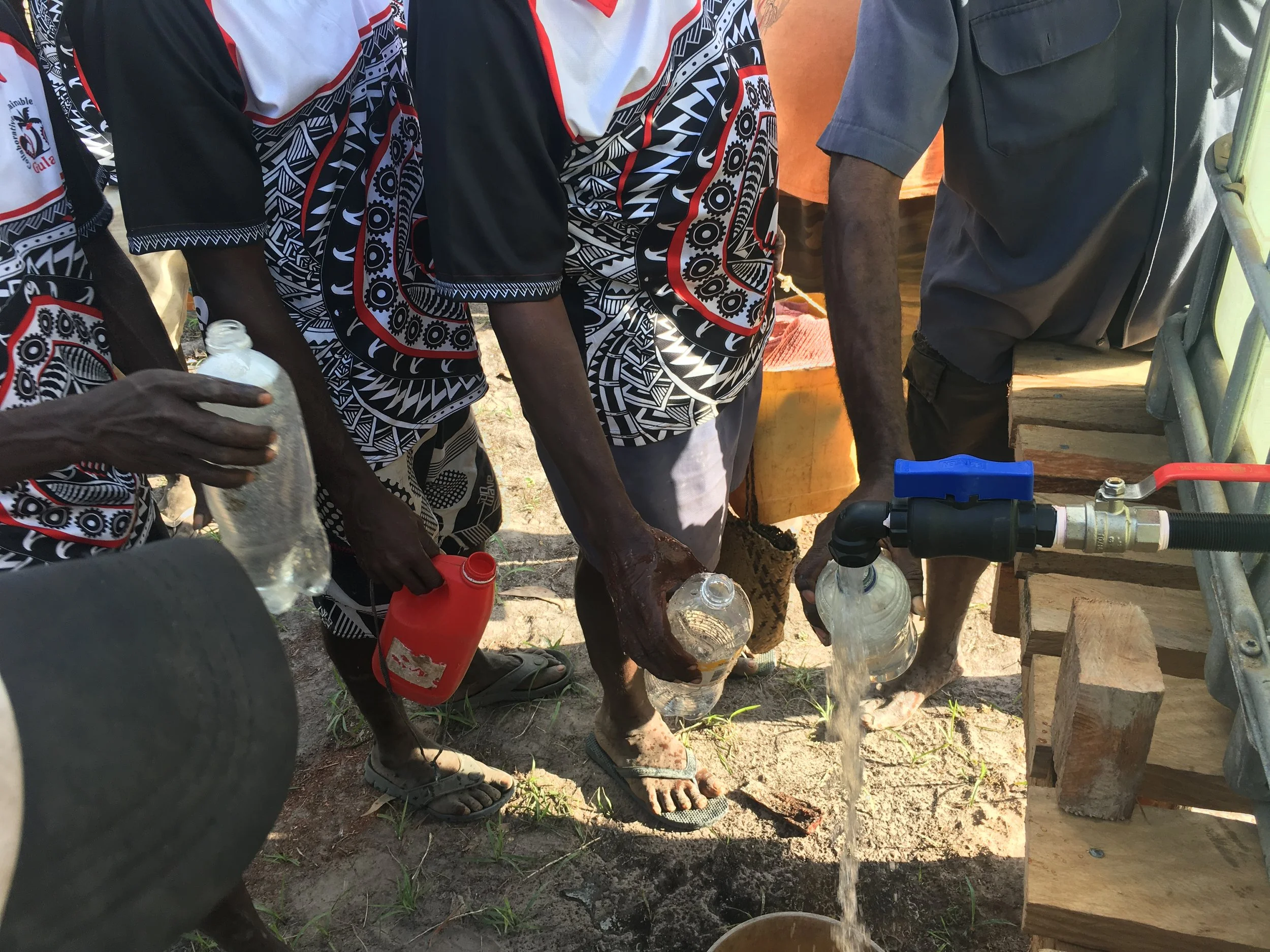
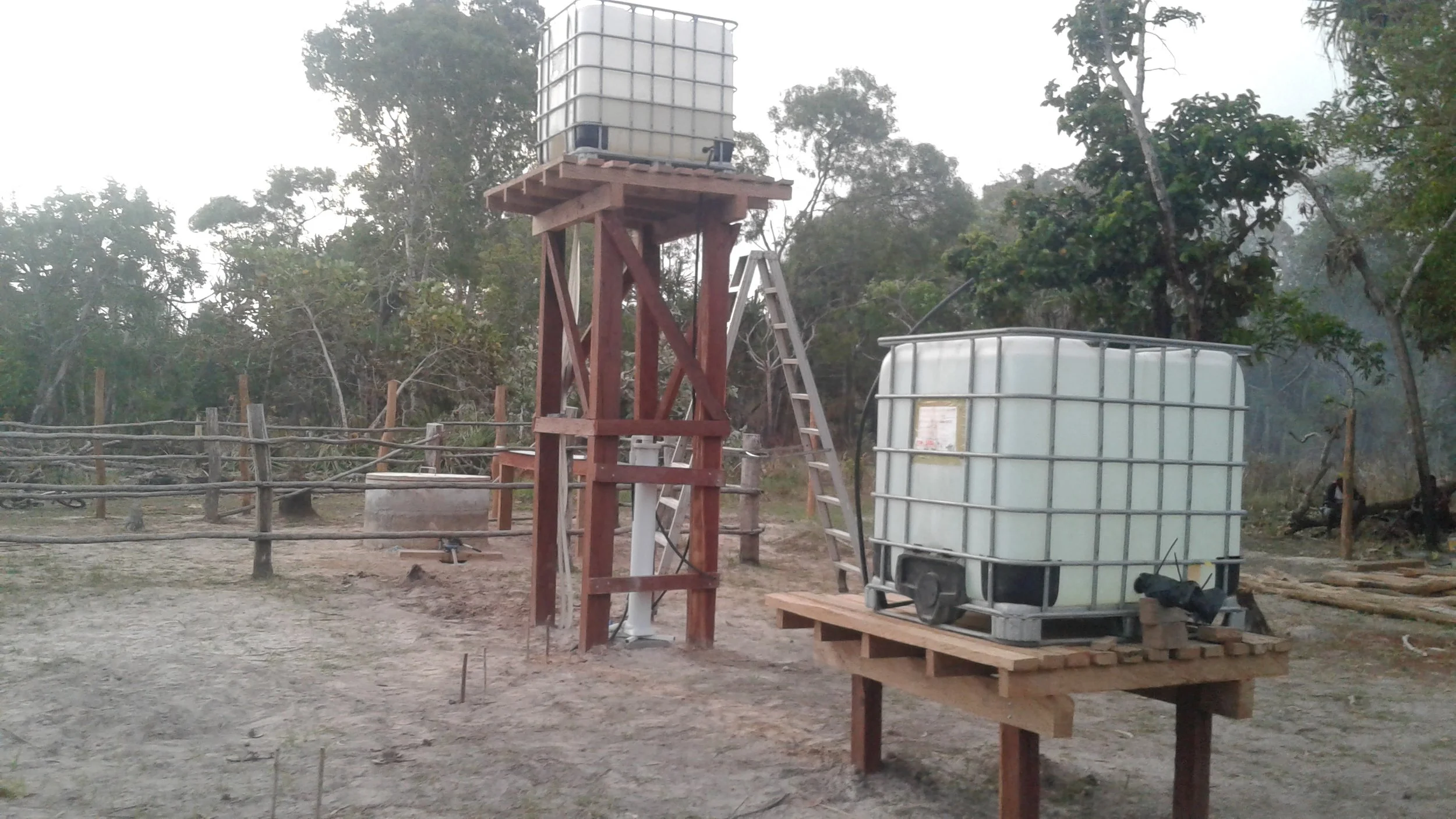
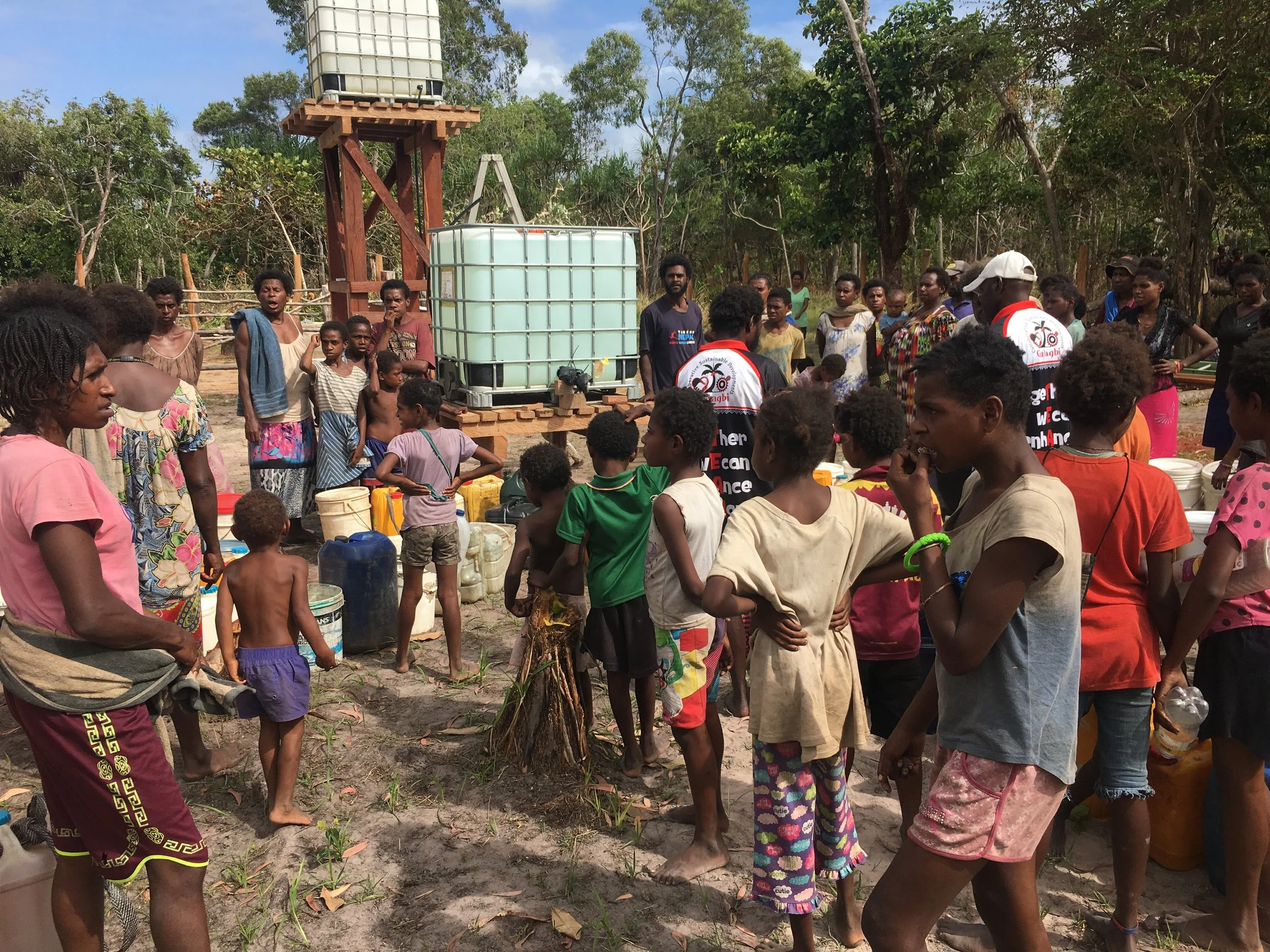
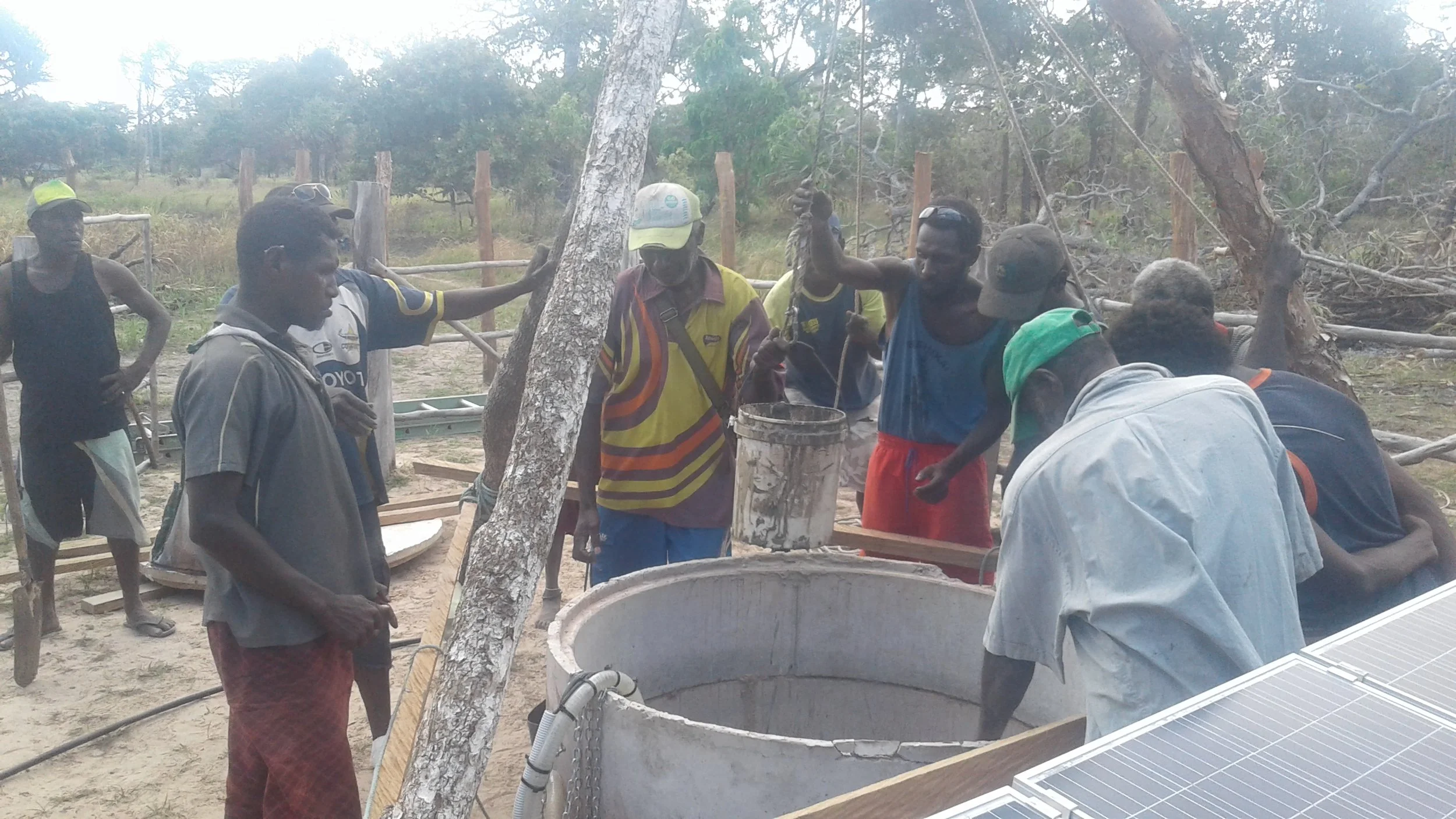
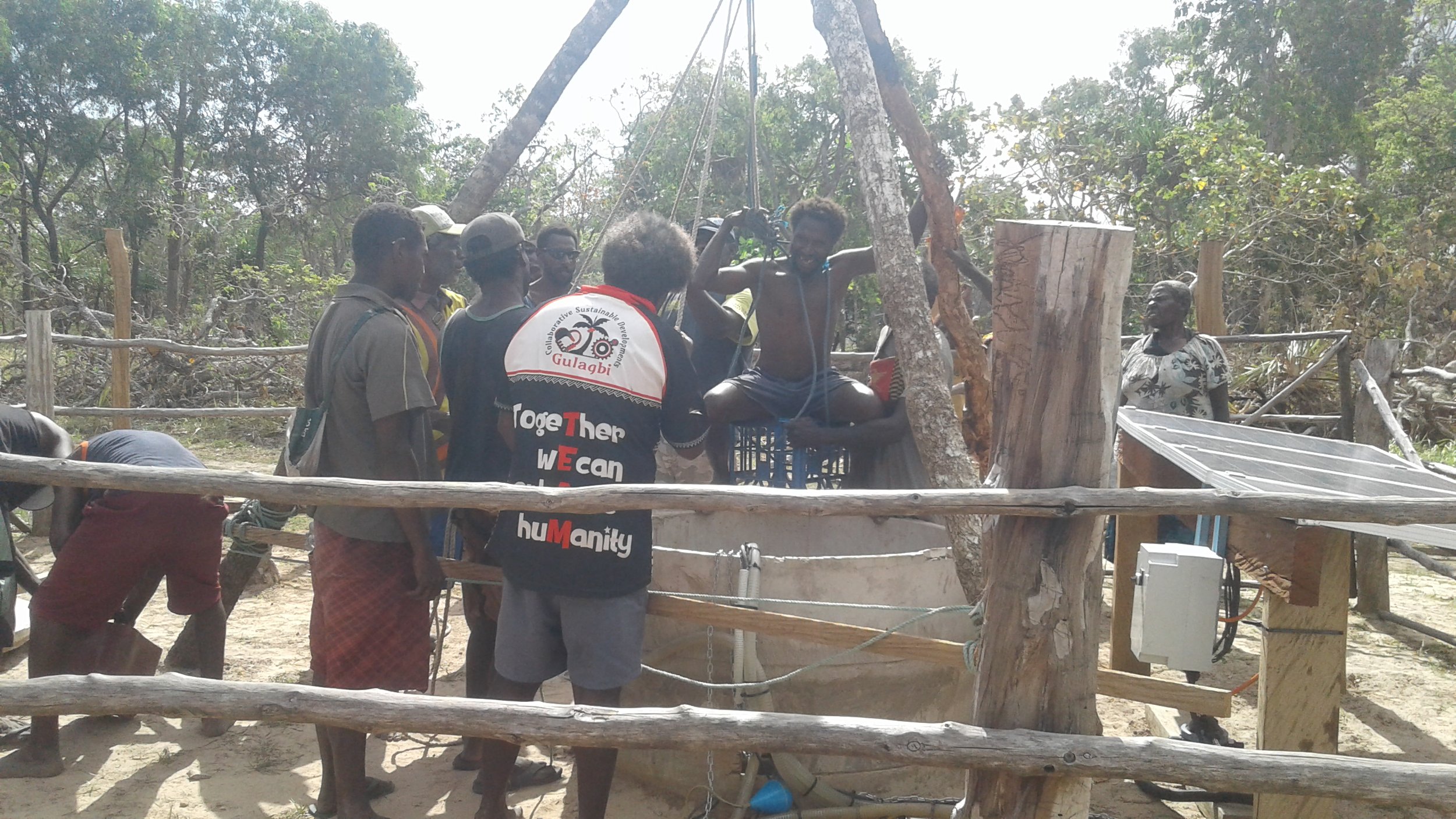
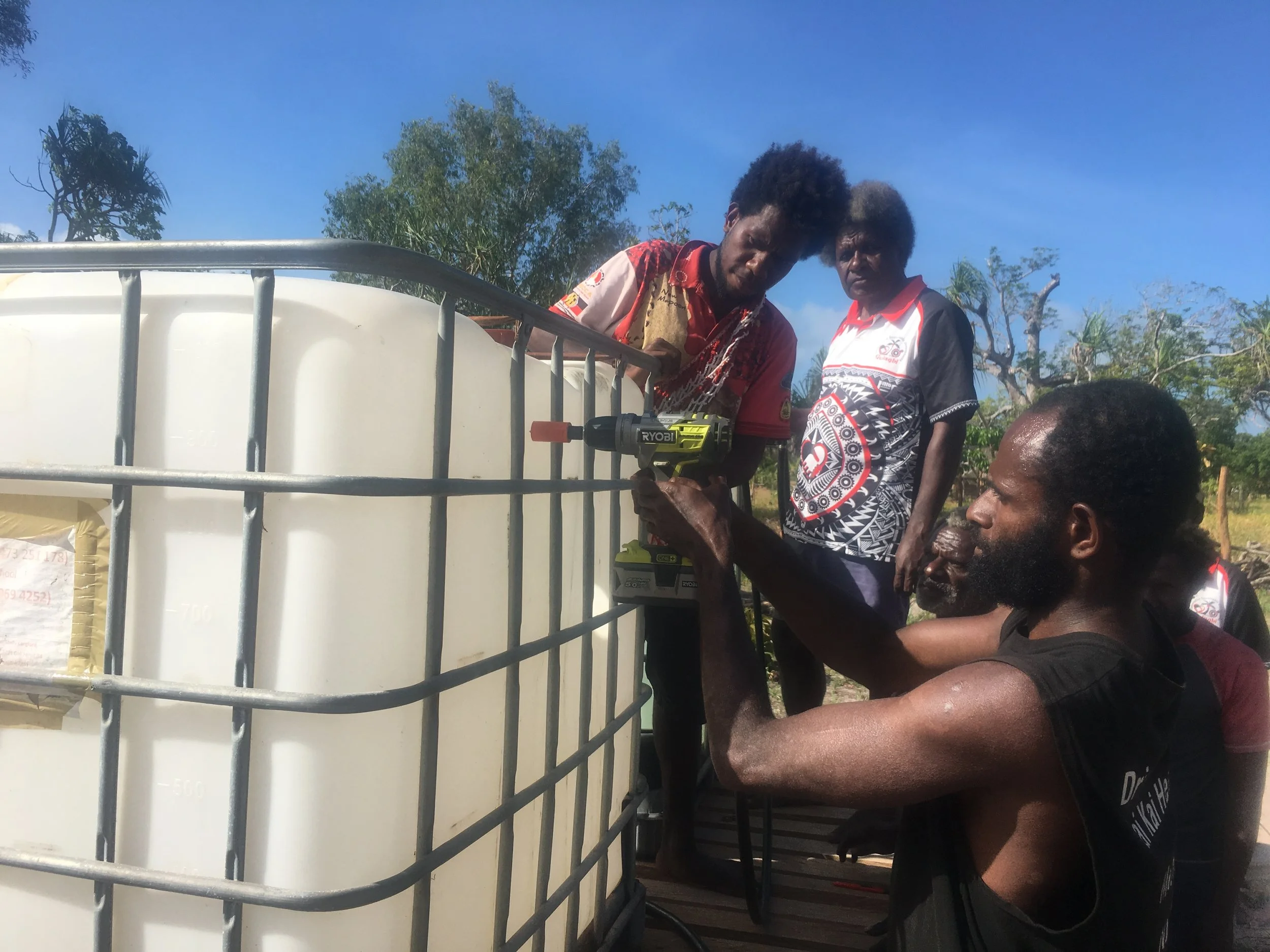
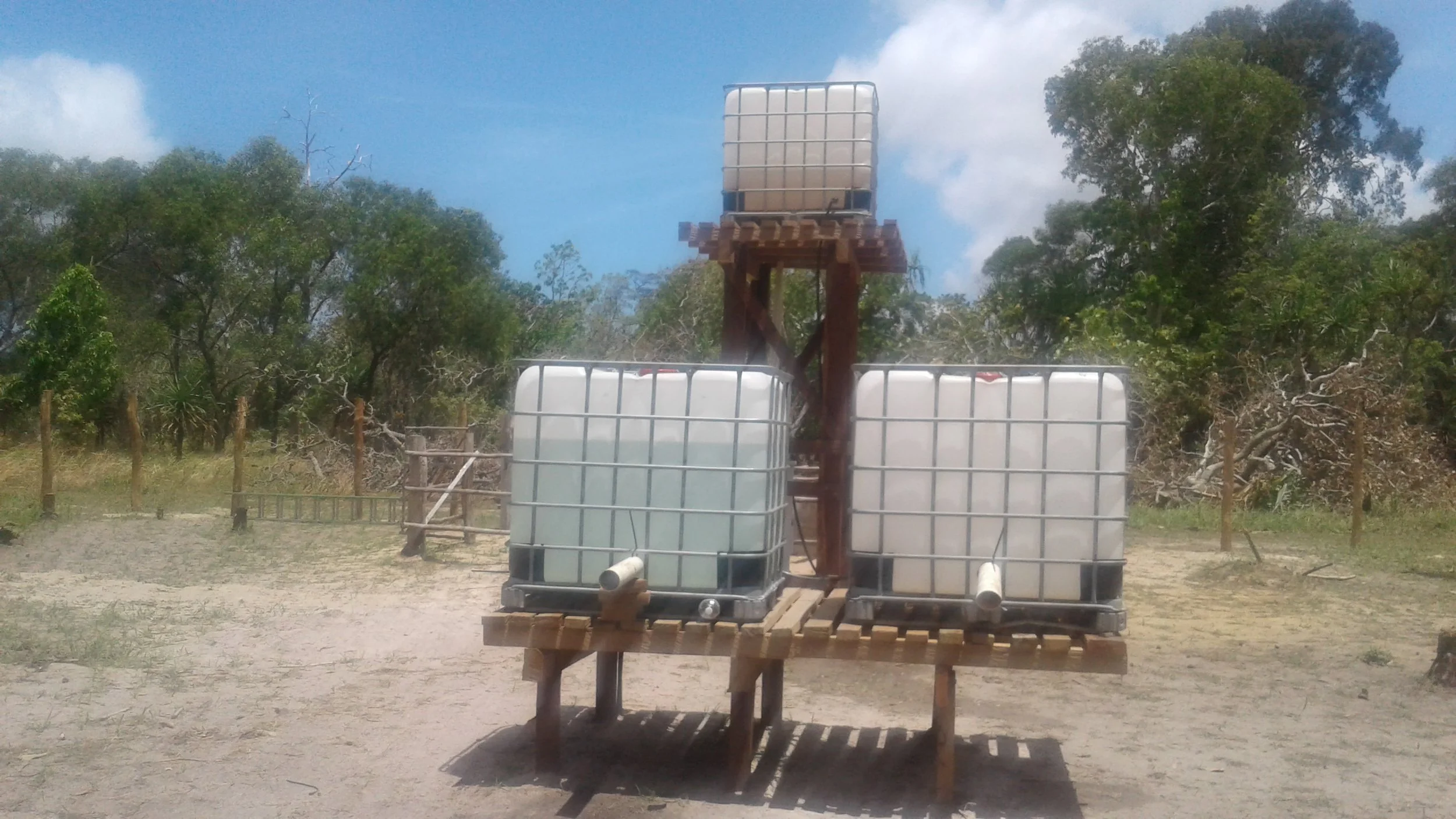
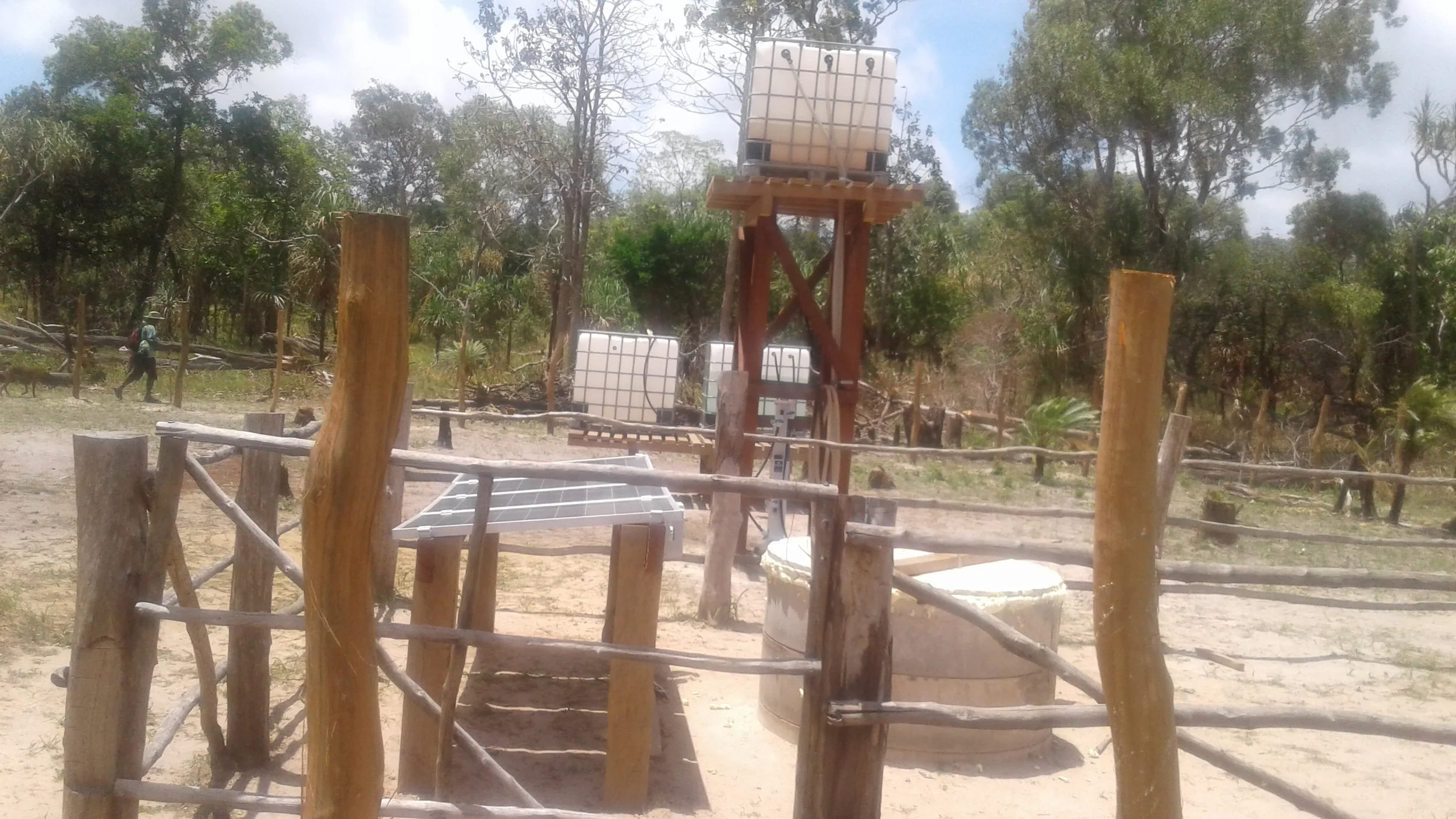
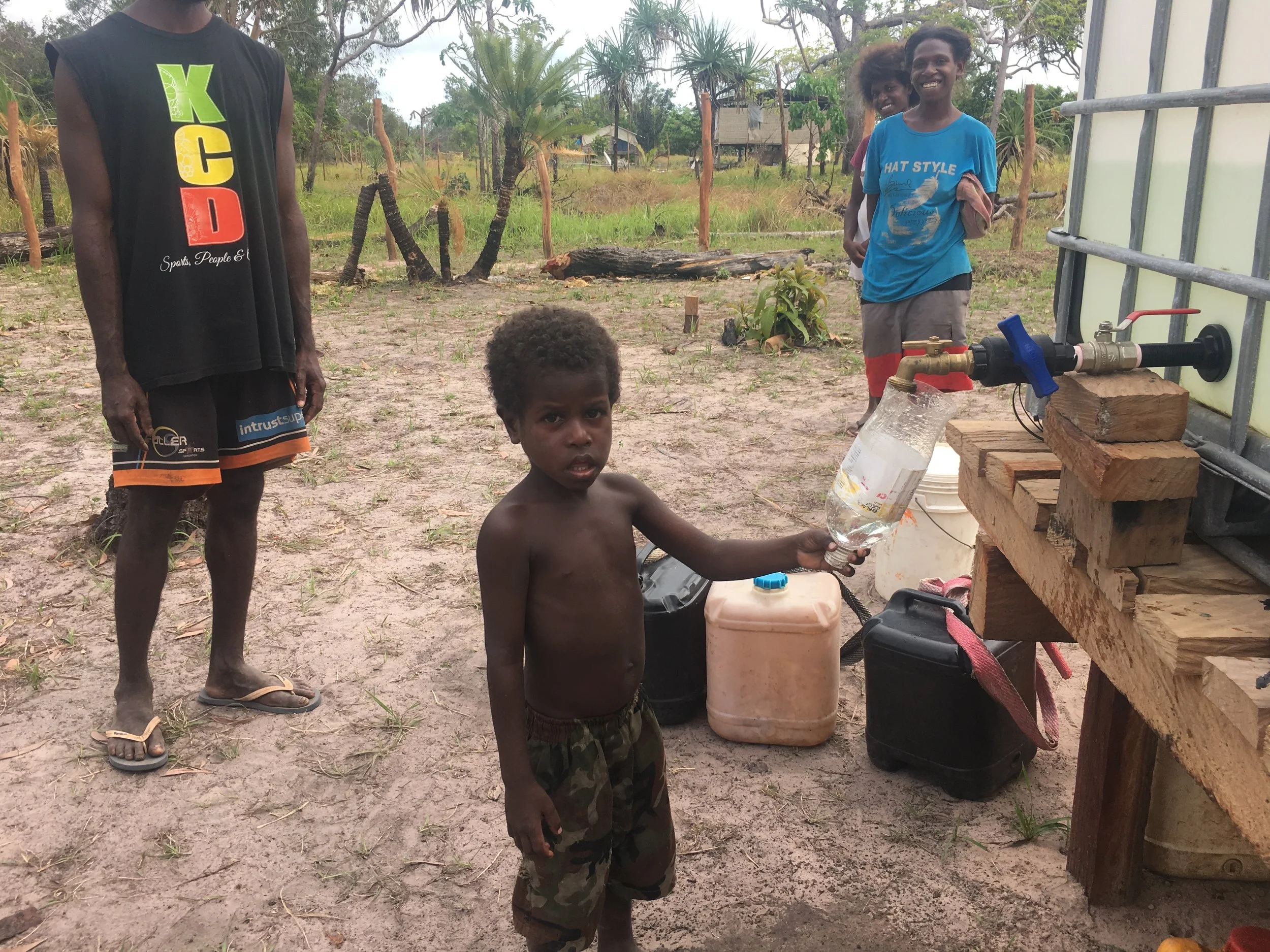
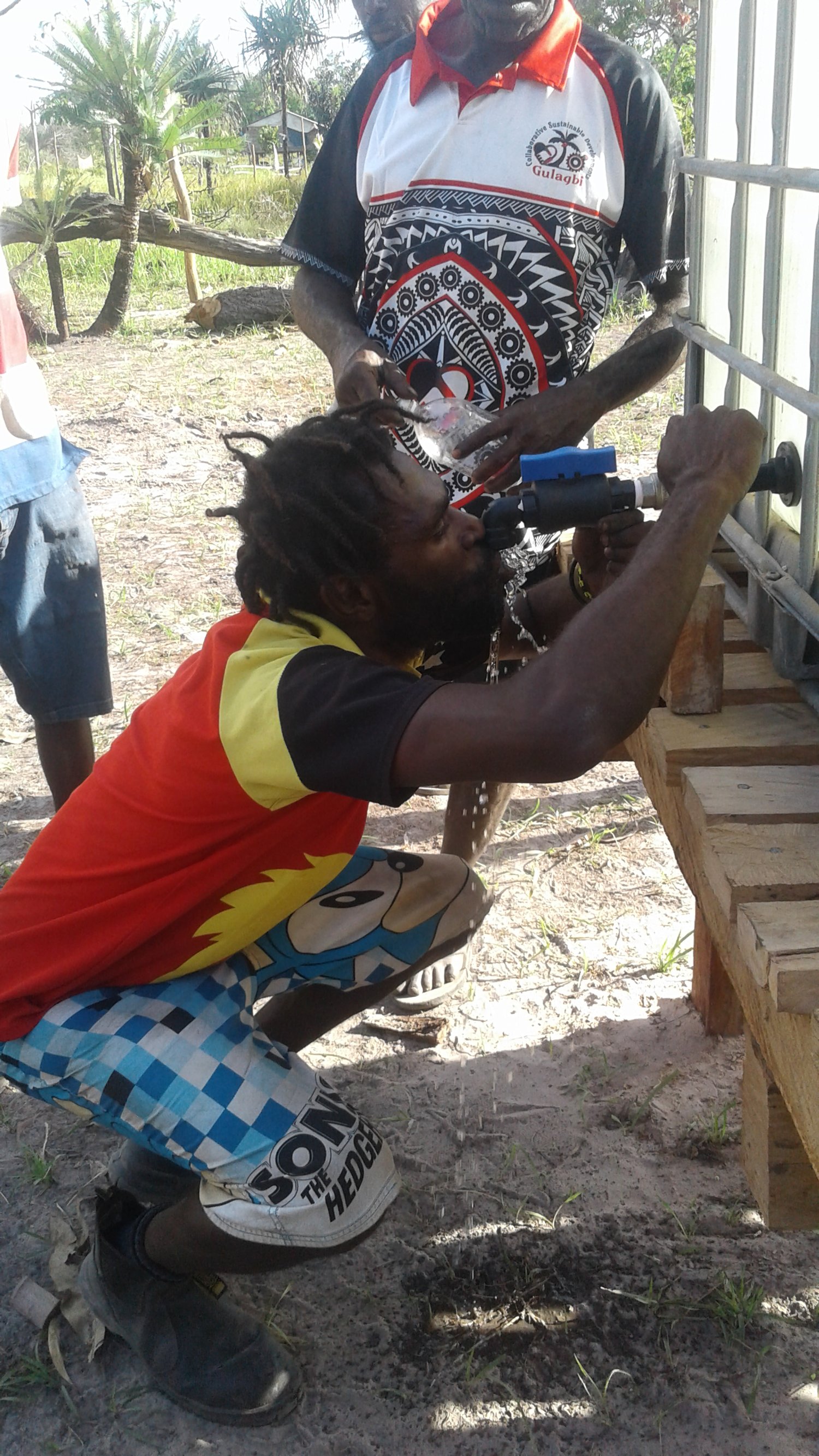
After sharing images of these conditions on social media, we were overwhelmed by the response. Within days, Brian Englefeild from the Robinvale Rotary Club contacted us, offering to fund a SkyHydrant system for the village. This innovative, solar-powered filtration system transforms contaminated water into safe, clean drinking water by removing bacteria, contaminants, and harmful particles—giving the village access to water they could finally trust.
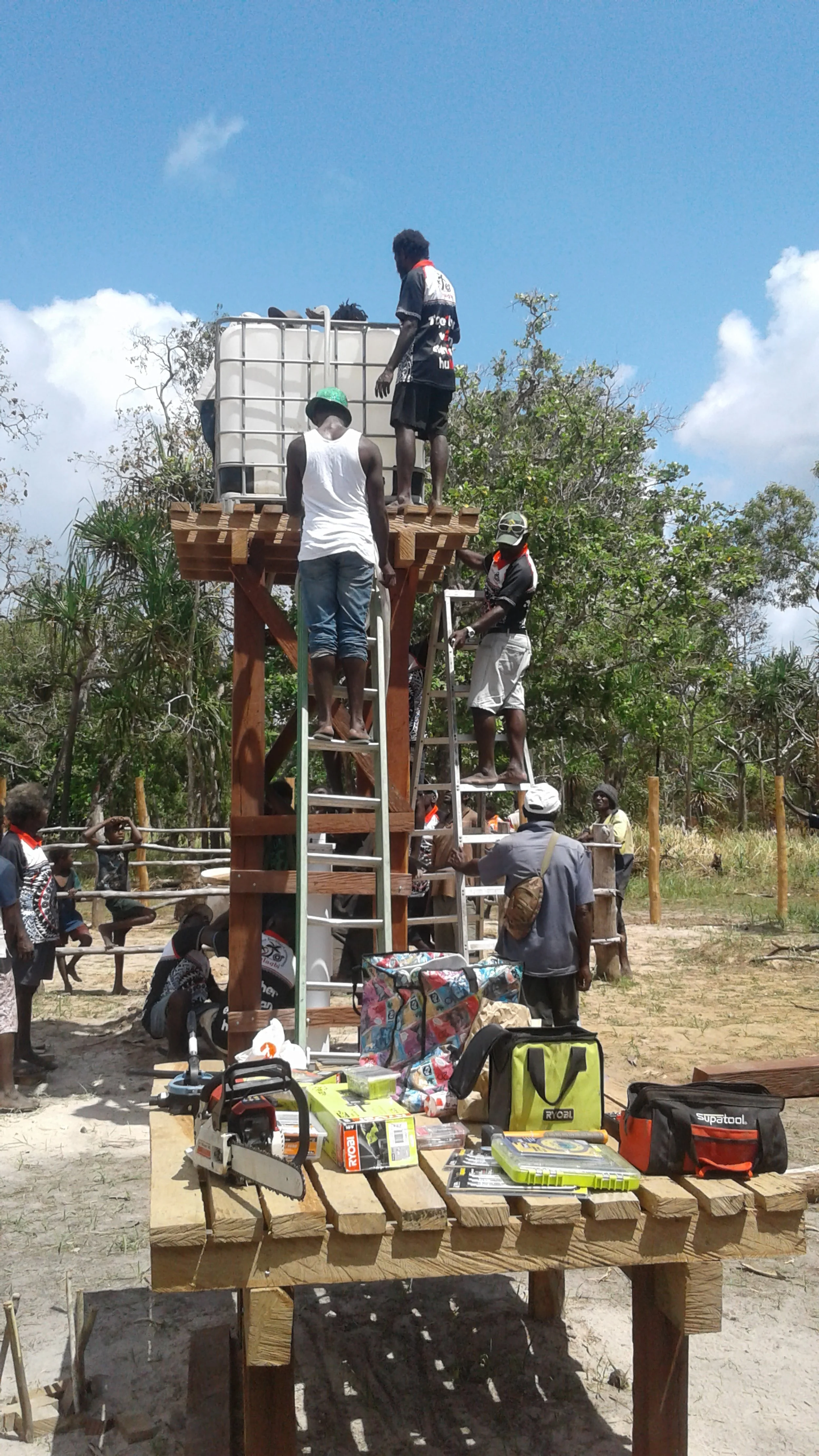
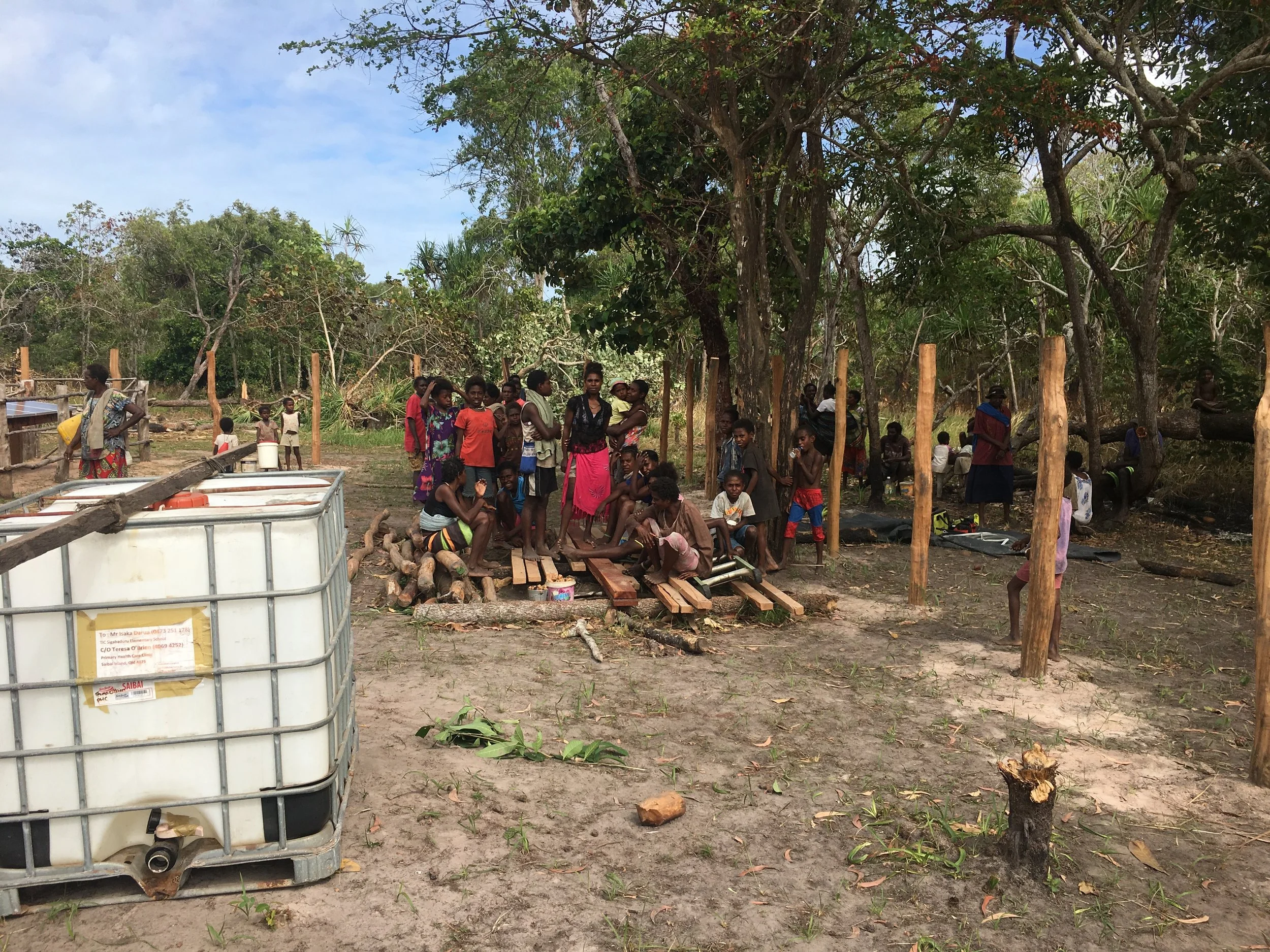
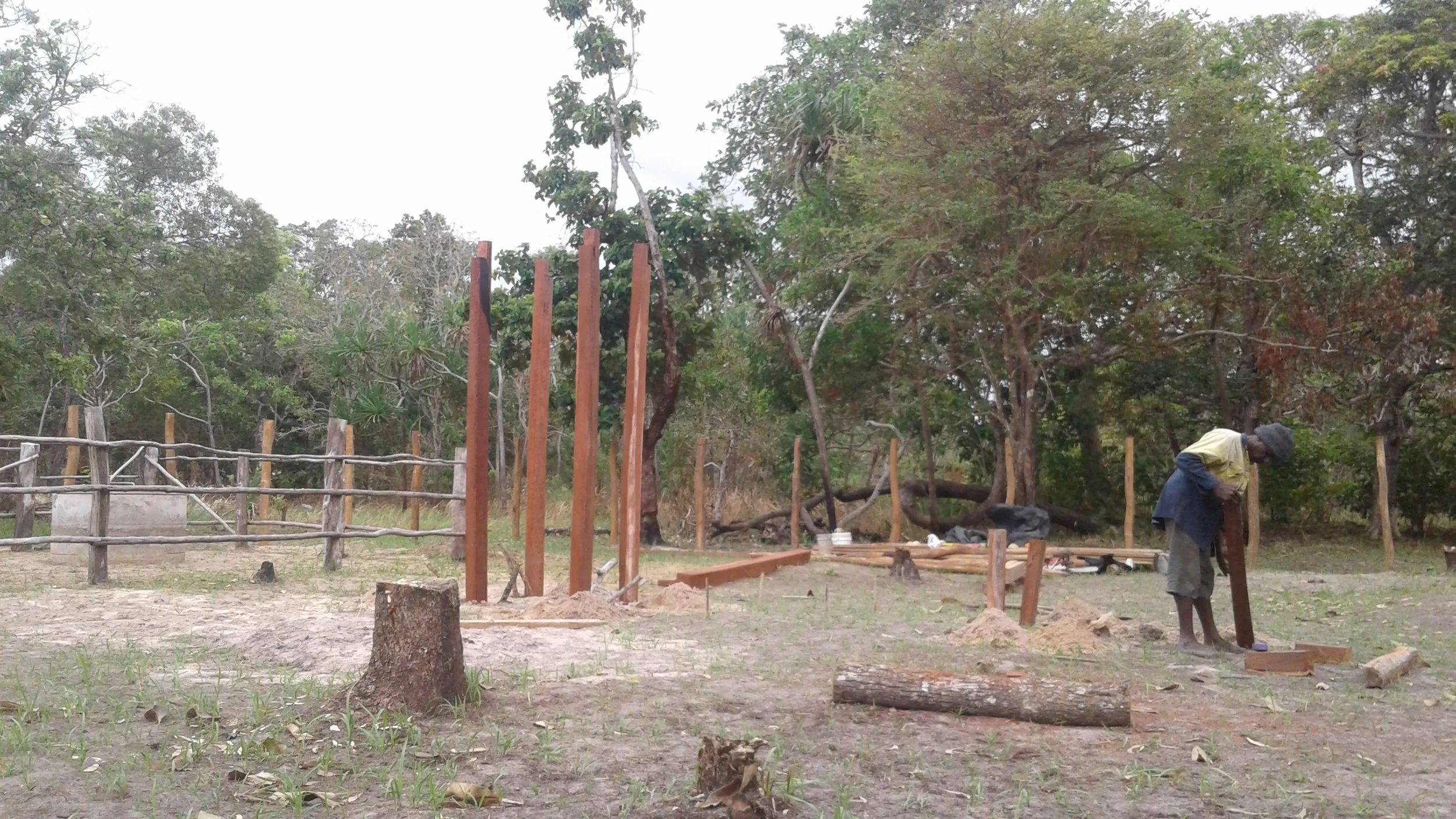
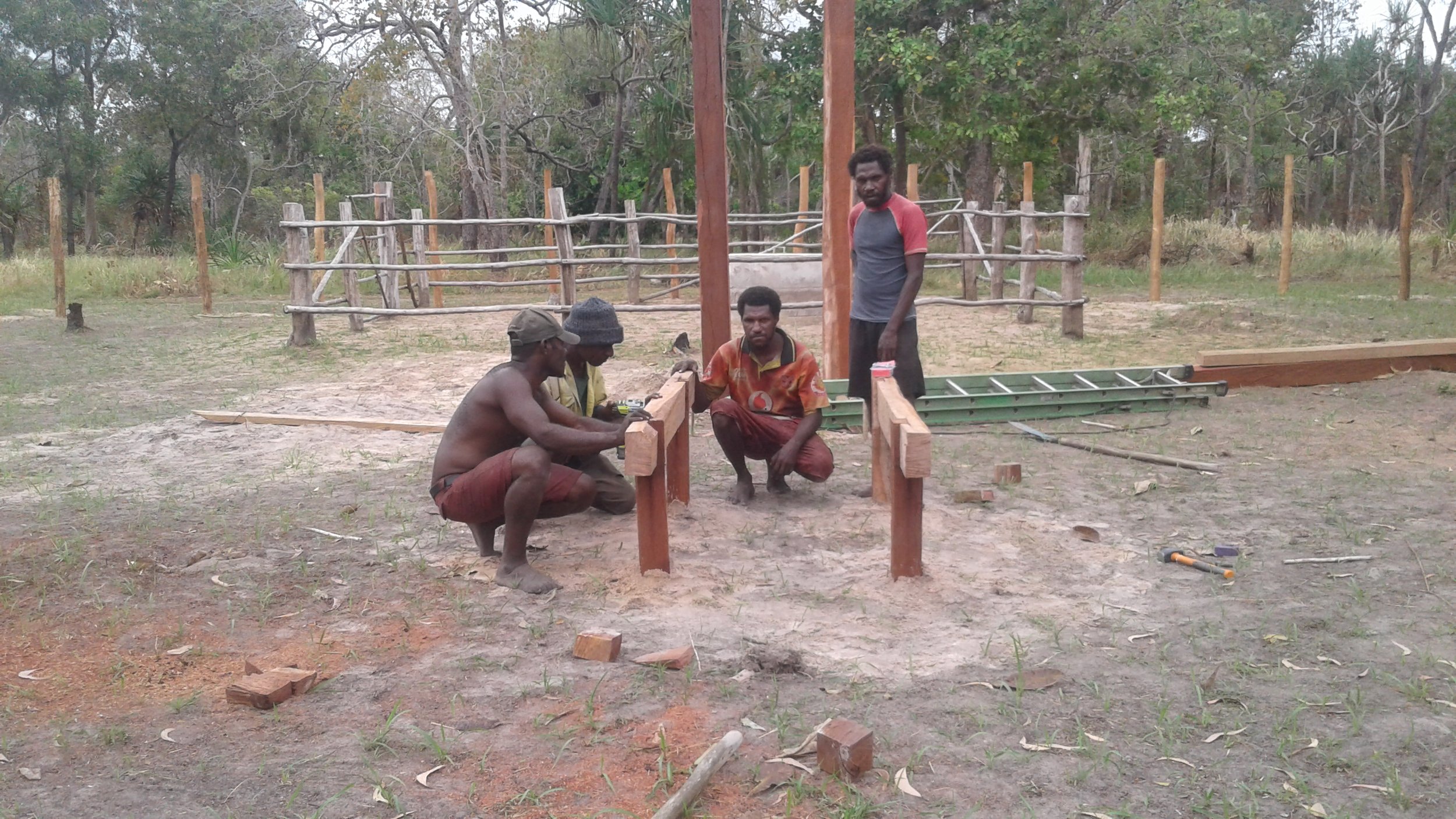
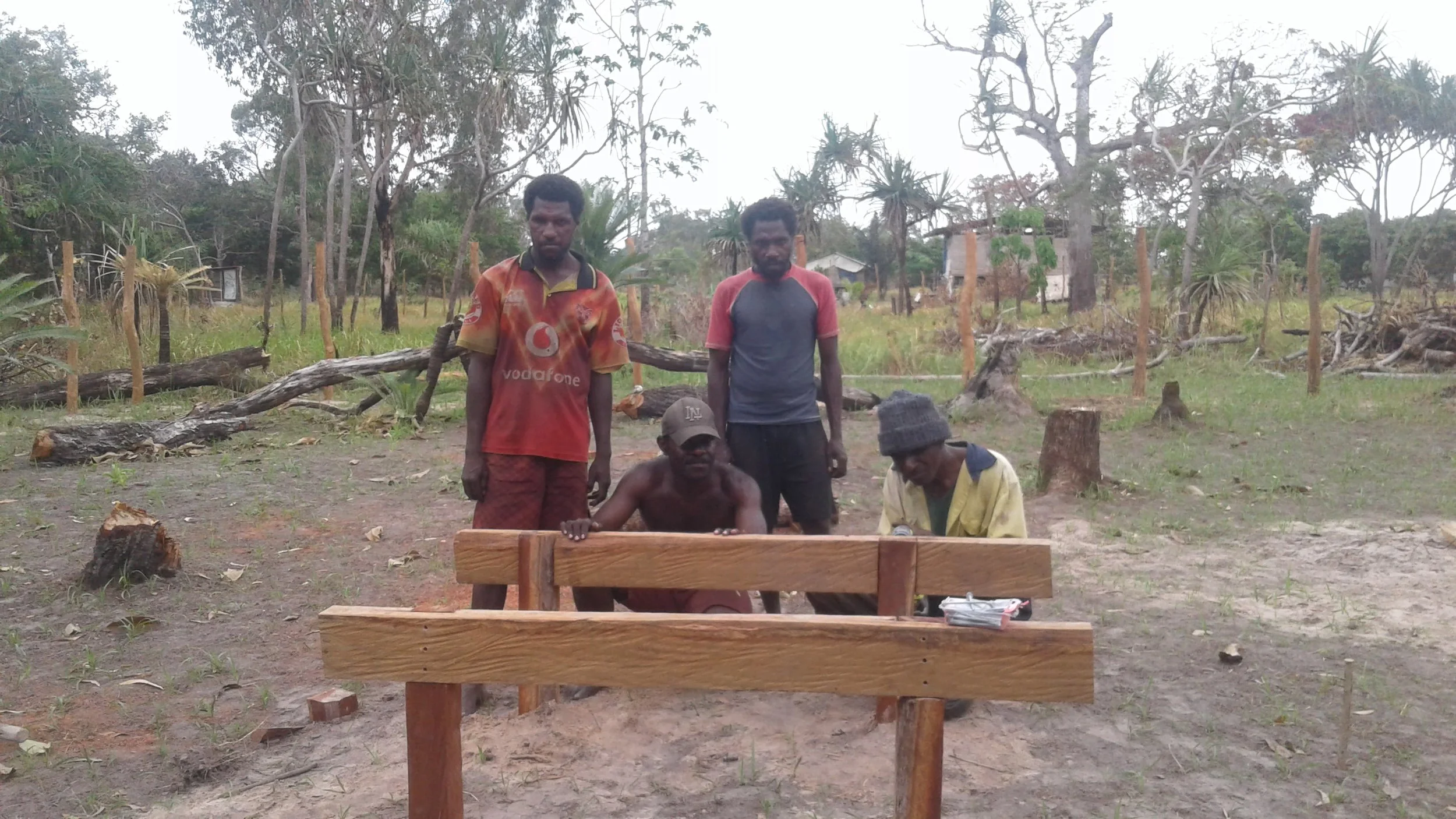
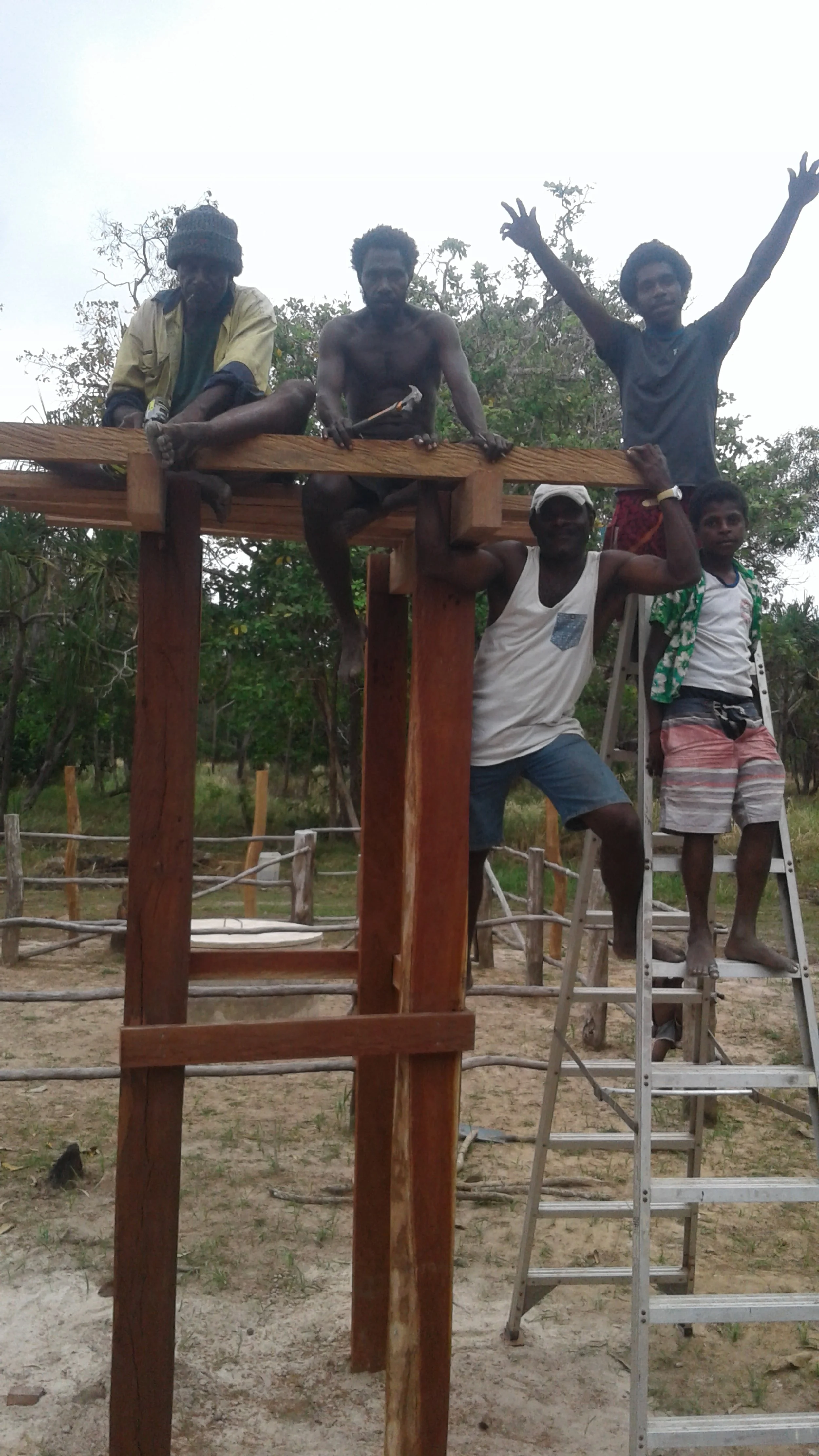
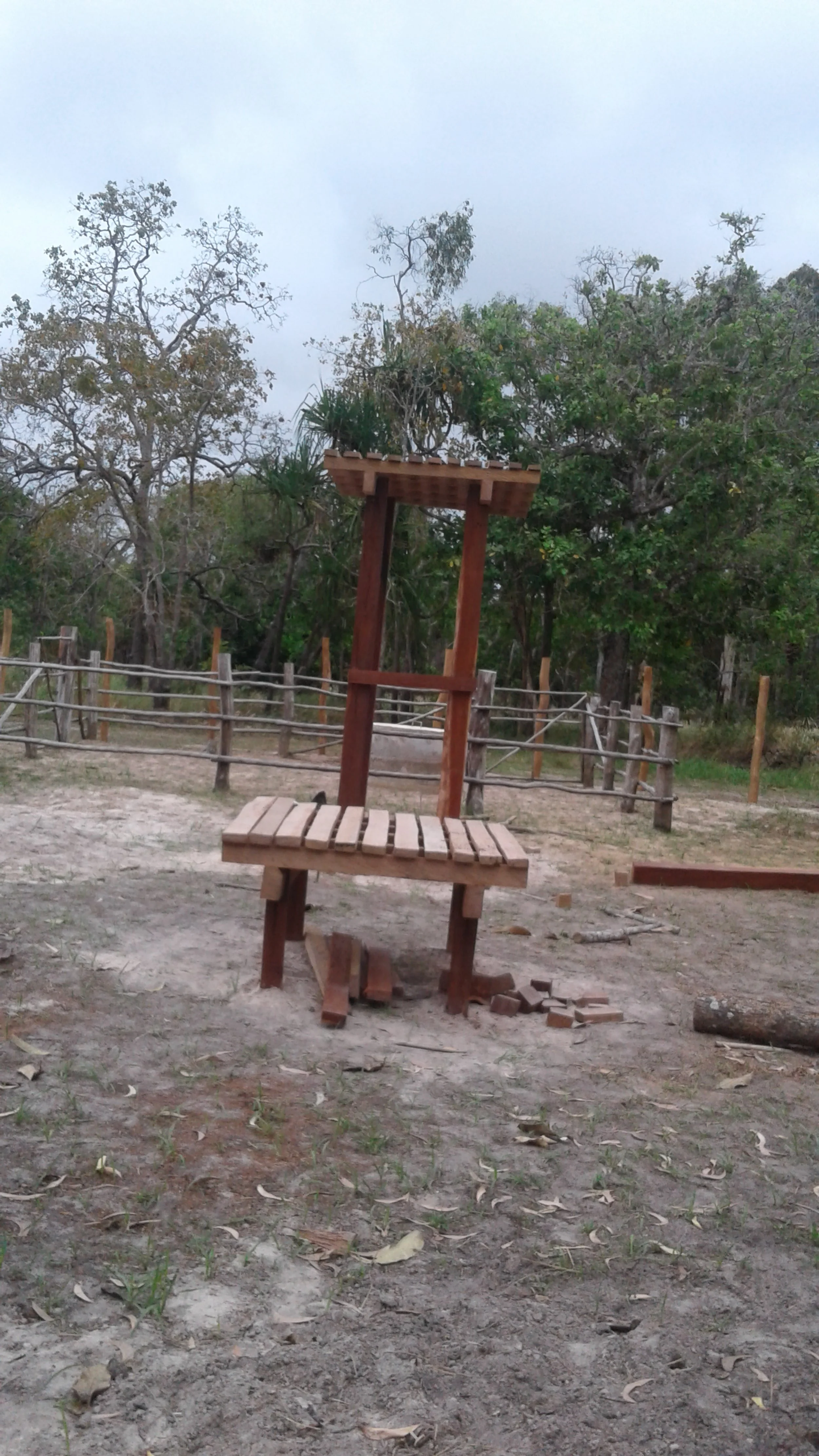
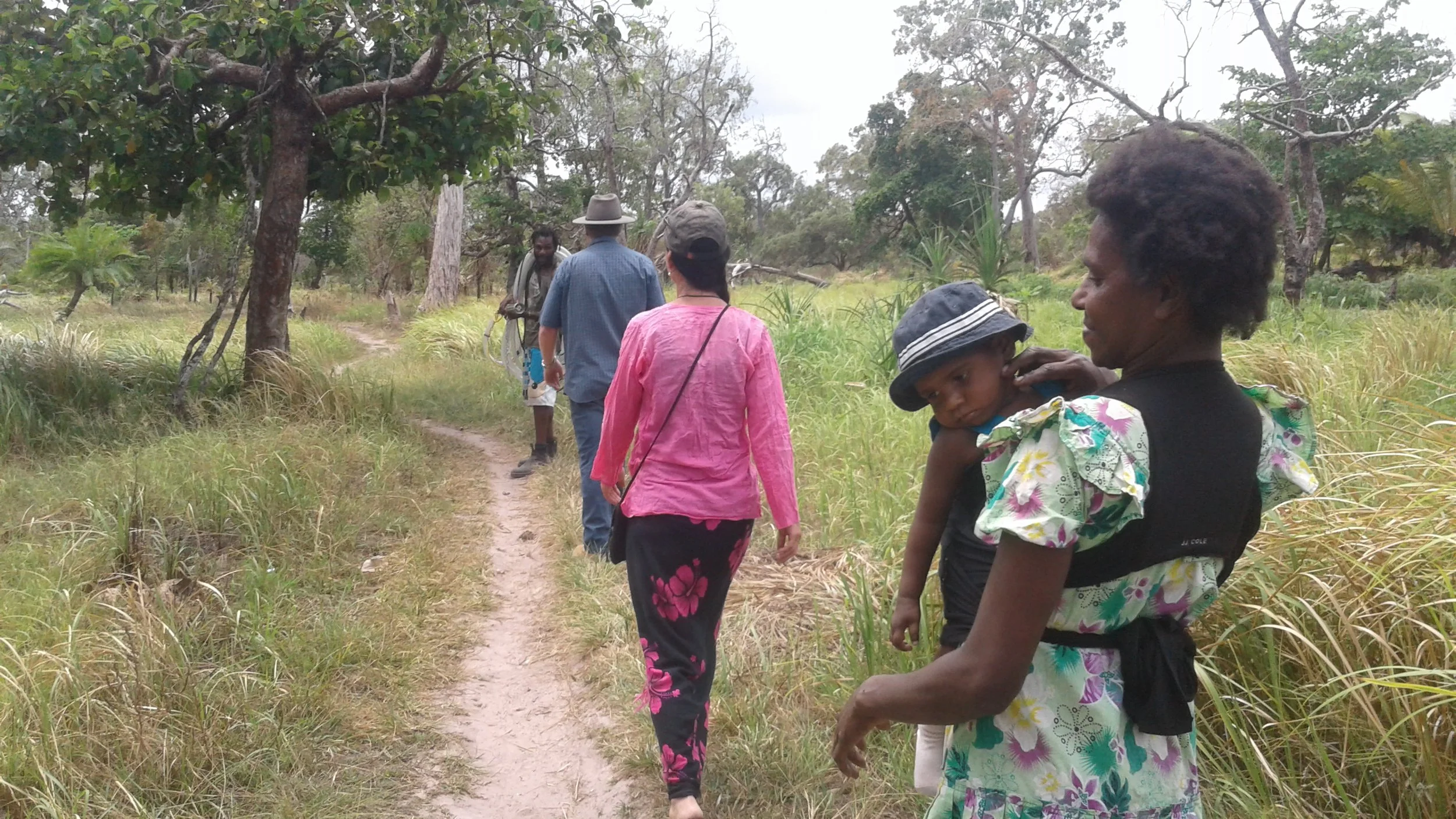
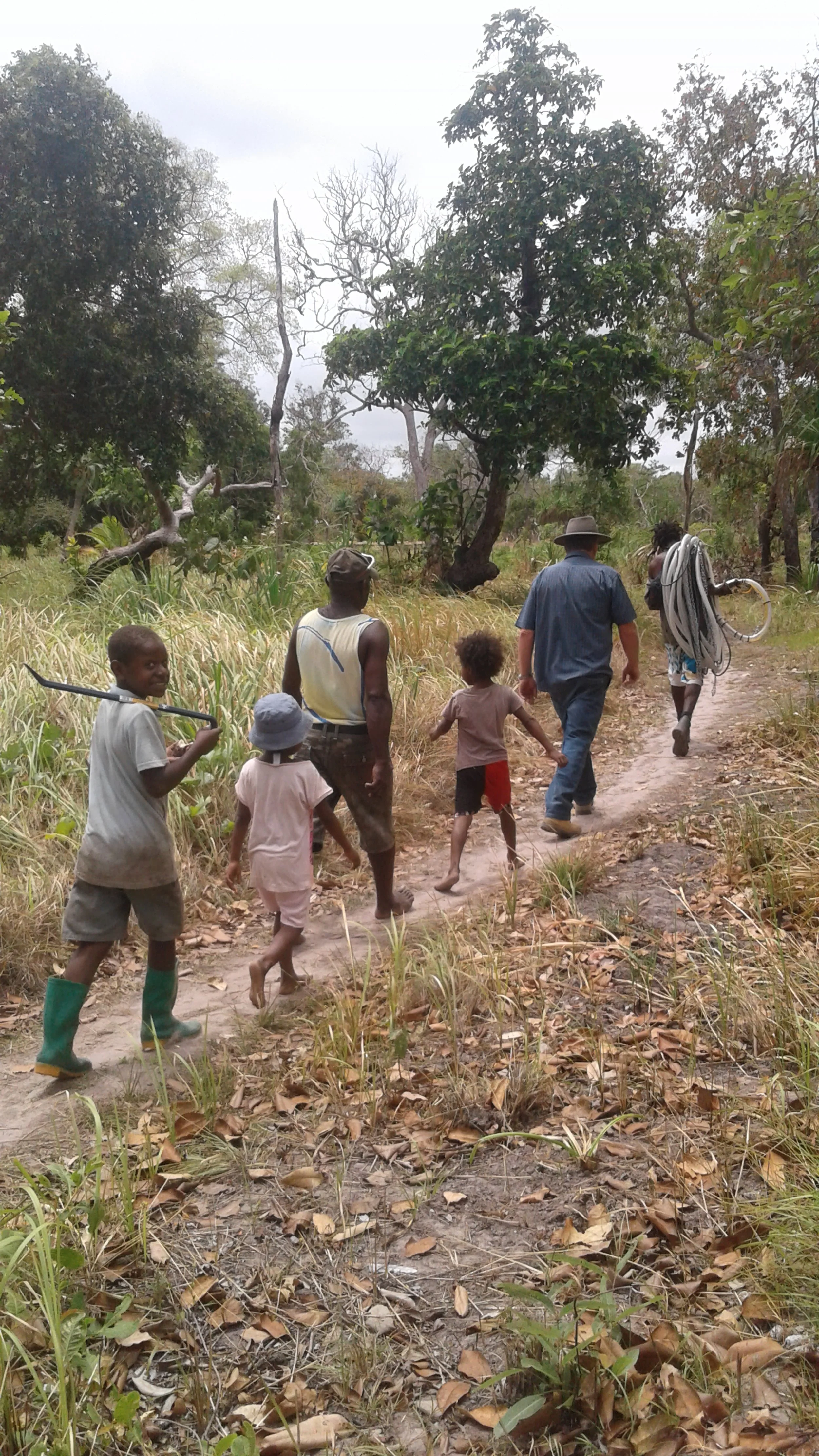
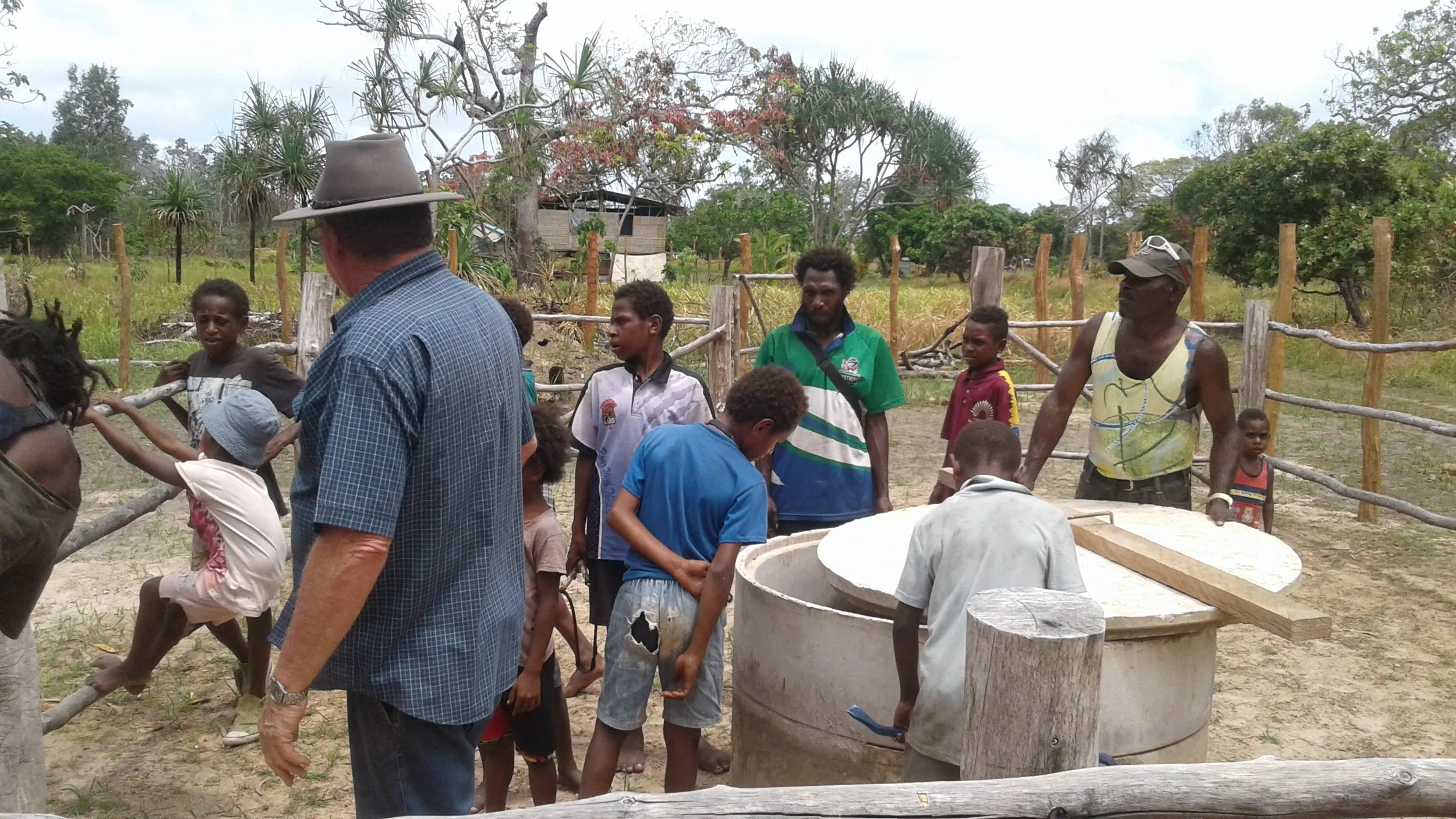
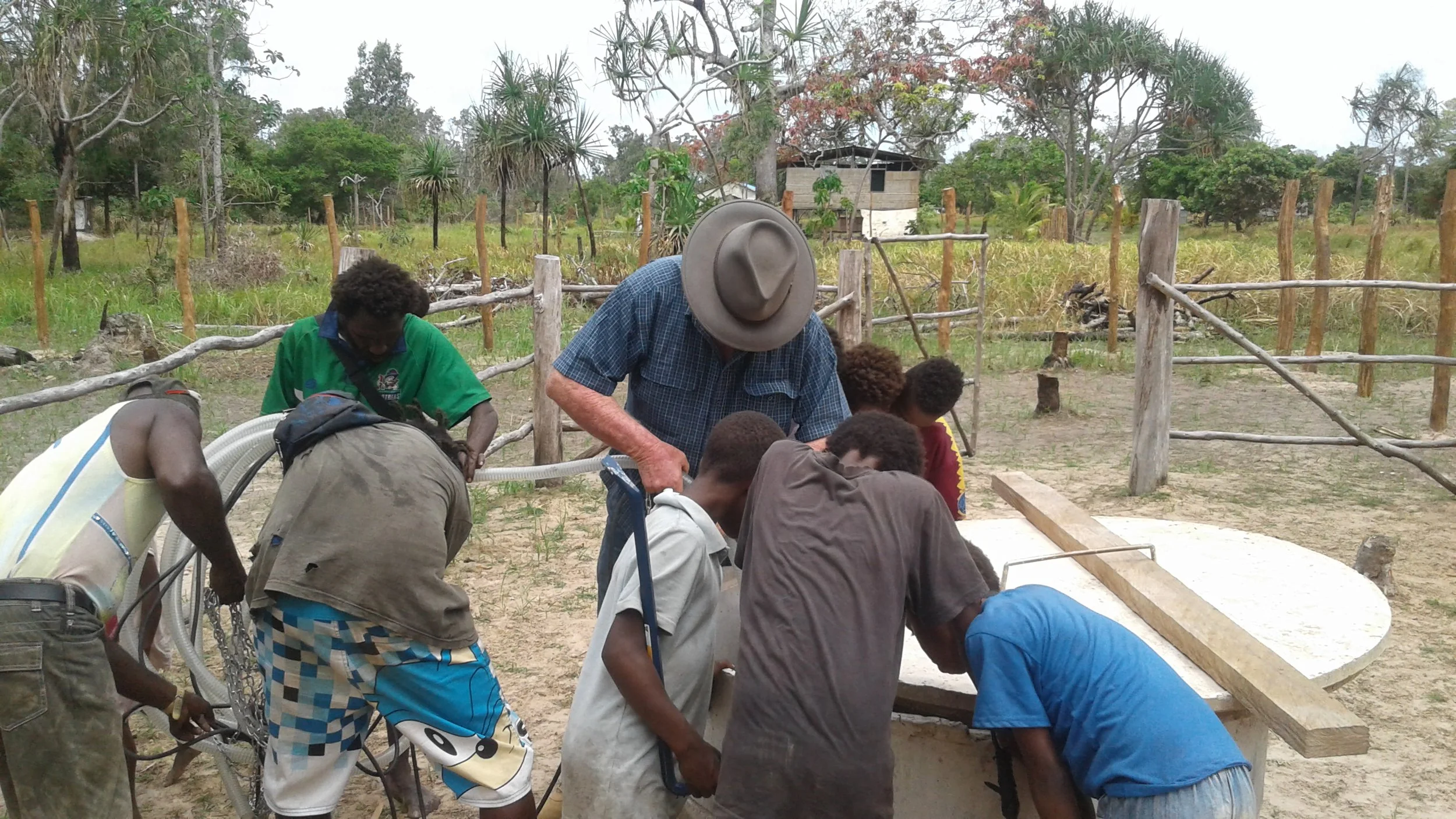
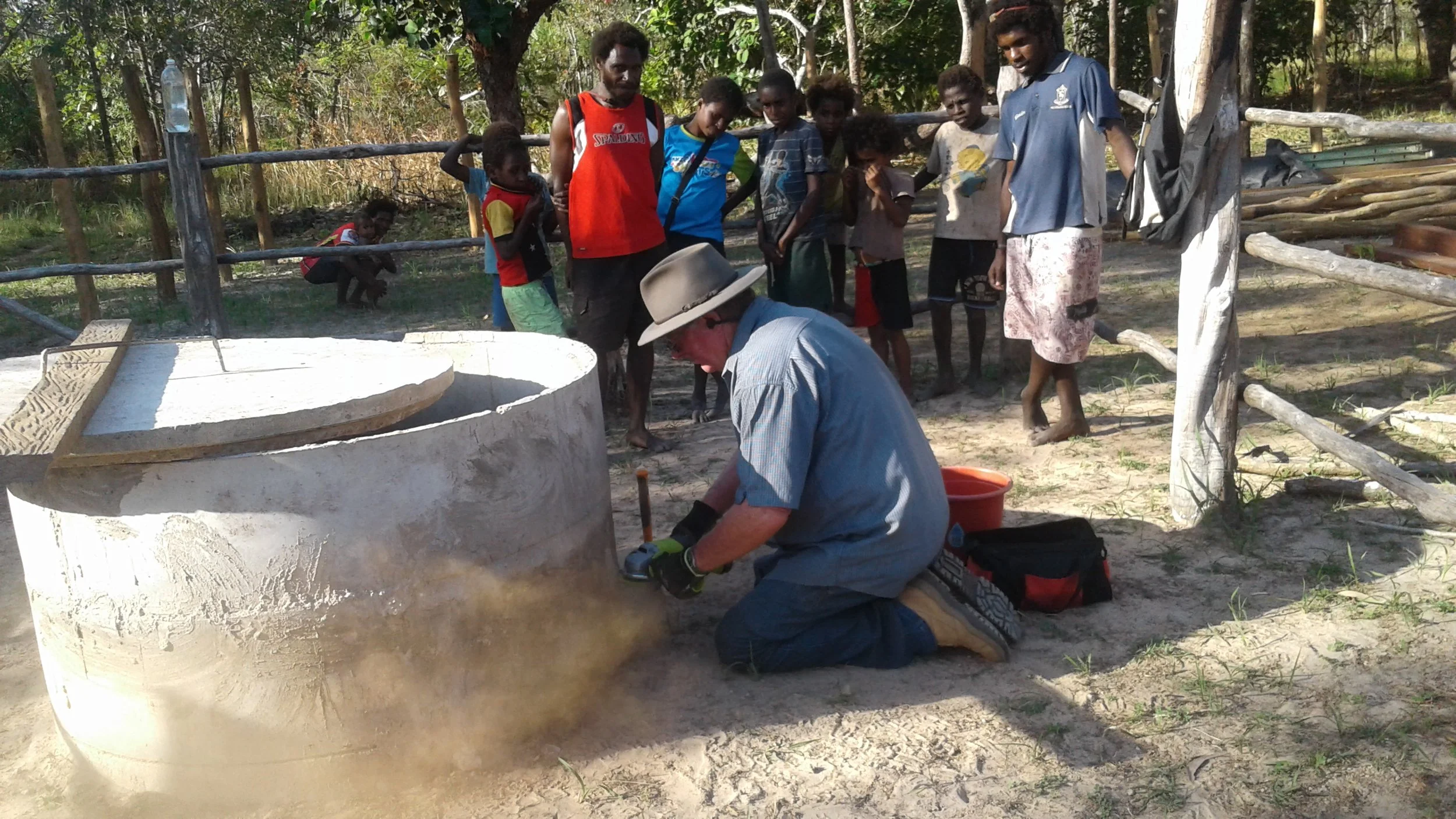
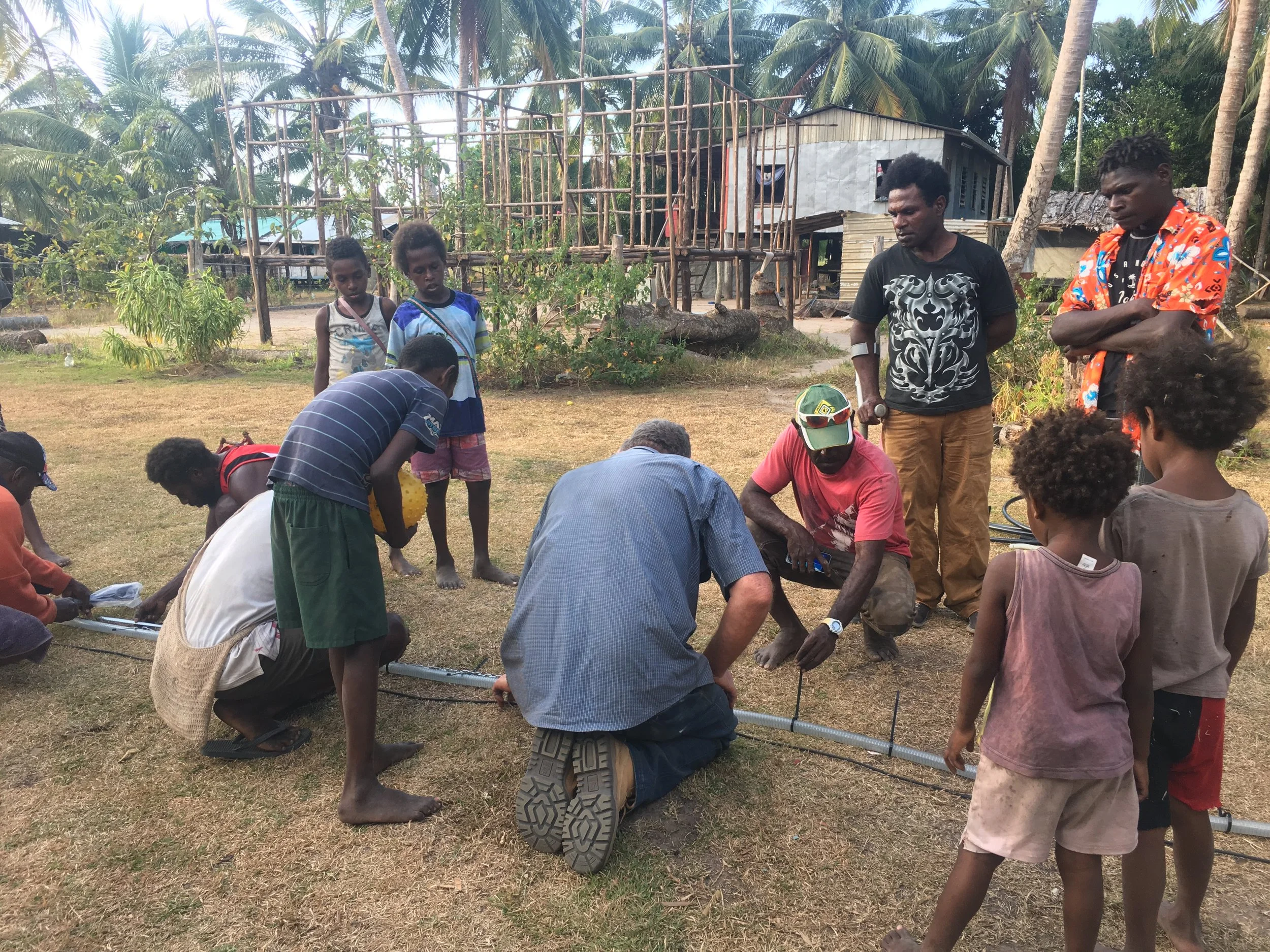
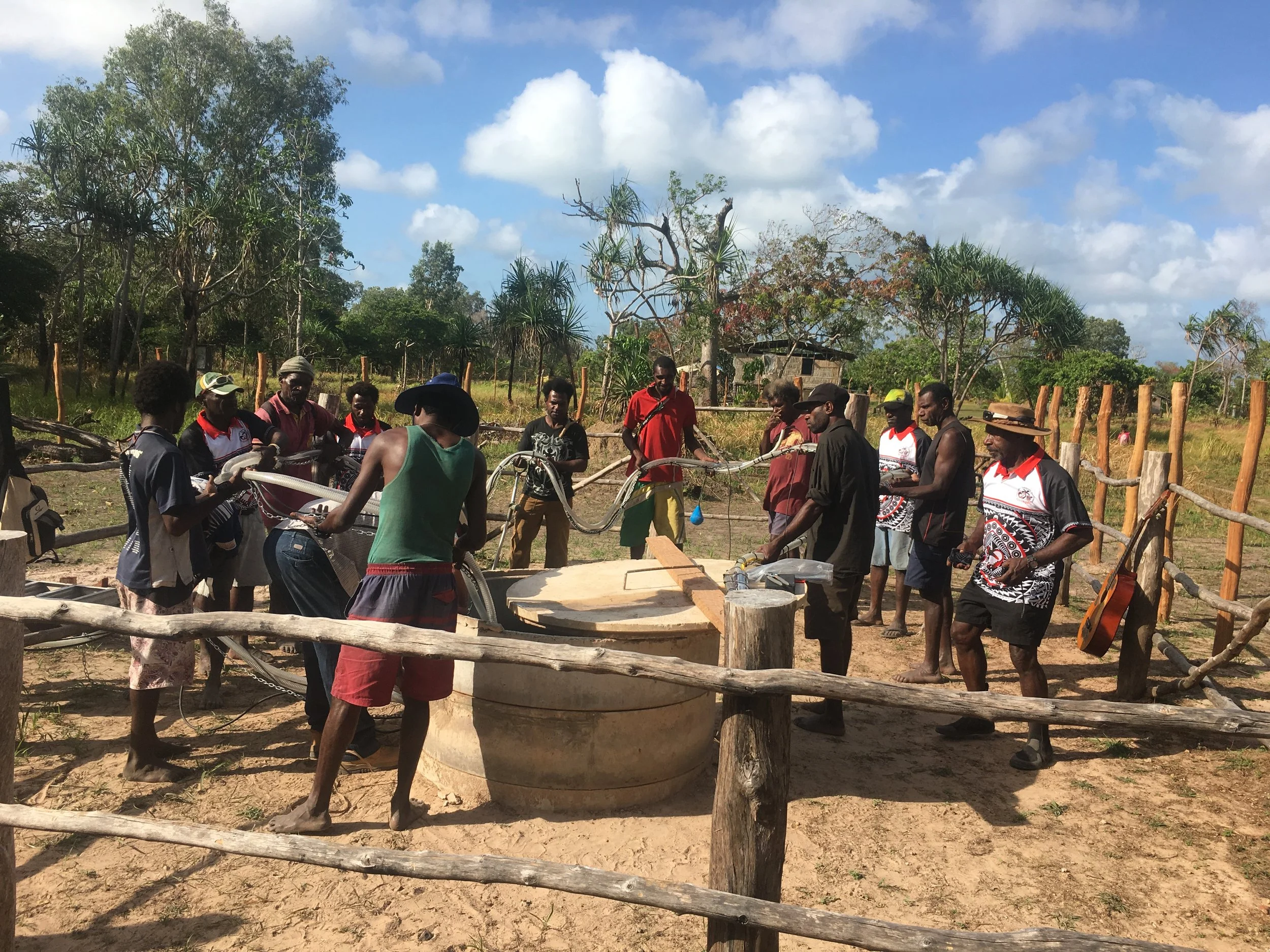
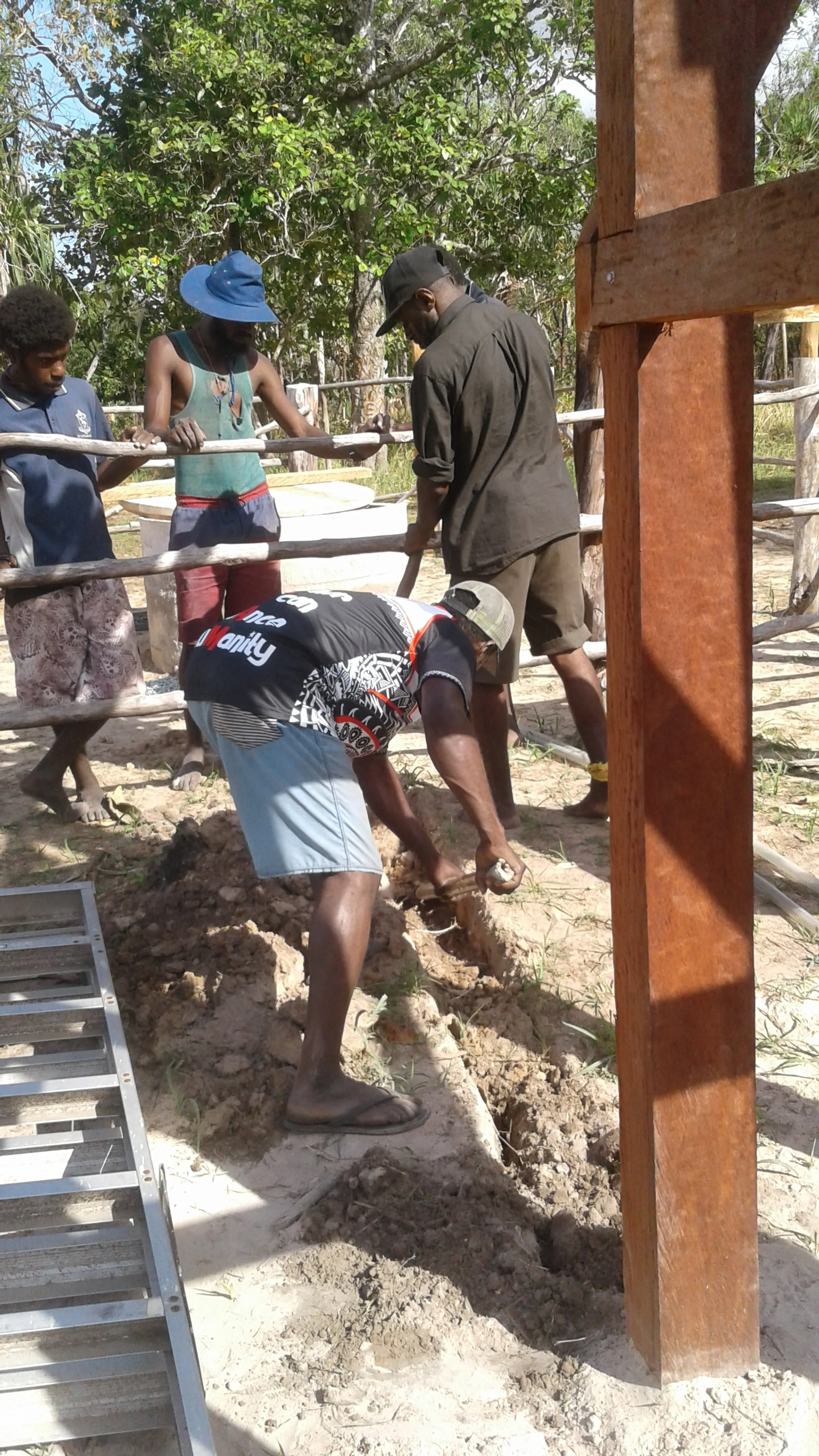
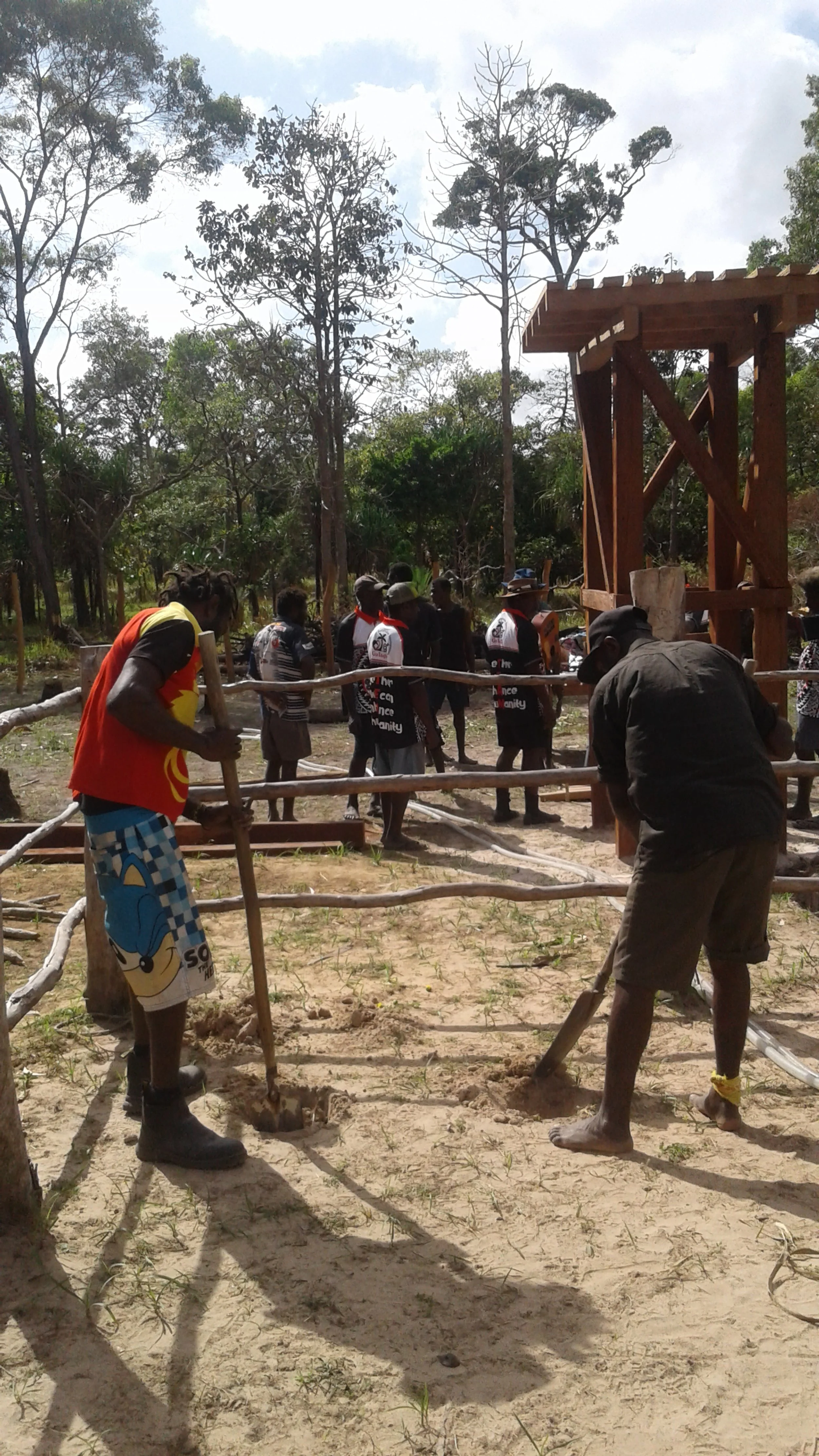
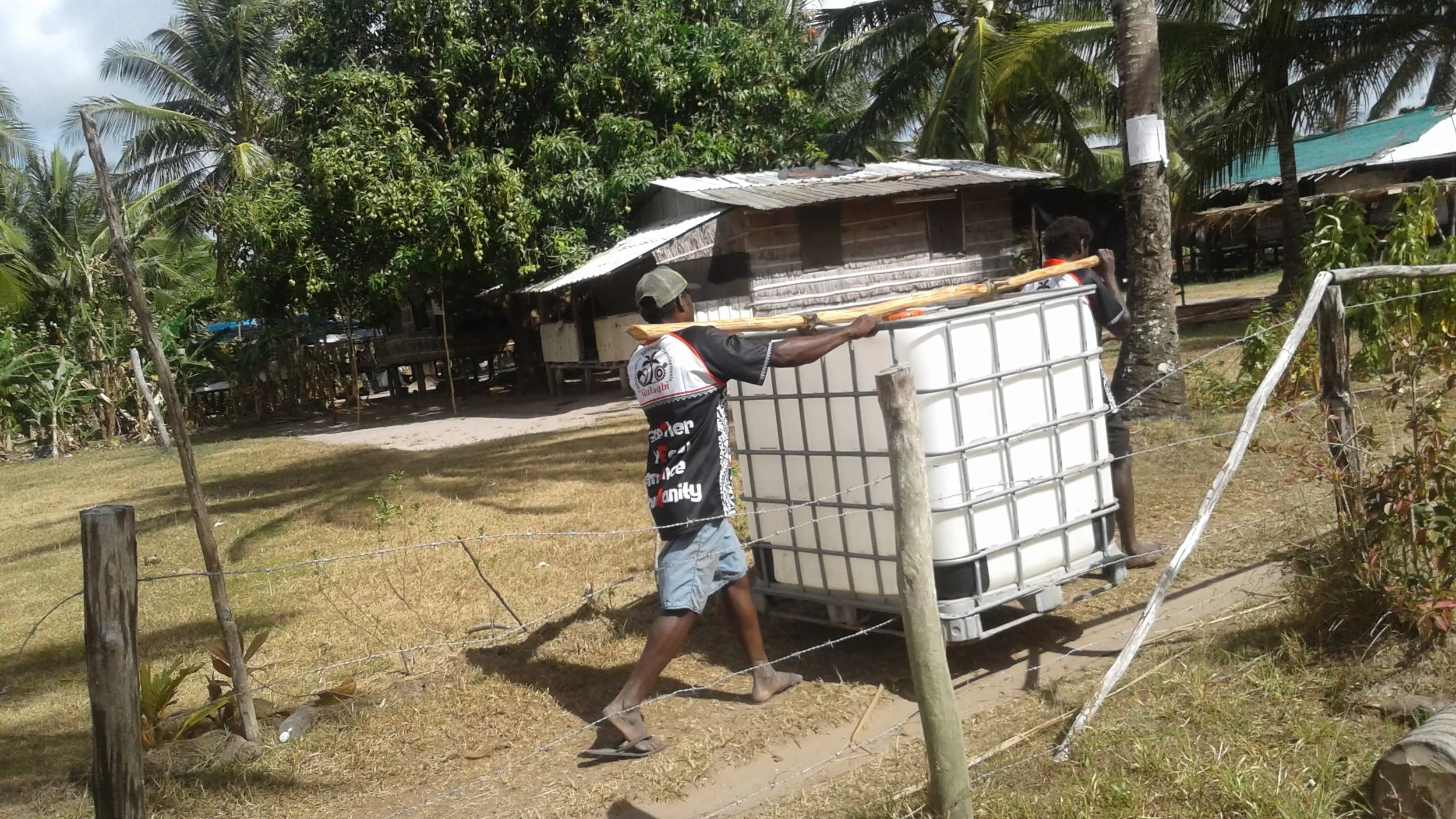
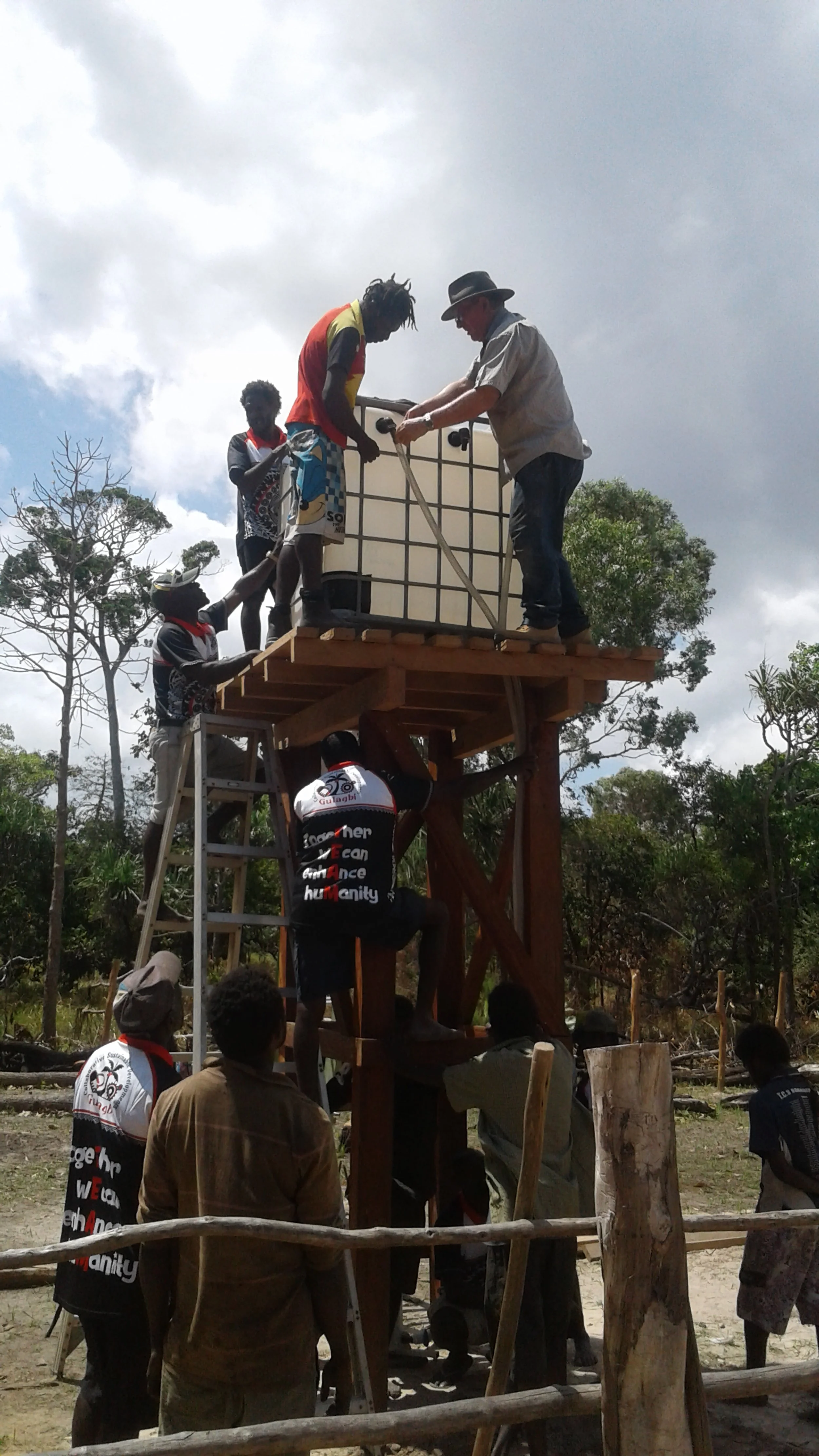
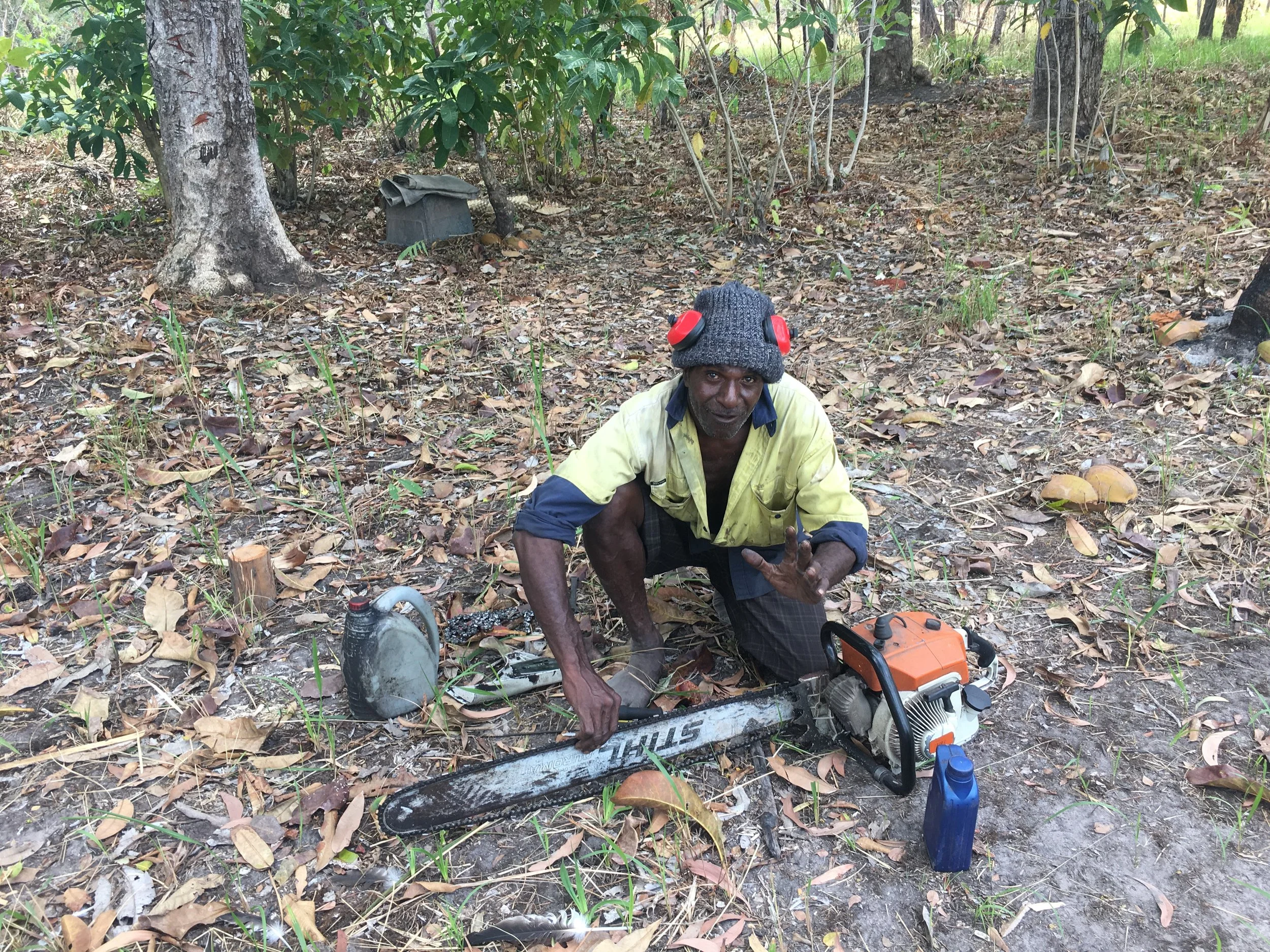
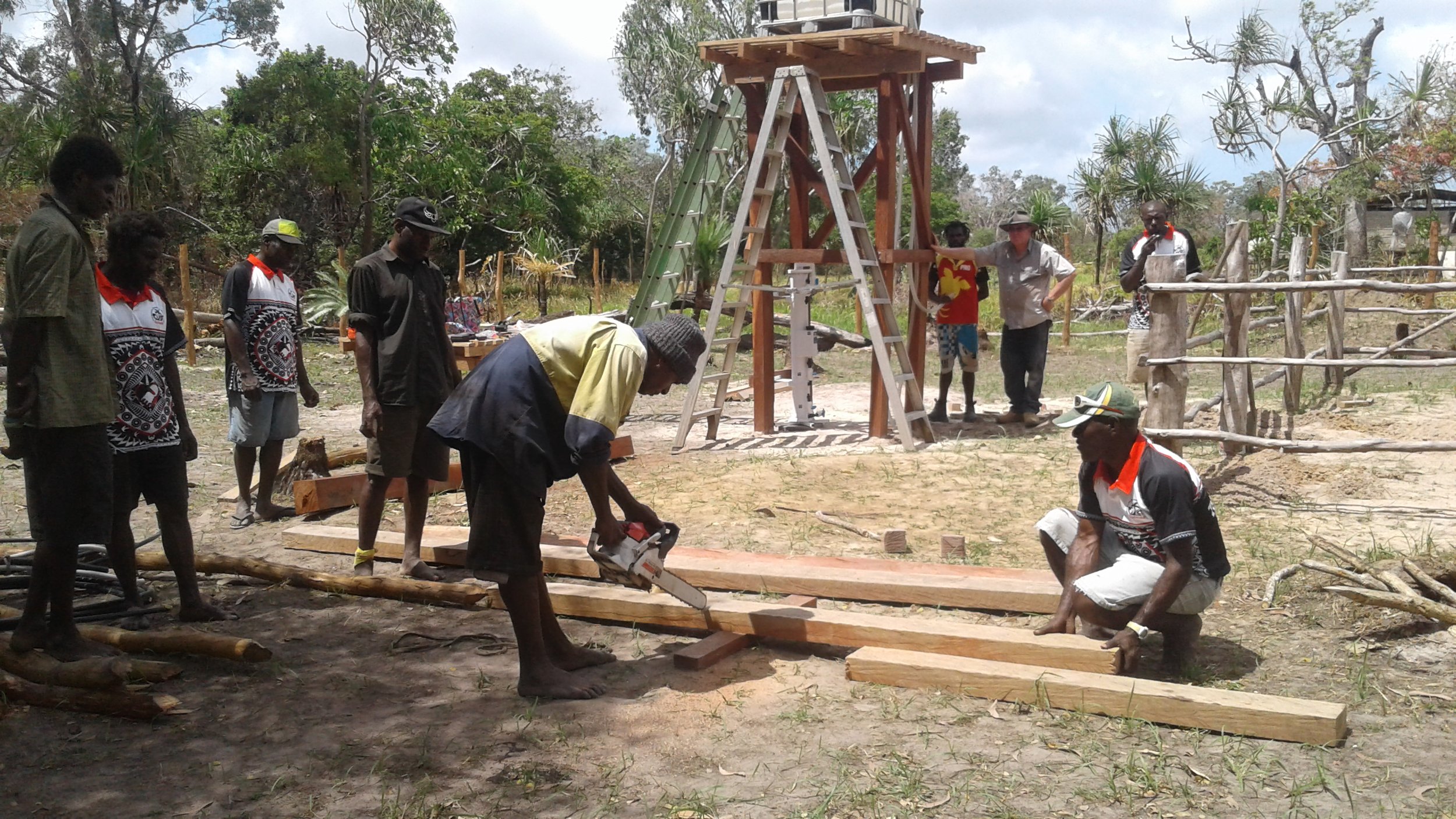
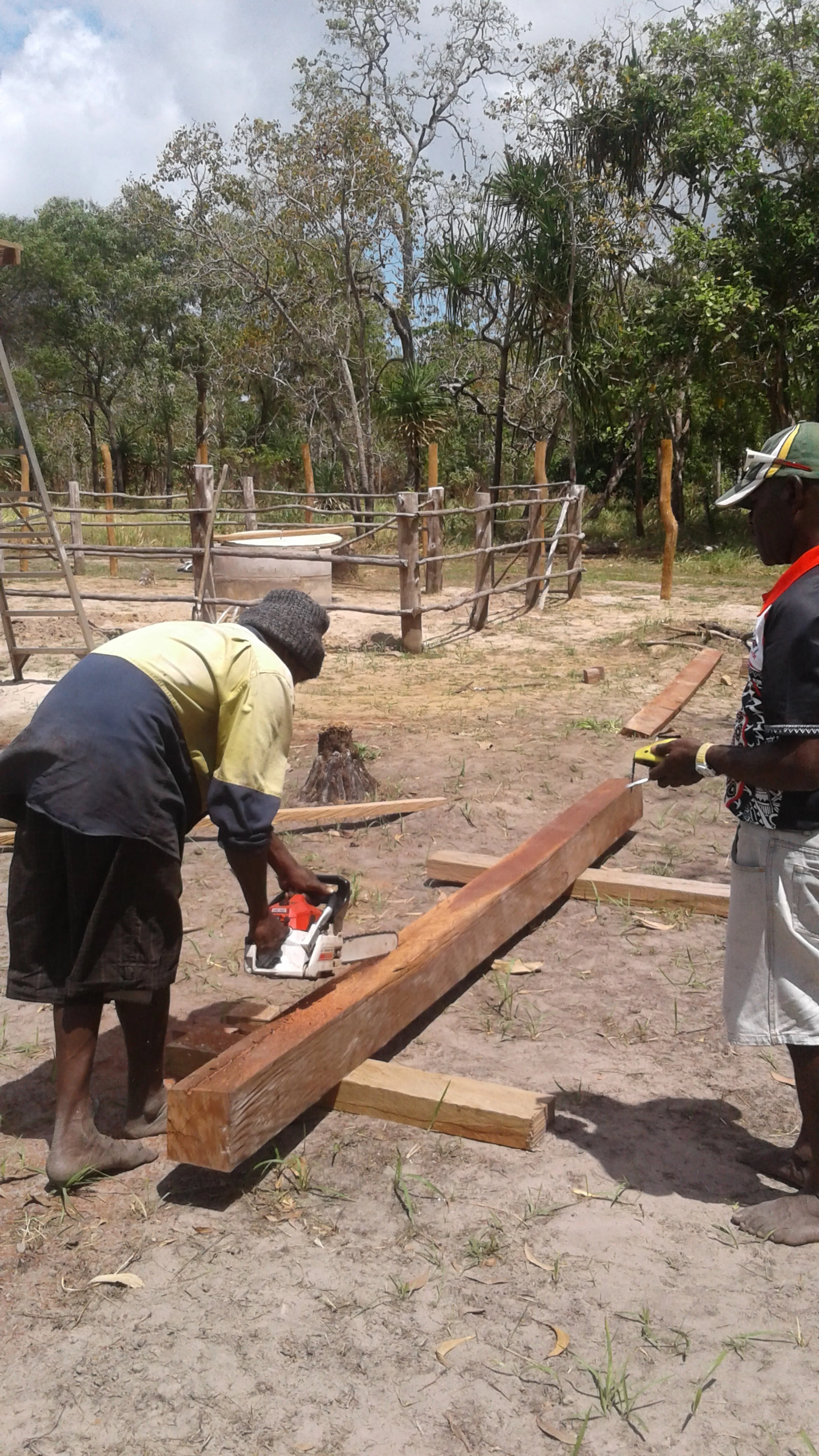
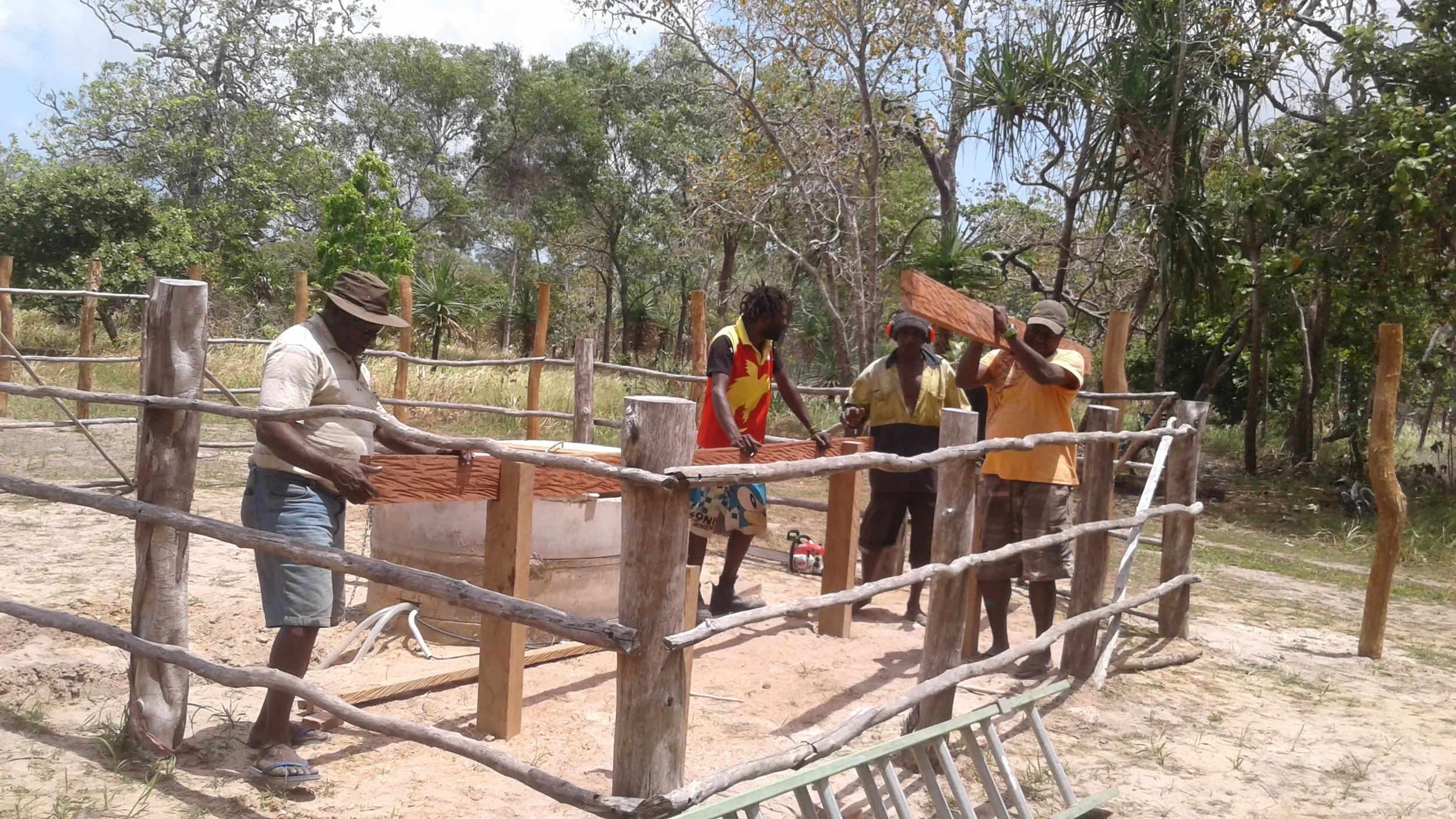
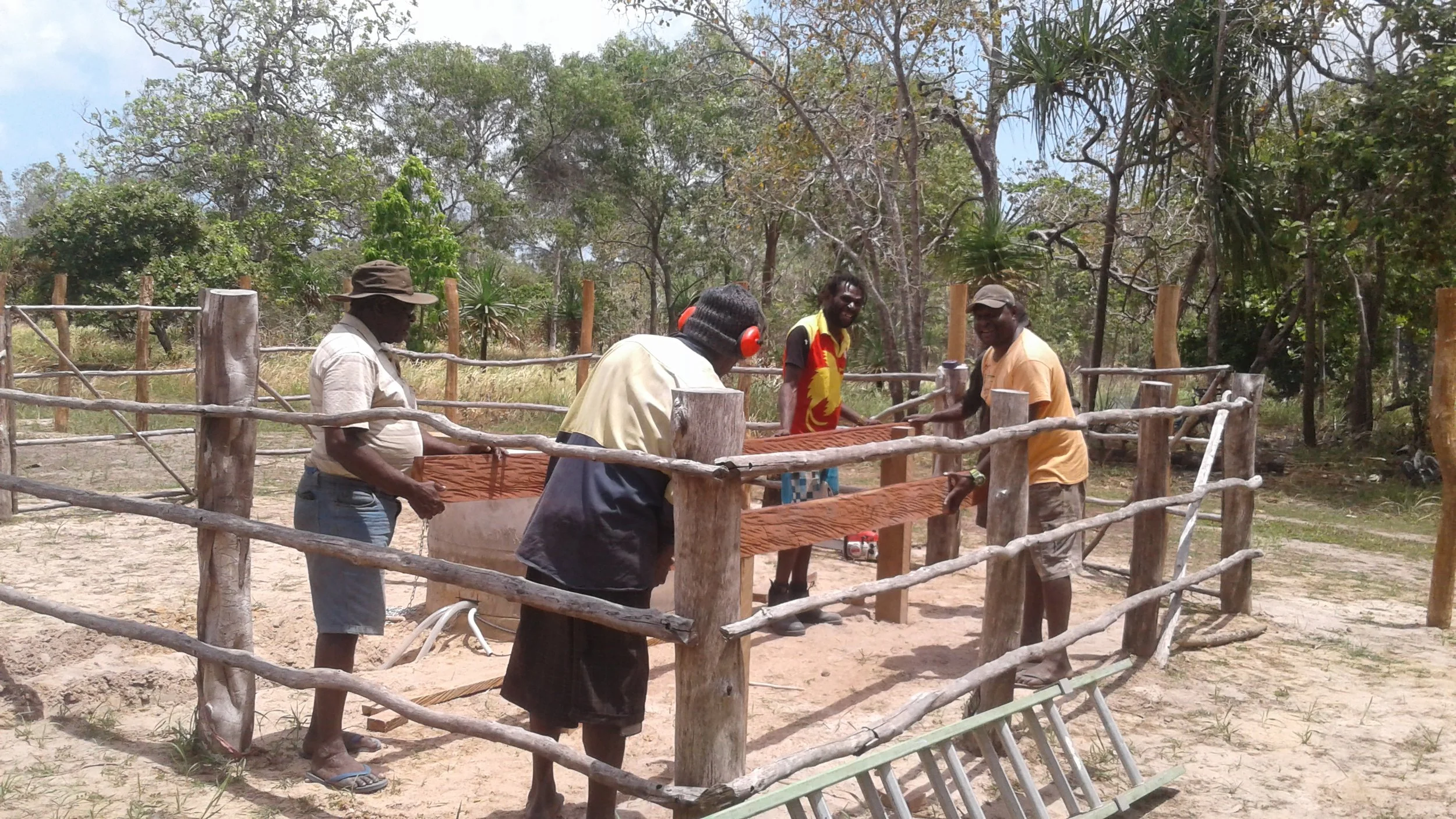
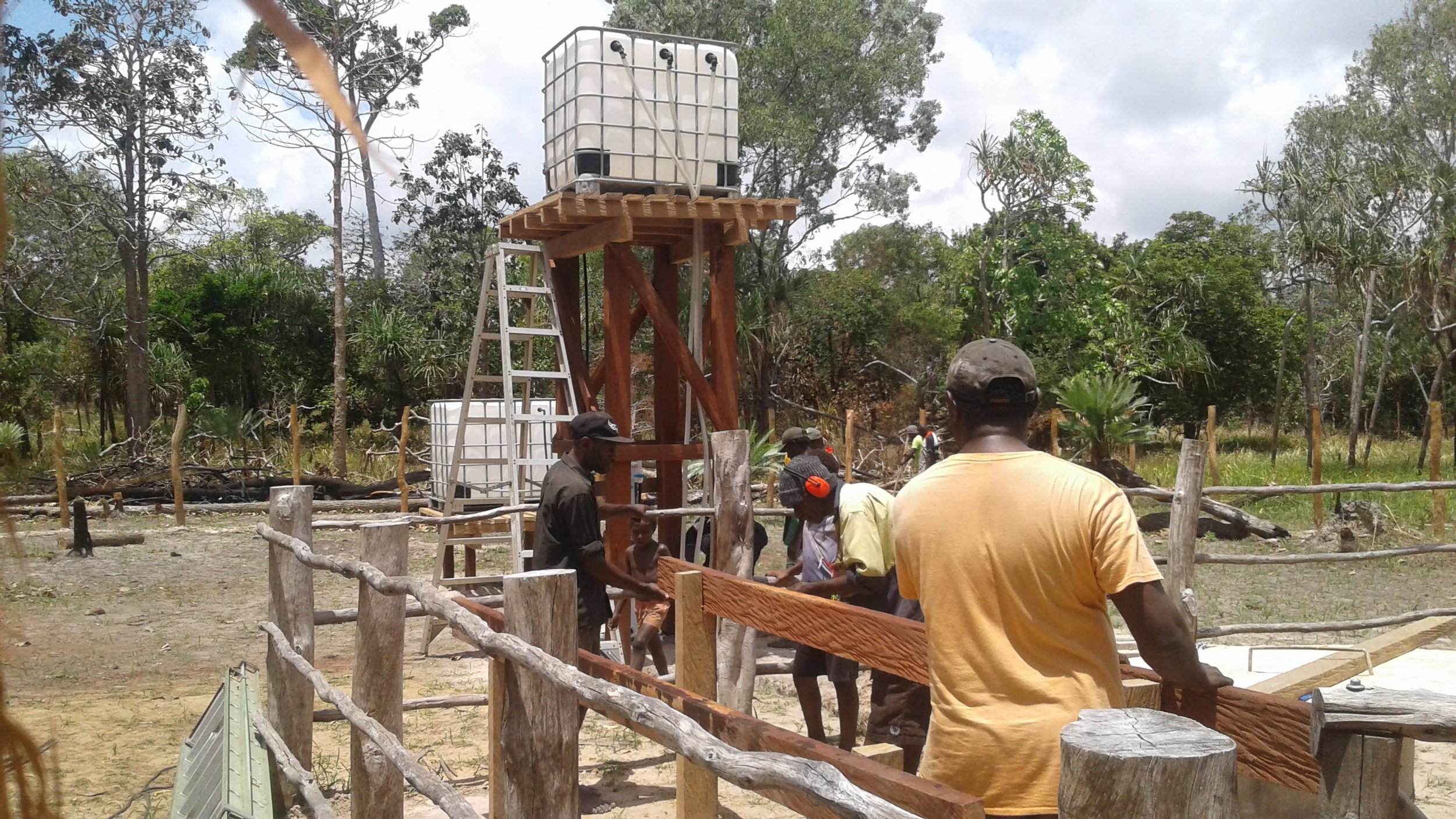
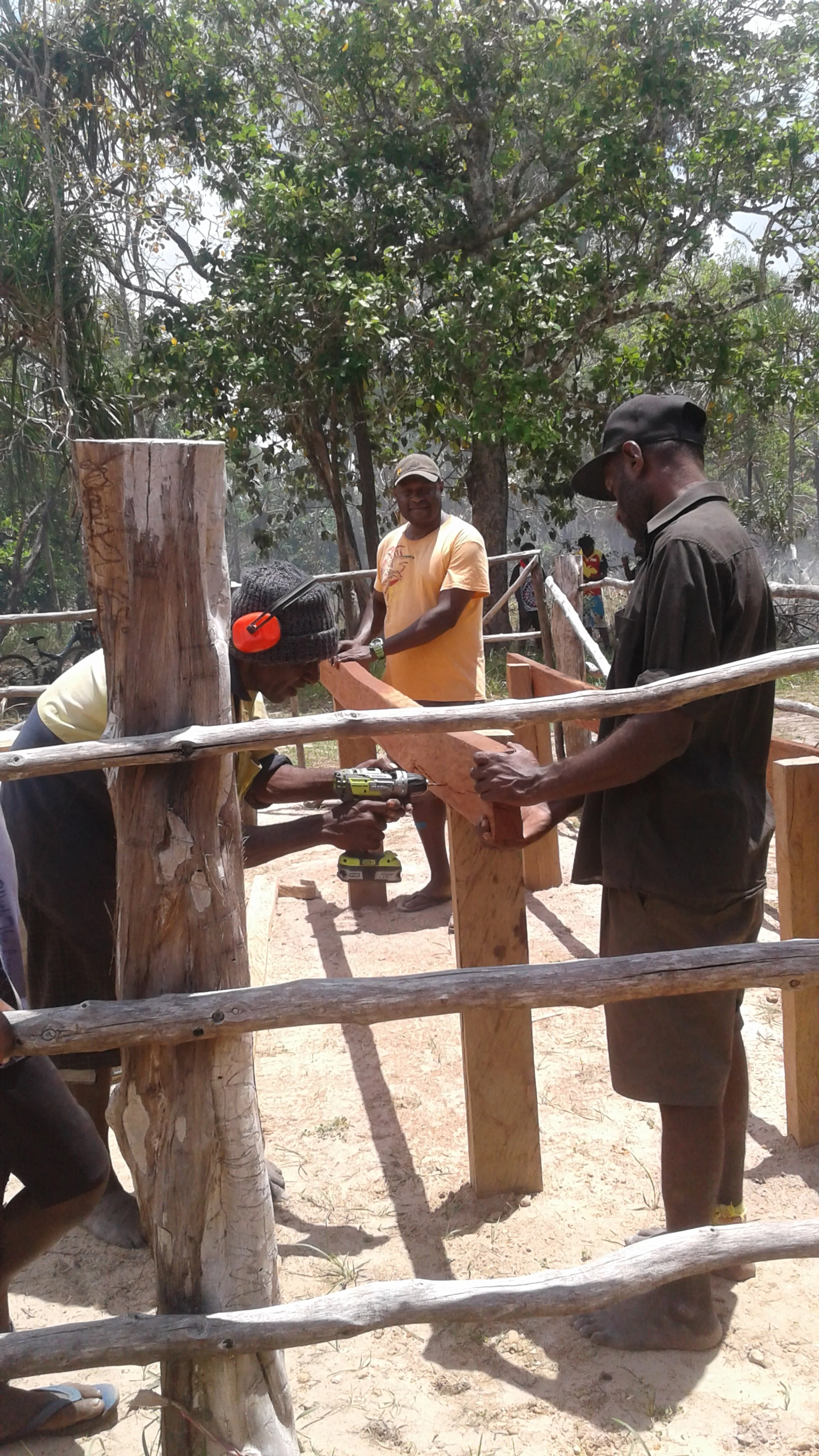
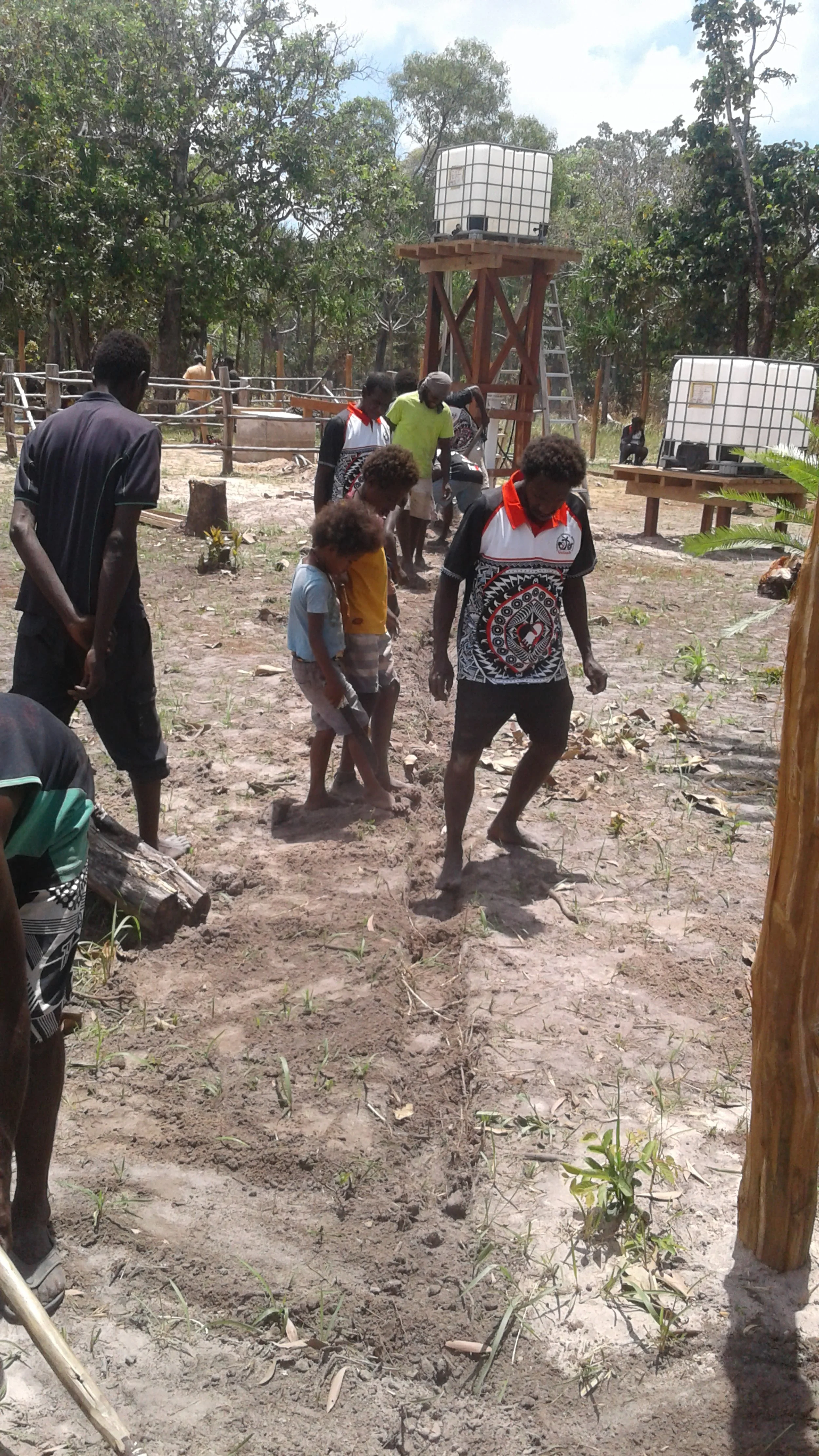
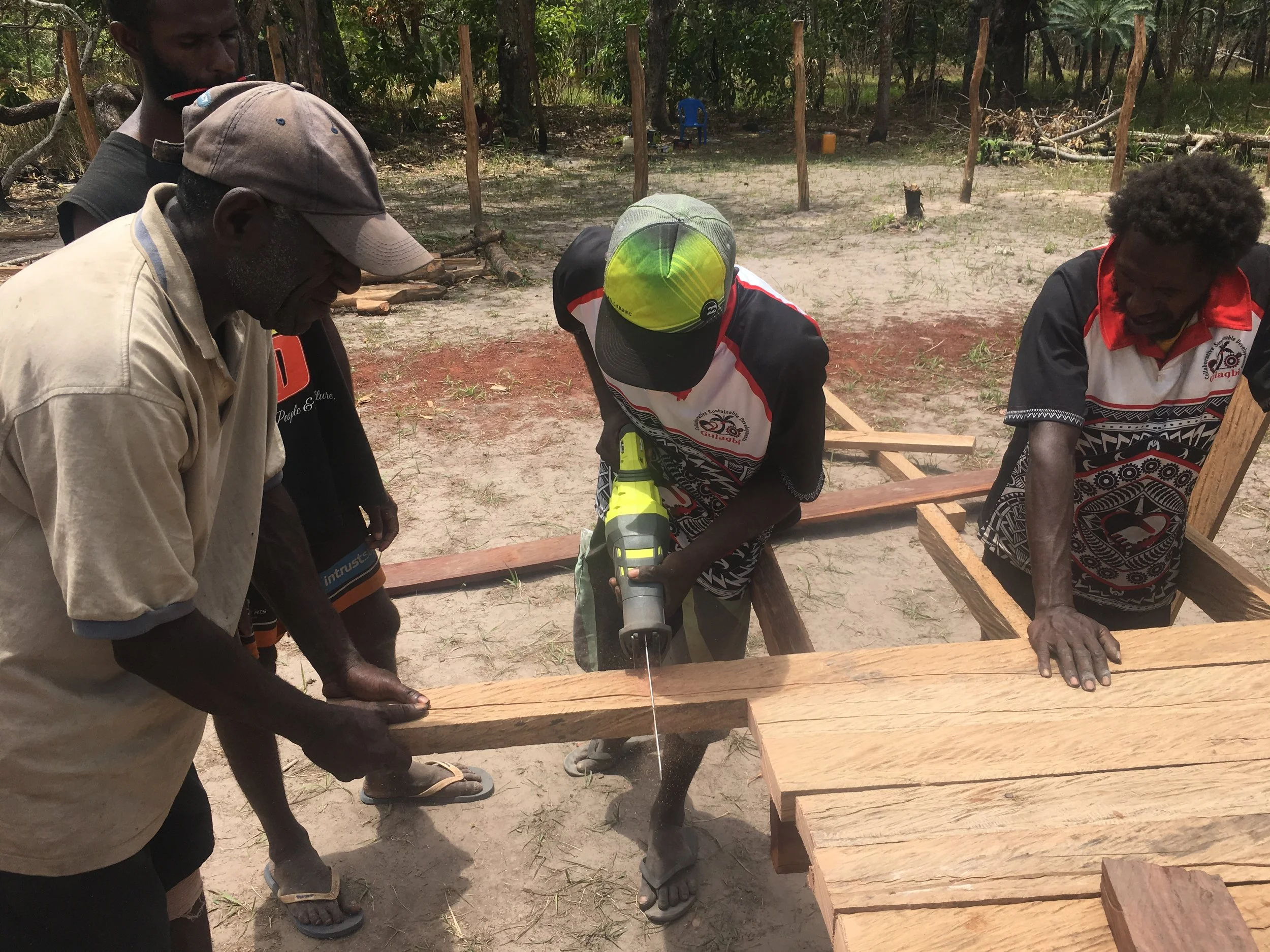
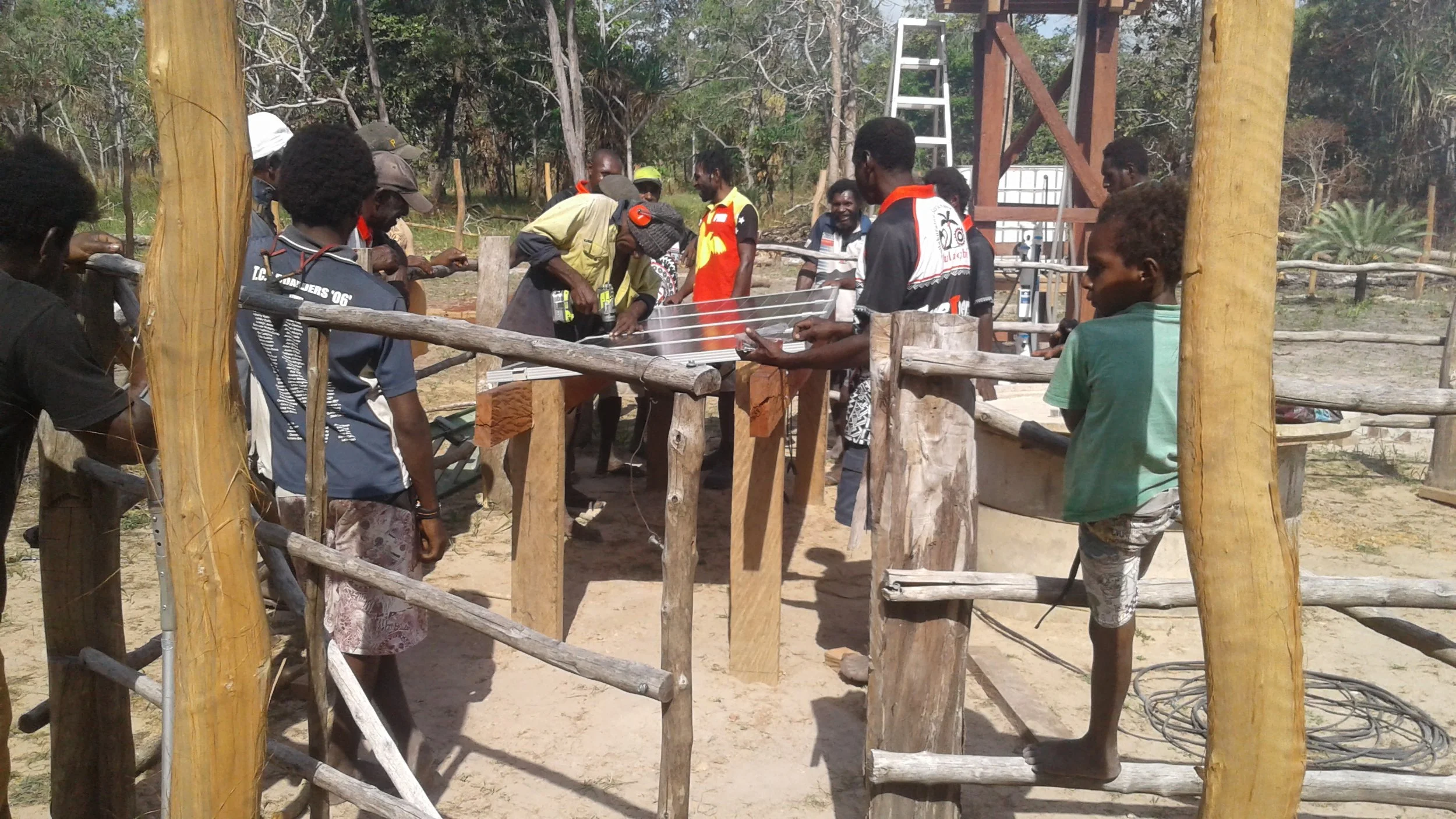
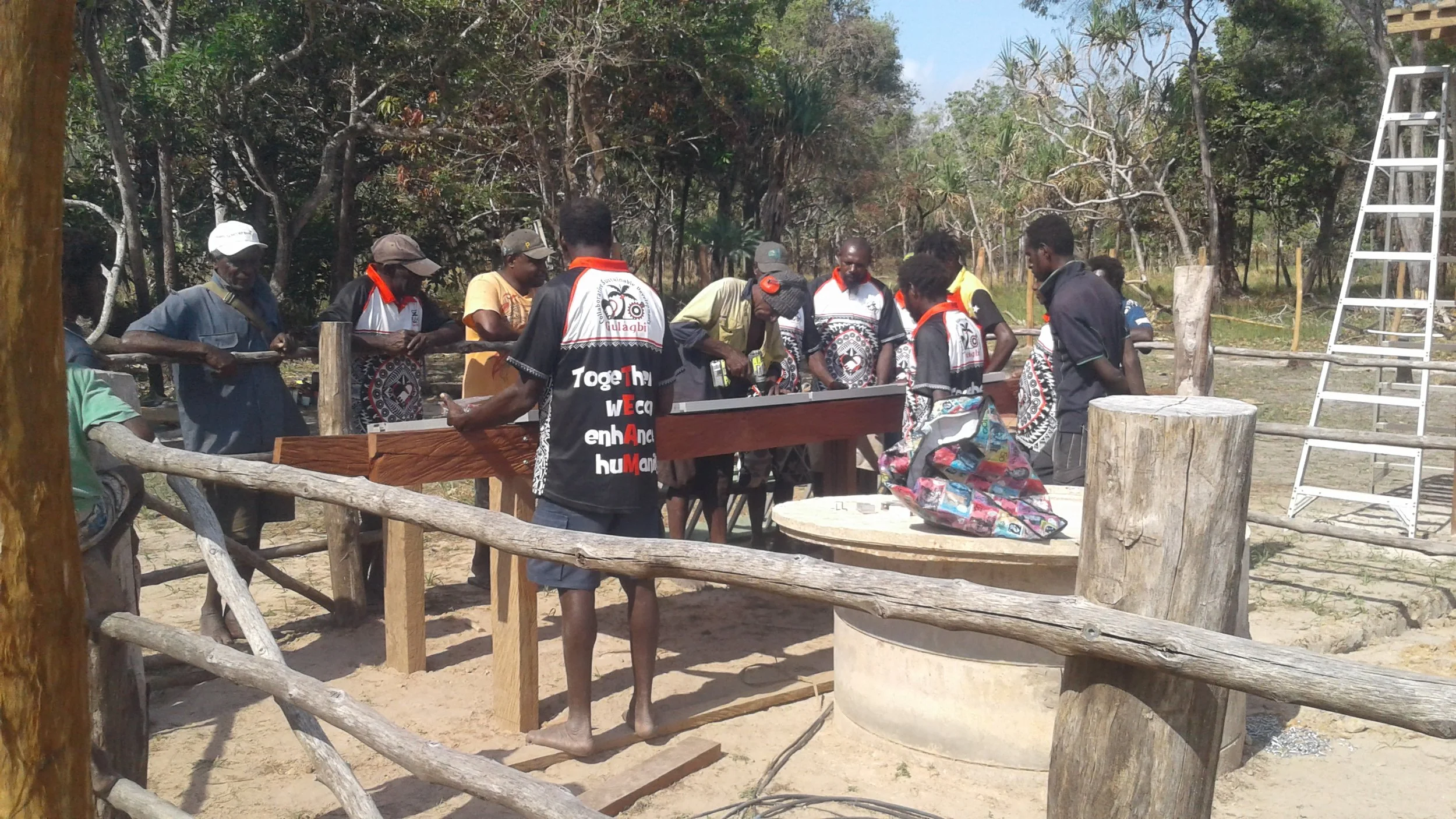
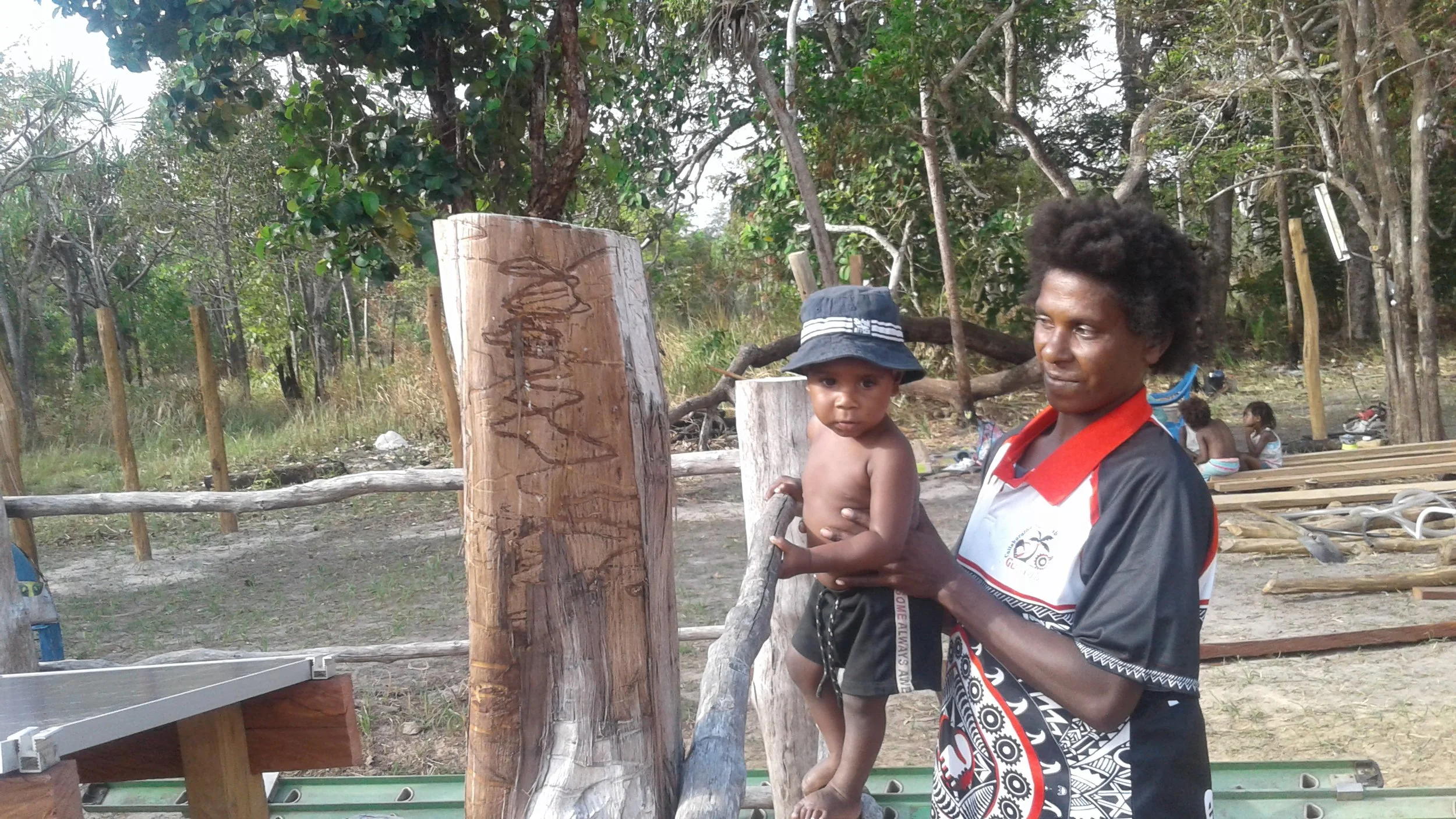
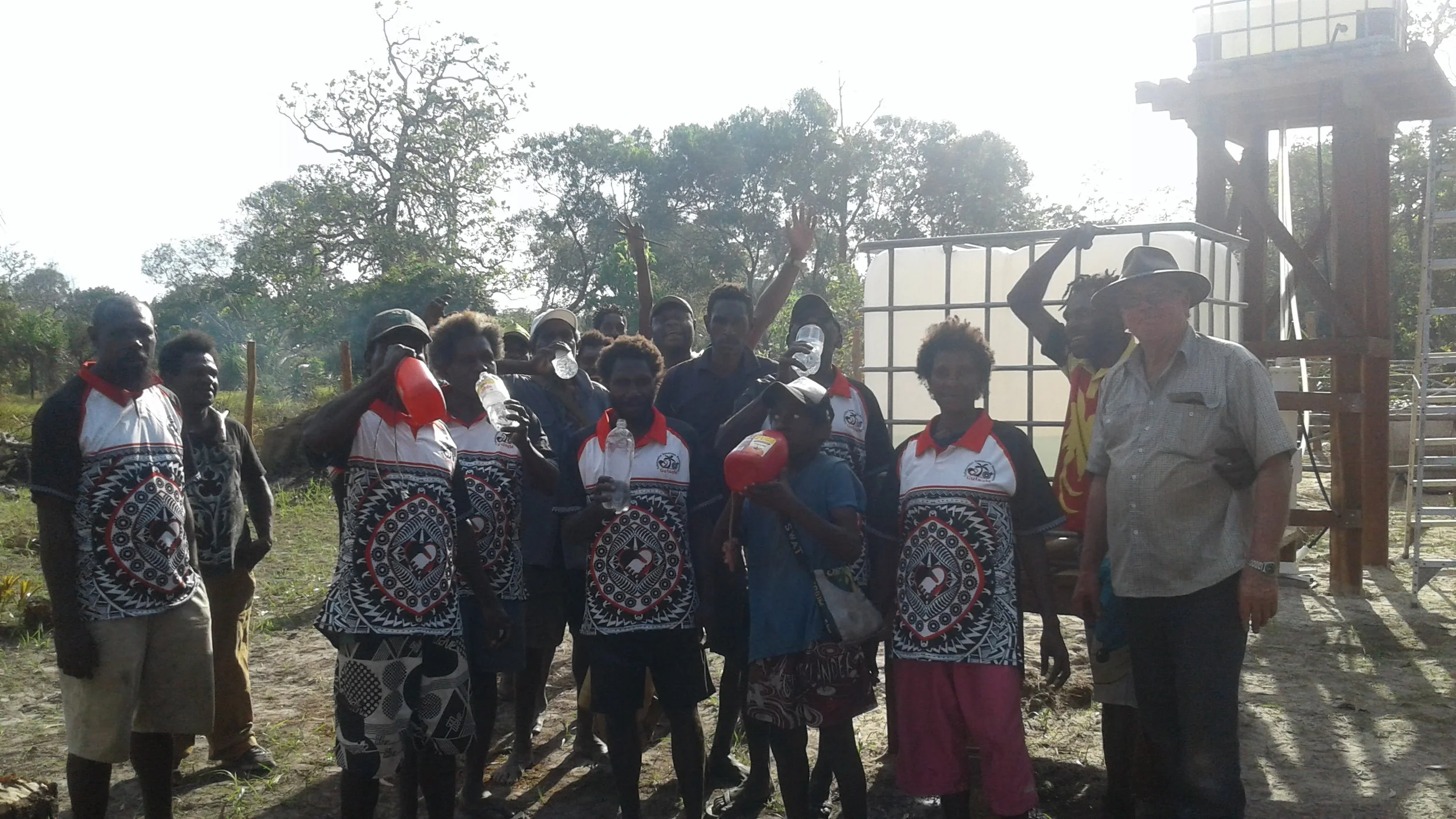
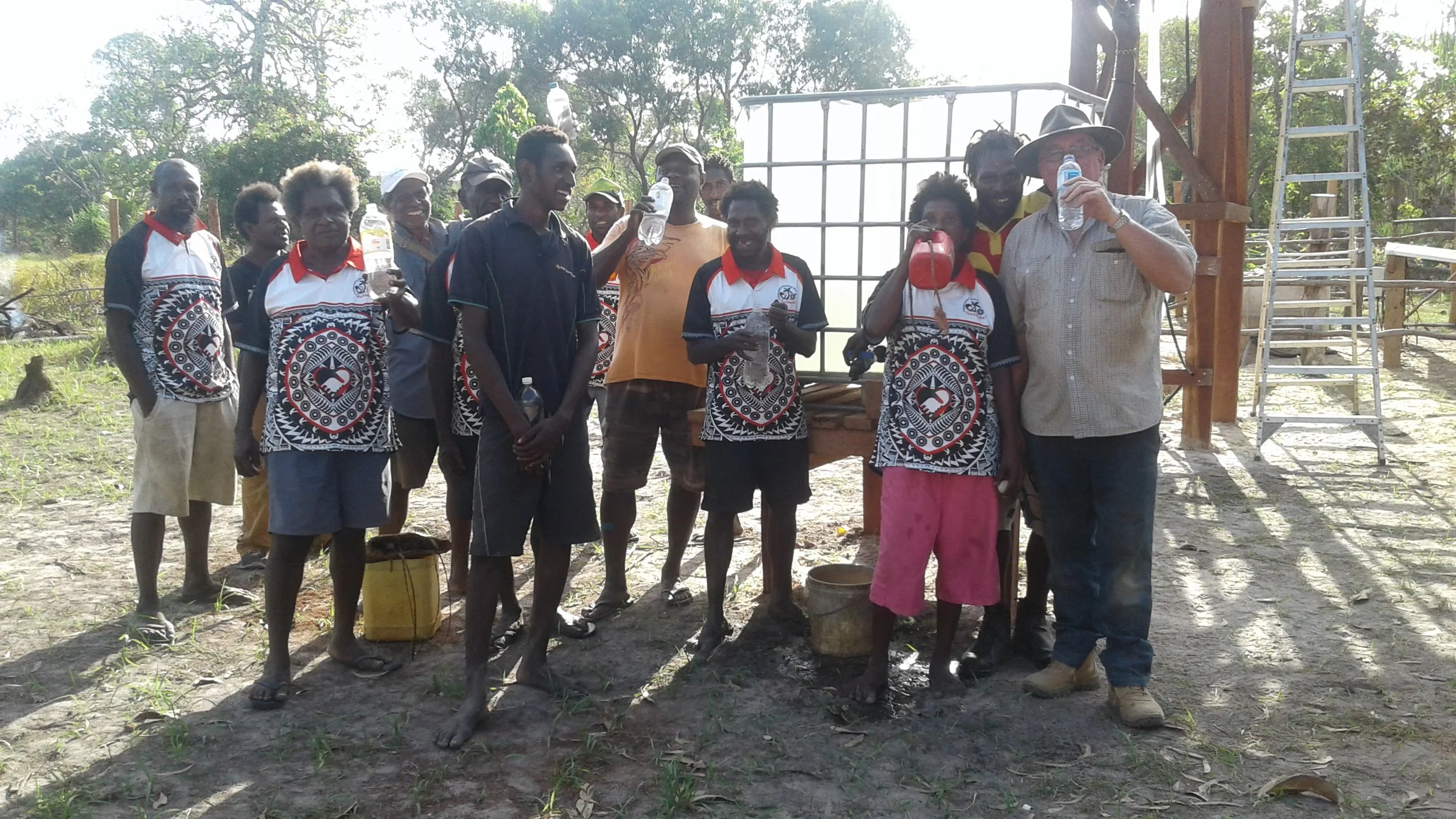
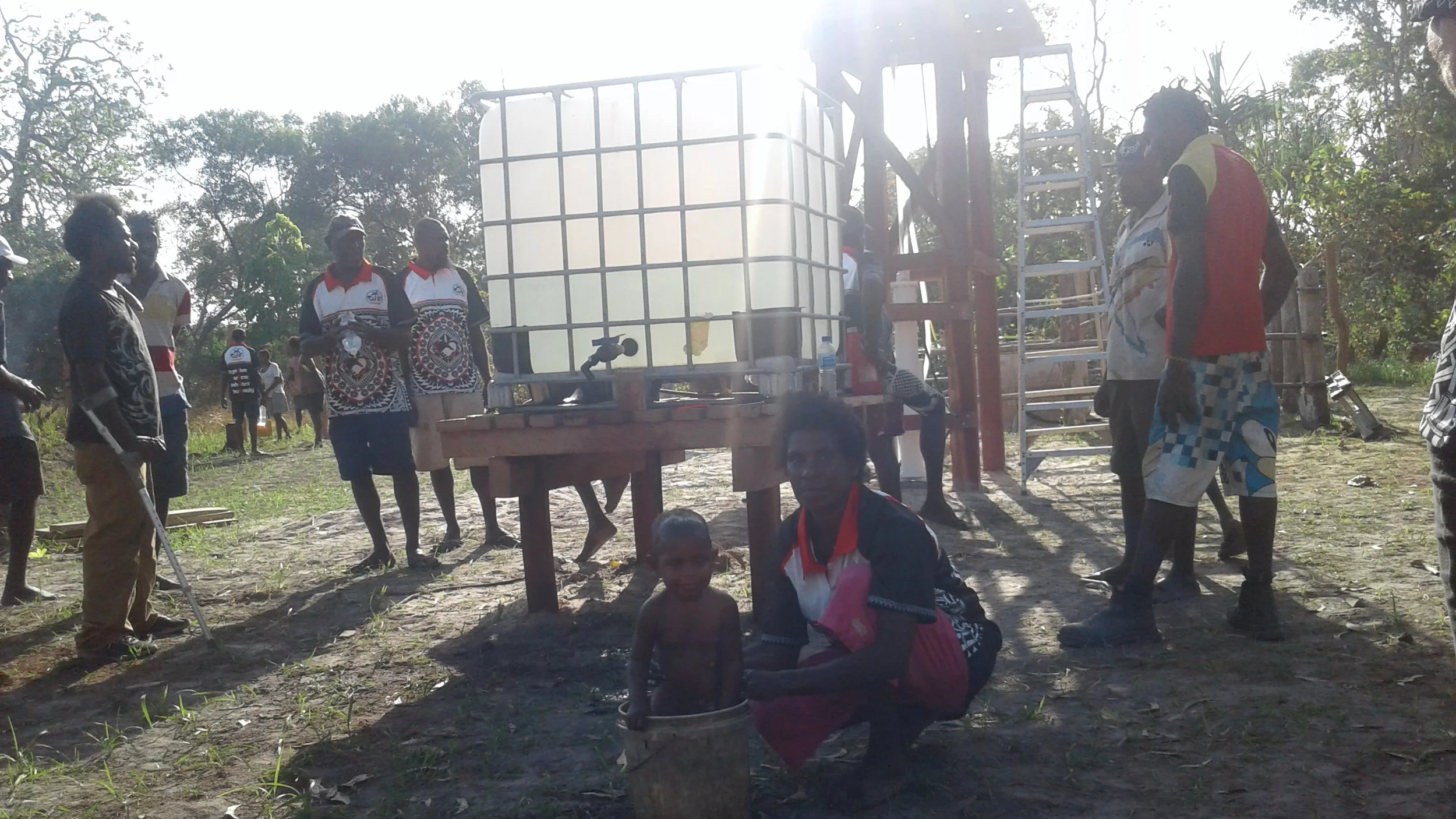
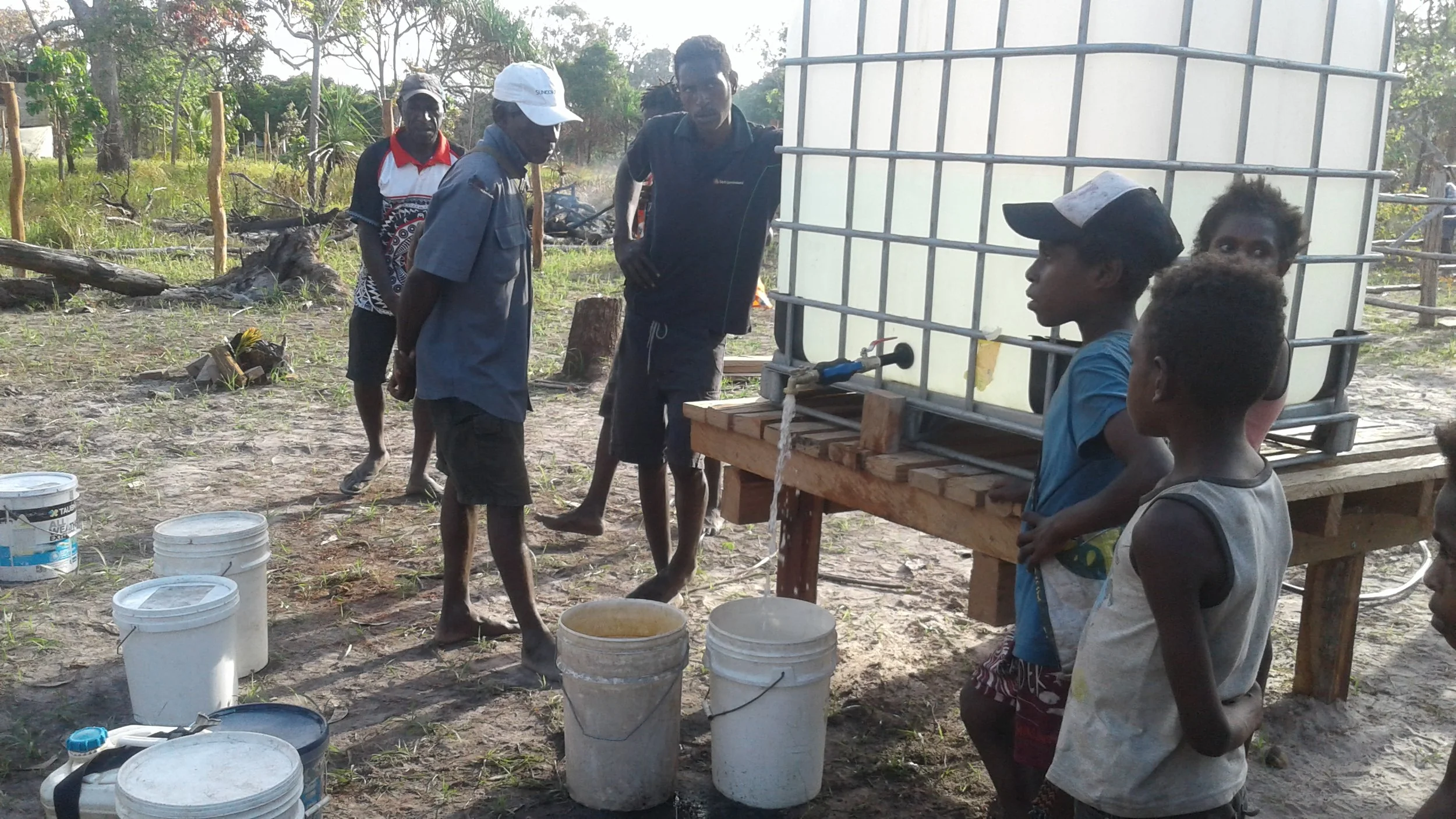
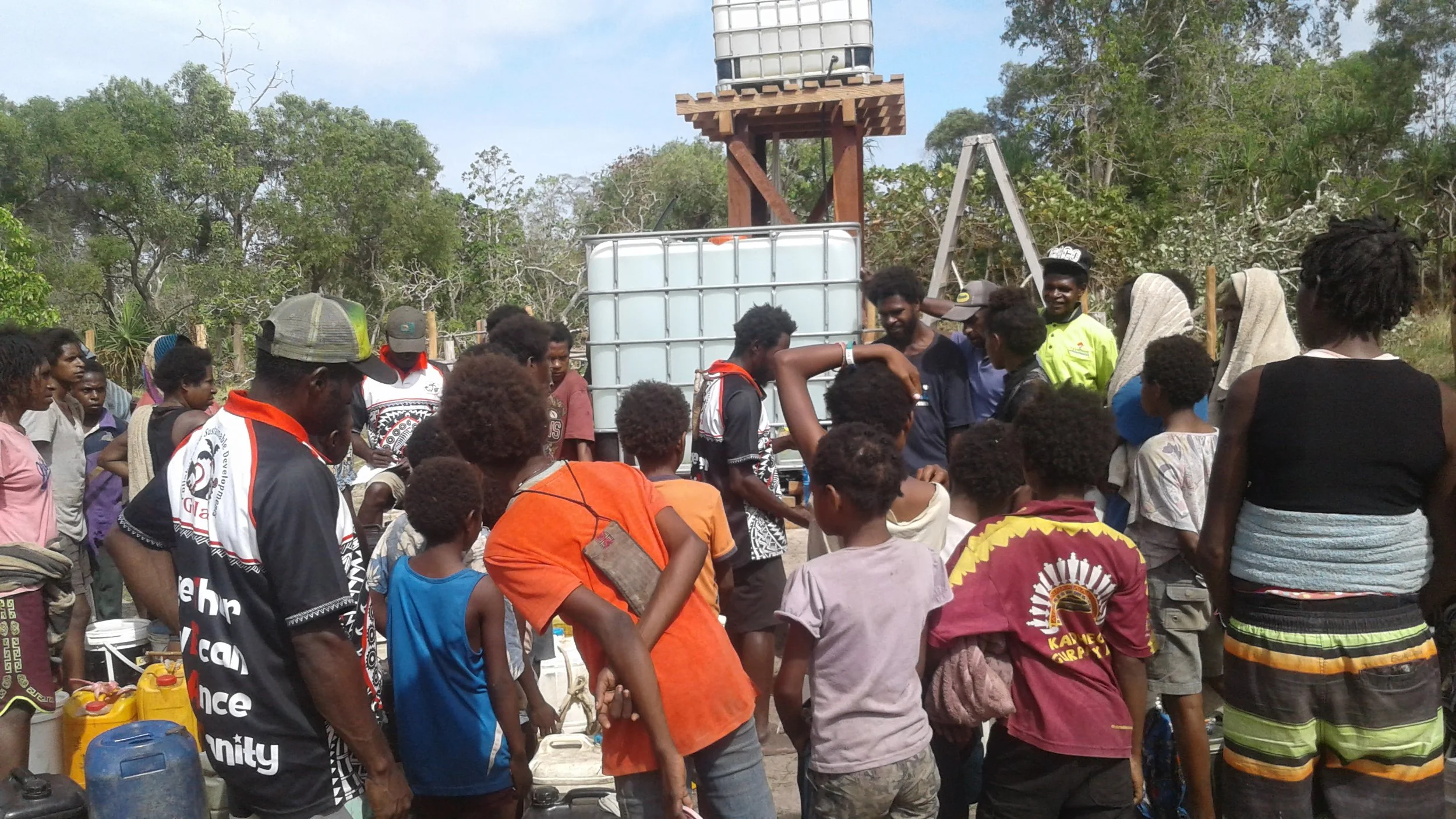
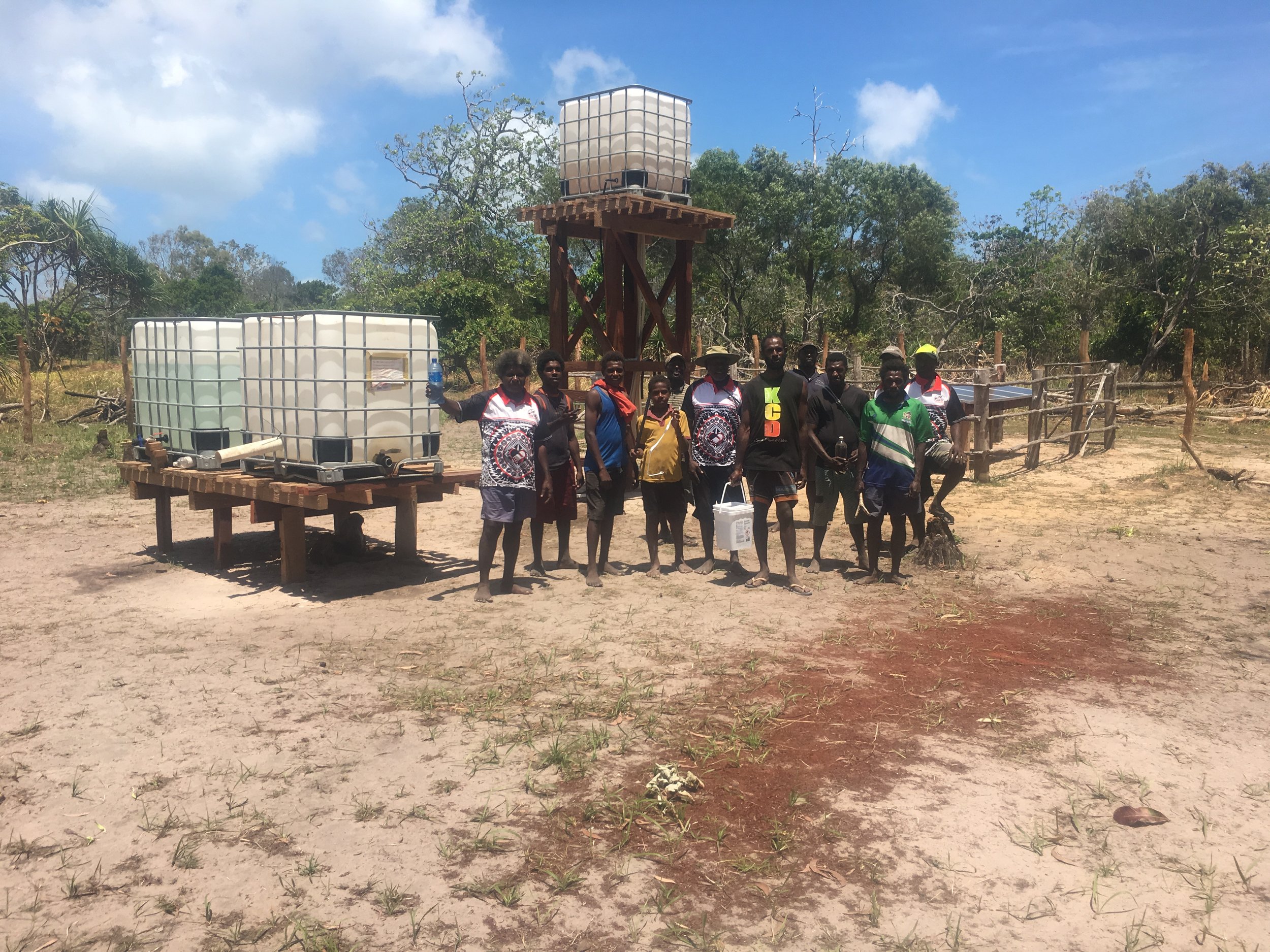
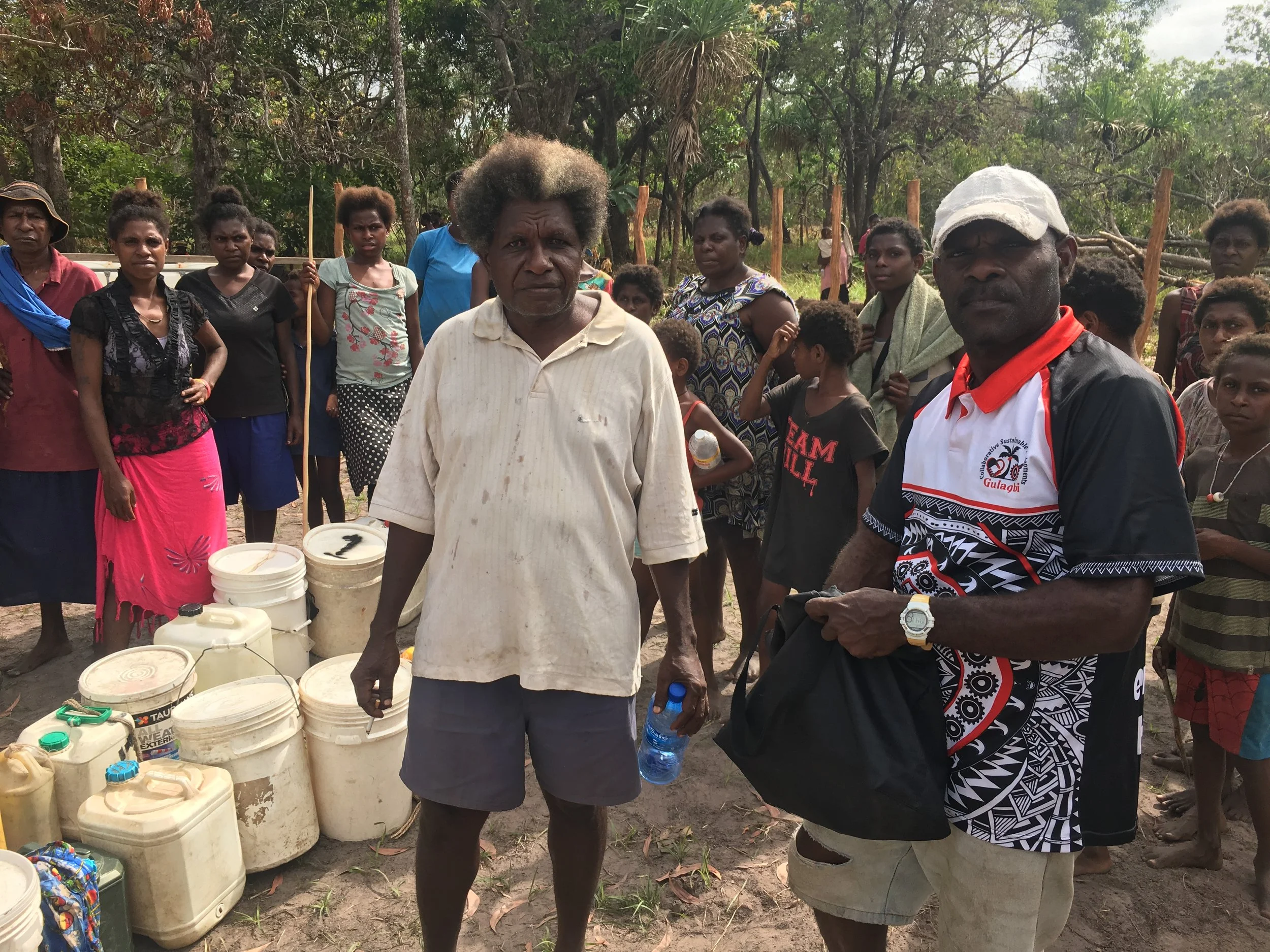
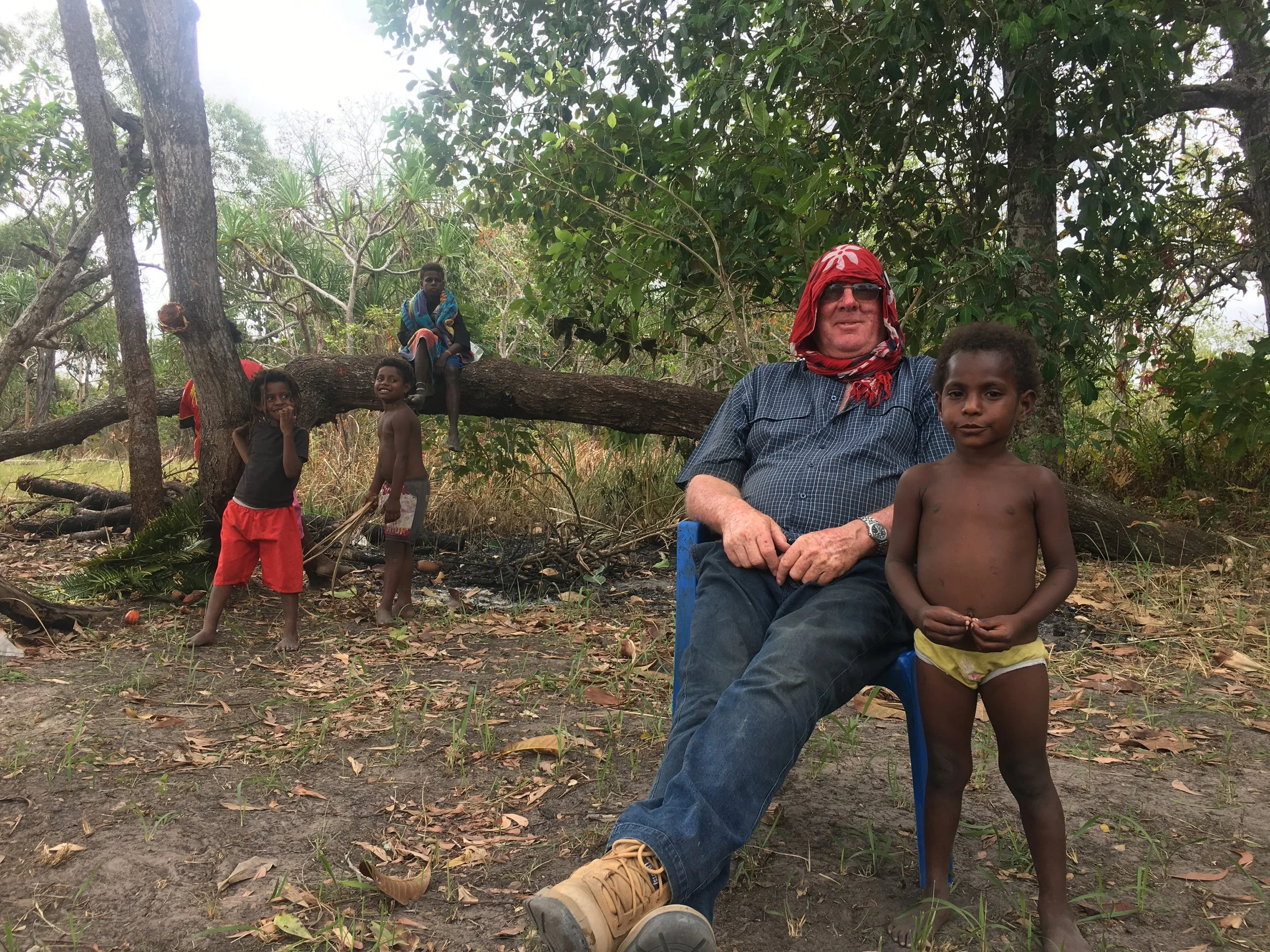
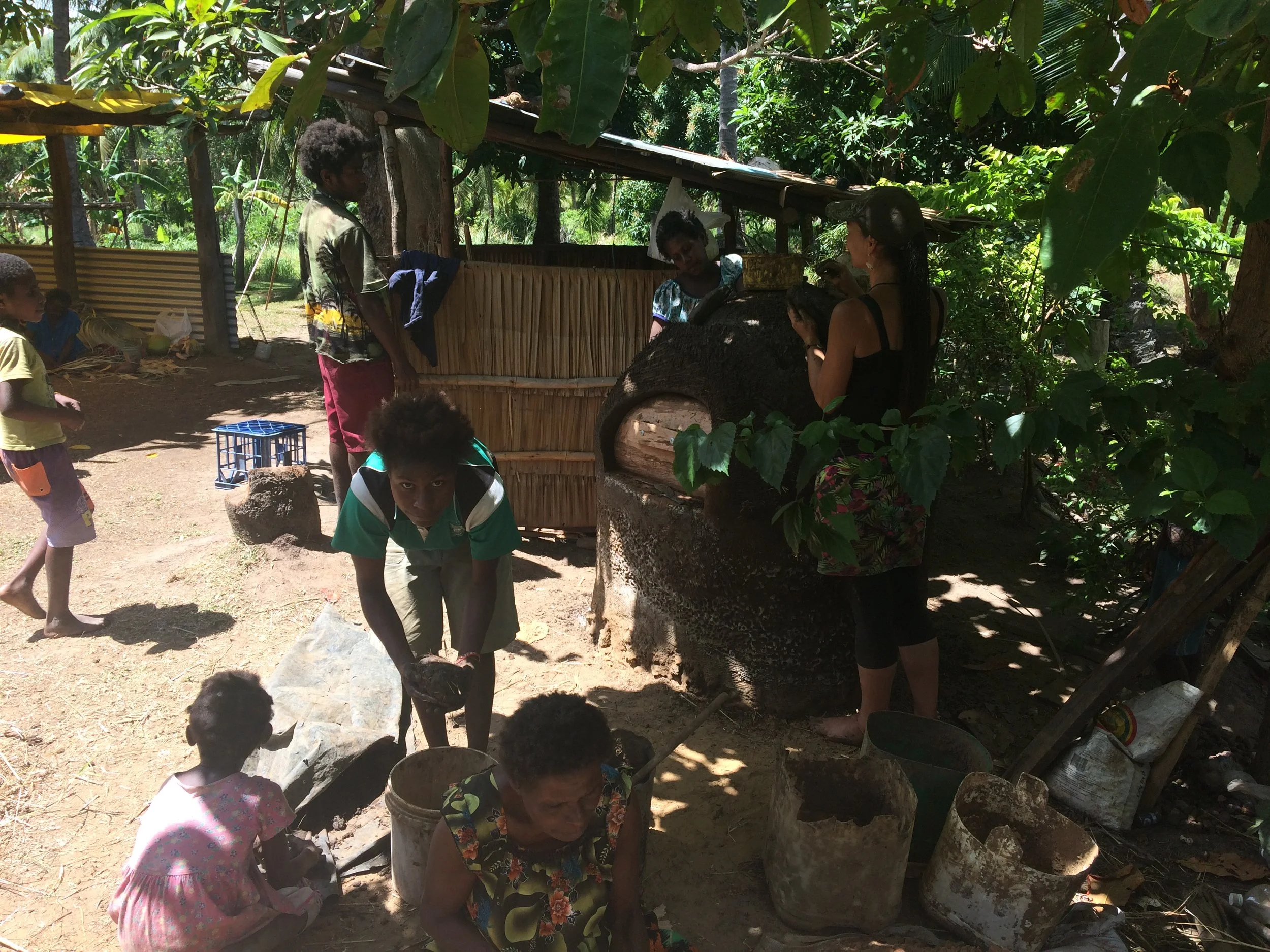
Together with the Rotary Club, the Gulagbi team, and the villagers themselves, we set to work. The community cleared land, built a structure for the solar panels, and created a stand to hold the clean water tanks. Armed with garden tools, determination, and an unbreakable spirit, they accomplished what once seemed impossible.
After months of planning, fundraising, and assembling materials, the SkyHydrant system was finally operational. The moment the villagers tasted clean water was unforgettable. “Thank you,” one community member said. “This is a new day in our history. We don’t have to share with the animals anymore.”
This project has been life-changing, not just for the village but for all of us involved. It is a powerful reminder that, together, we can make a real difference. With continued support, we can help provide a better standard of living, improved health, and hope for every child, family, and community in Sigabaduru.
Improving Health and Sustainability
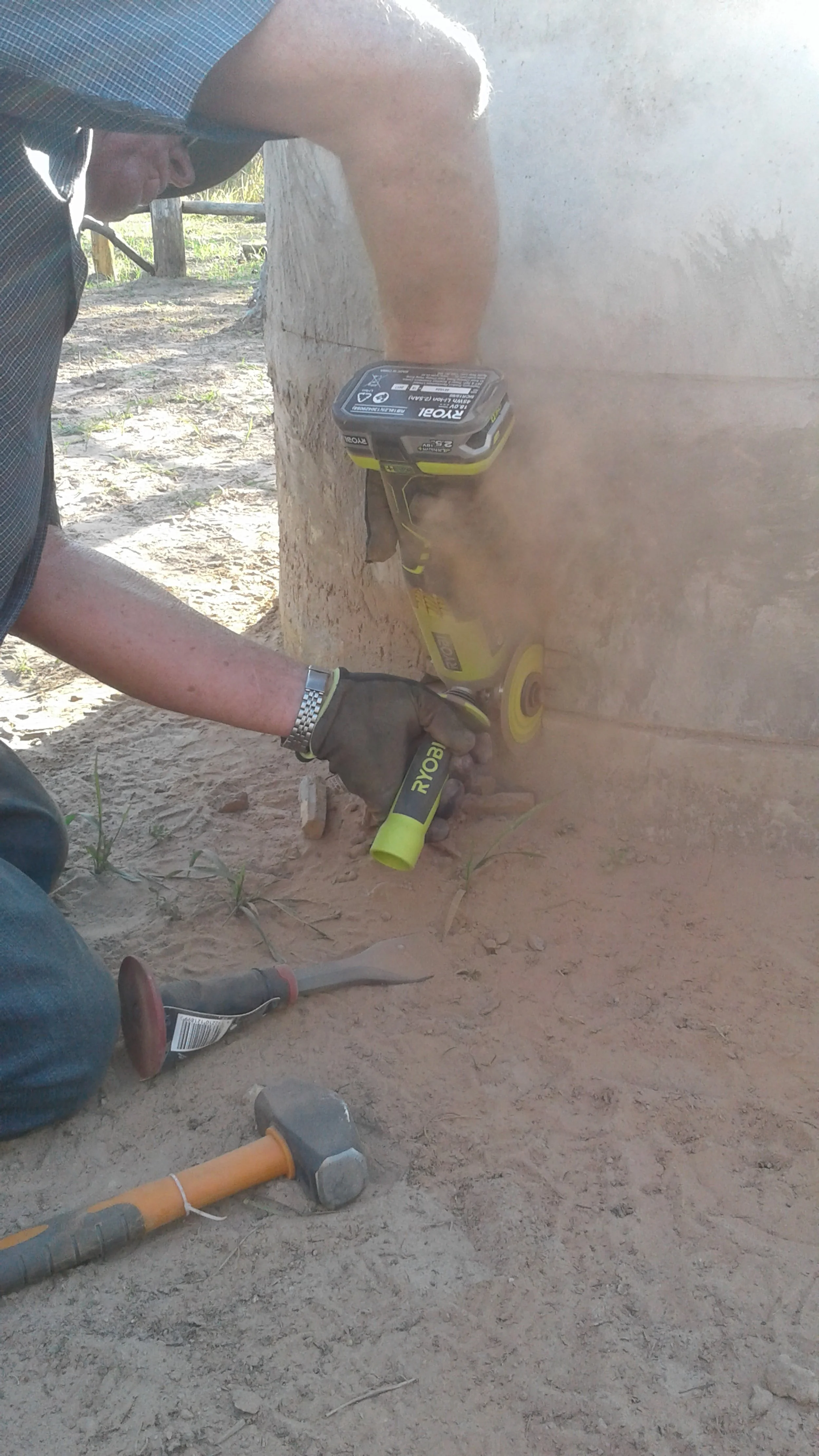
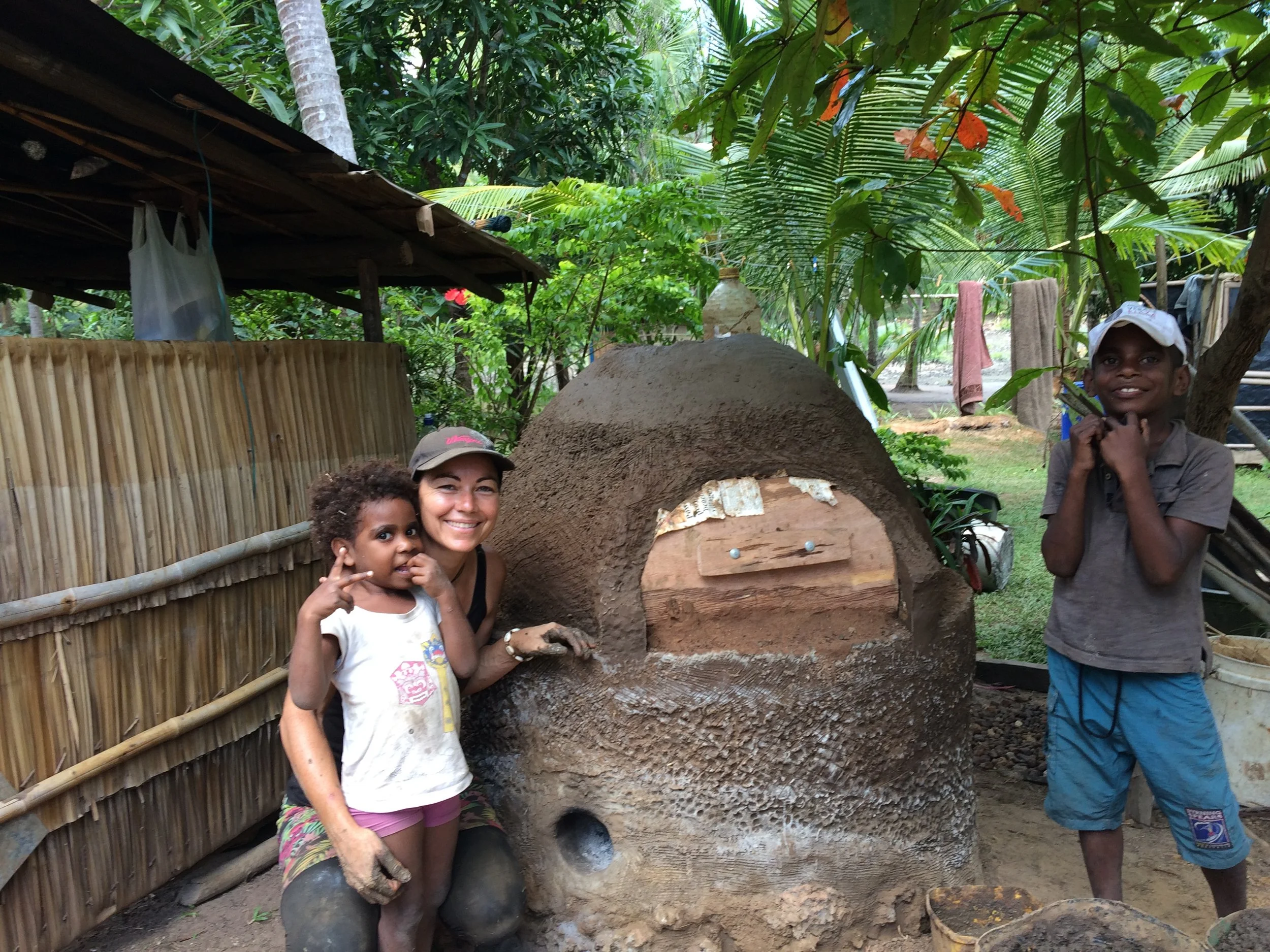
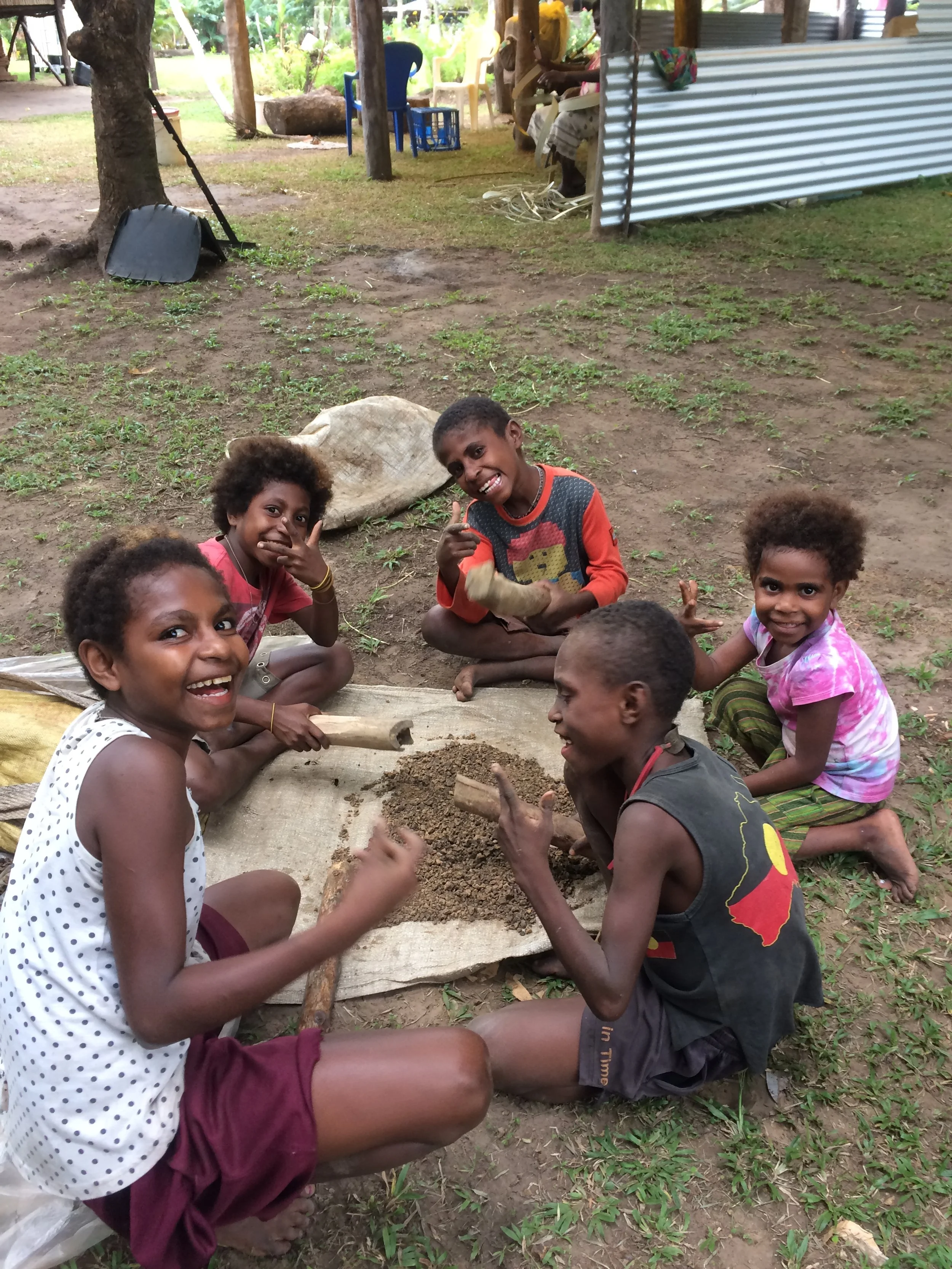
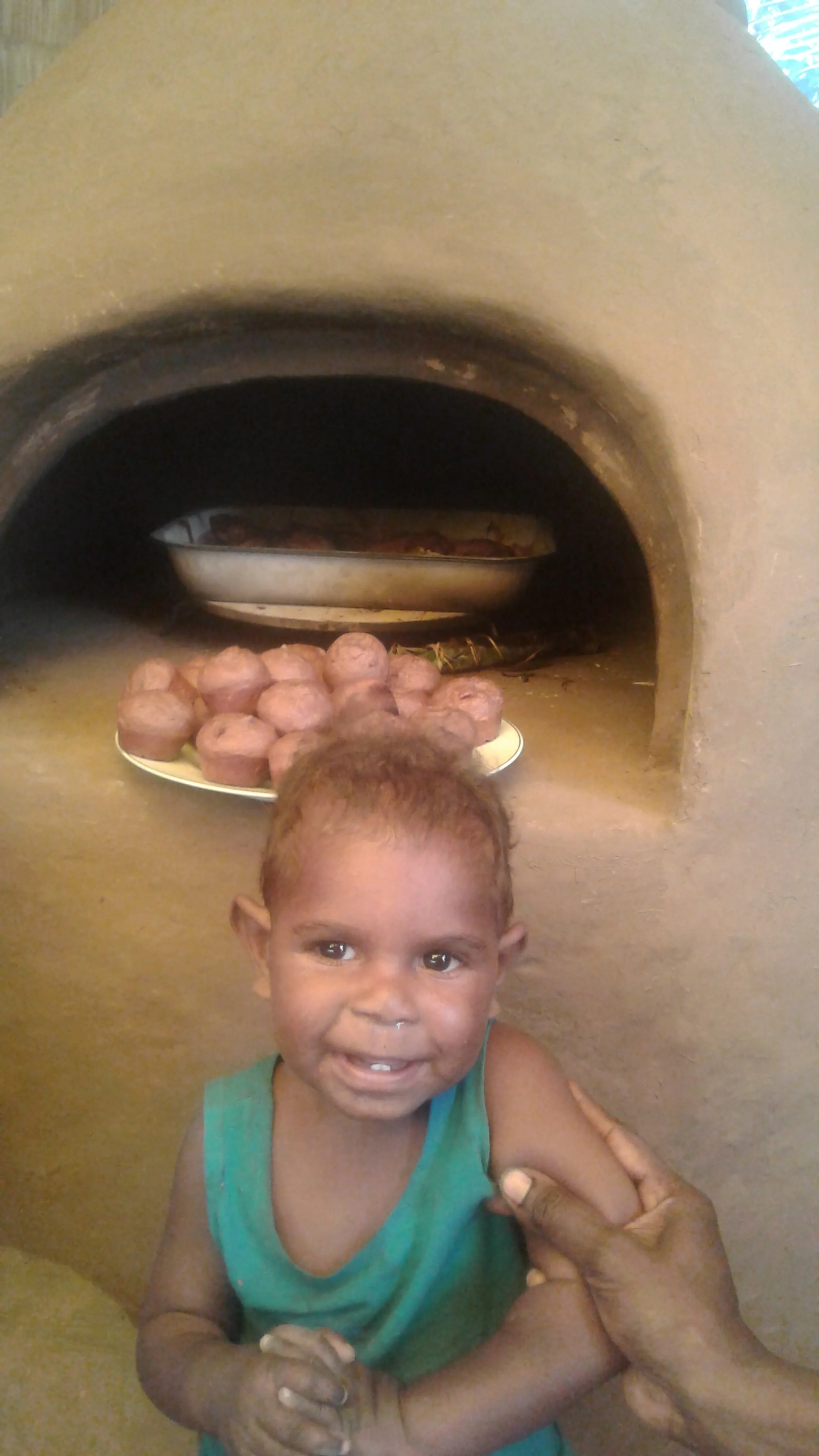
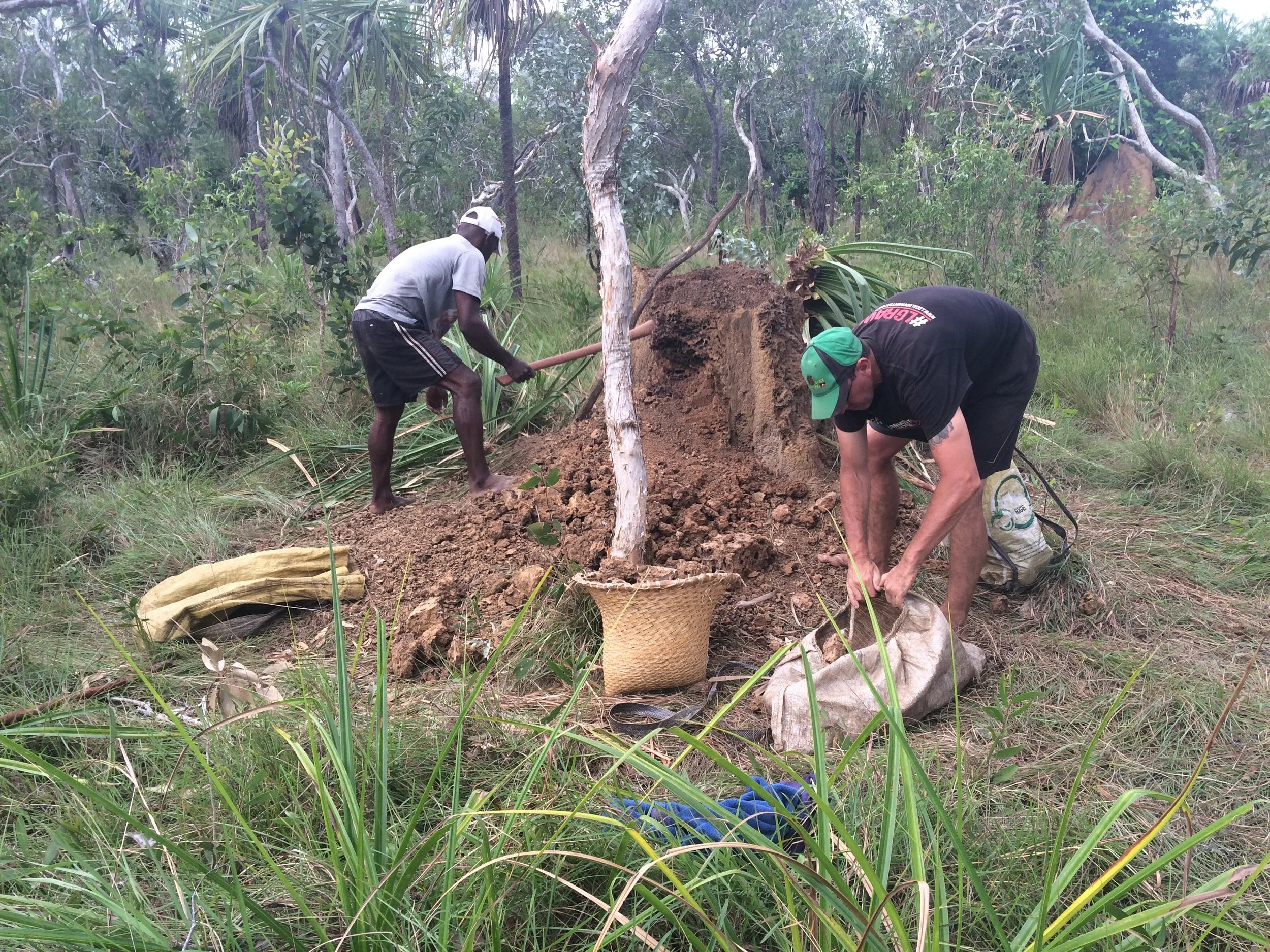
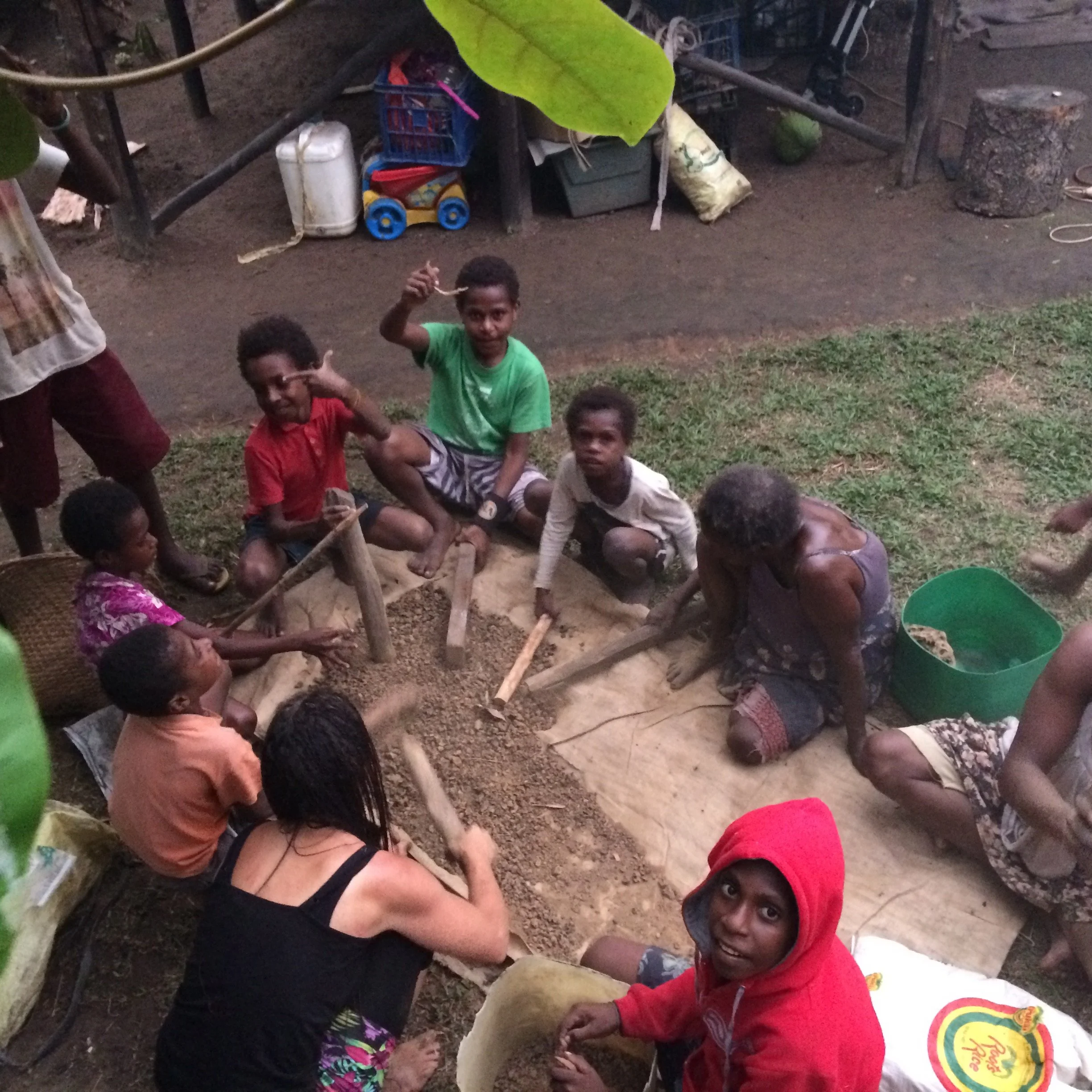
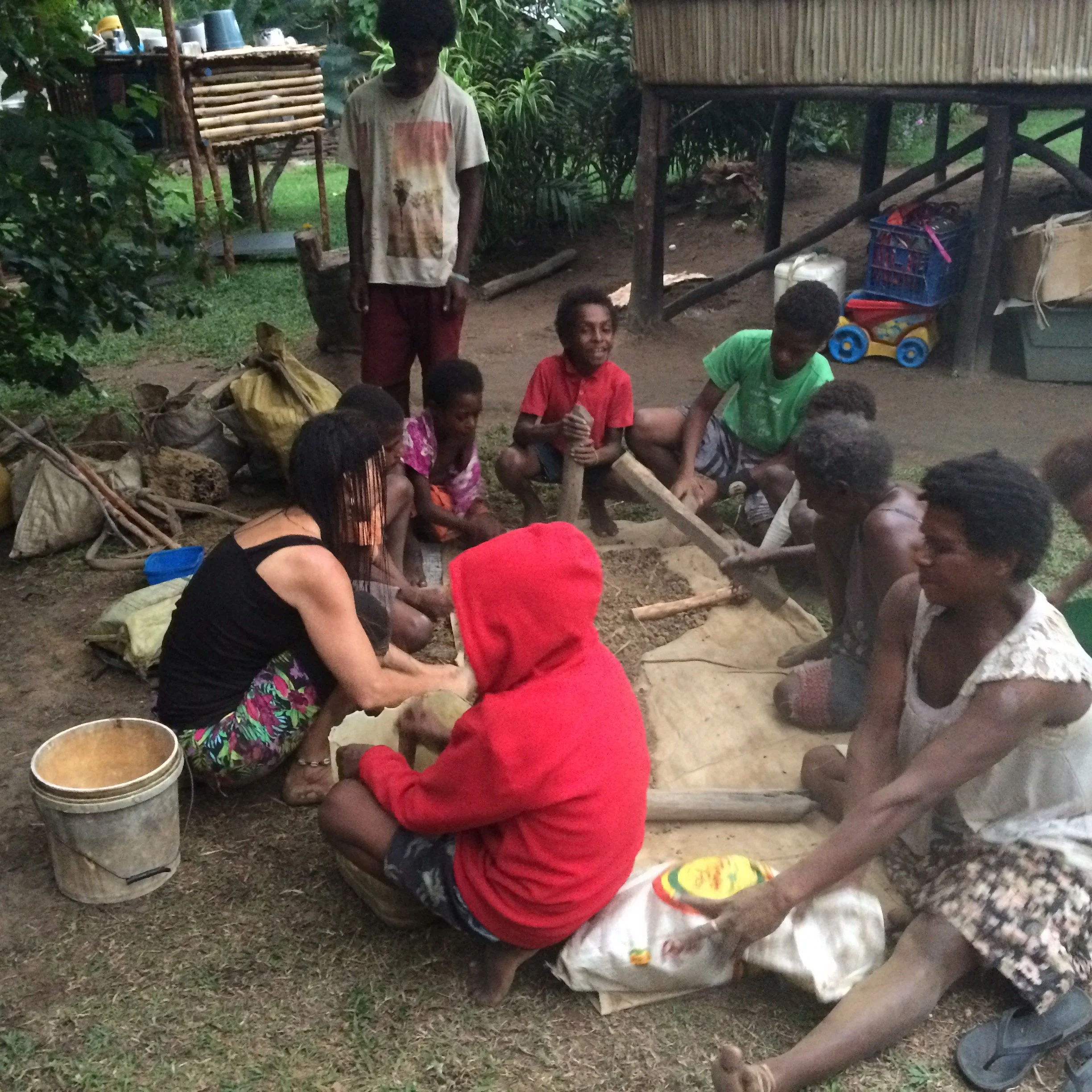
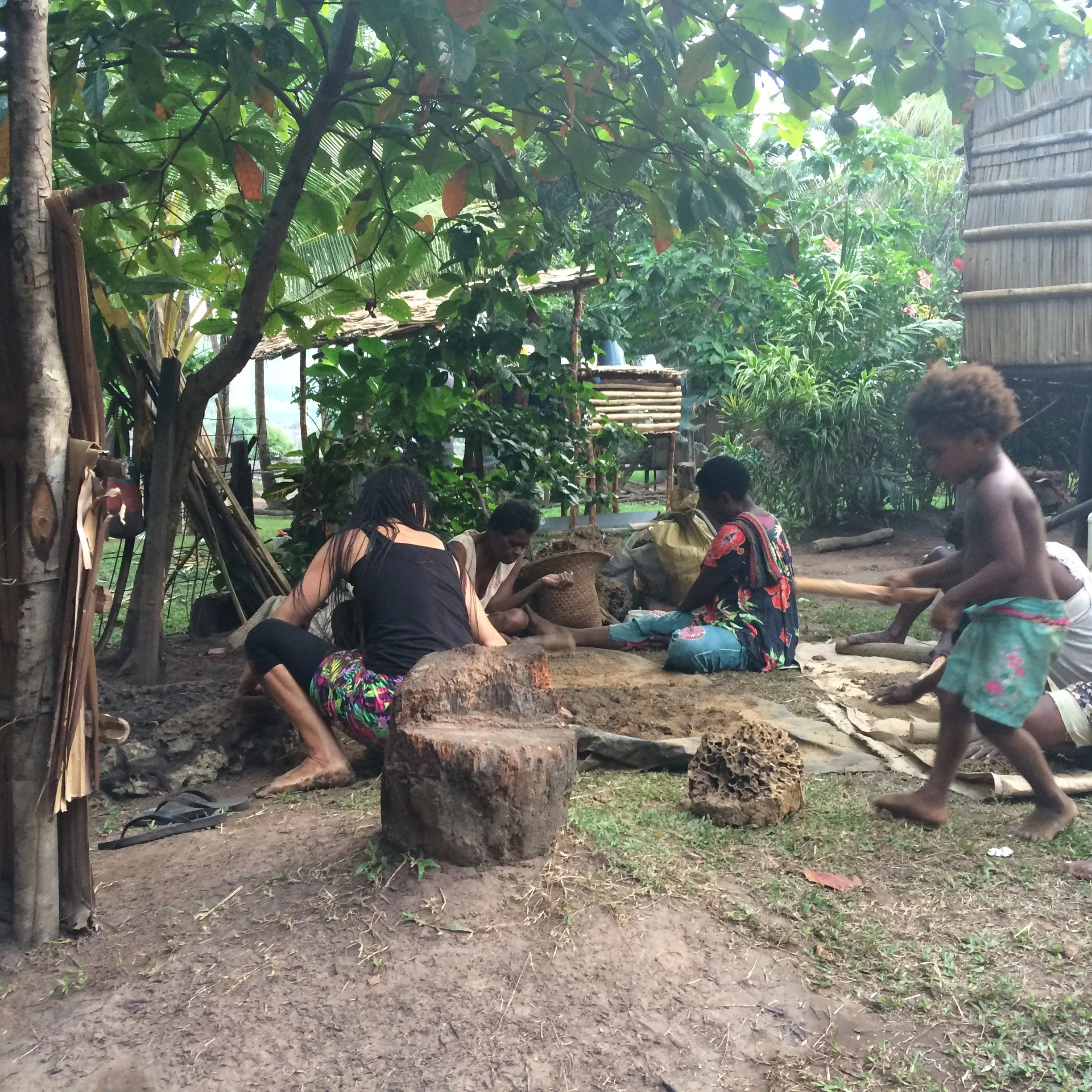
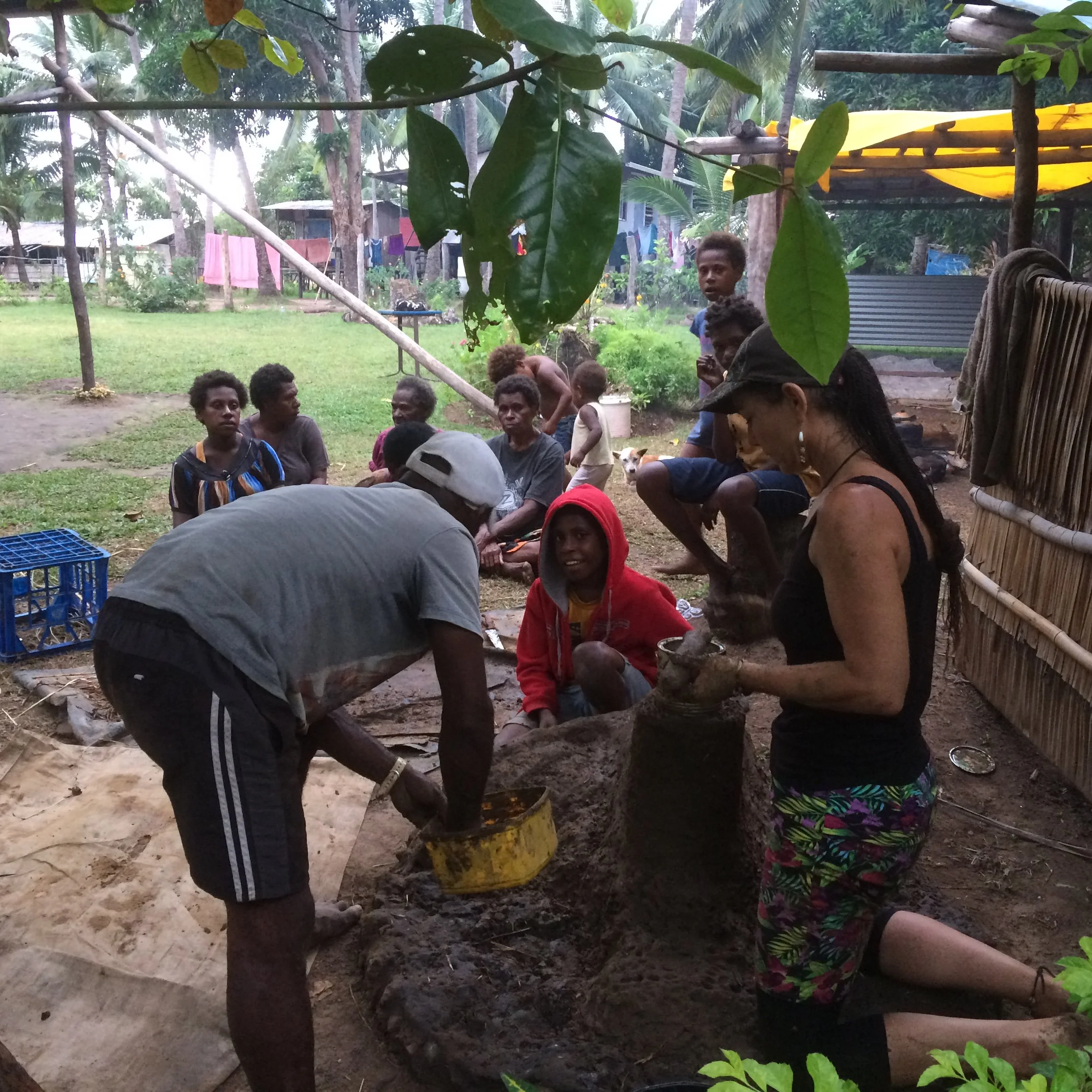
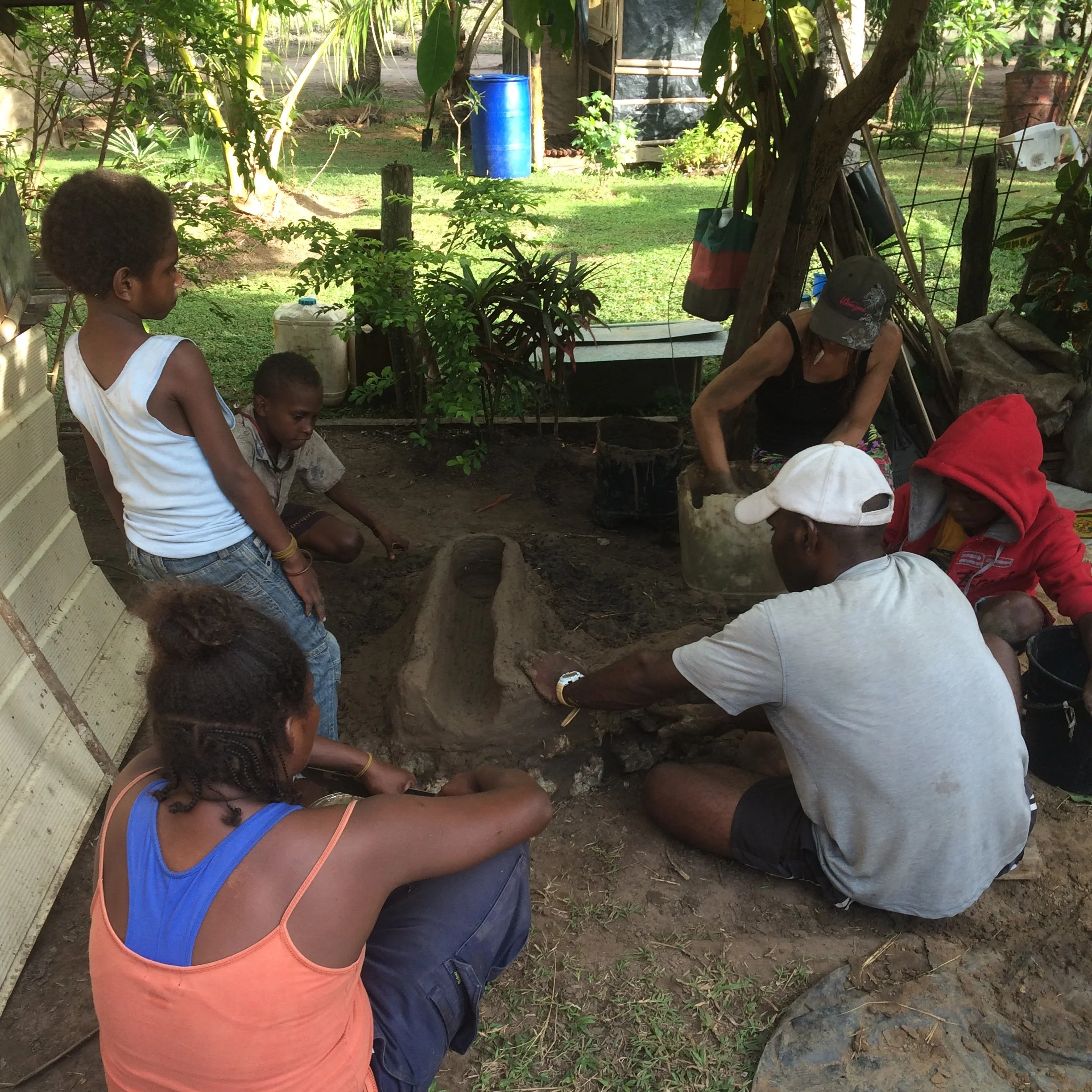
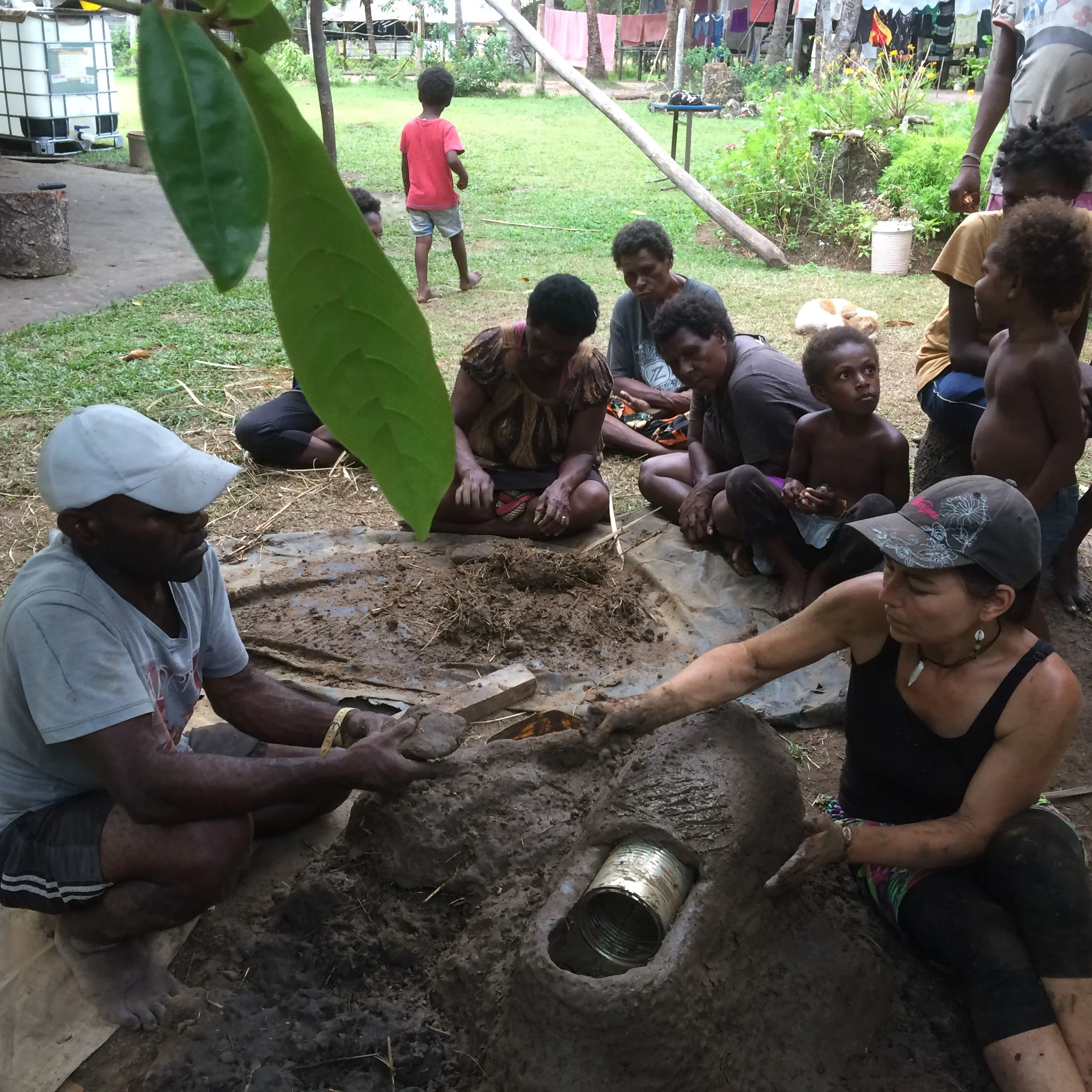
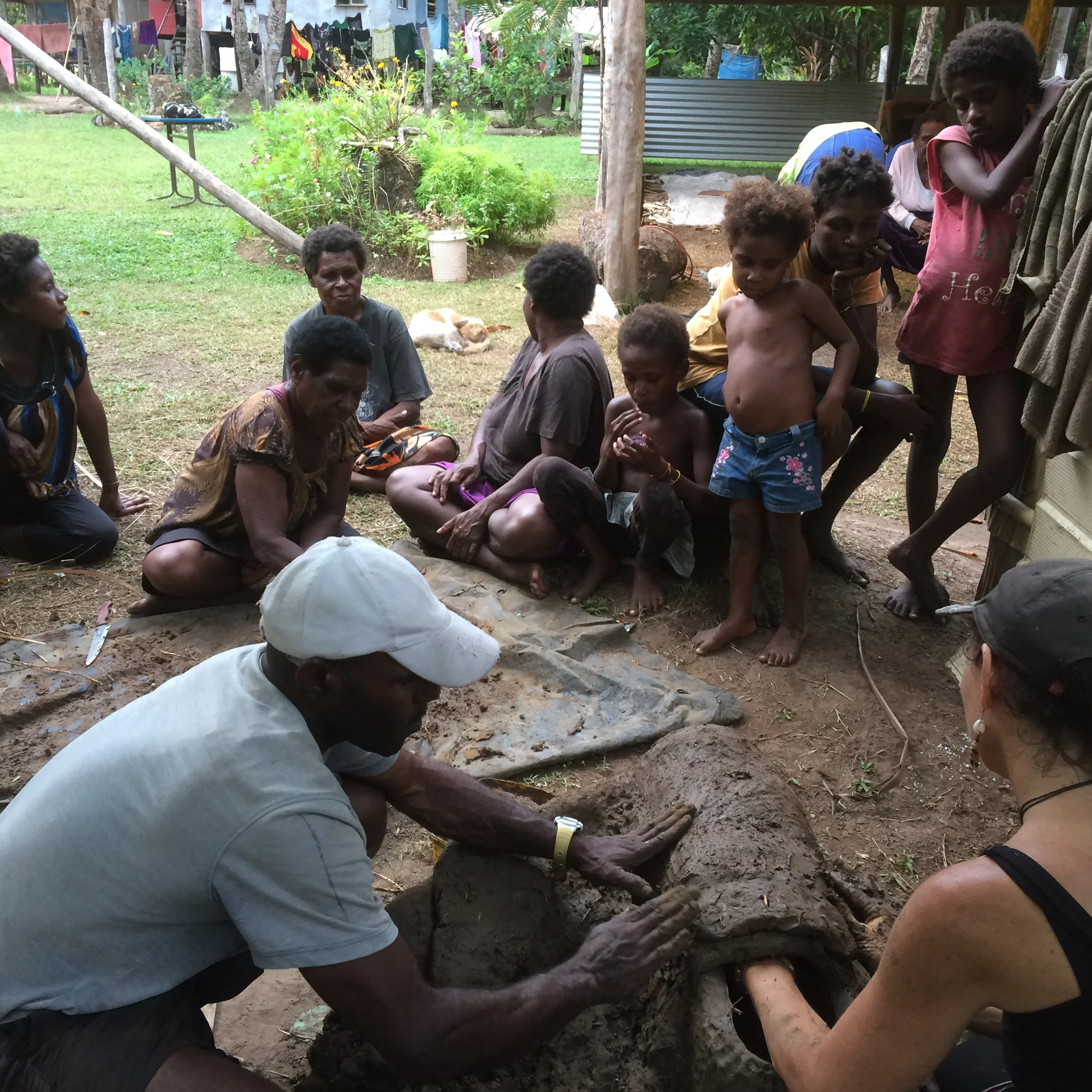
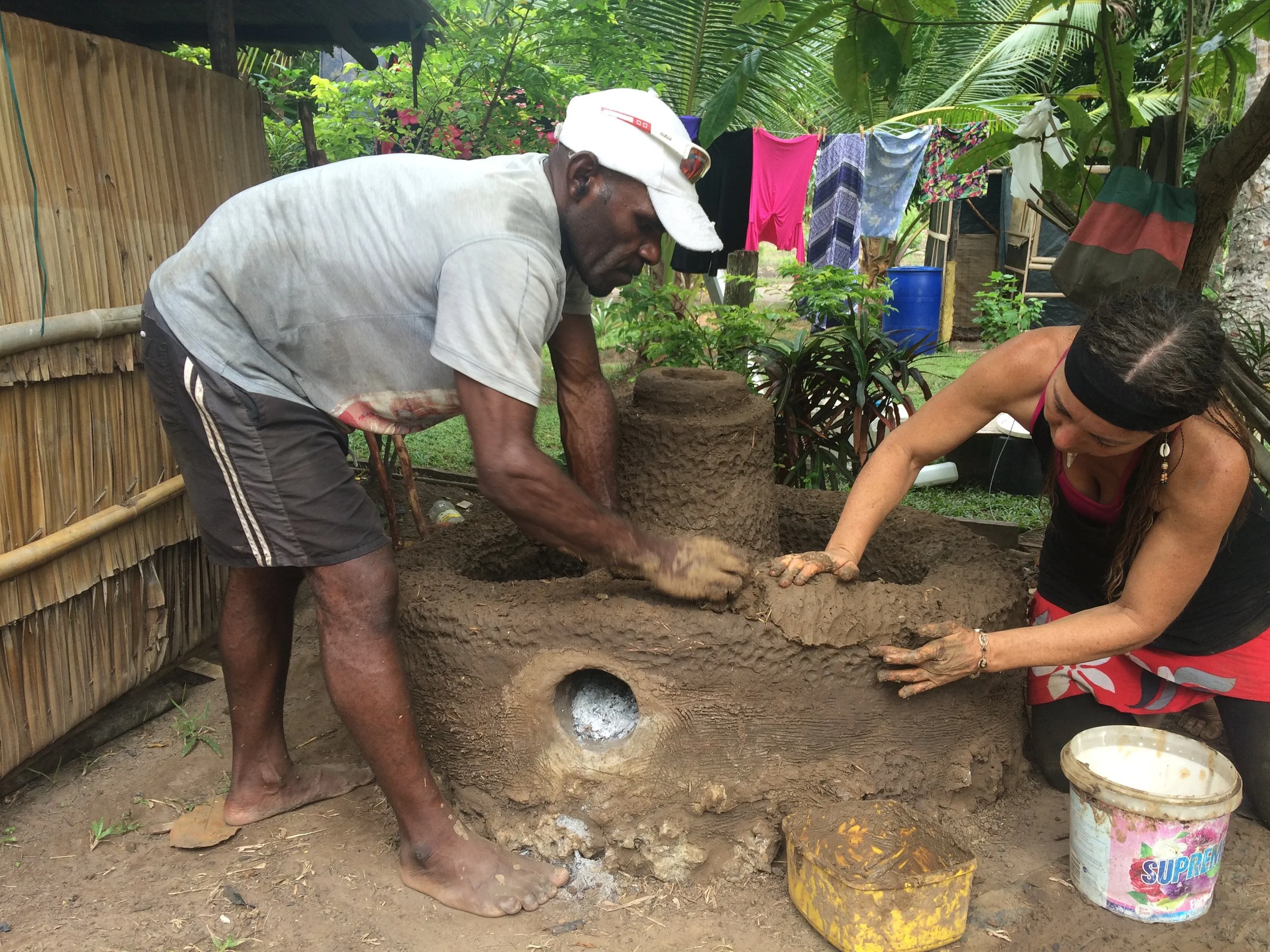
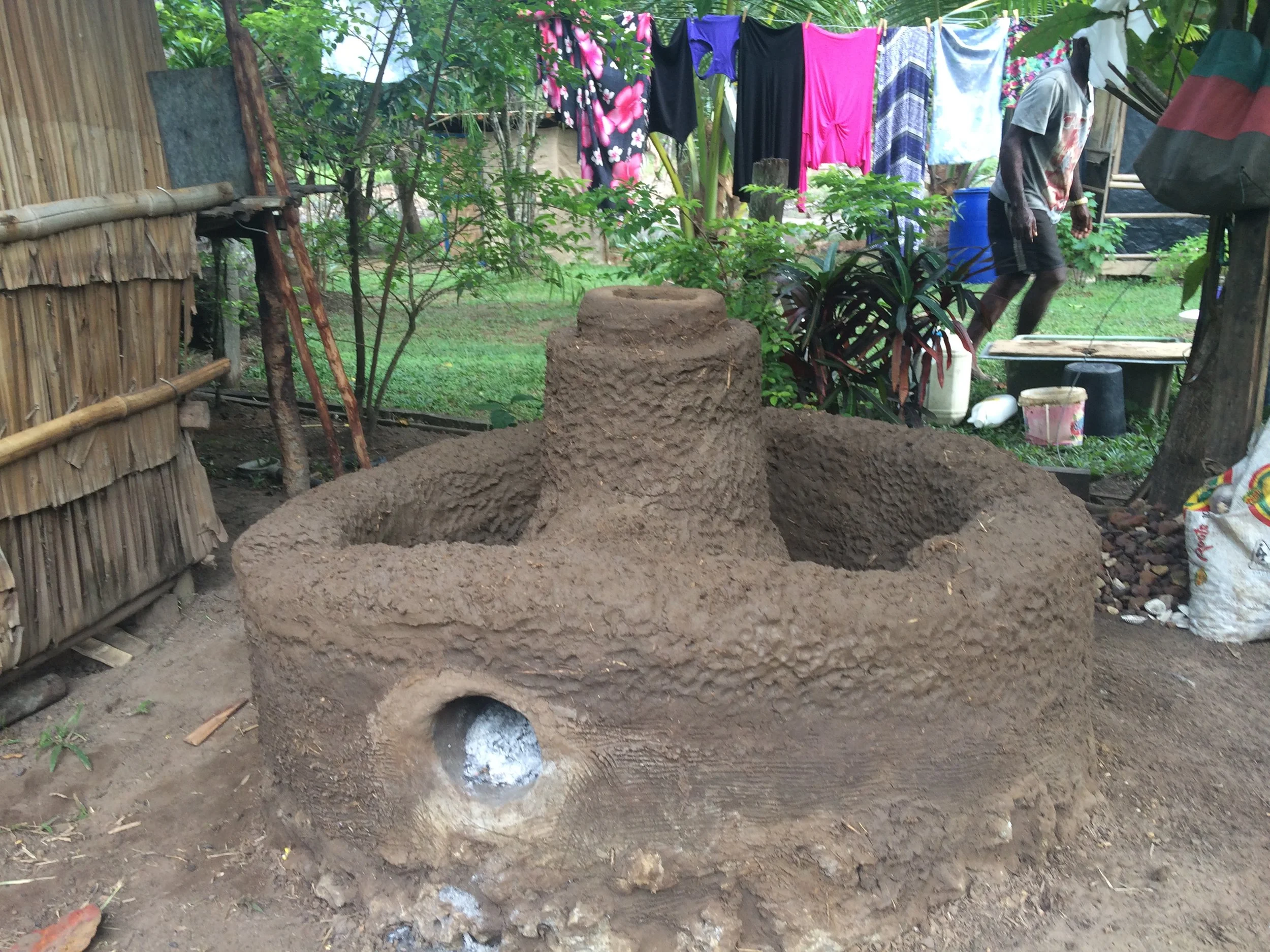
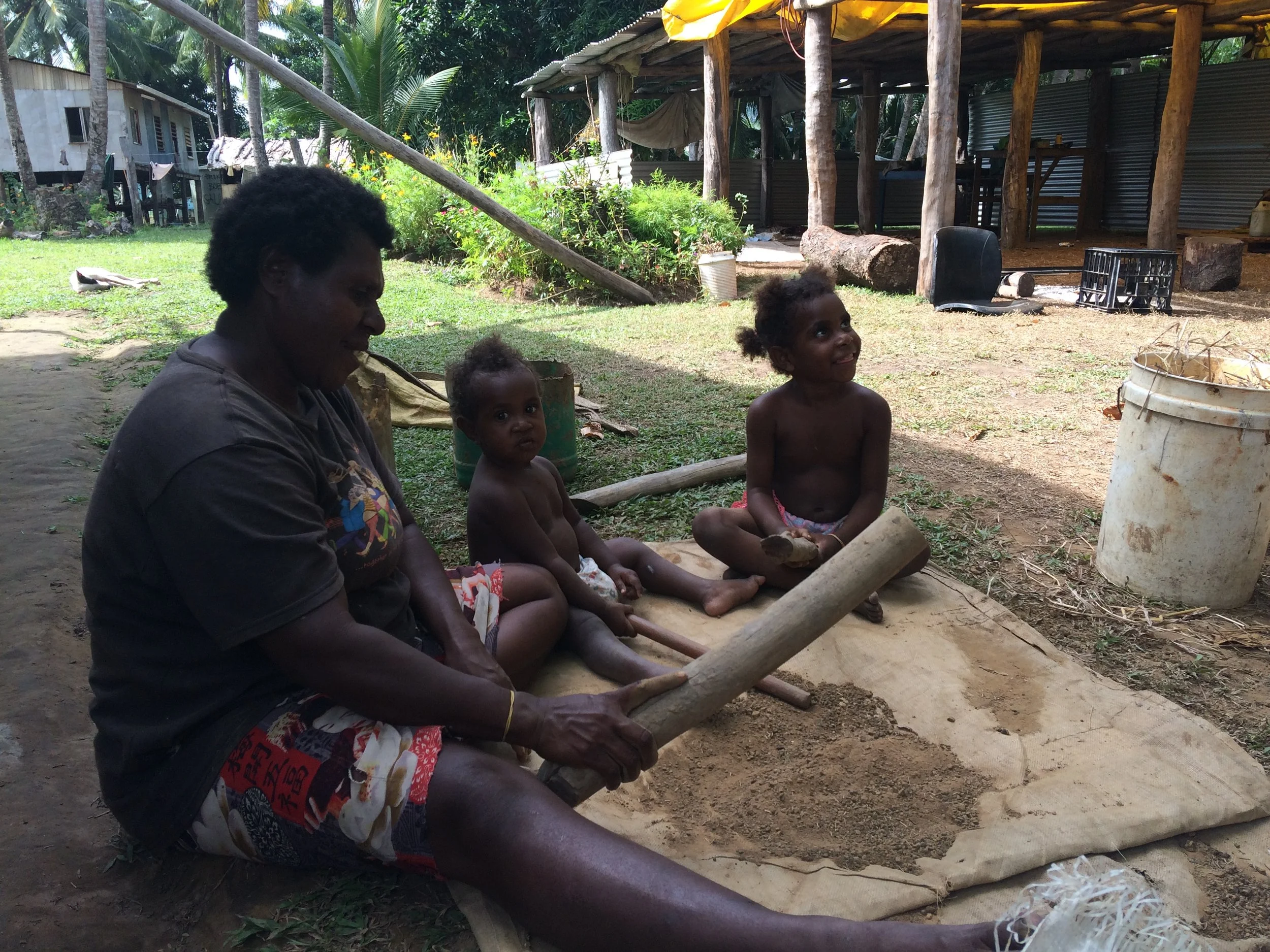
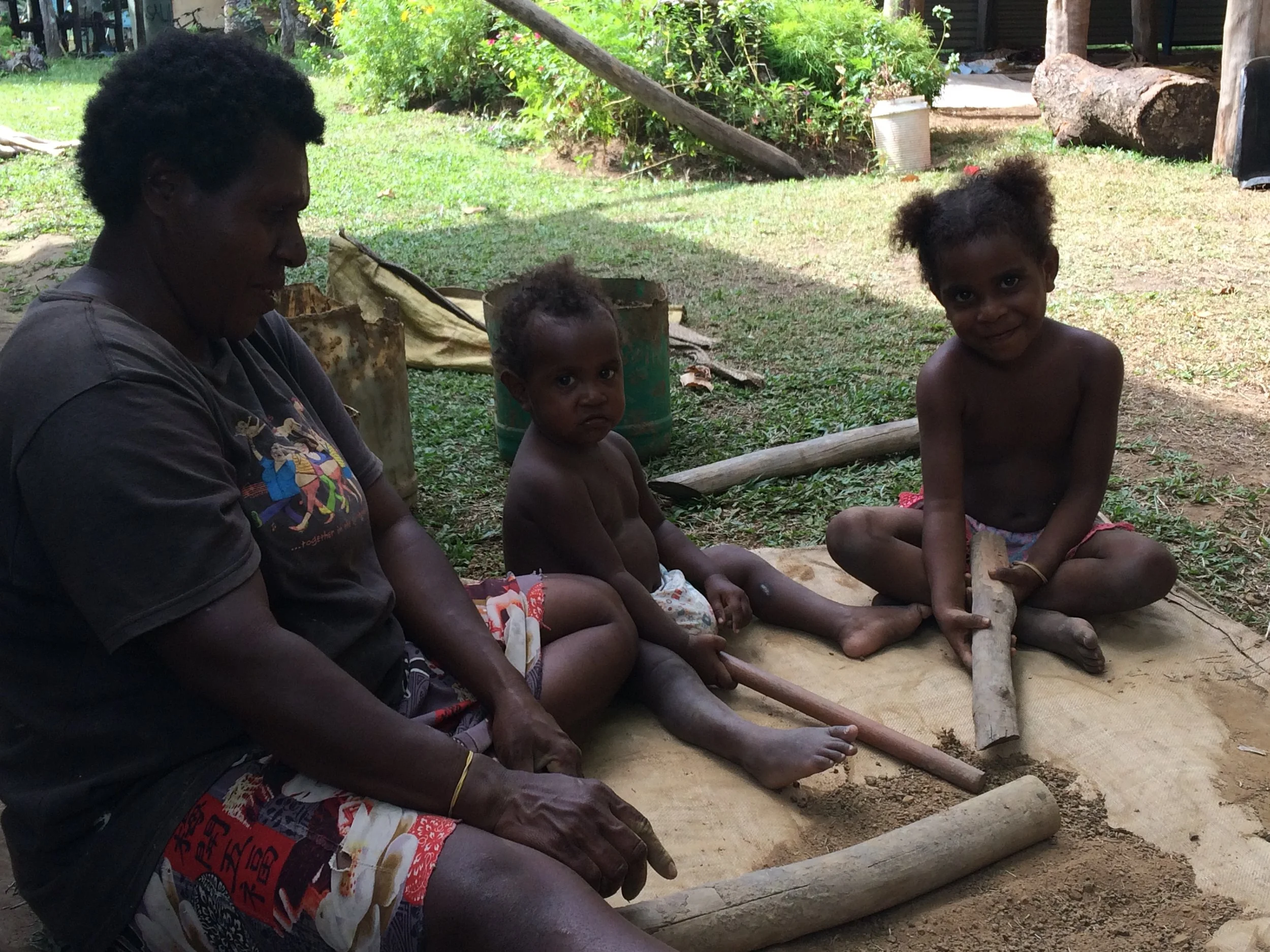
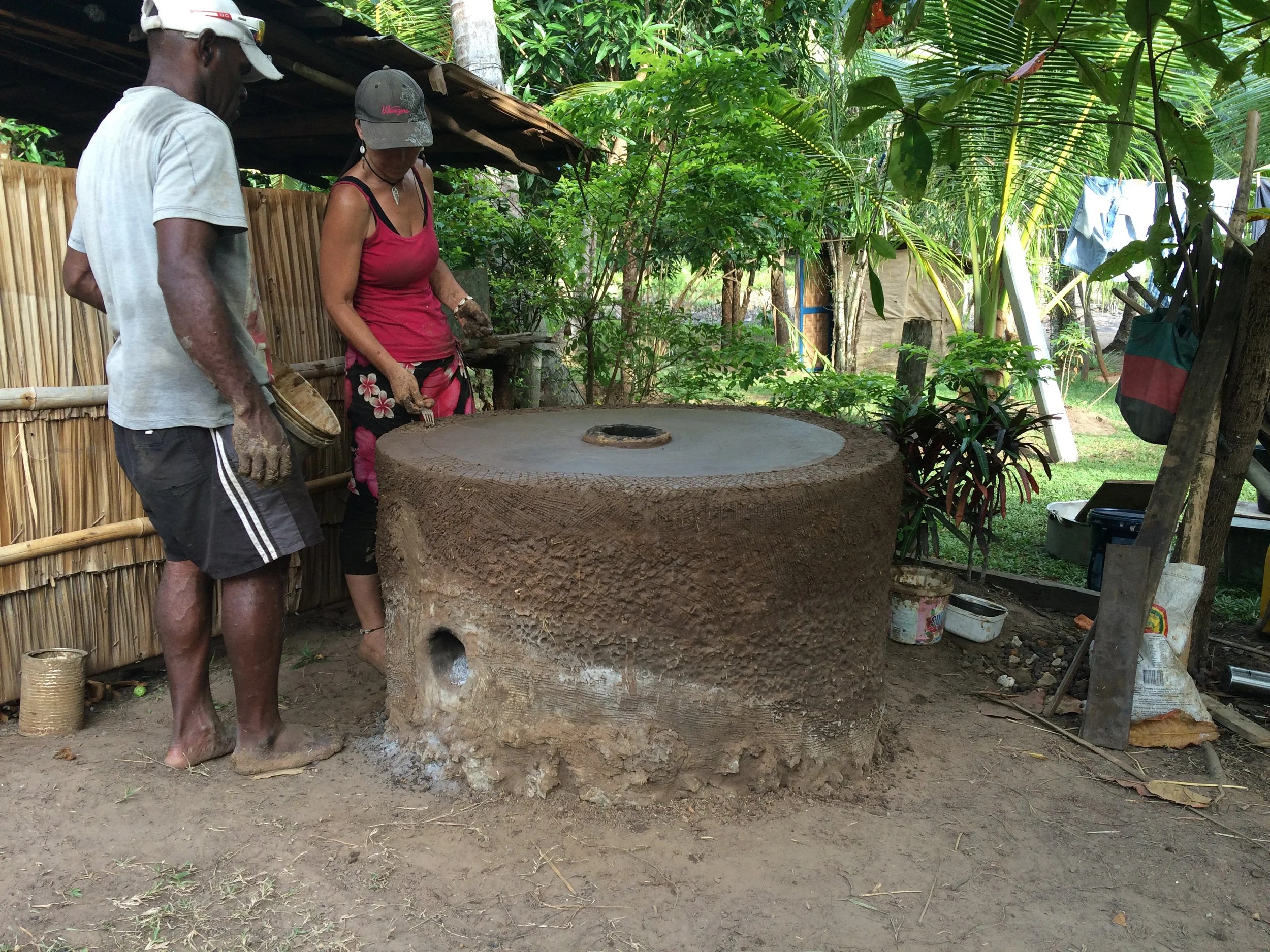
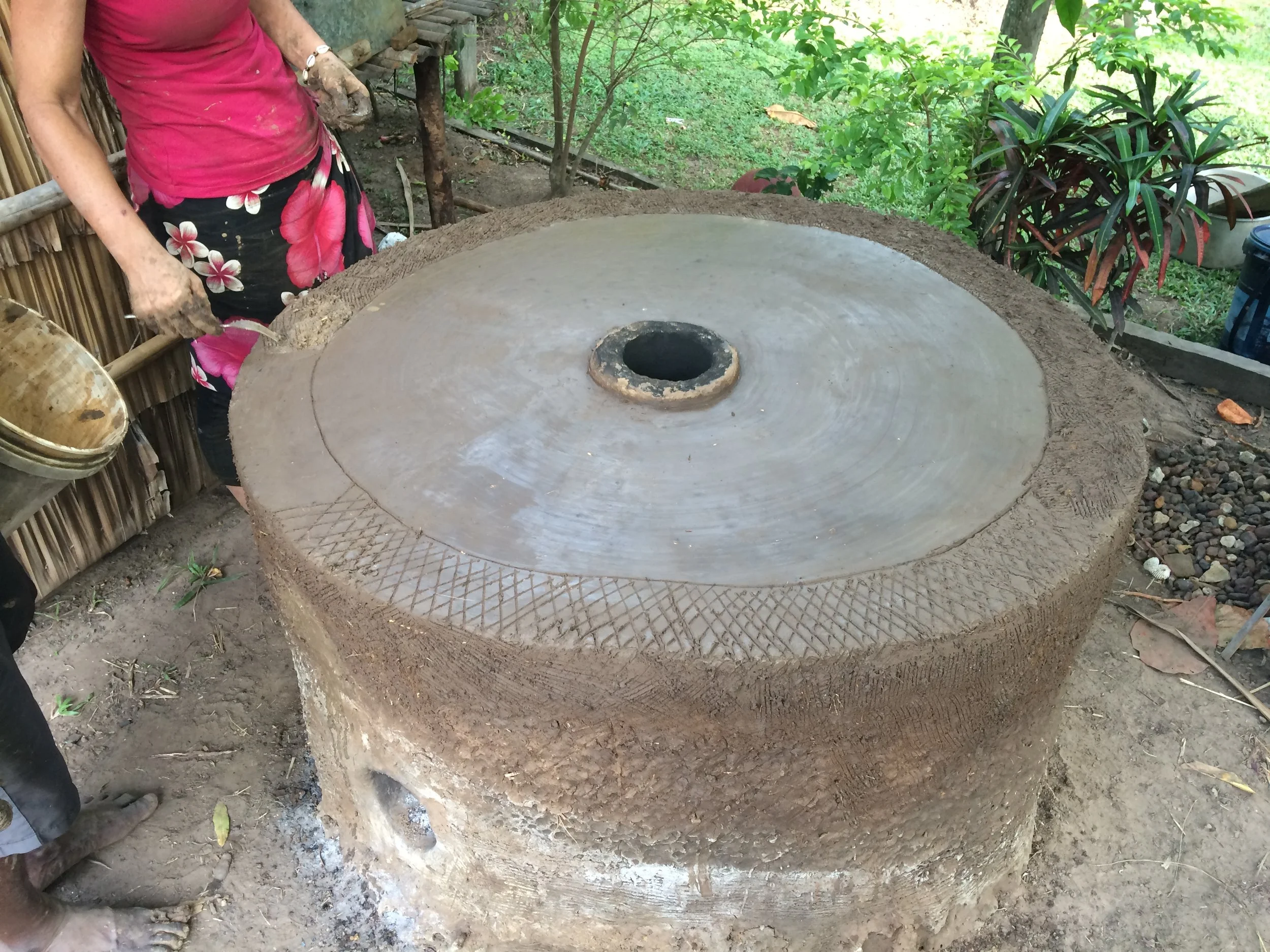
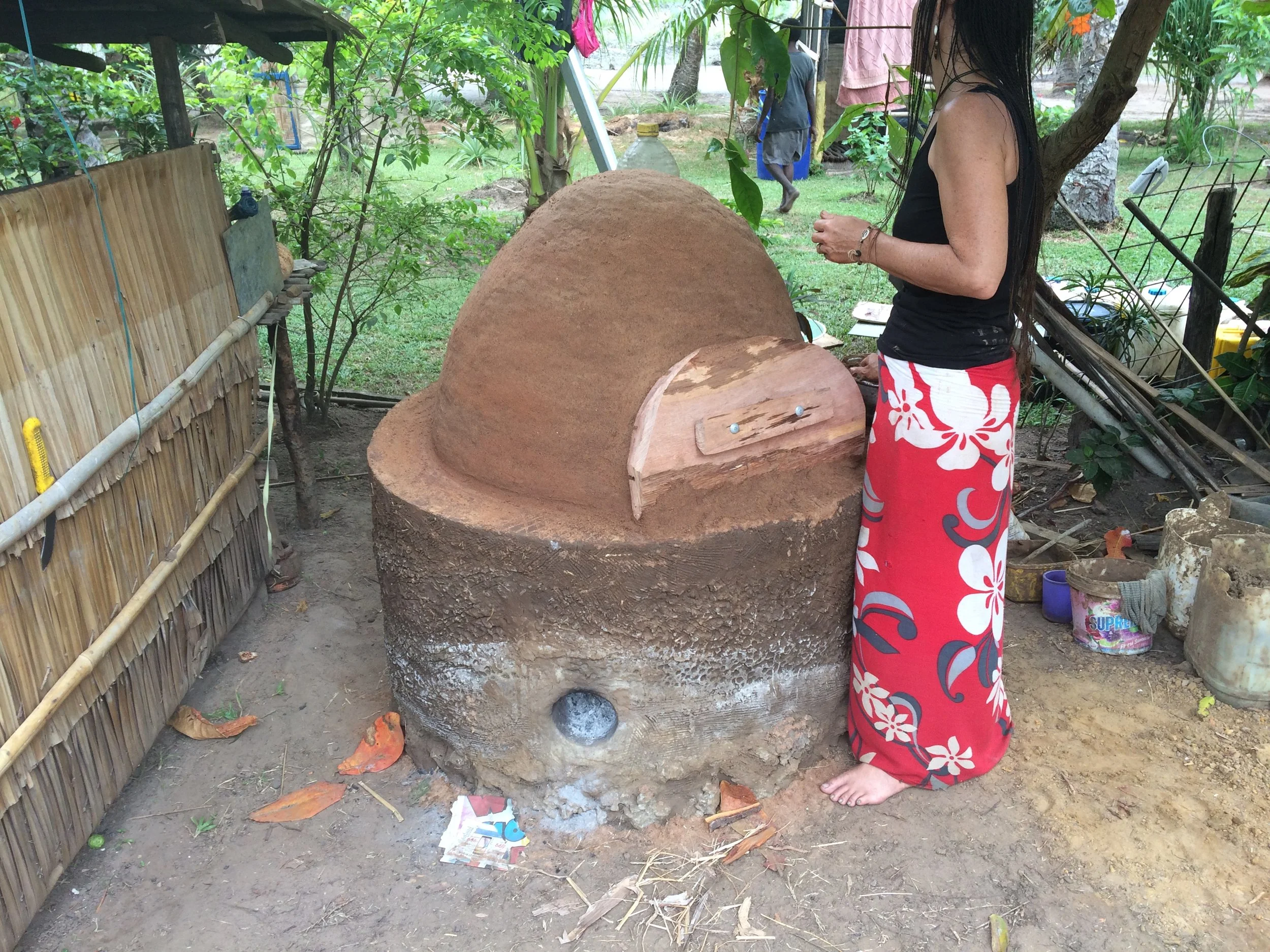
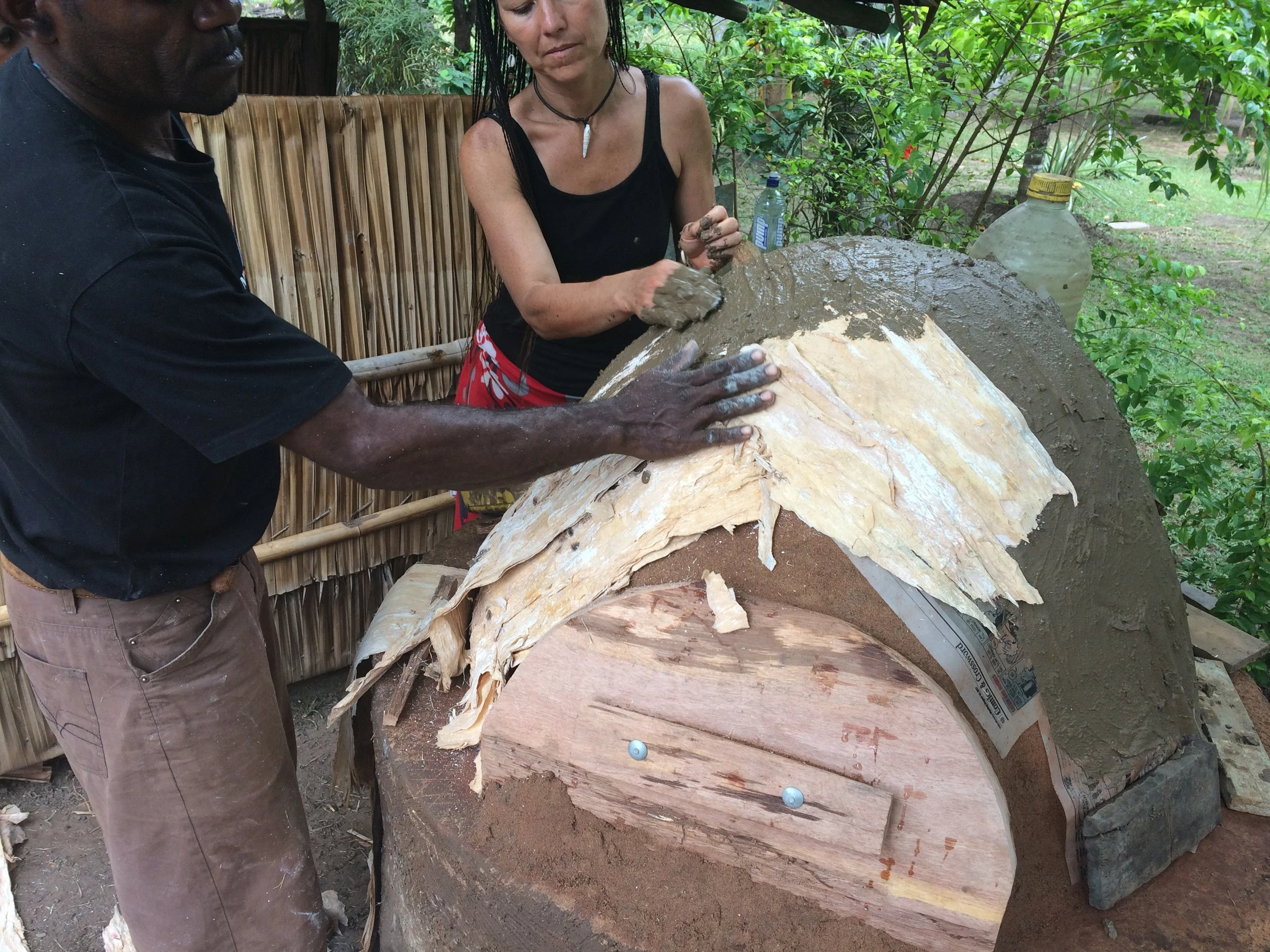
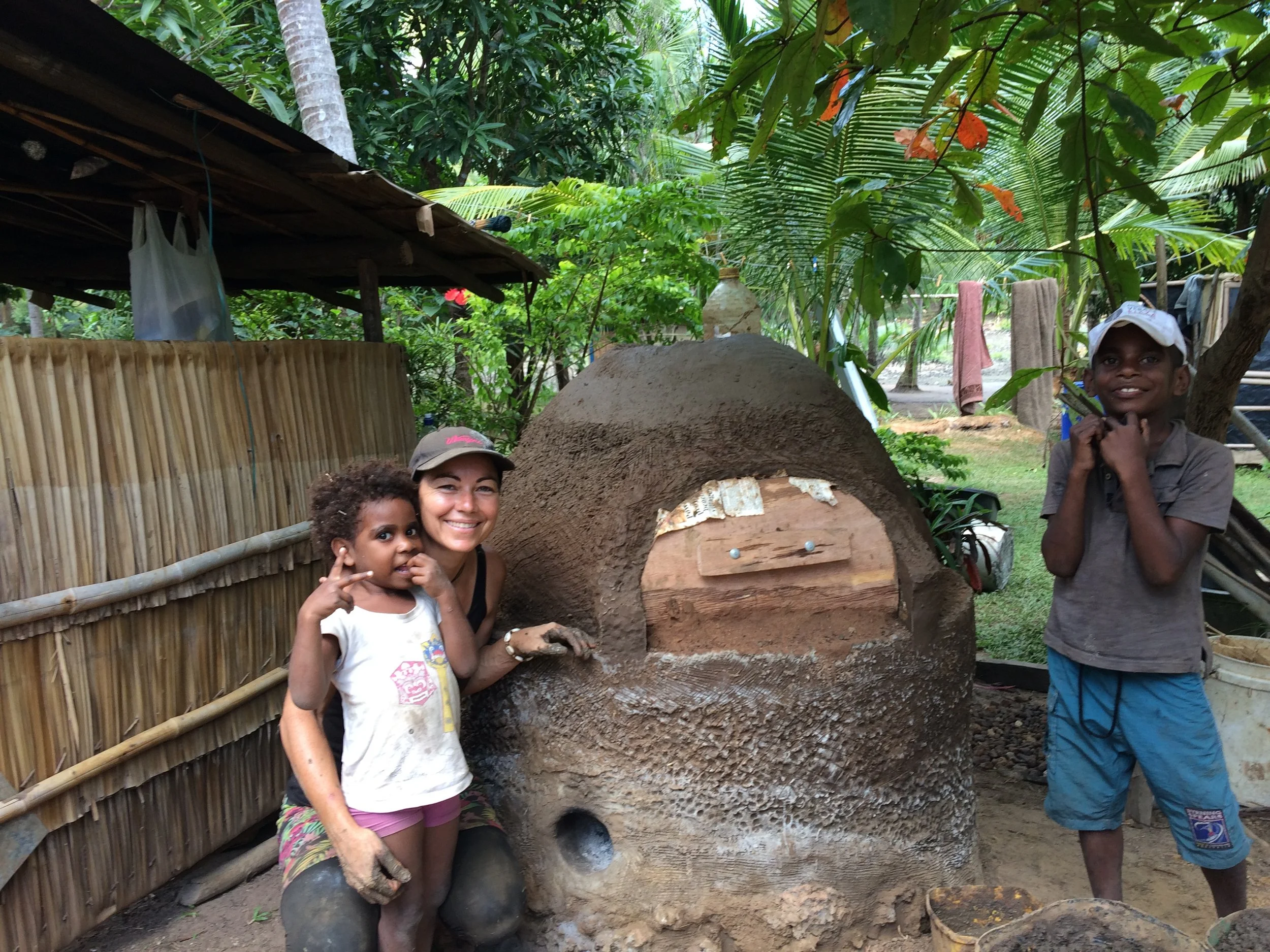
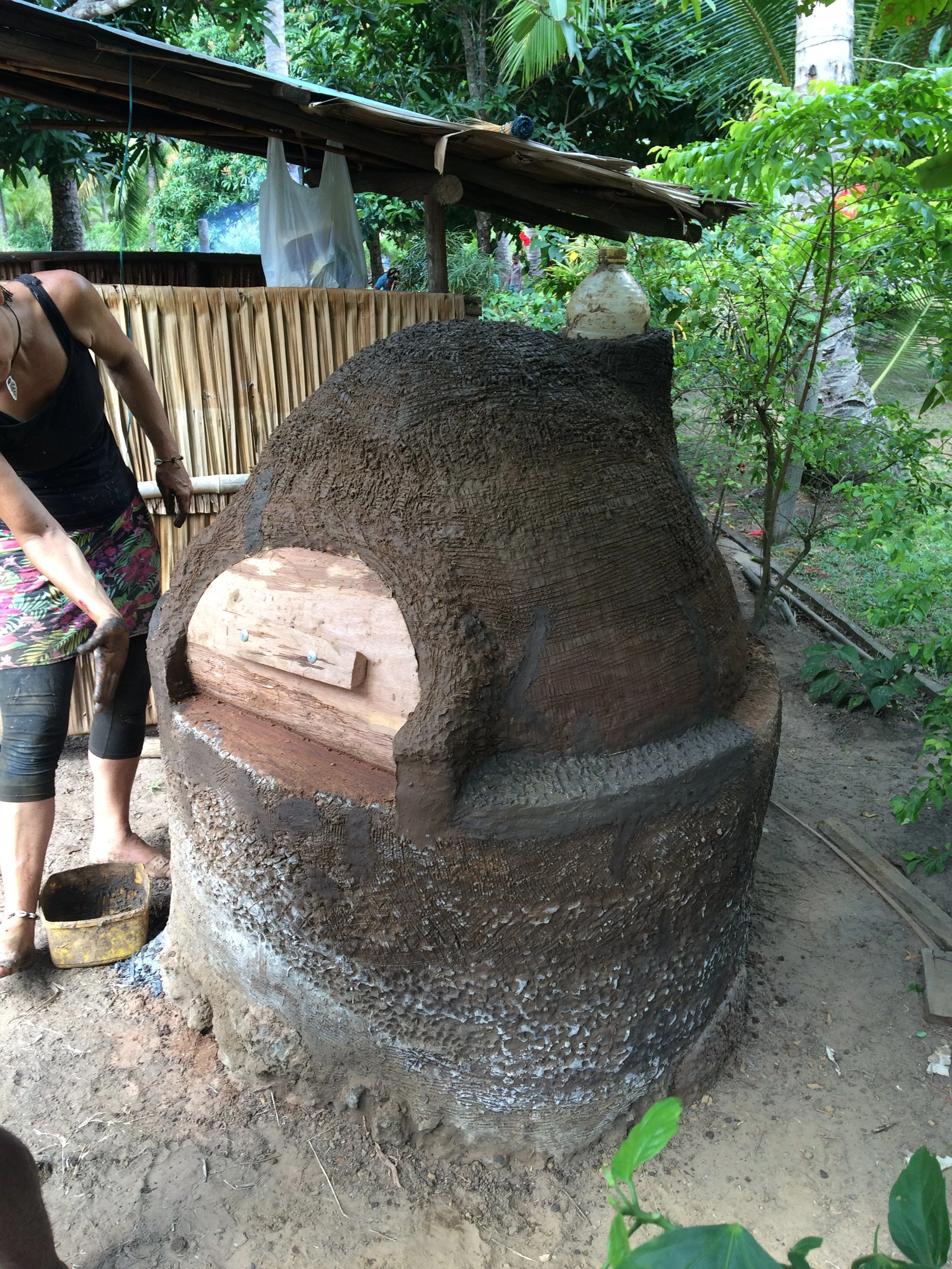
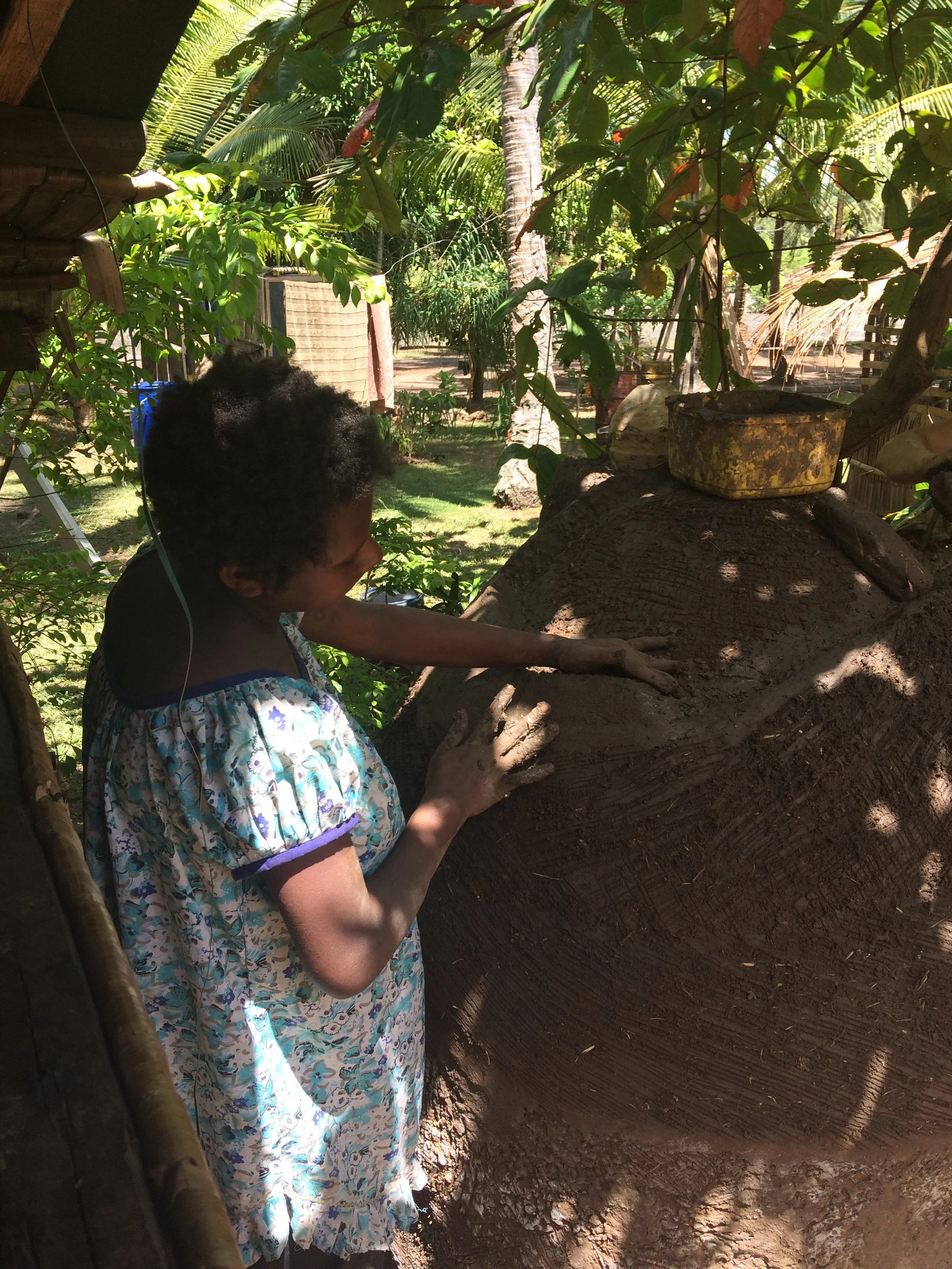
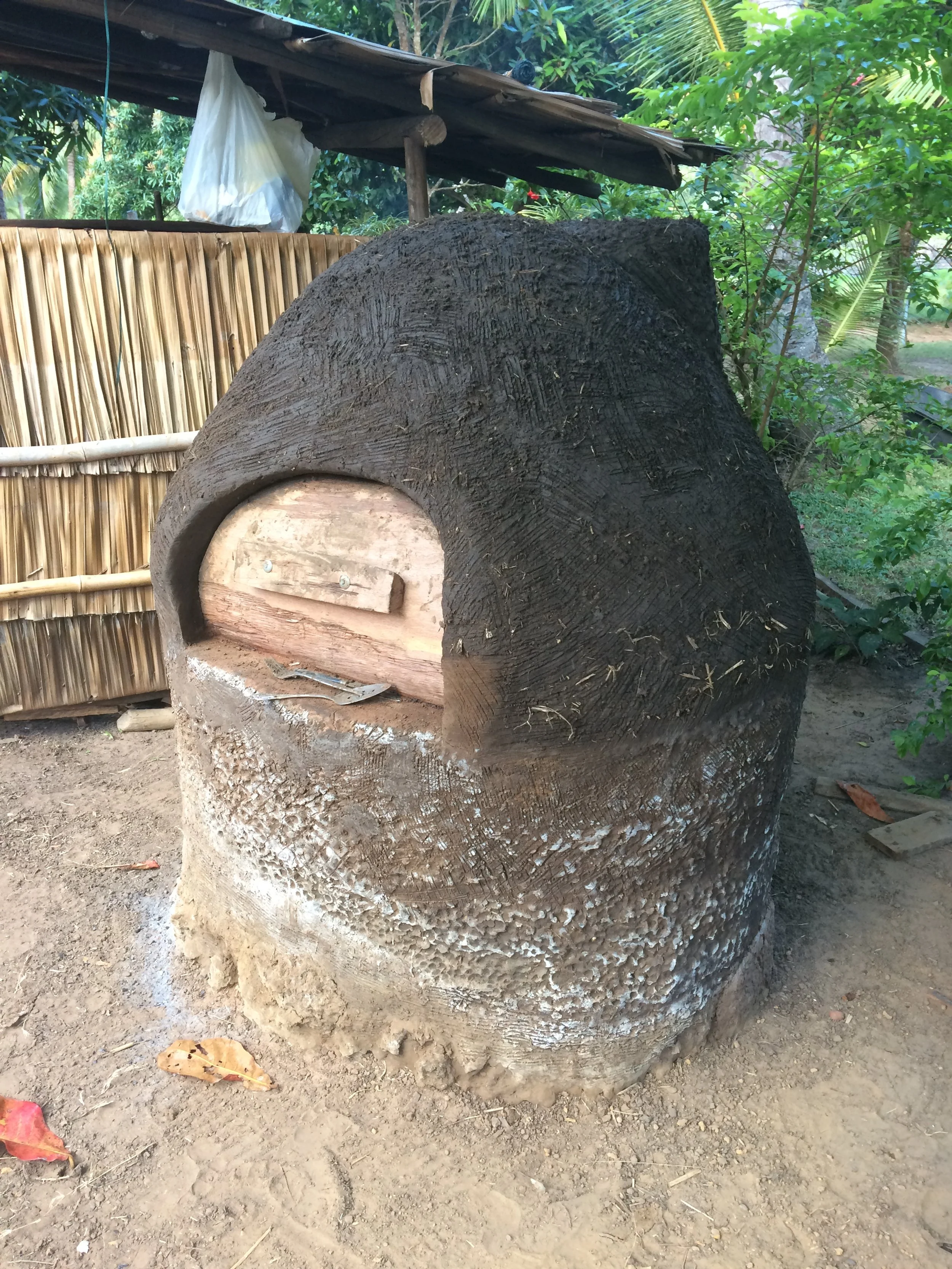
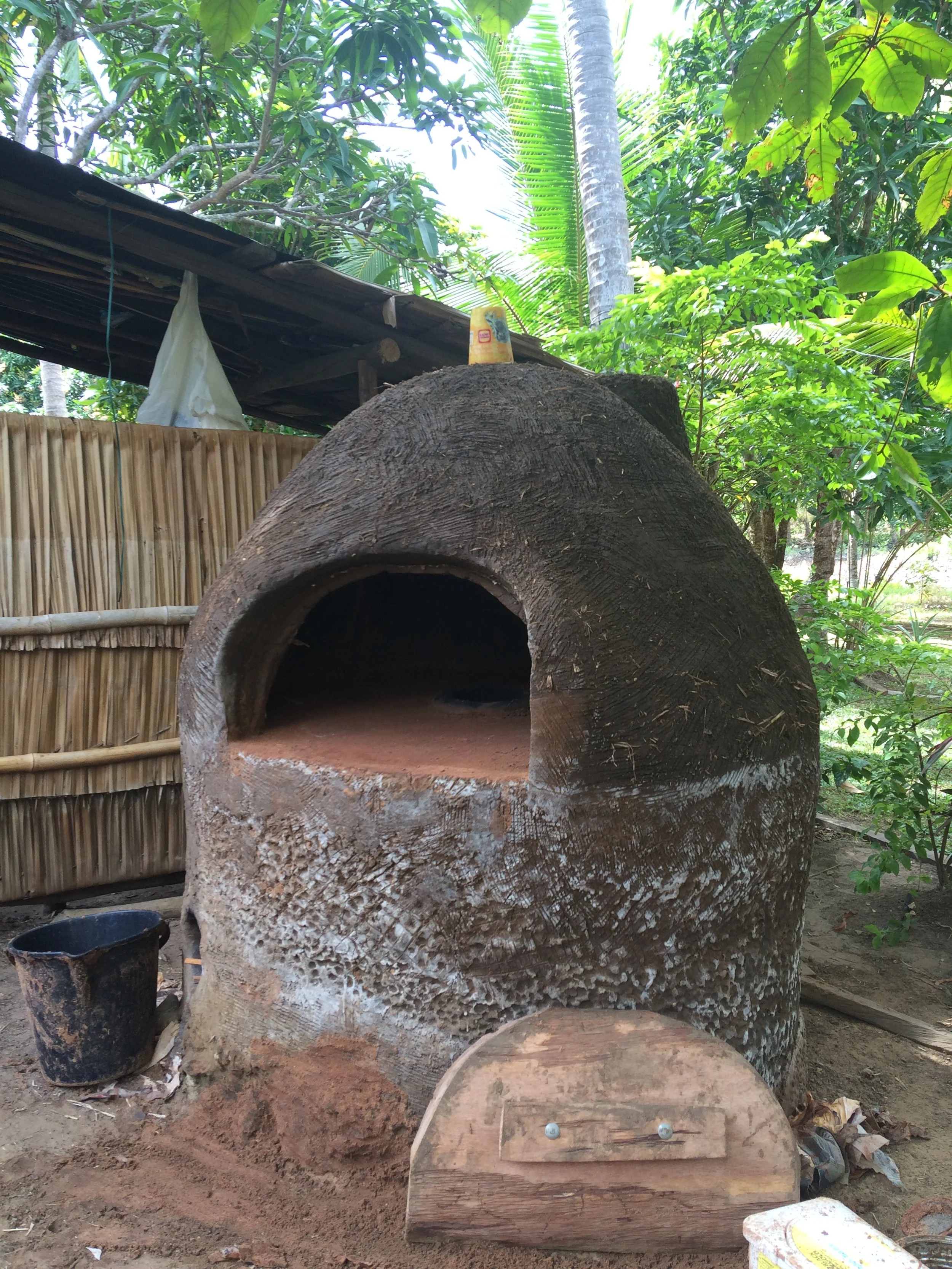
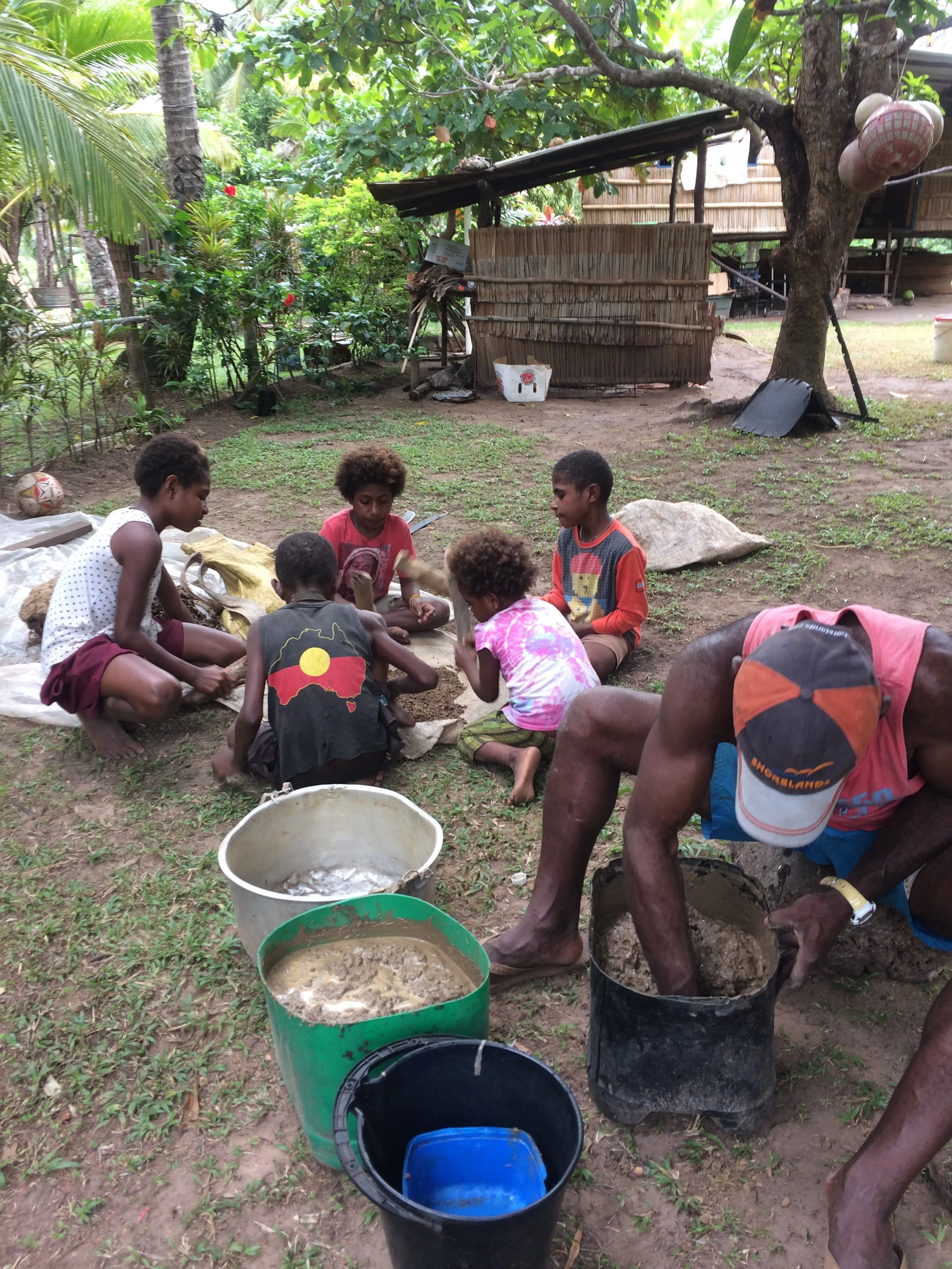
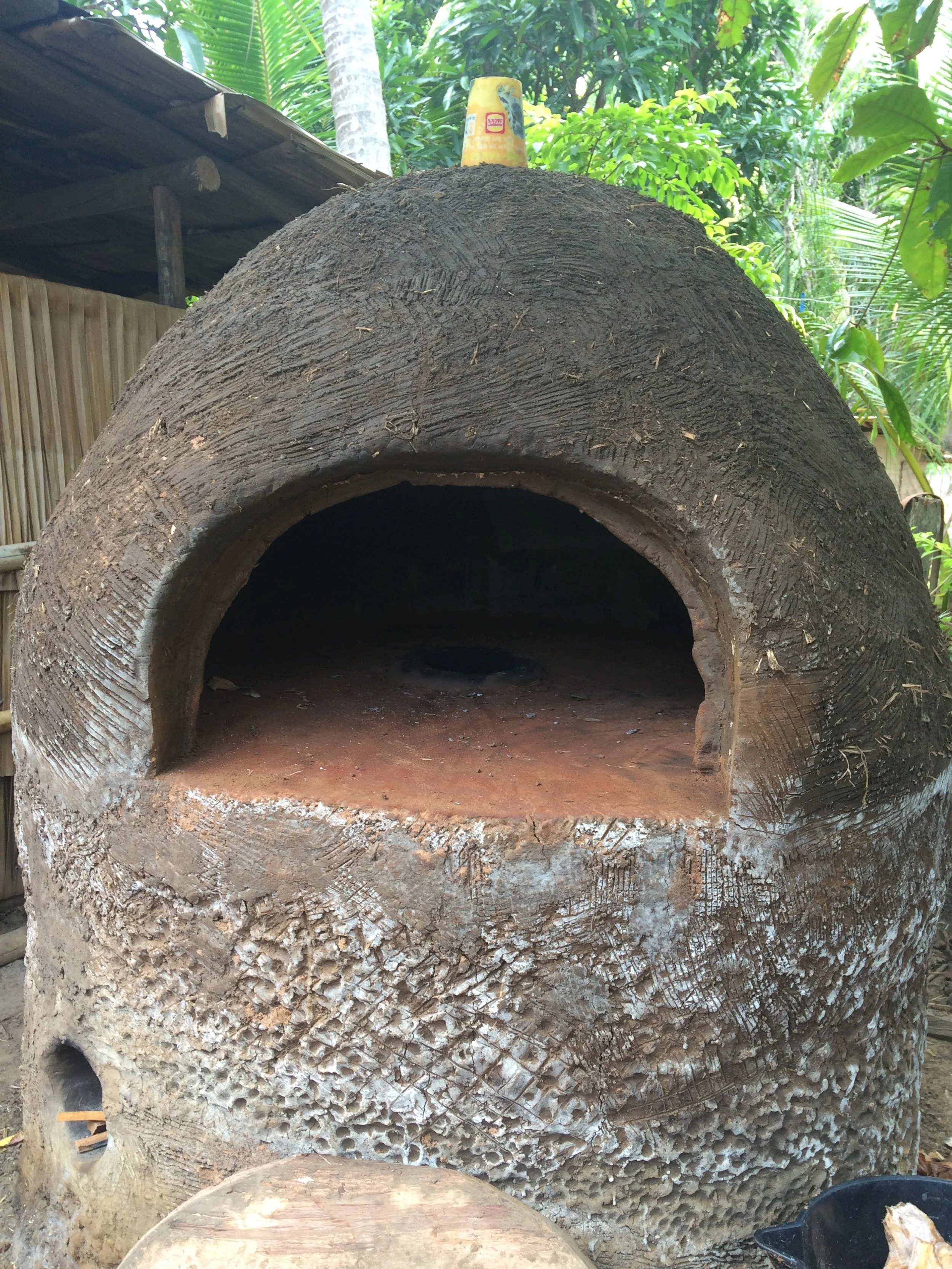
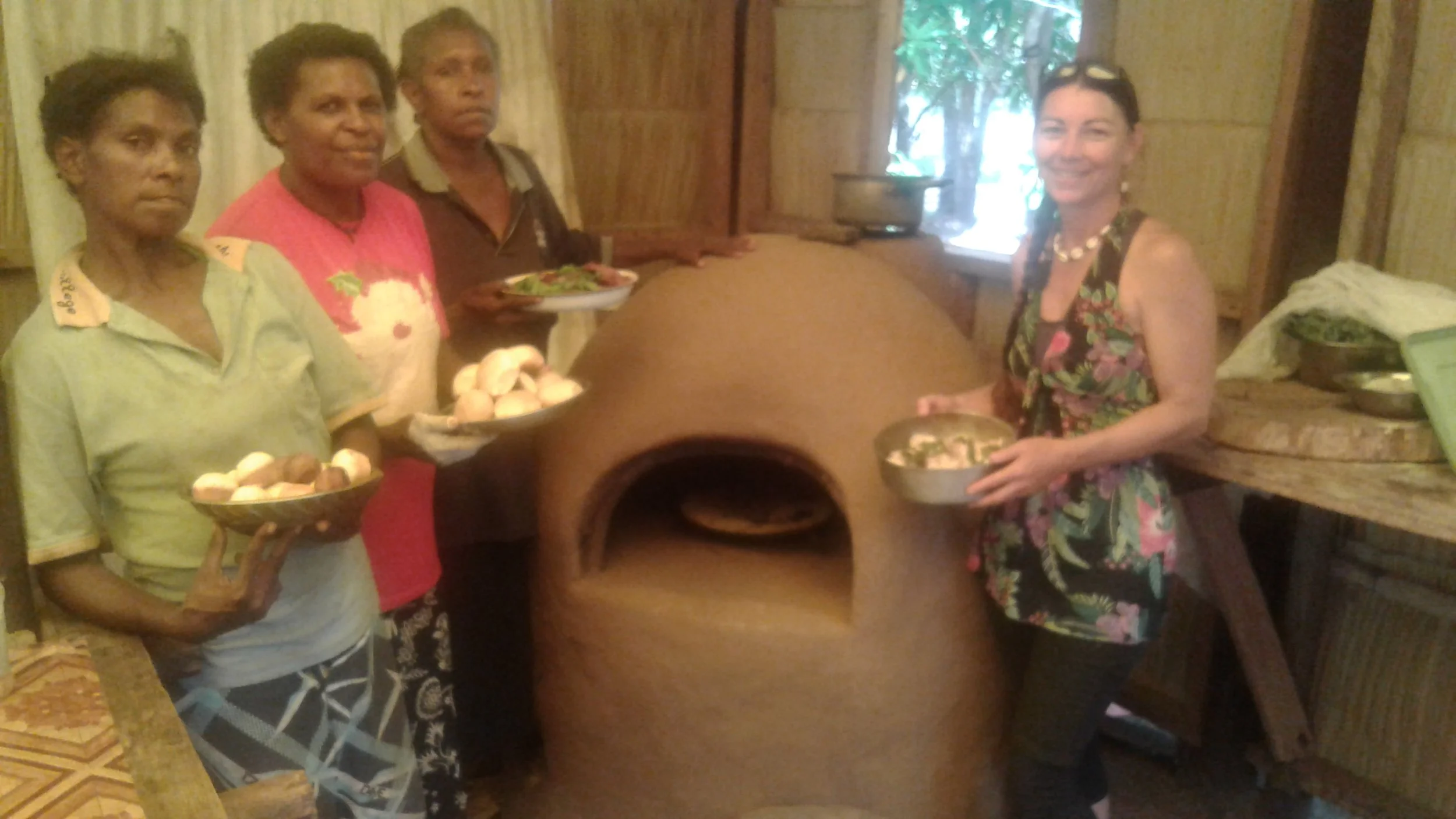
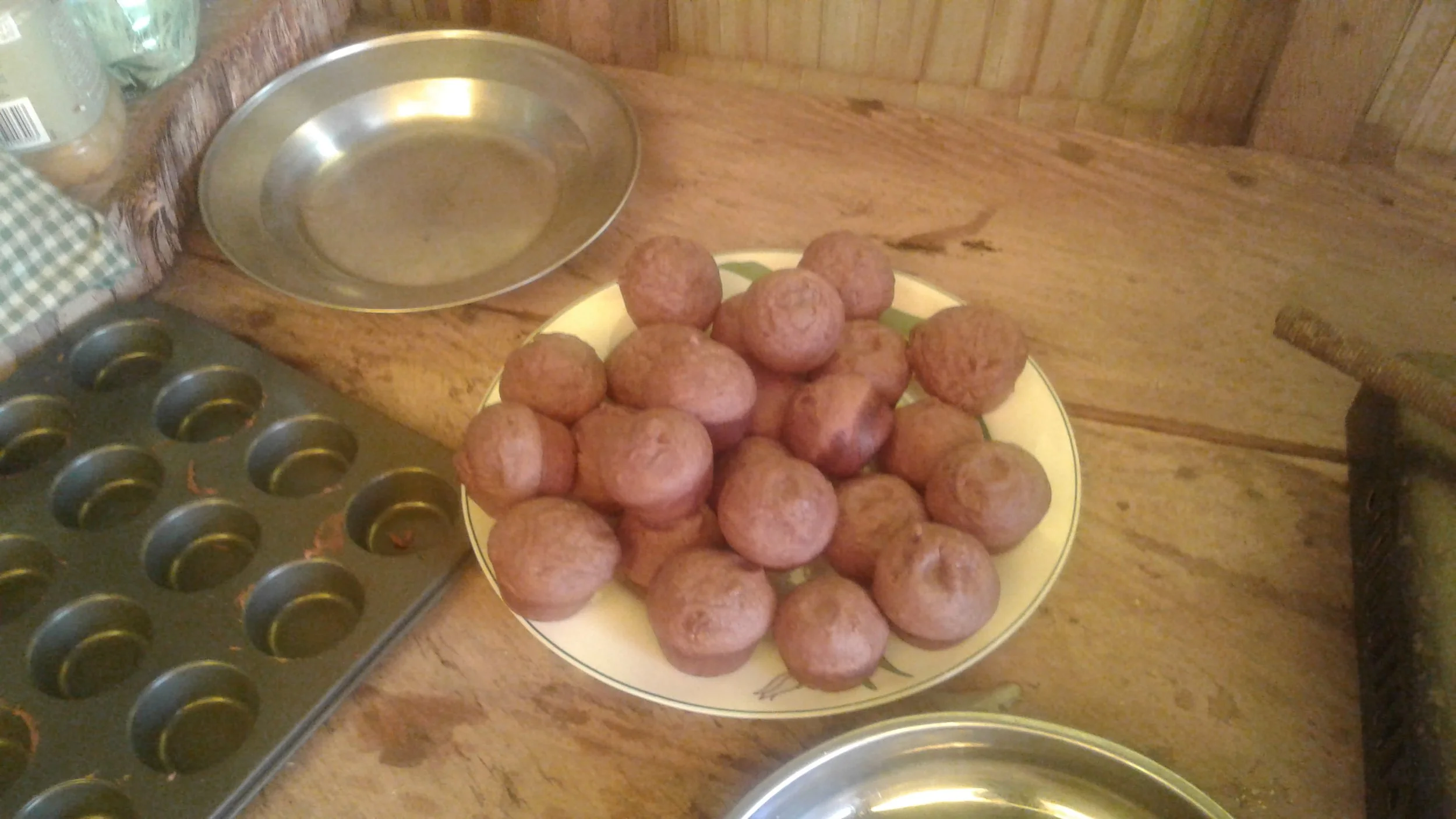
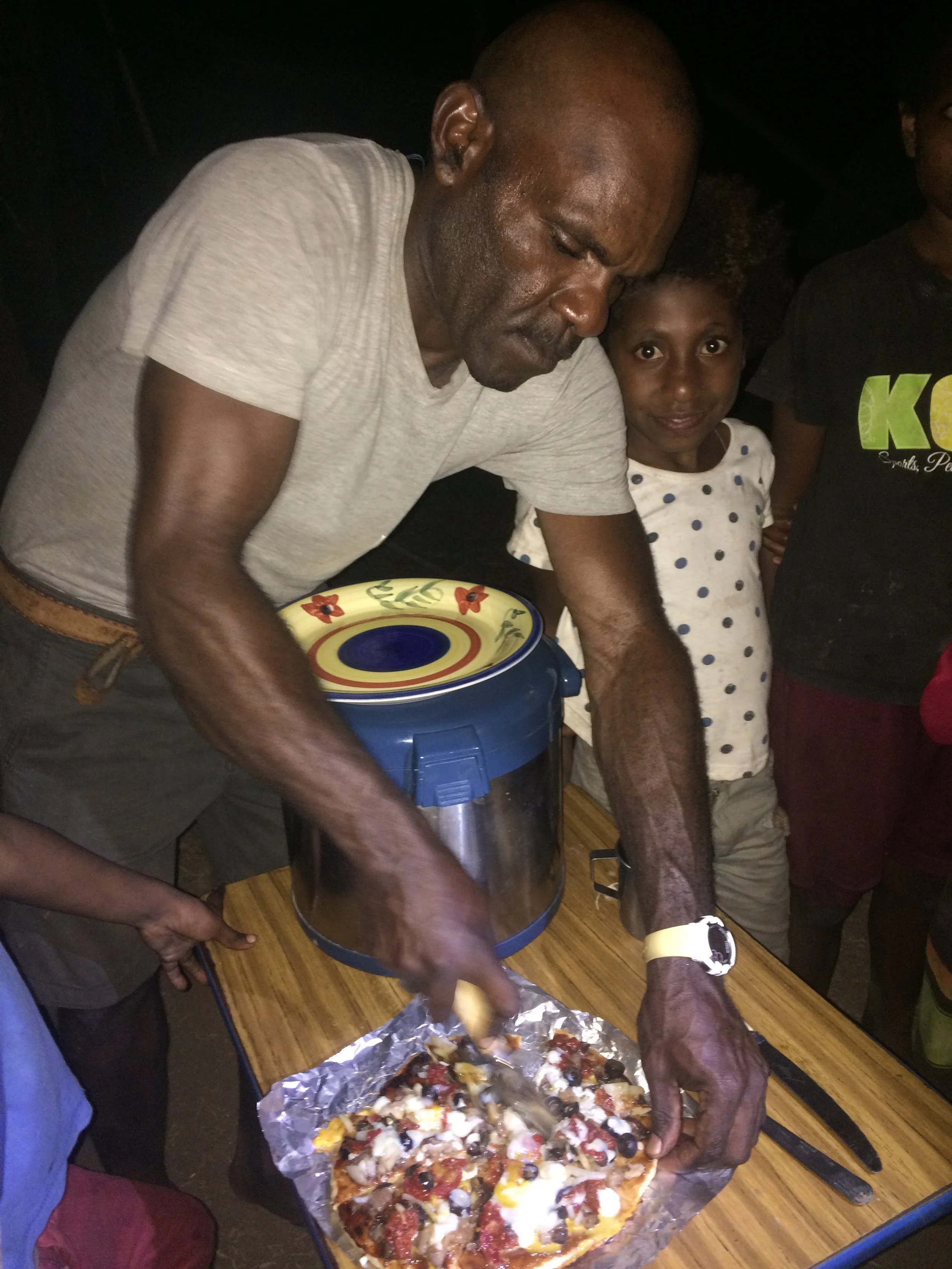
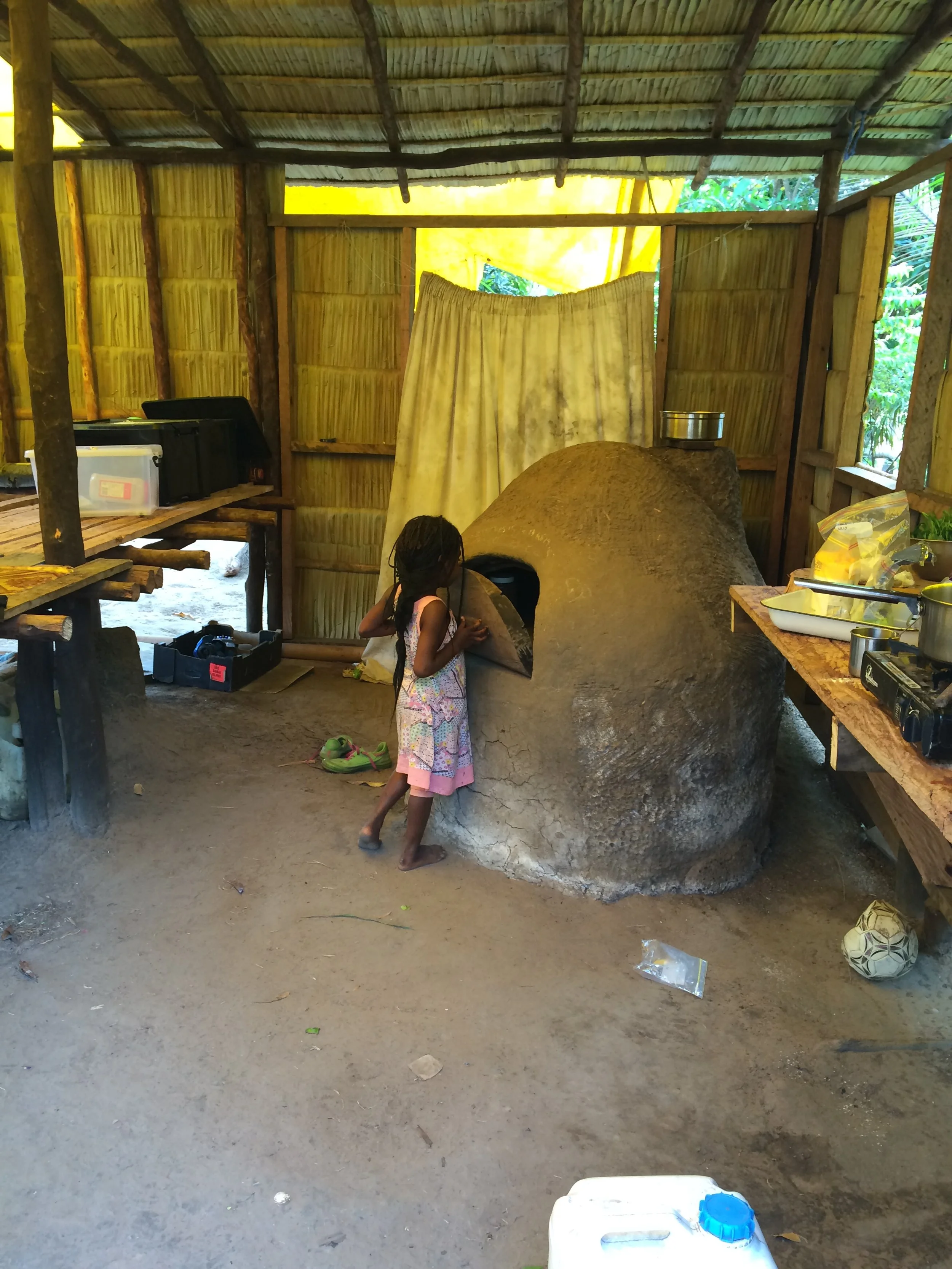
The construction of rocket cob ovens, a simple yet effective cooking solution that improves both the health and environmental conditions for families in the Western Province of PNG.
Traditional cooking methods often involve open fires that produce harmful smoke, leading to respiratory issues for those exposed, particularly women and children. By introducing rocket cob ovens, we are significantly reducing smoke inhalation, creating a safer cooking environment and improving health outcomes for families.
Additionally, rocket ovens are highly efficient, using smaller pieces of wood instead of larger logs. This not only reduces the amount of wood needed but also lessens the pressure on the environment by minimising deforestation.
When using coppiced trees or shrubs, we ensure that the natural ecosystem remains intact, as these plants can regenerate and continue to thrive without the need to fell entire trees. It’s a win-win: healthier families and more sustainable practices for the environment.
How you can help
Access to clean water is a critical and ongoing need. And you can help make it possible. Every contribution helps us provide clean water, improve health, and create a brighter future for children and families in Sigabaduru and beyond. Together, we can bring hope, dignity, and the basic necessities that everybody deserves. Your support makes life-changing projects like this possible.
There are many children around the world who still lack access to essential services like water, as well as education, schools and healthcare. But we can all play a pivotal role in changing that. By donating or partnering with Gulagbi, you can provide life-changing resources such as:
Infrastructure to provide clean and safe drinking water
Classroom supplies and learning materials
Sports equipment to encourage physical activity and teamwork
Basic necessities like clothing, shoes, and clean water
Your support will help us create sustainable, lasting change for these communities, ensuring that the next generation has the tools they need to build a better future. Together, we can empower the children of Sigabaduru and others in need, helping them rise above the challenges they face today.