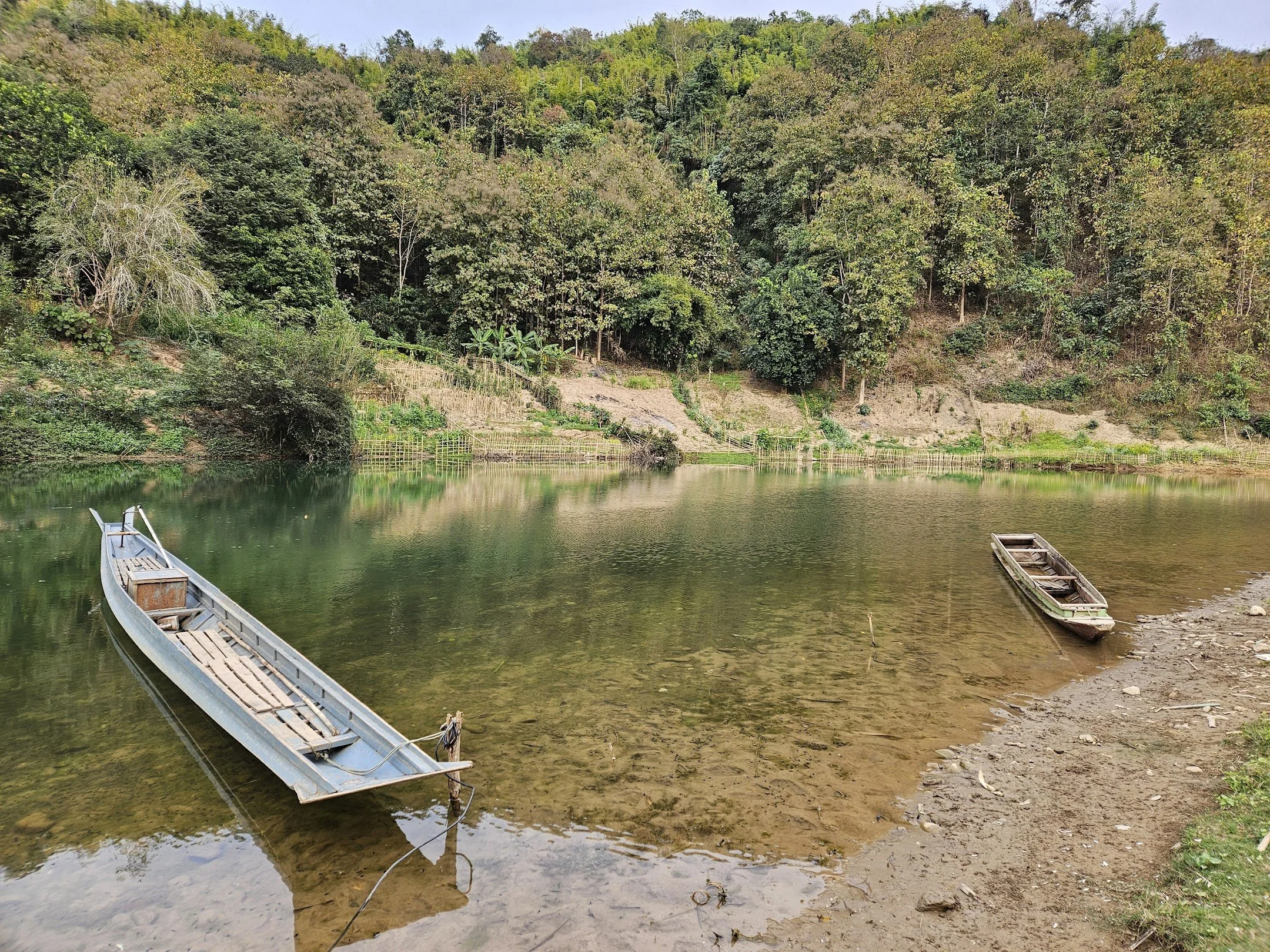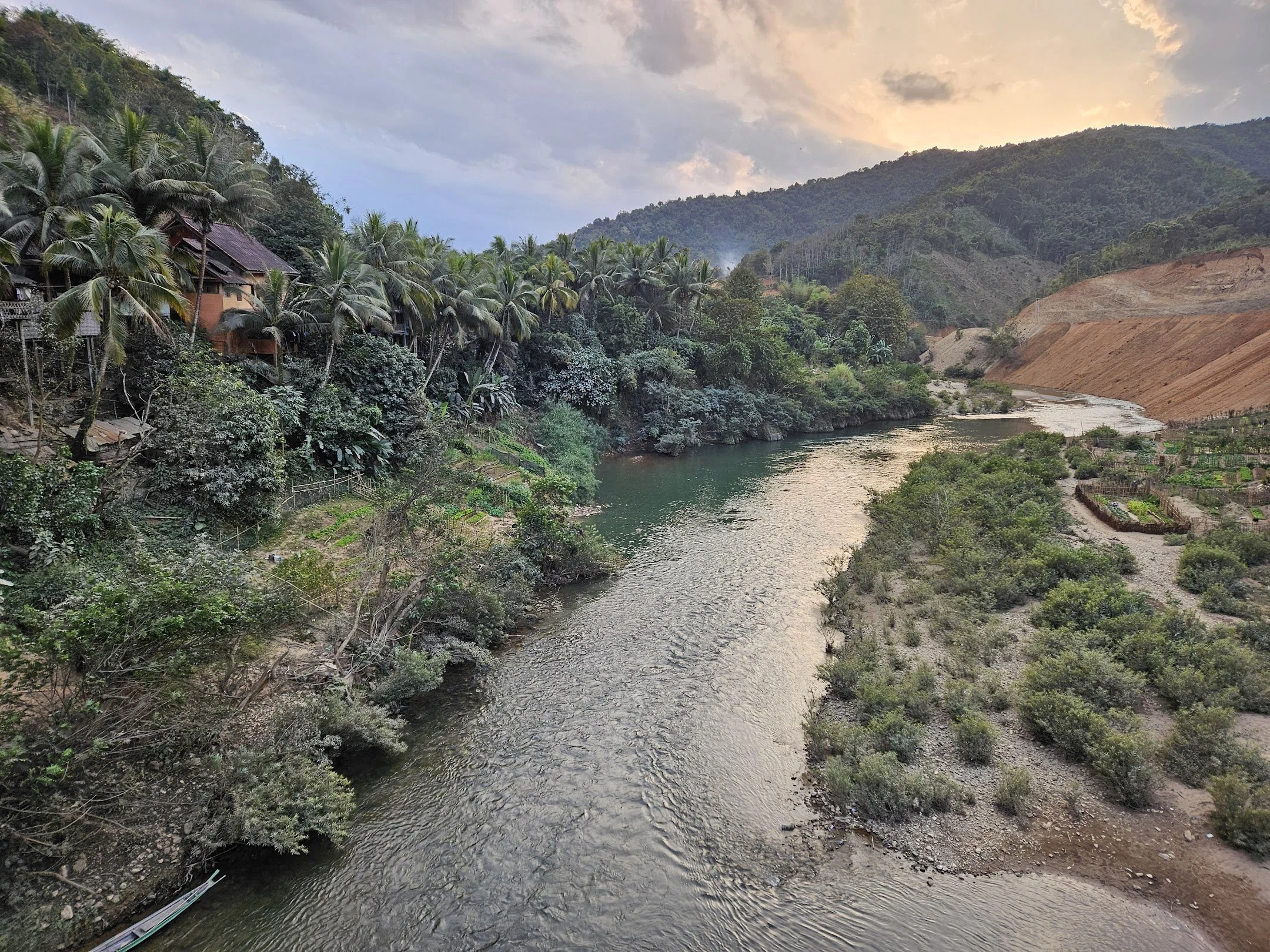
We’re returning to Laos in 2026
We’re now accepting donations to support our life-saving work with the Lao Birthwork Project as we prepare to return to Laos in January 2026.
The Lao Birthwork Project
The Lao Birthwork Project is a grassroots initiative dedicated to improving birth outcomes, maternal wellbeing, and access to respectful care for women and families in rural Laos.
Working in partnership with local communities, hospitals, and healthcare providers, the project bridges the gap between traditional practices and essential medical support. It aims to preserve and honour the cultural wisdom of Lao birth practices while also responding to the urgent need for safer, more accessible maternity care.
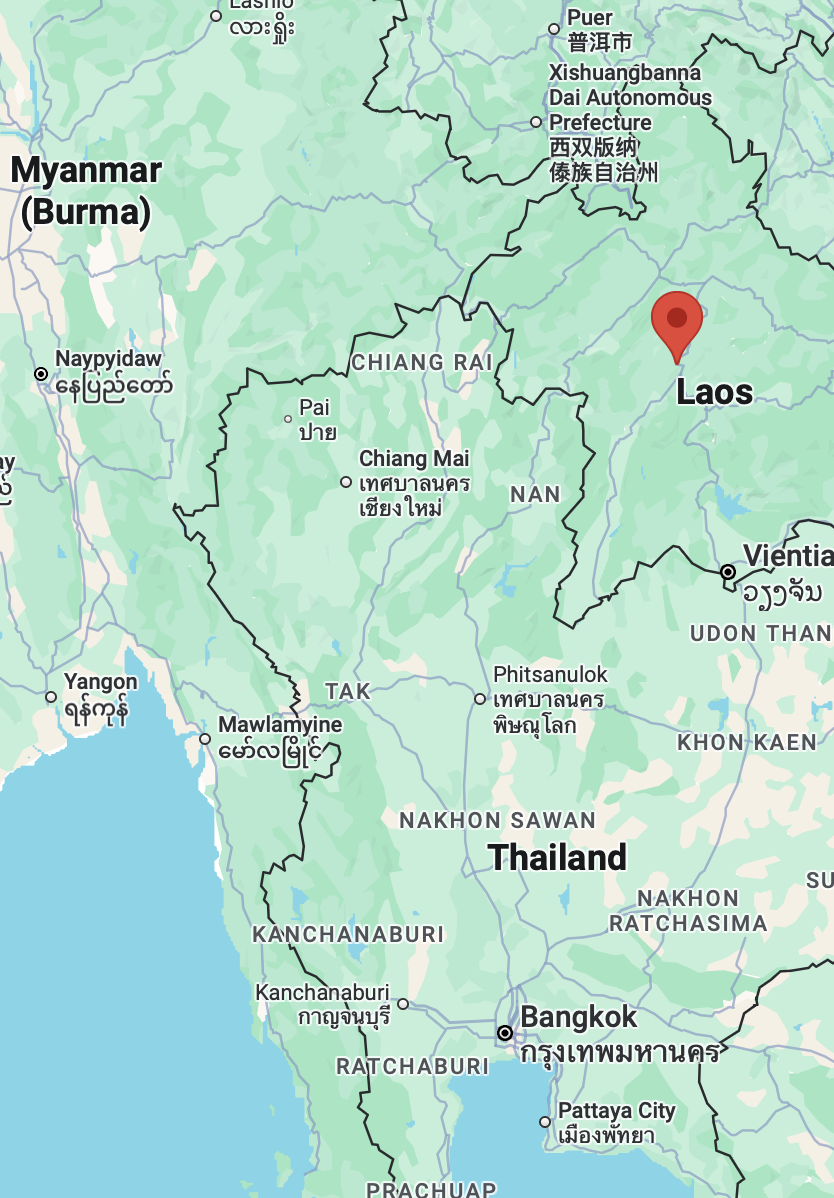
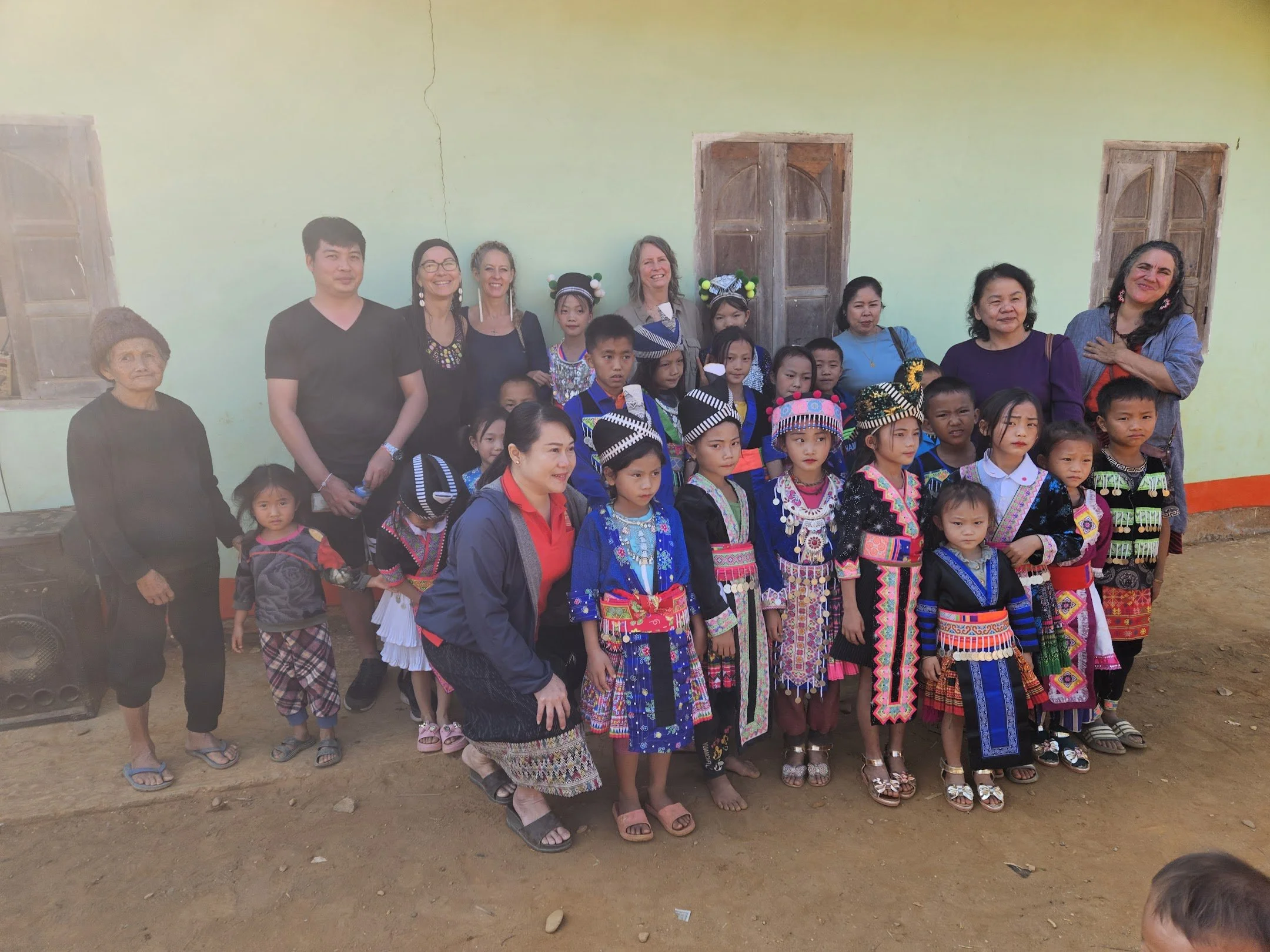
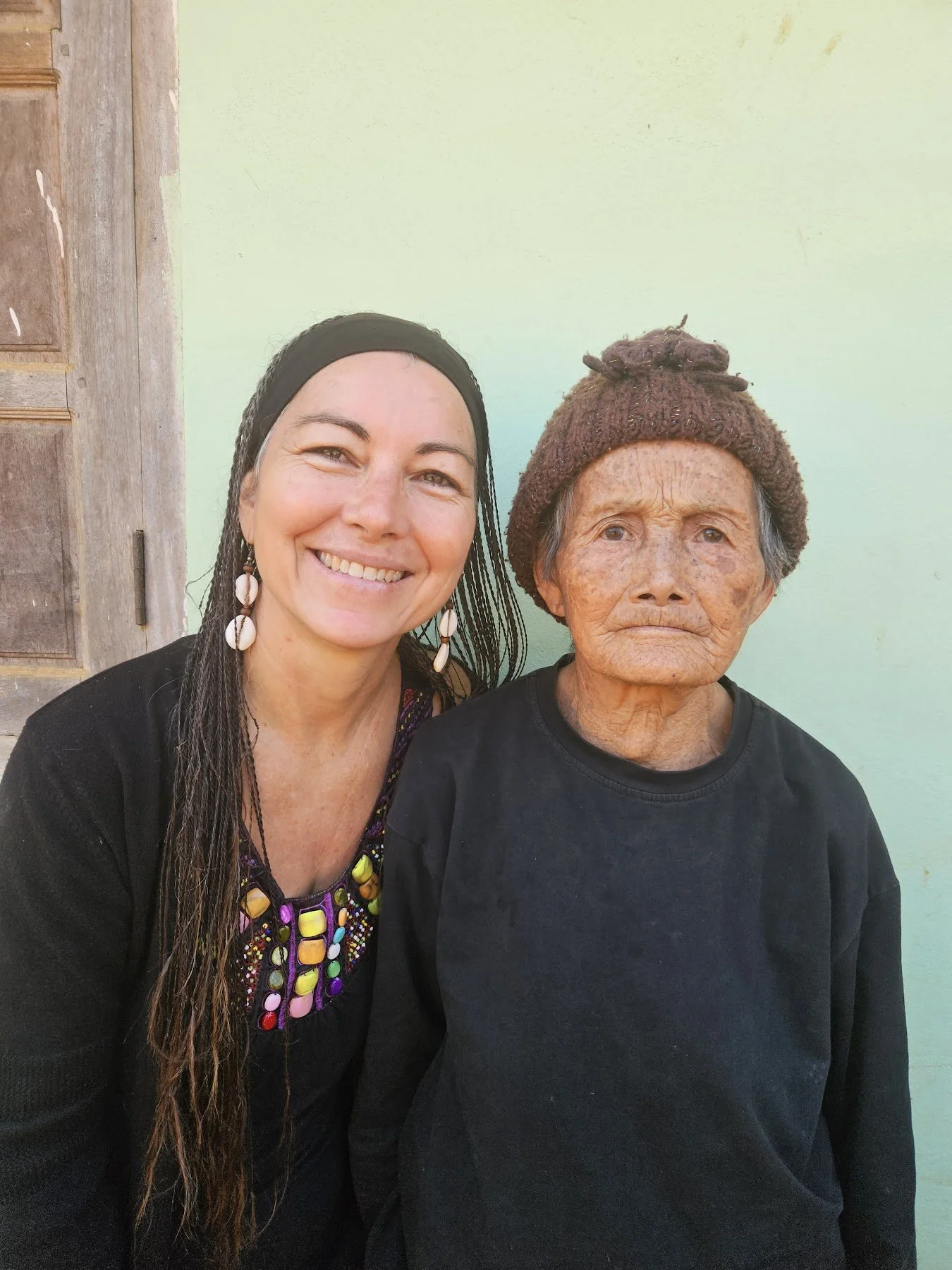
The Gulagbi Foundation is honoured to work on the ground with The Lao Birthwork Project. Gulagbi founder Shelly Langford returns to the Luang Prabang Province of Laos each year alongside Jenny Blyth and a small team of volunteer birthworkers to provide education and training in emergency birth skills to maternity care providers, as well as distributing period care products and education to women and girls of the local communities.
Birthing on the edges of care
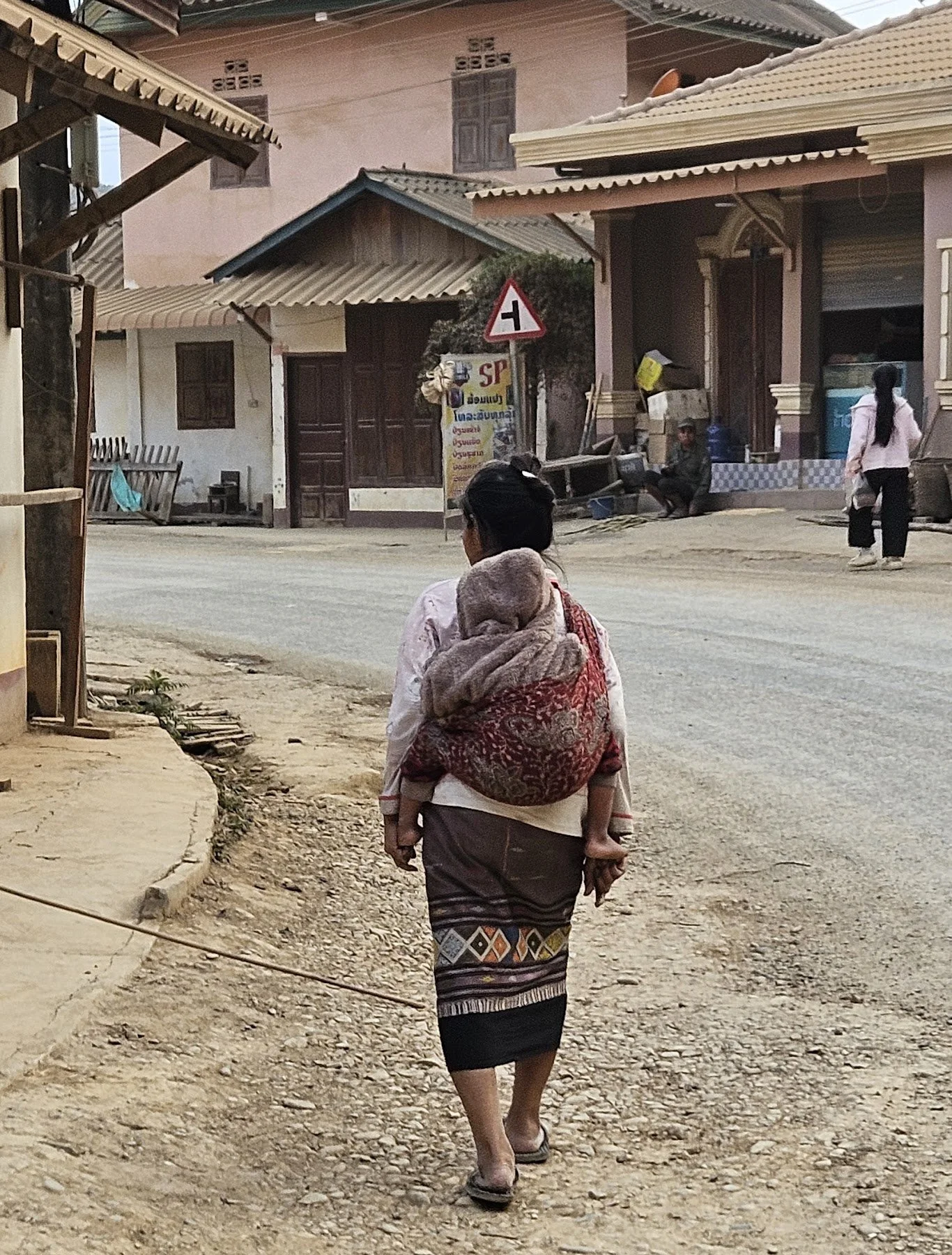
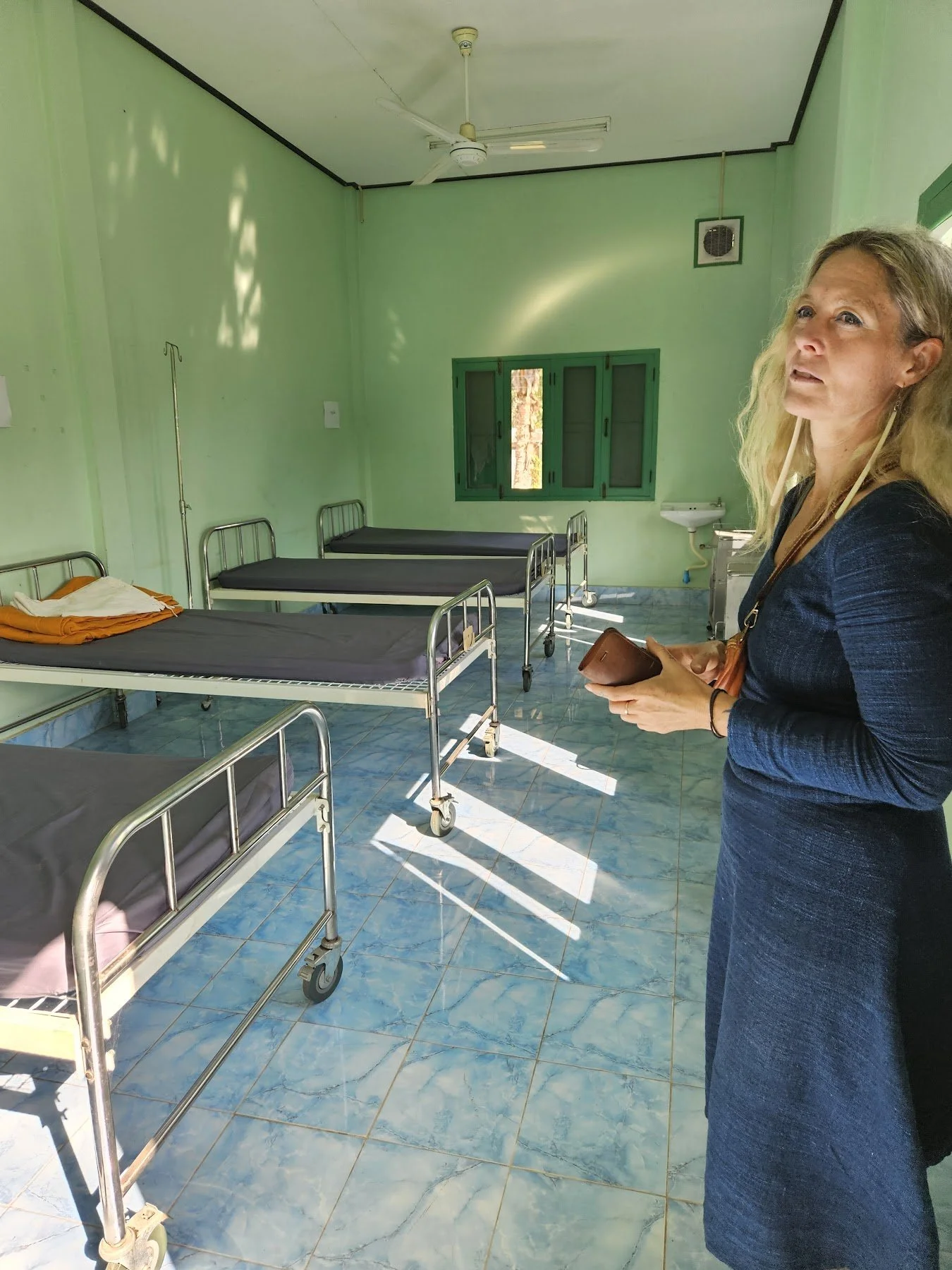
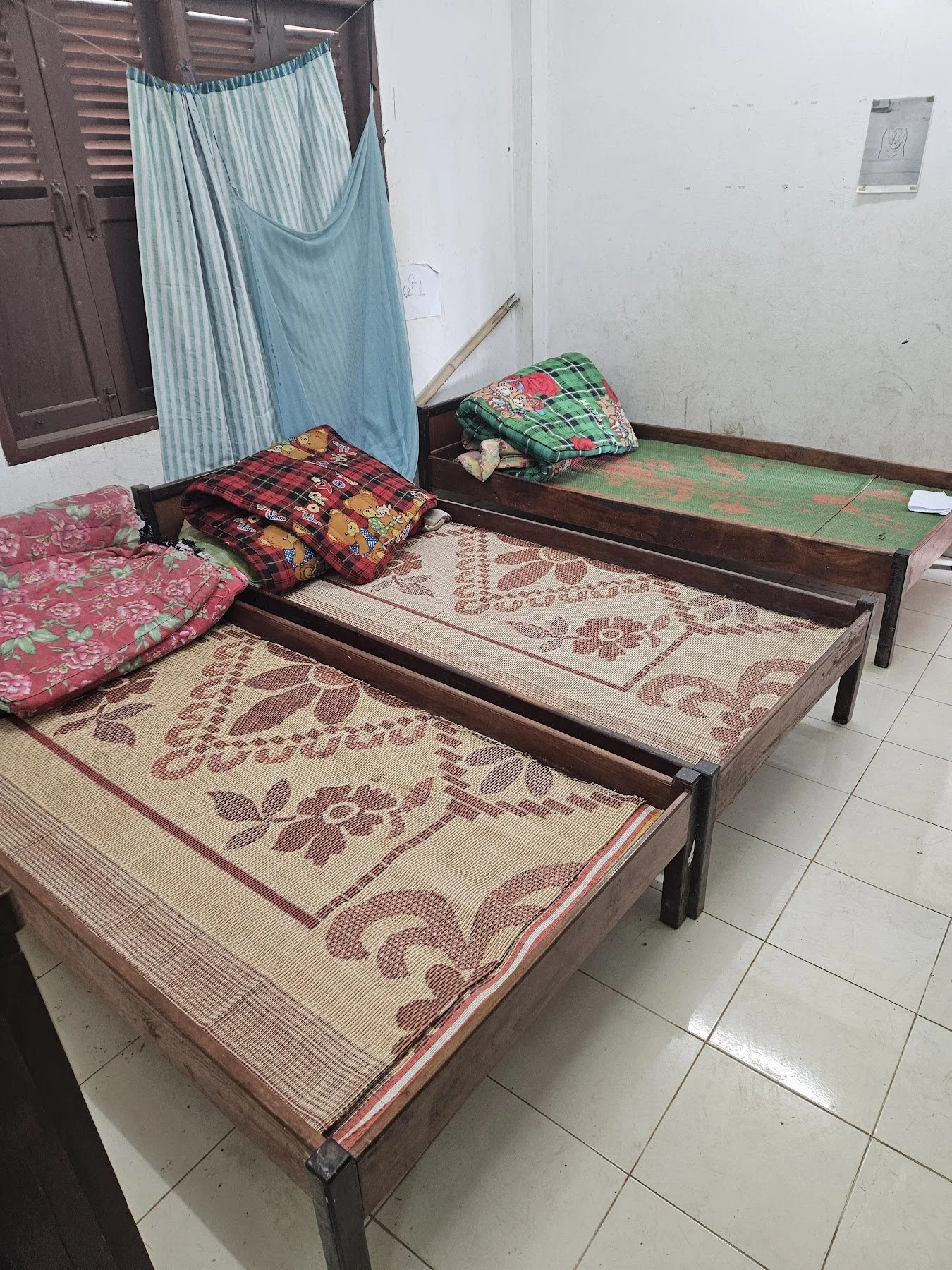
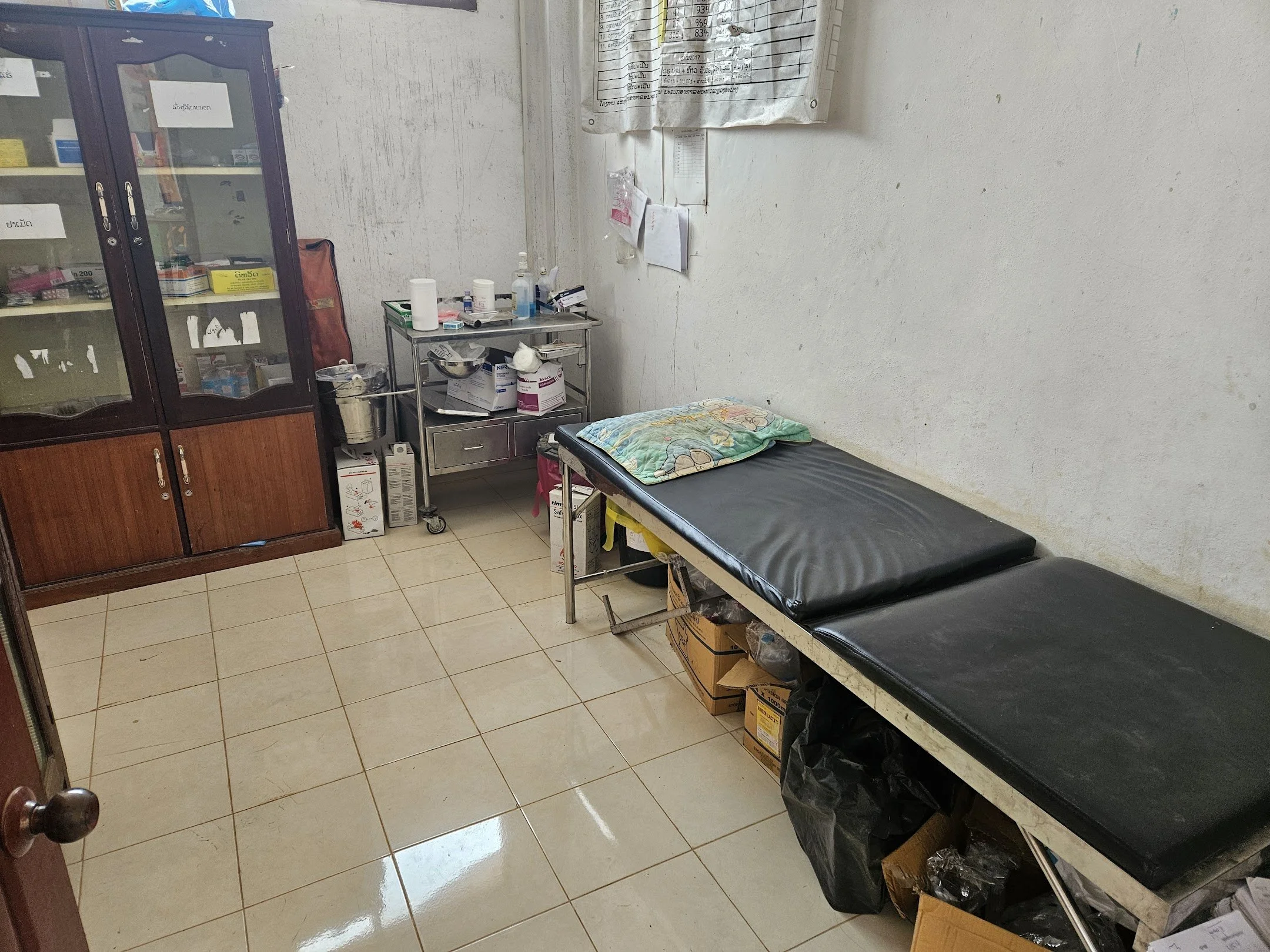
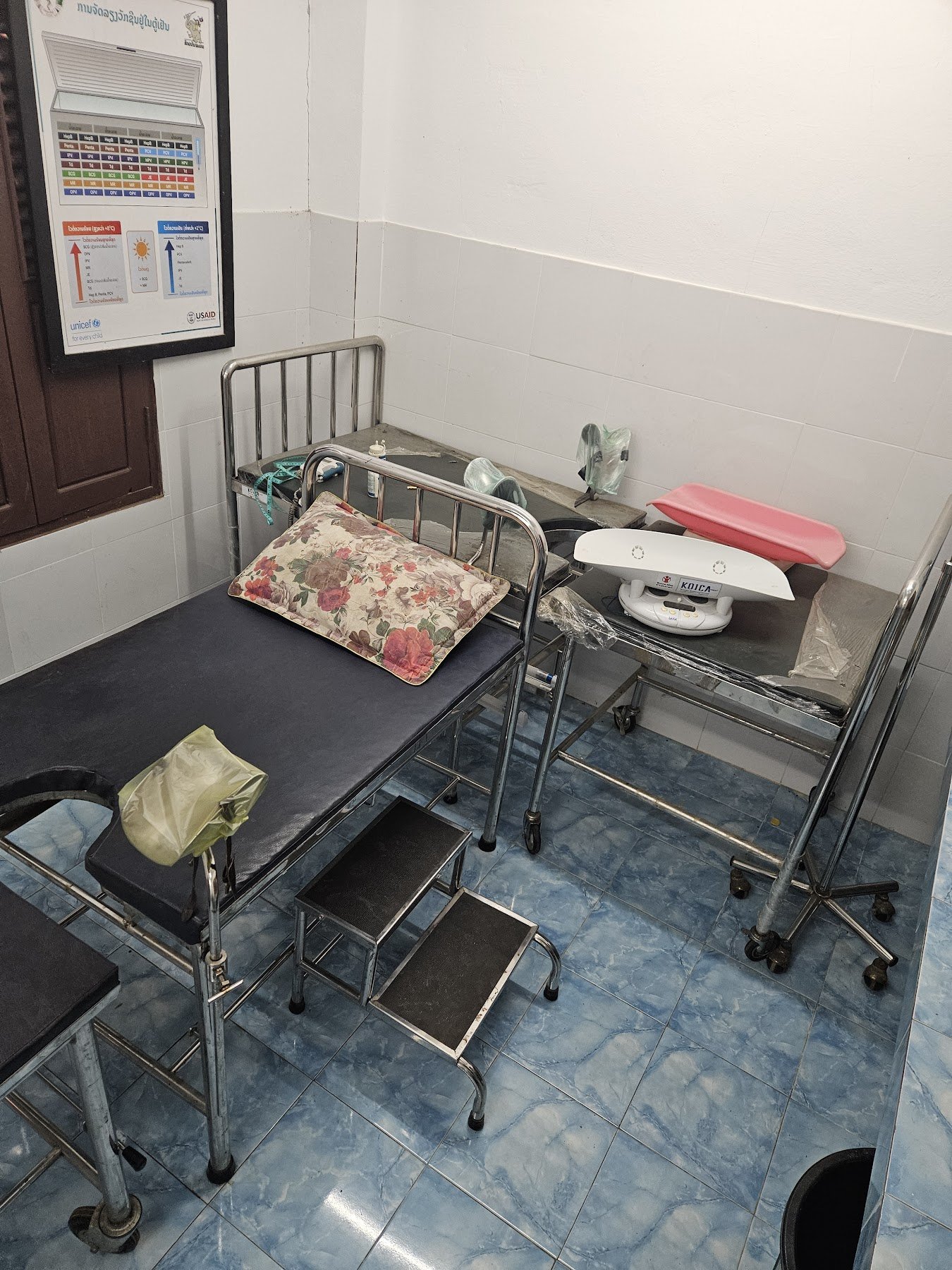
In Luang Prabang Province, many women give birth in facilities with little more than a bed and basic supplies. Malnutrition and health challenges are common among these women, and complications like postpartum haemorrhage or a baby born not breathing are high - yet skilled help is scarce and transport can be hours away. These preventable emergencies too often end in tragedy.
Training for life-saving moments
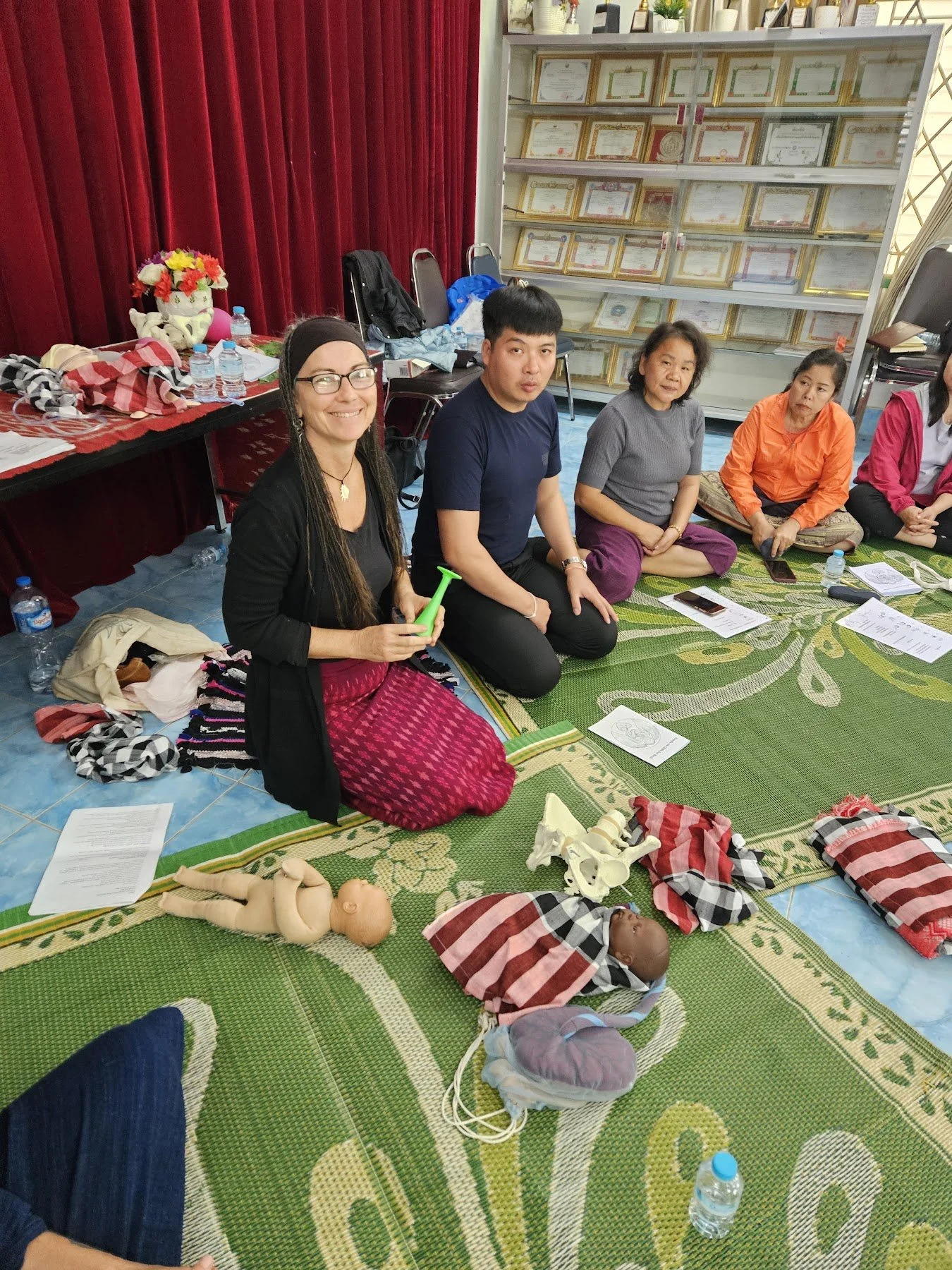
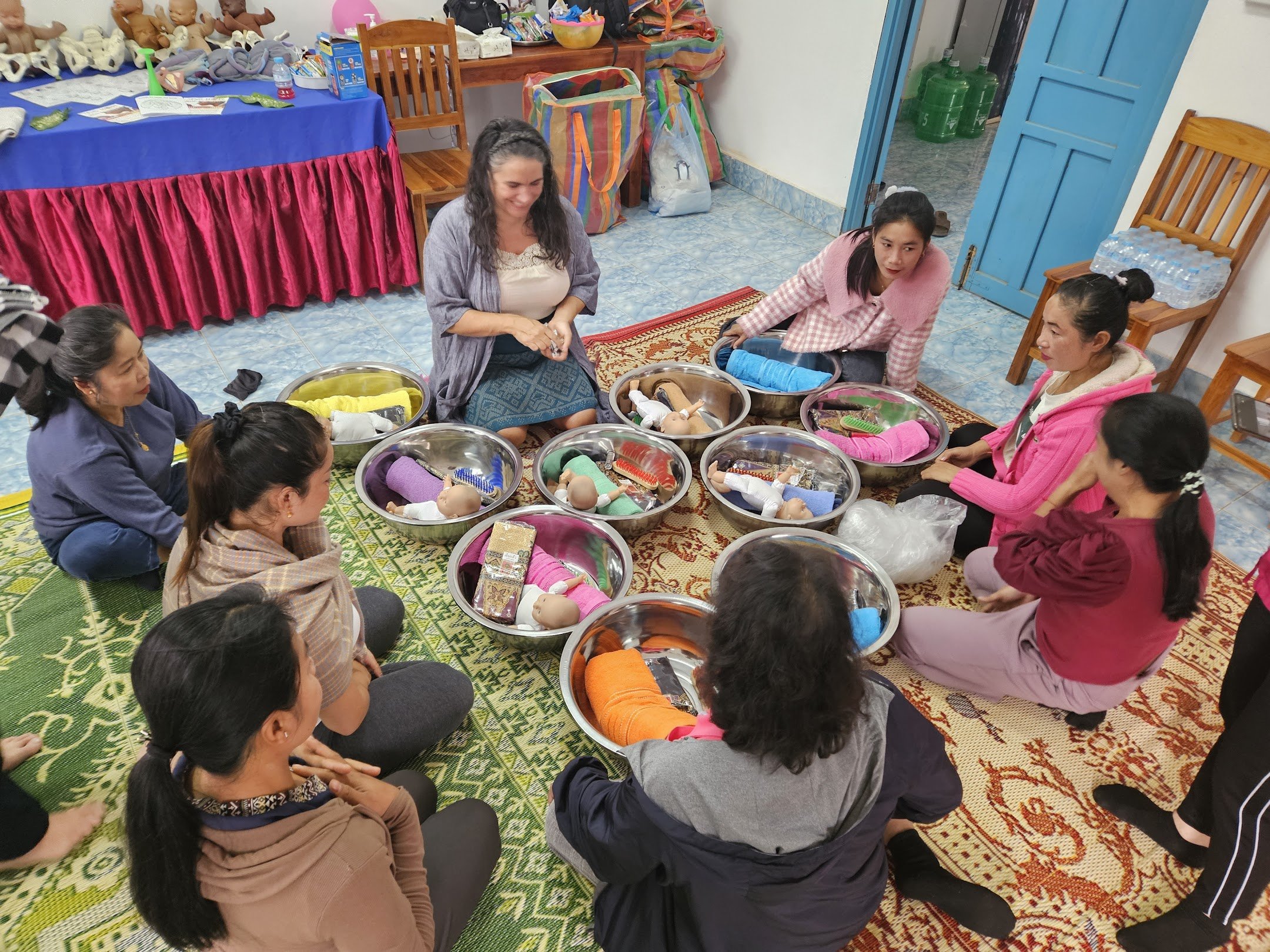
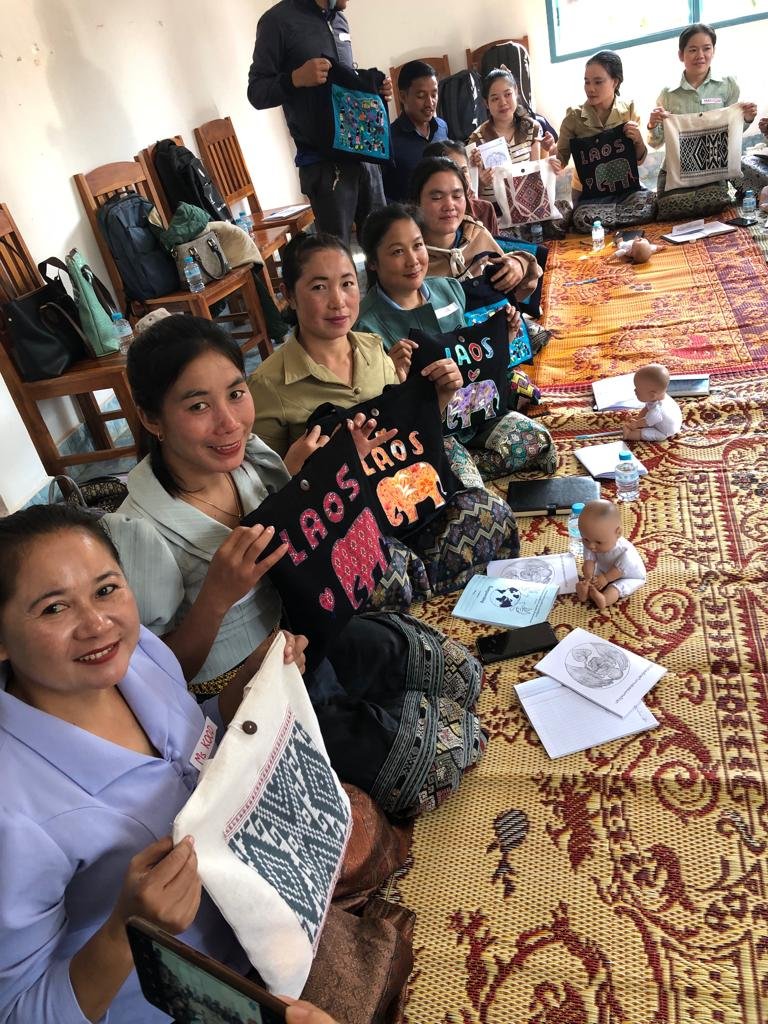
Each year, the Project team headed by Jenny Blyth deliver emergency birth skills training for doctors, midwives, and village health workers. These workshops are practical, respectful, and profoundly empowering. A single day of training can mean the difference between life and death when a birth takes an unexpected turn.
Supporting women and girls beyond birth
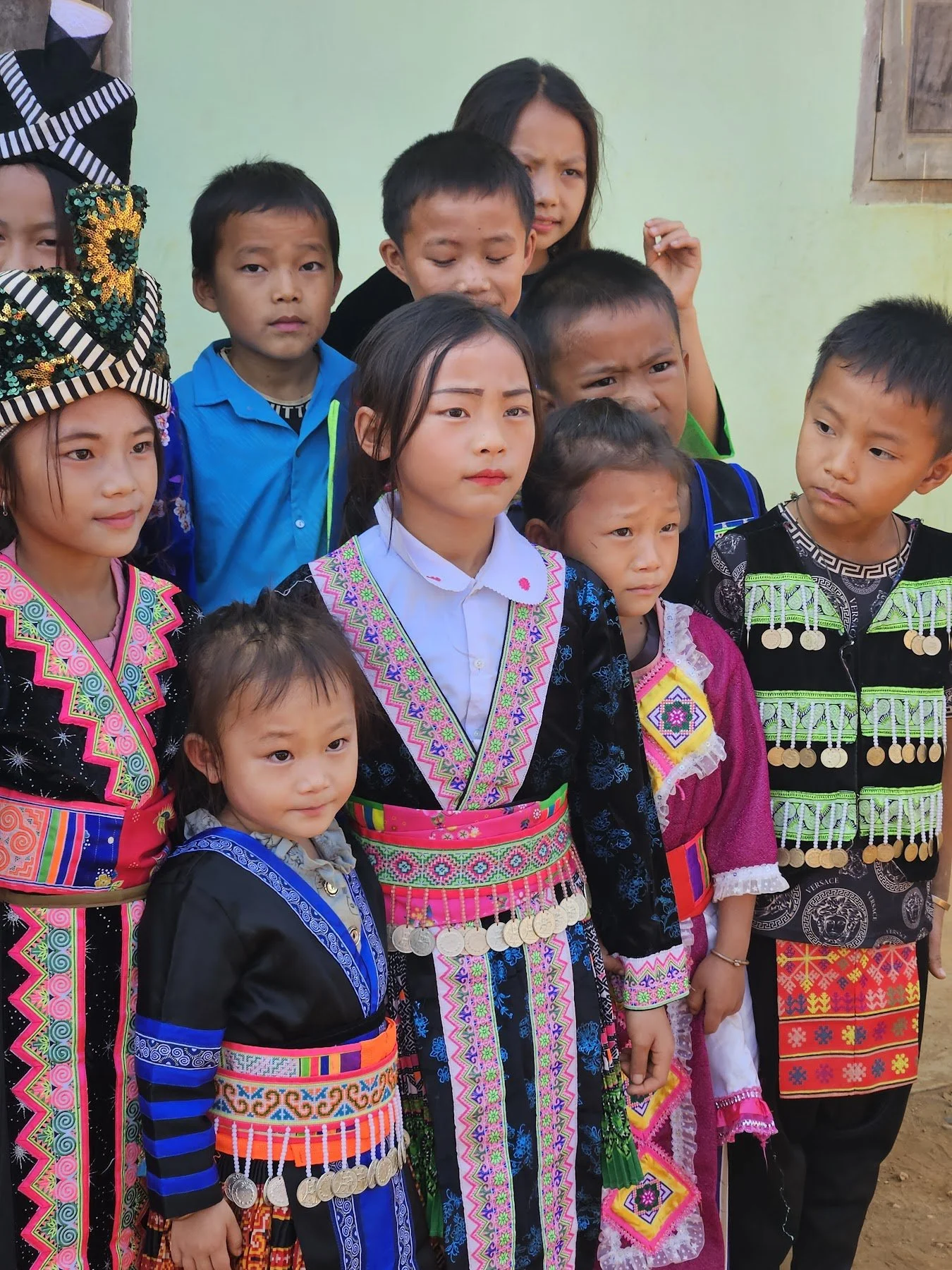
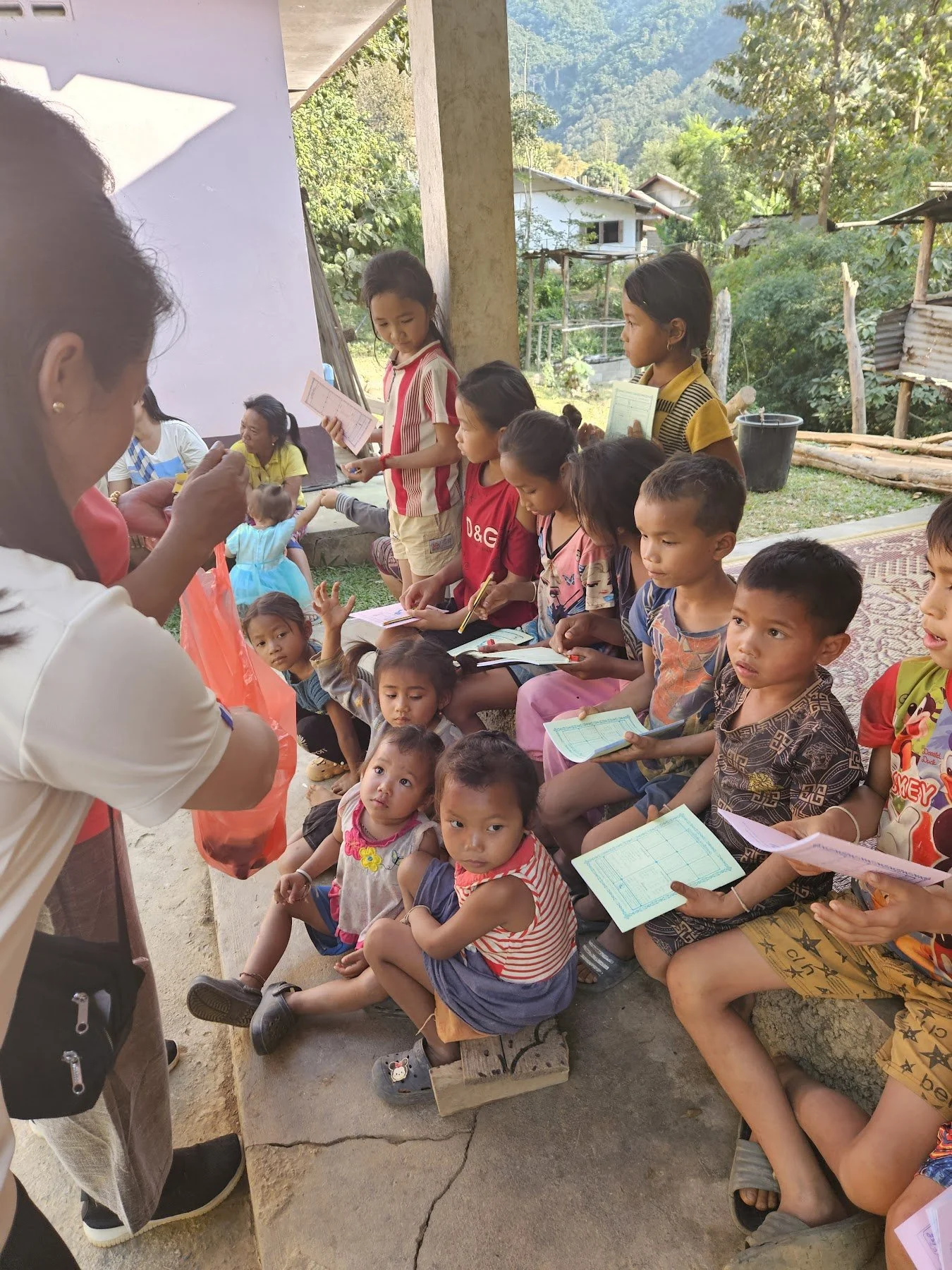
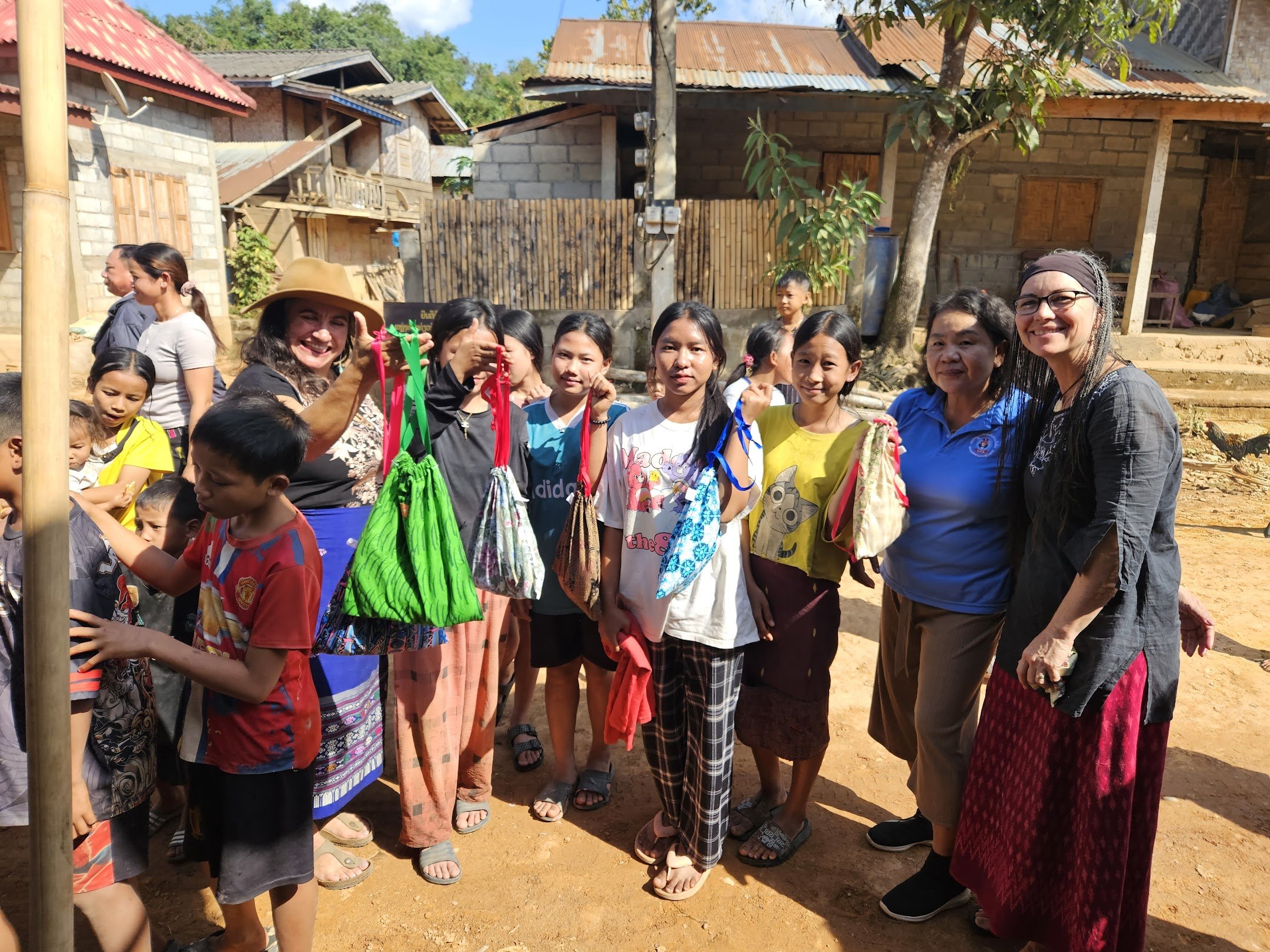
The project also distributes reusable menstrual pads, period products, and health education for girls and women. For many, this is the first time they’ve had access to reliable, sustainable period care — reducing stigma, supporting school attendance, and restoring dignity.
"Each time I return to Laos, I am reminded of why this work matters so deeply. Sitting with village health workers, sharing stories and skills across cultures, I see the courage and love that women carry into every birth. The challenges are immense — distance, lack of resources, the ever-present risks — yet the resilience of these communities is extraordinary.
What stays with me most are the moments of connection: a midwife’s relief when she learns a new technique to save a mother’s life, a teenage girl’s smile when she receives her first set of reusable pads, the laughter that bubbles up despite hardship. These are not small things — they are ripples of change.
It is a privilege to walk alongside the Lao Birthwork Project, and to return home knowing that together we are planting seeds of safety, dignity, and hope."
— Shelly Langford, Founder & Director, Gulagbi Foundation
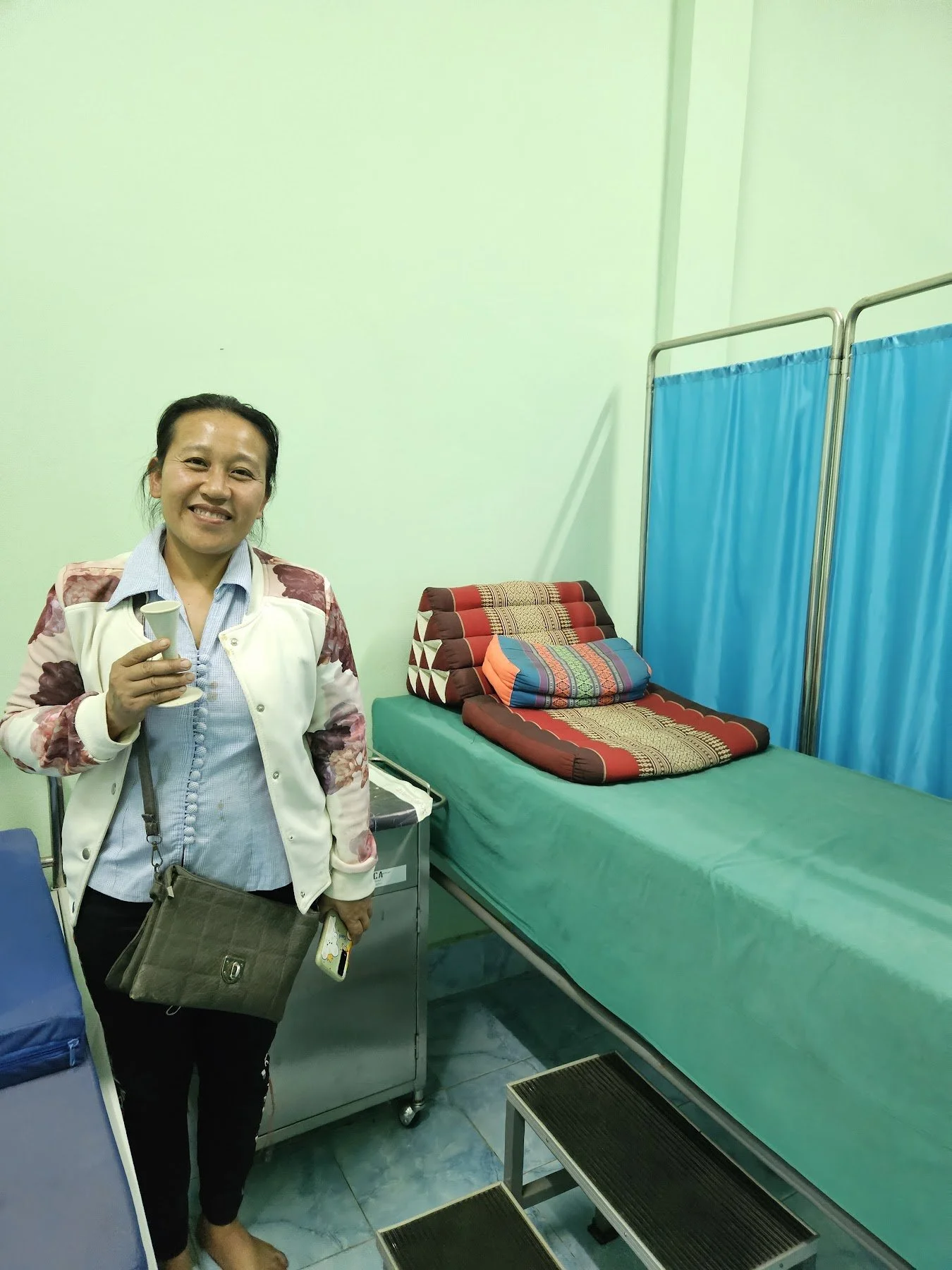
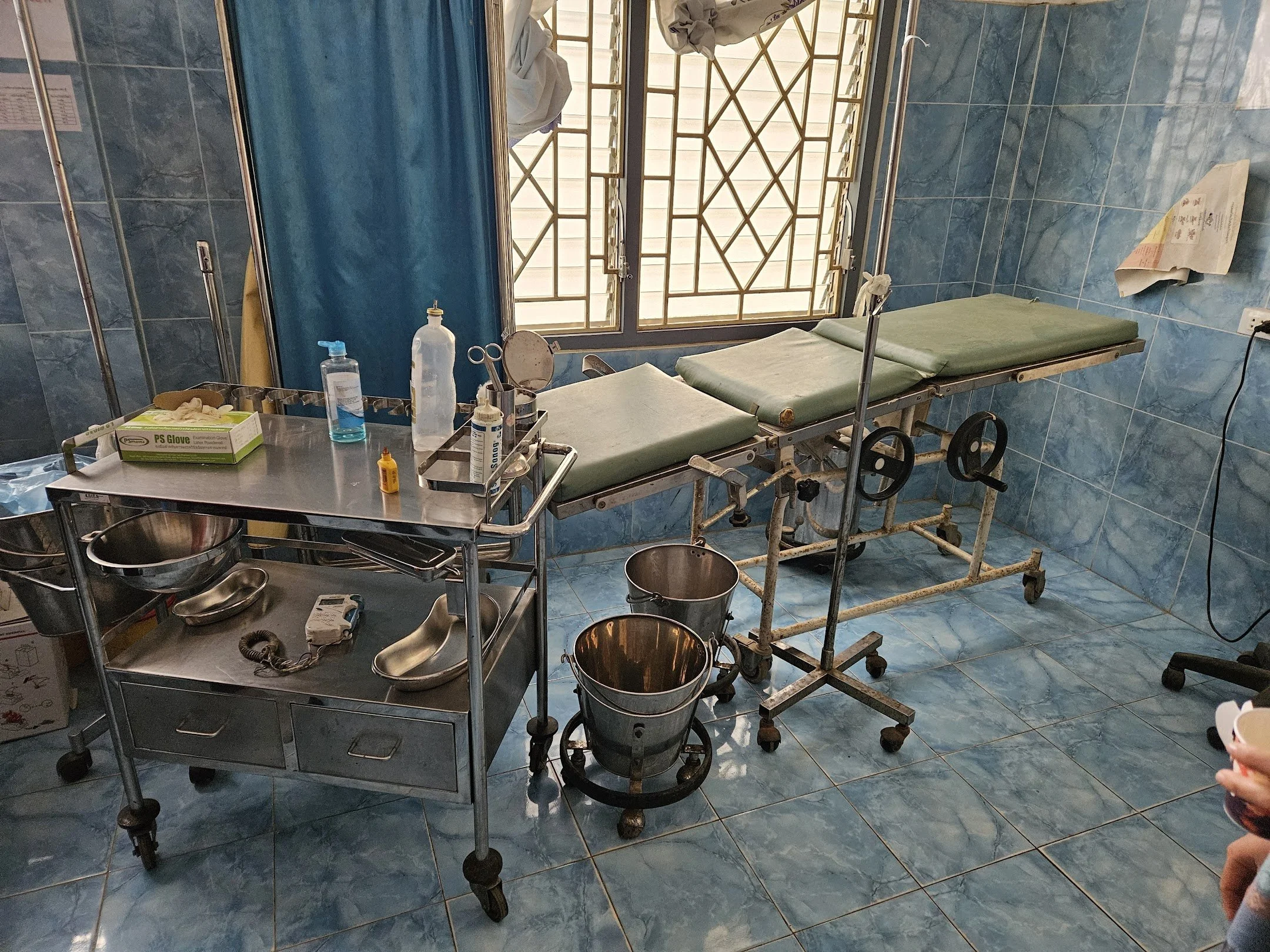
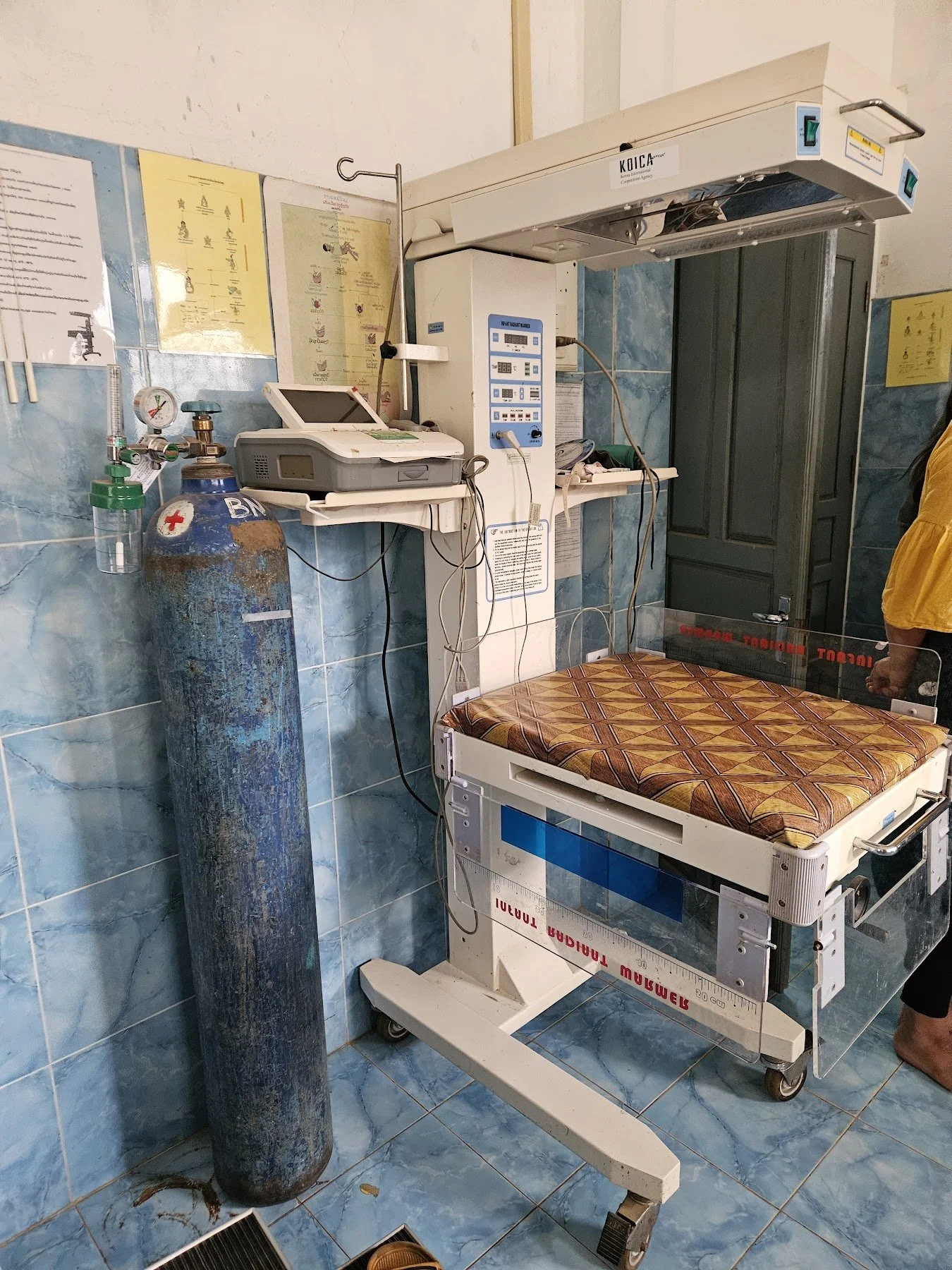
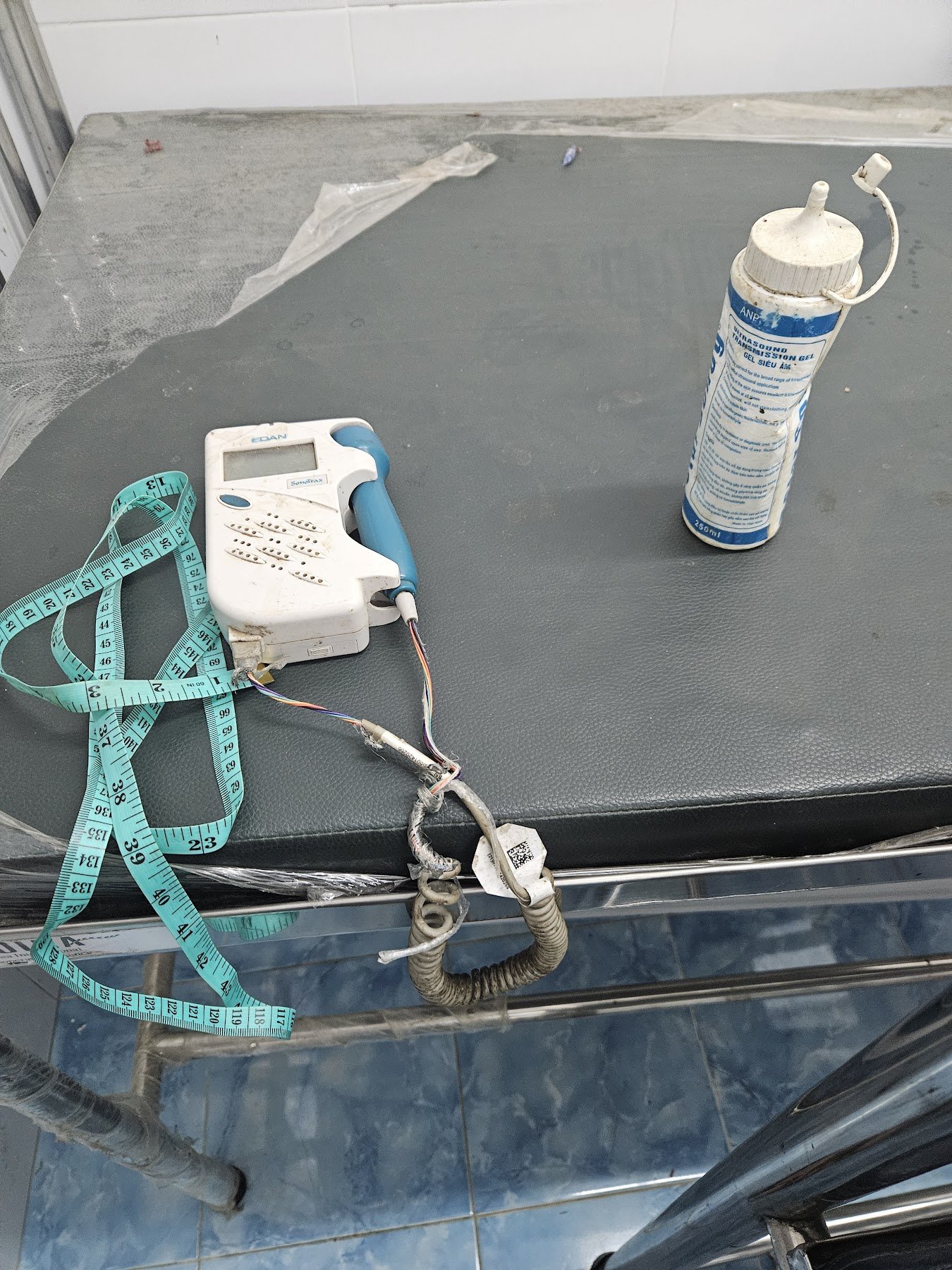
Hospitals and birthing facilities in the villages of Laos
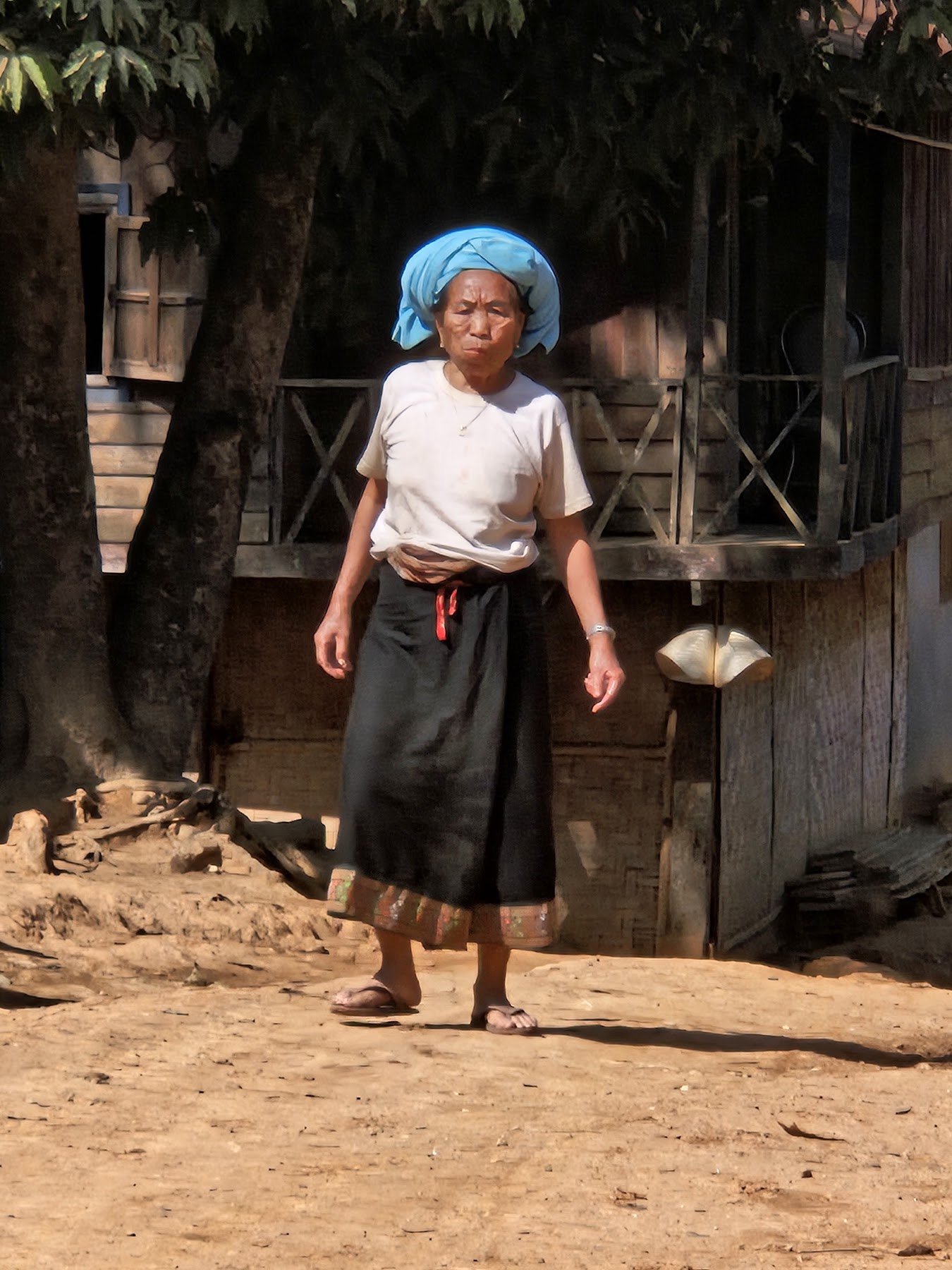
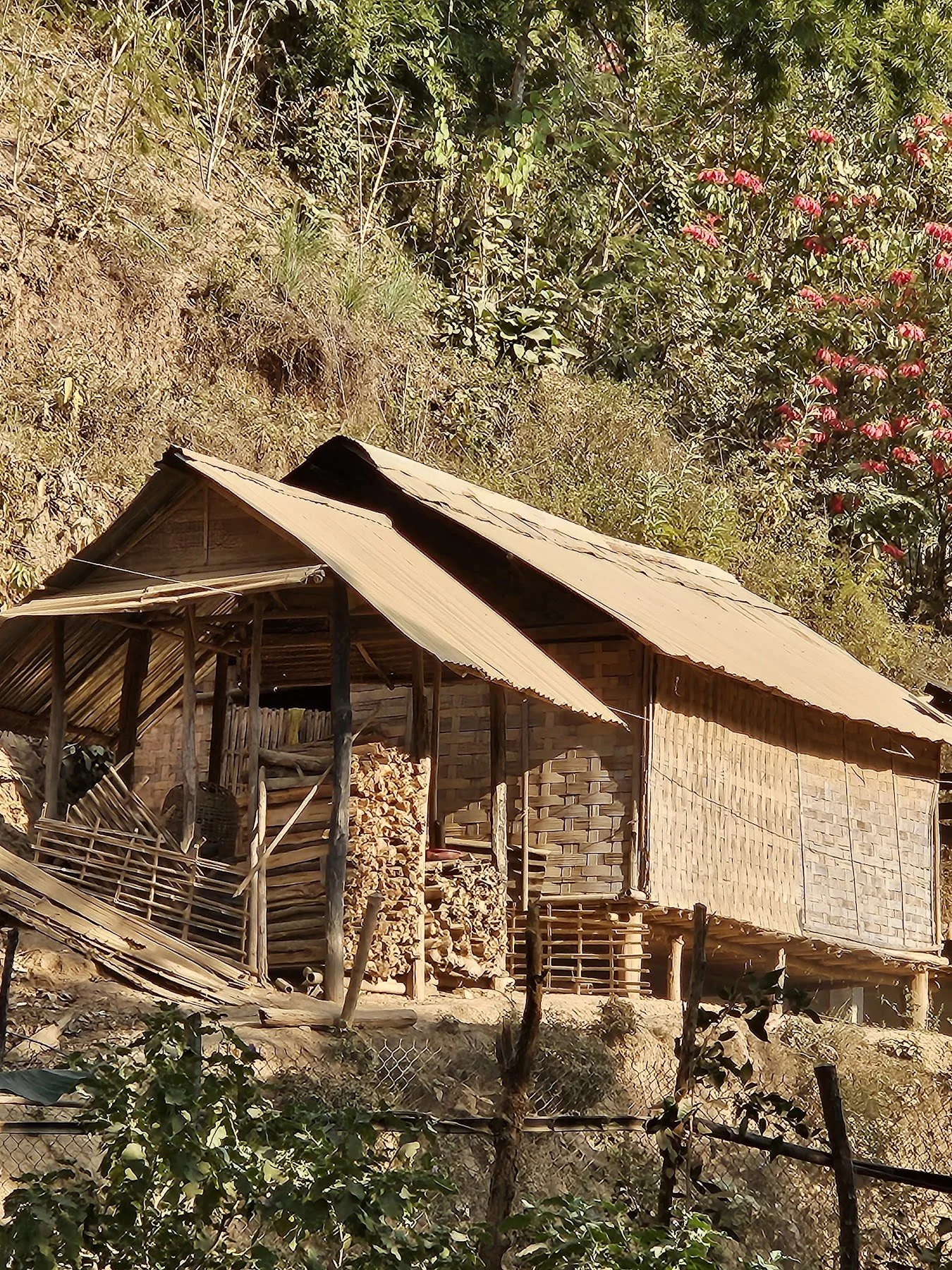
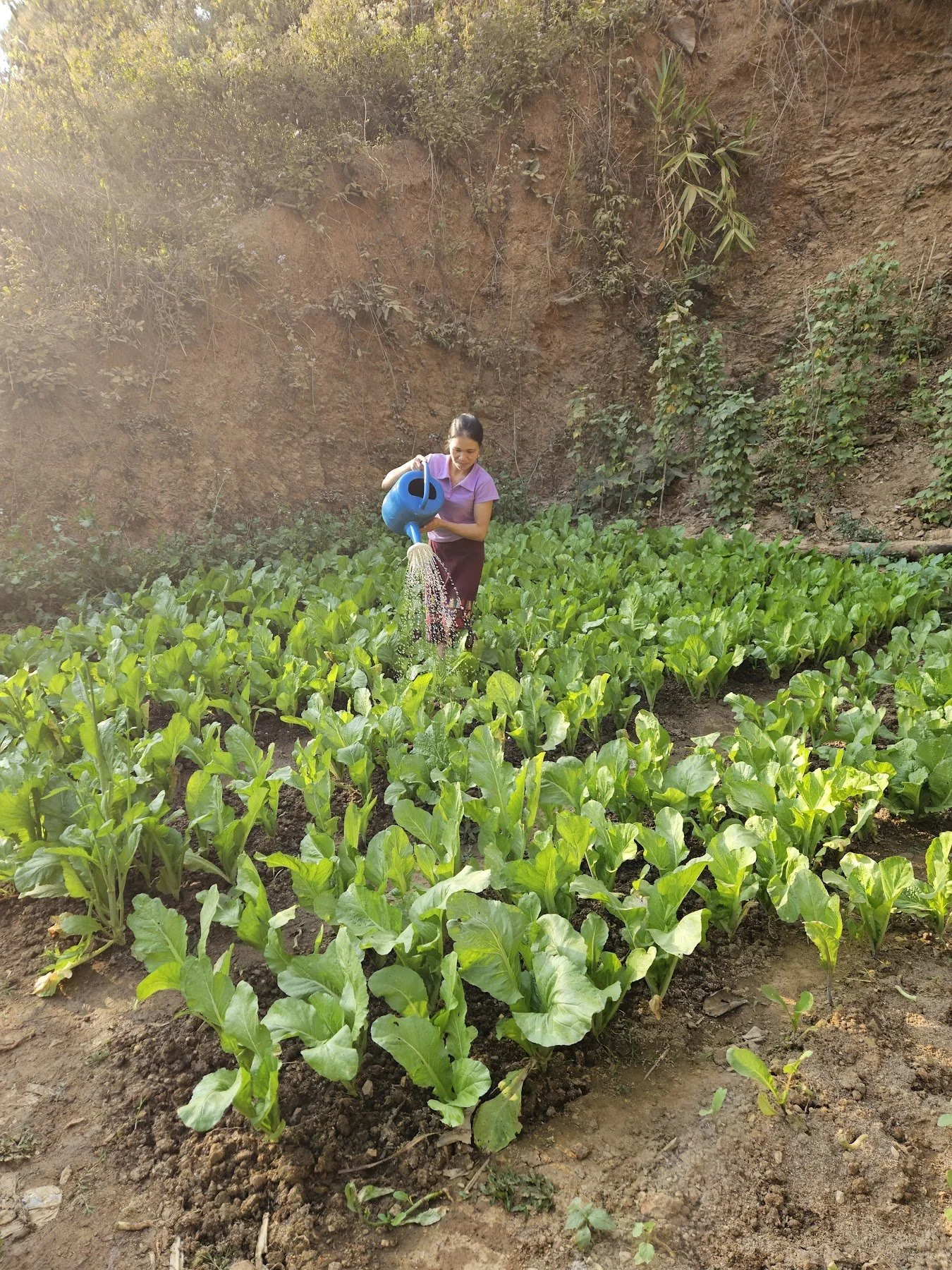
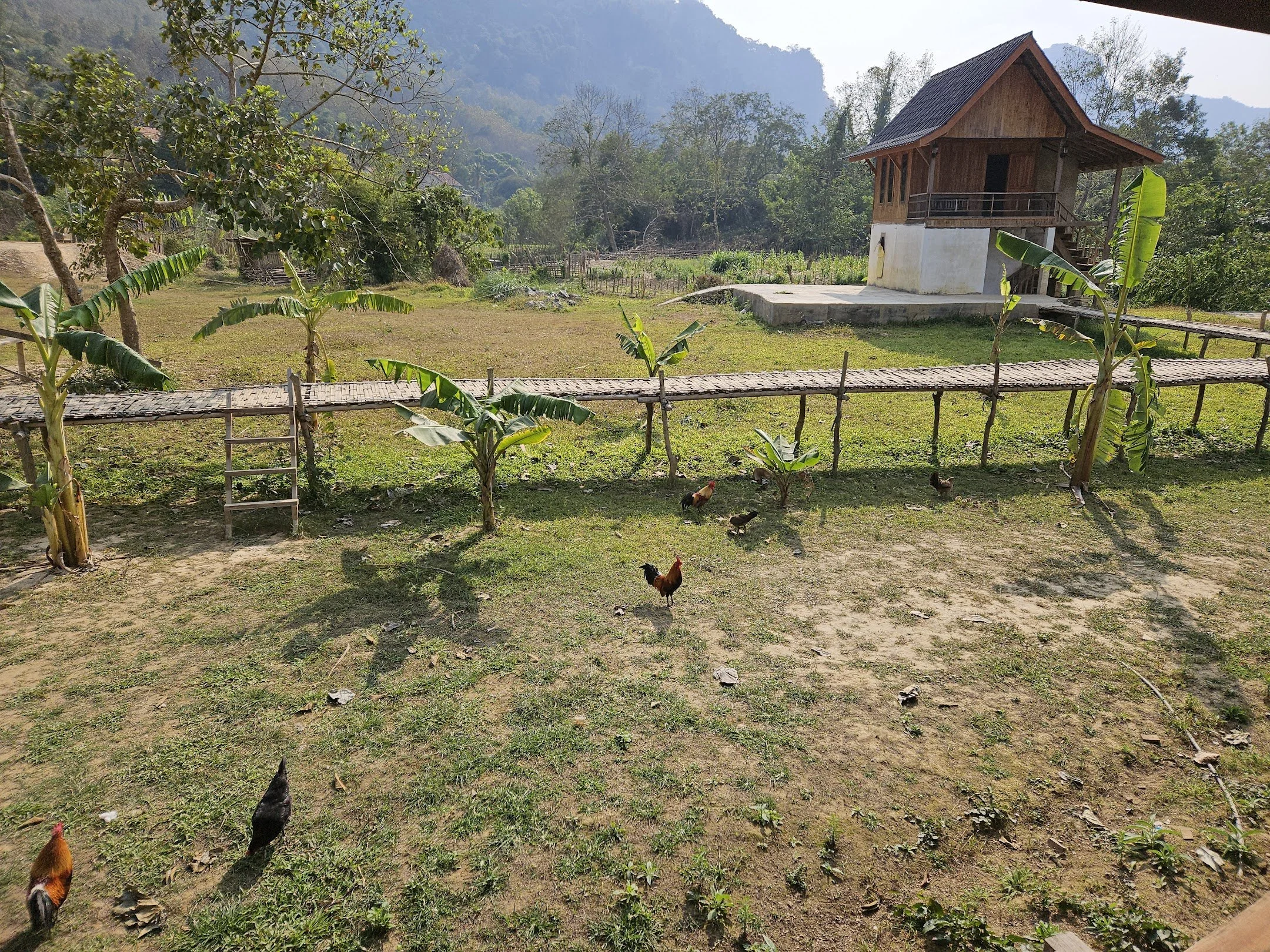
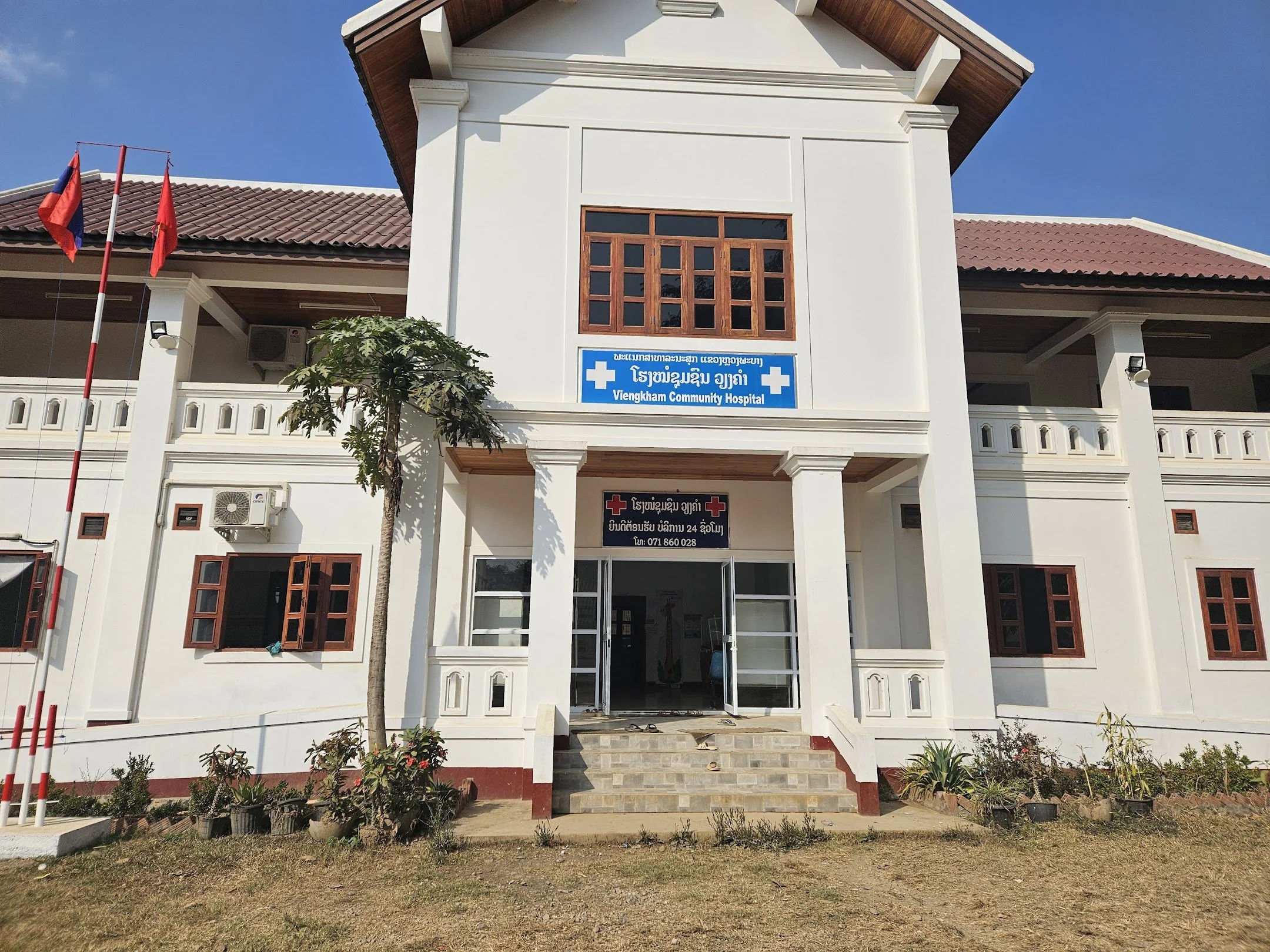
In the villages of Luang Prabang Province, medical facilities are extremely limited. Many rural hospitals, clinics and villages lack basic resources such as reliable electricity, sterile equipment, or trained midwives on staff. Women often give birth without adequate medical support, and in some cases must travel long distances — on foot or by motorbike — to reach care. These challenges contribute to higher maternal and infant mortality rates and preventable complications during pregnancy, labour, and postpartum recovery. The Lao Birthwork Project works to highlight these realities and bring practical, culturally sensitive solutions to the communities most affected.
Delivering emergency birth skills training to doctors and care providers
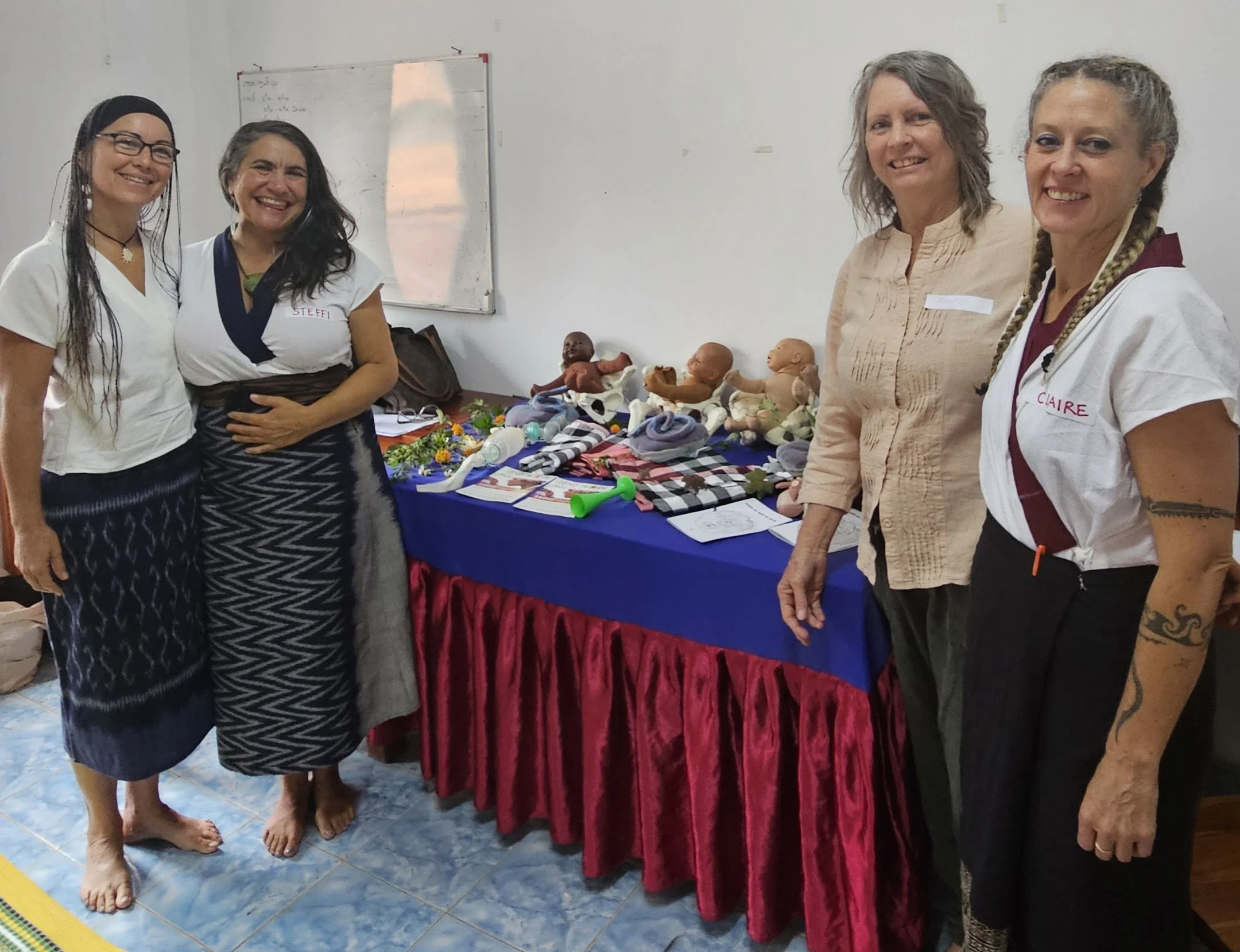
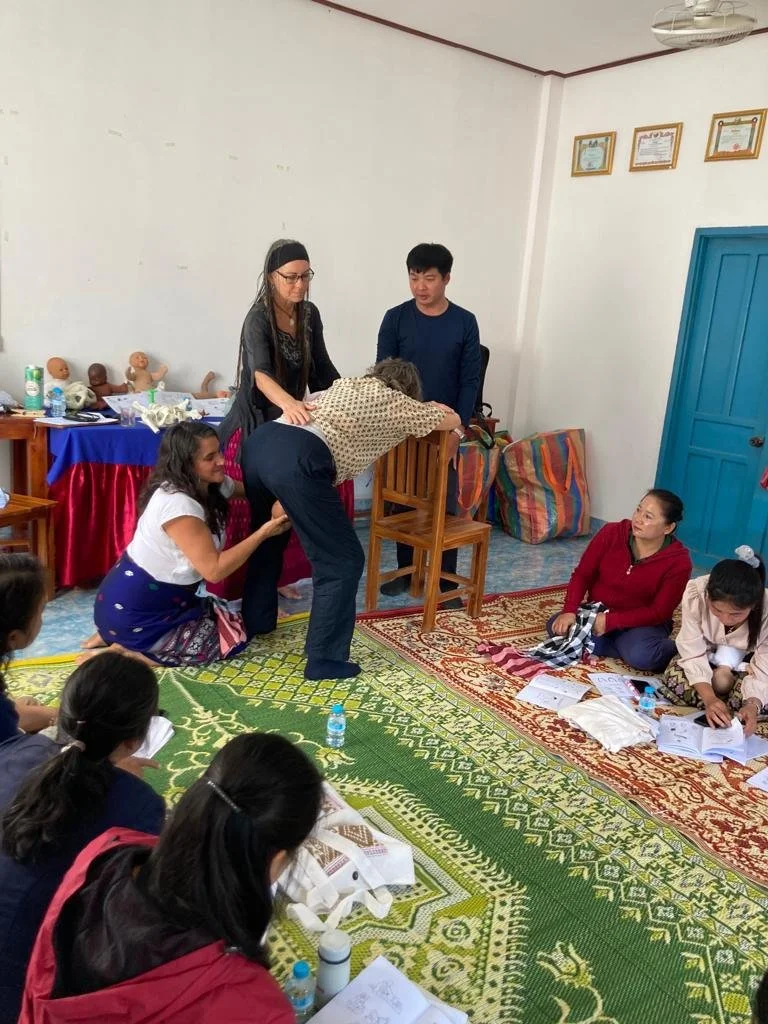
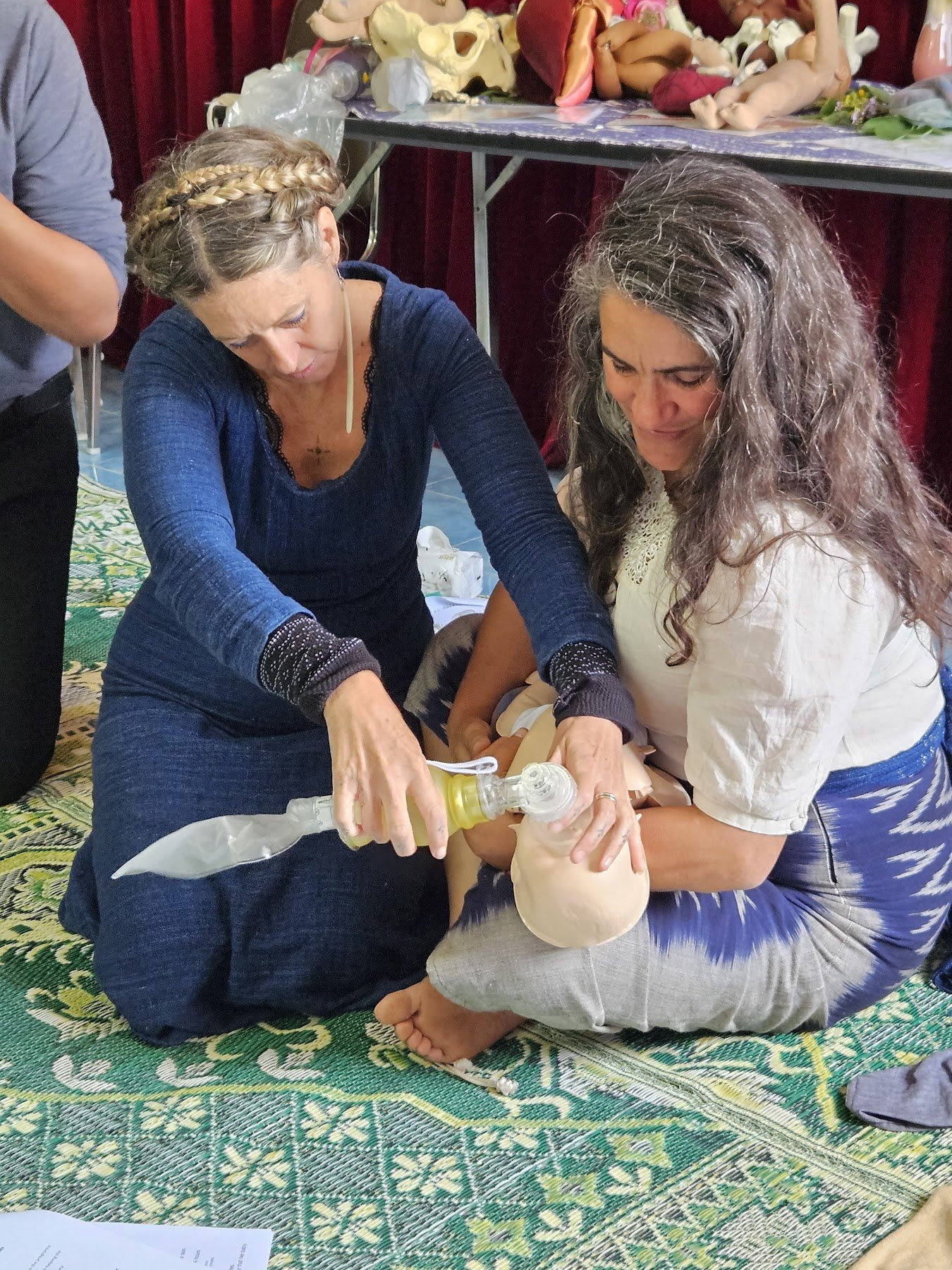
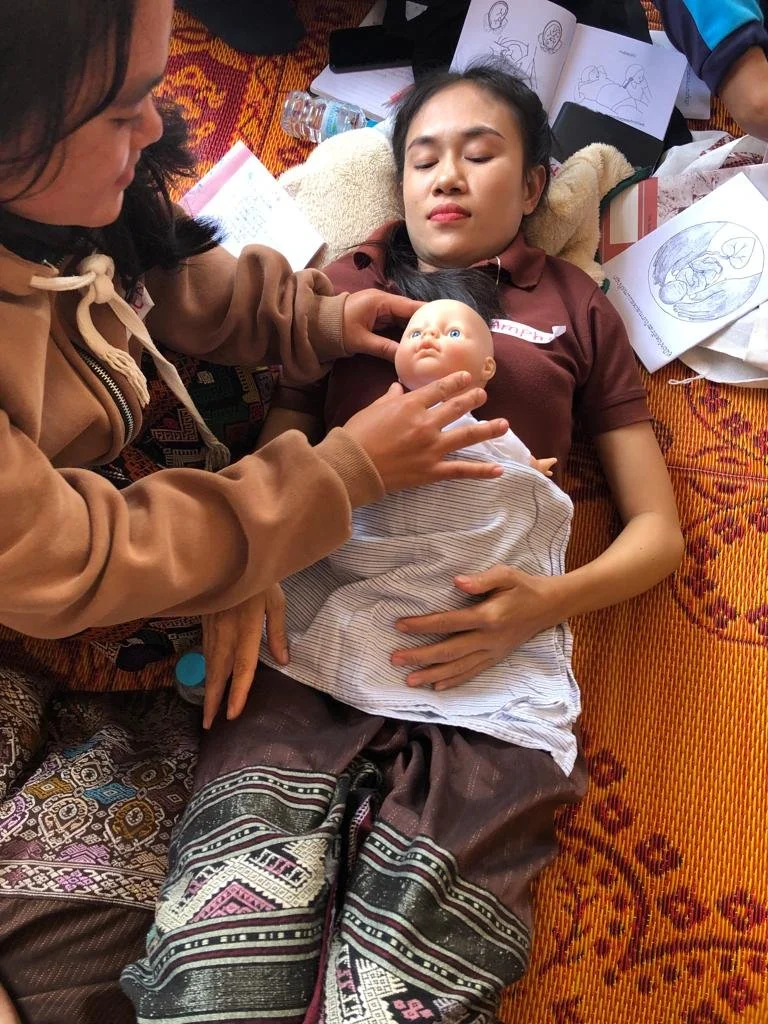
One of the central initiatives of the Lao Birthwork Project is the delivery of emergency birth skills training to doctors, nurses, and local care providers in Luang Prabang Province. These trainings equip healthcare professionals with practical skills for managing common birth complications and emergencies such as postpartum haemorrhage, breech positioning, shoulder dystocia, and neonatal resuscitation. By strengthening the knowledge and confidence of care providers, the project is directly improving the outcome of births in rural hospitals, clinics and villages These workshops also foster collaboration between traditional birth attendant’s village, health workers and district clinics, creating a stronger, more integrated system of support for mothers and babies.
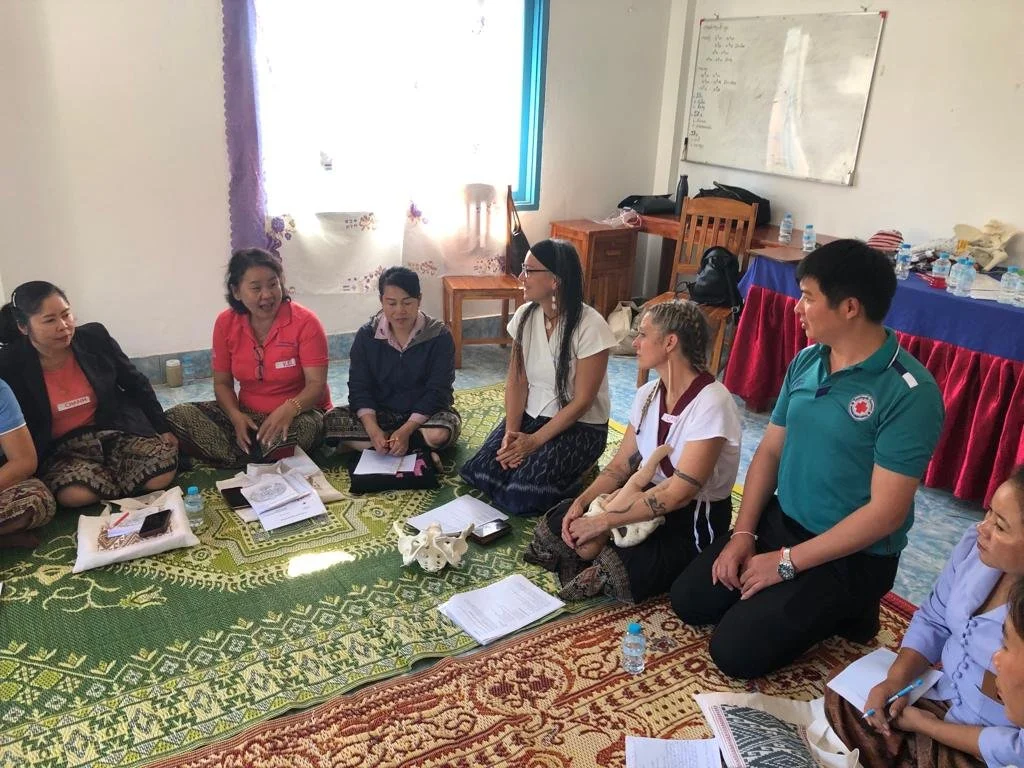
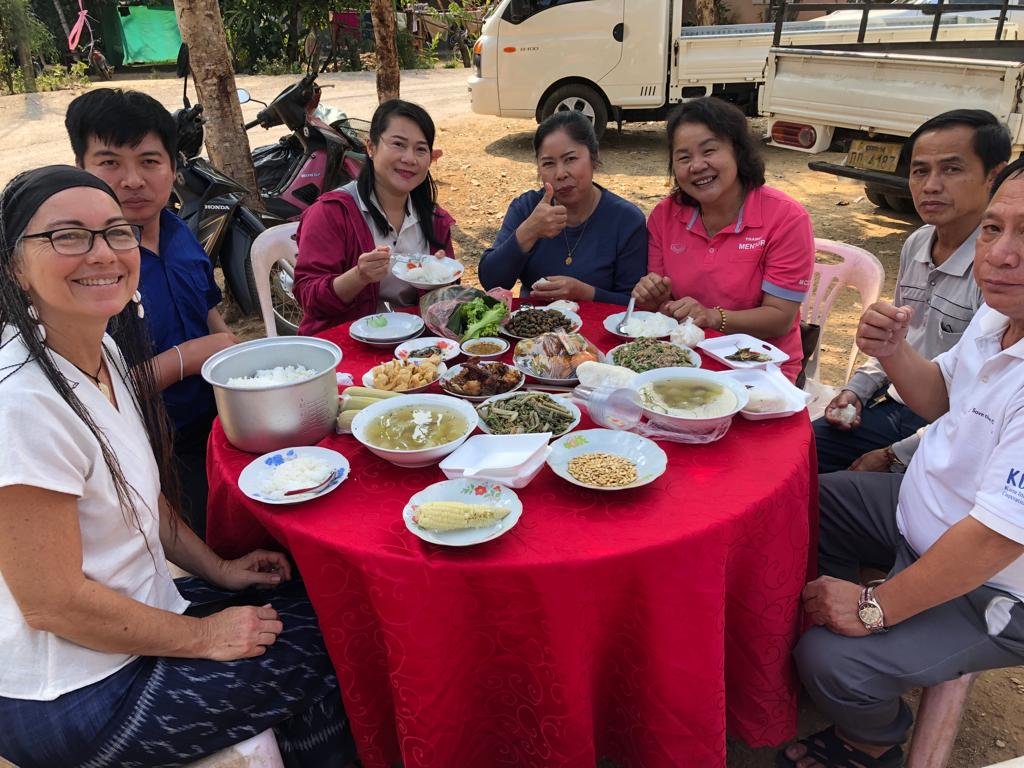
At our closing circle after three days training with over 20 health staff – a mix of midwives, medical assistants, nurses, home health workers (outreach), we asked the attendees what they had most enjoyed. We received some heartfelt feedback…
One of the male attendees had this to say:
“I feel like I have been in the darkness and now my mind is in the light.”
— Phan
At the end of our training one of the women attendees was delighted with the teaching style we have refined over the years to ensure that they never feel bored or disinterested. We have lots of experiential role playing, and interactive and movement games that re-enforce the various emergency skills and strategies we are teaching.
“I have never ever learned this way in my life before. It is so interesting and fun. I will remember the kindness.
And now I know how to do resuscitation!”
— Khem
Bouakeo – head of Maternal and Child Health in Luang Prabang Province for over 20 years - has travelled with us for nearly every training project over the last 8 years. When she was asked if she thought our trainings had made a difference to outcomes in Luang Prabang Province, she told us:
“Yes – most definitely. And the health staff never get to learn together like this - with games to help them remember and with the great emphasis on kindness.”
Bouakeo is an enthusiastic role model for all the participants, always joining in and practicing every part of the training, and contributing to all the conversations and answers to questions. She continues to remind not only everyone else, but herself too, of the importance of hands-on emergency skills.
“I now use the booklet and posters you have developed for the training to teach and remind health staff when I make field trips to district clinics and outreach.”
— Bouakeo
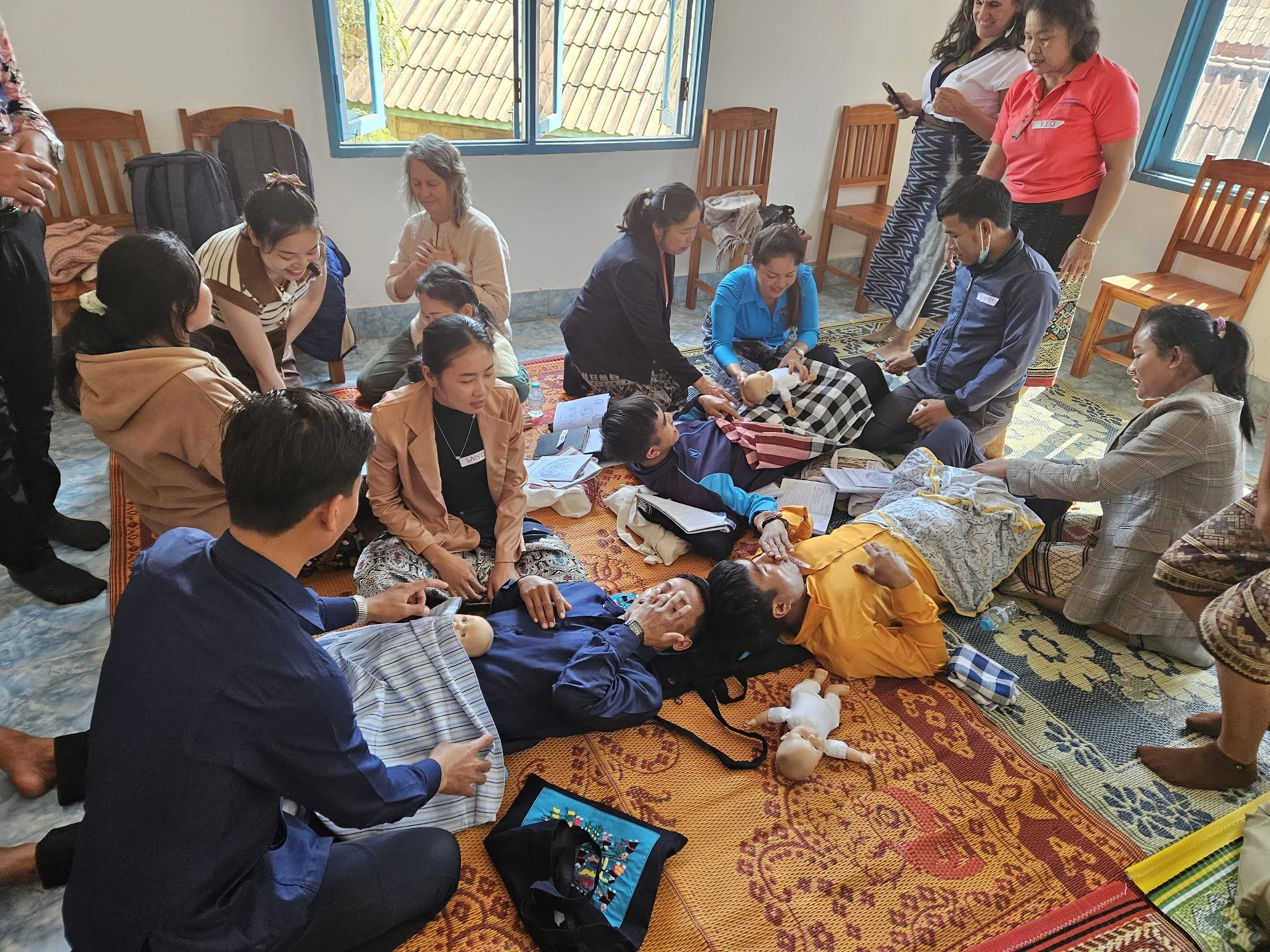
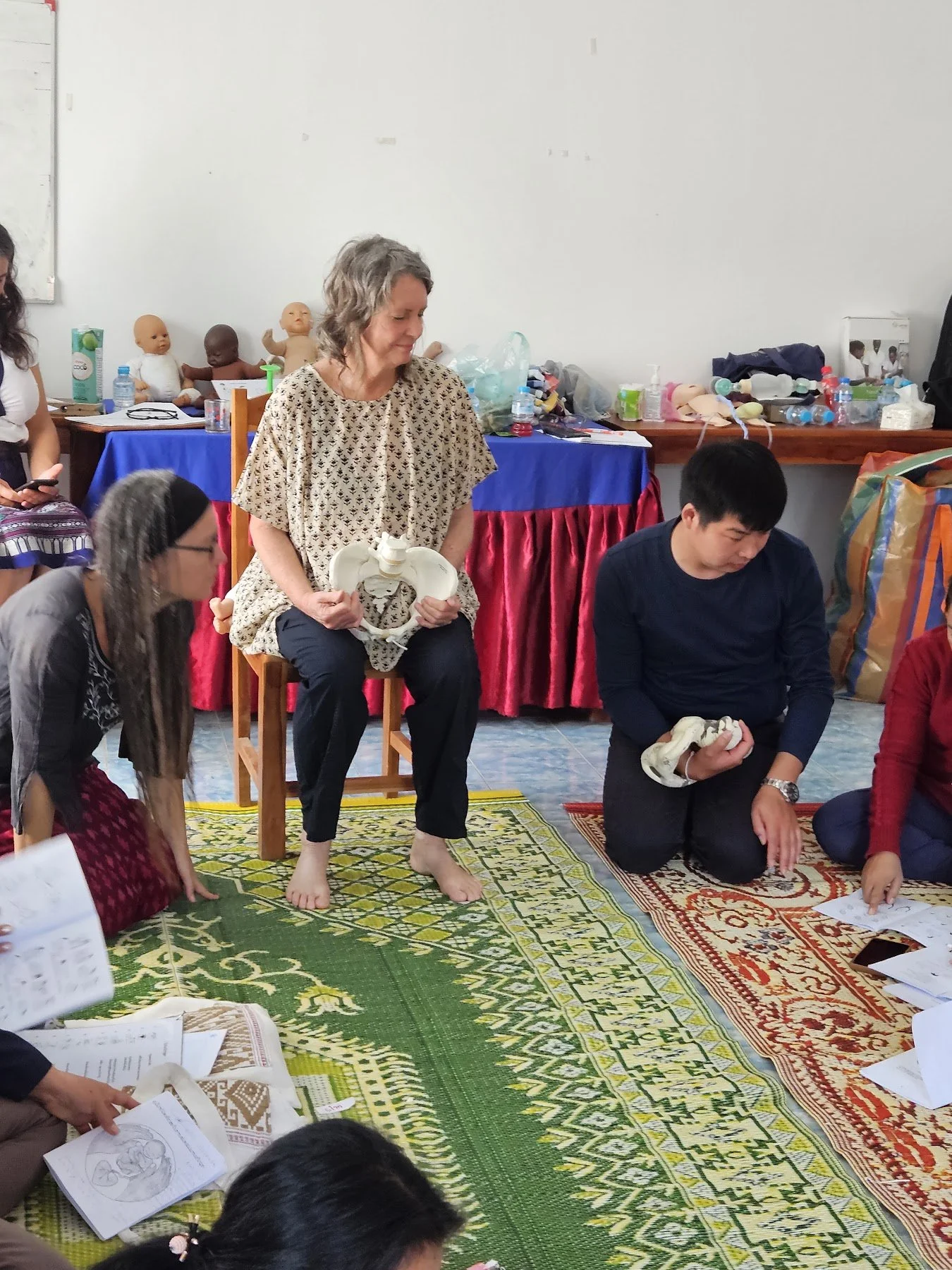
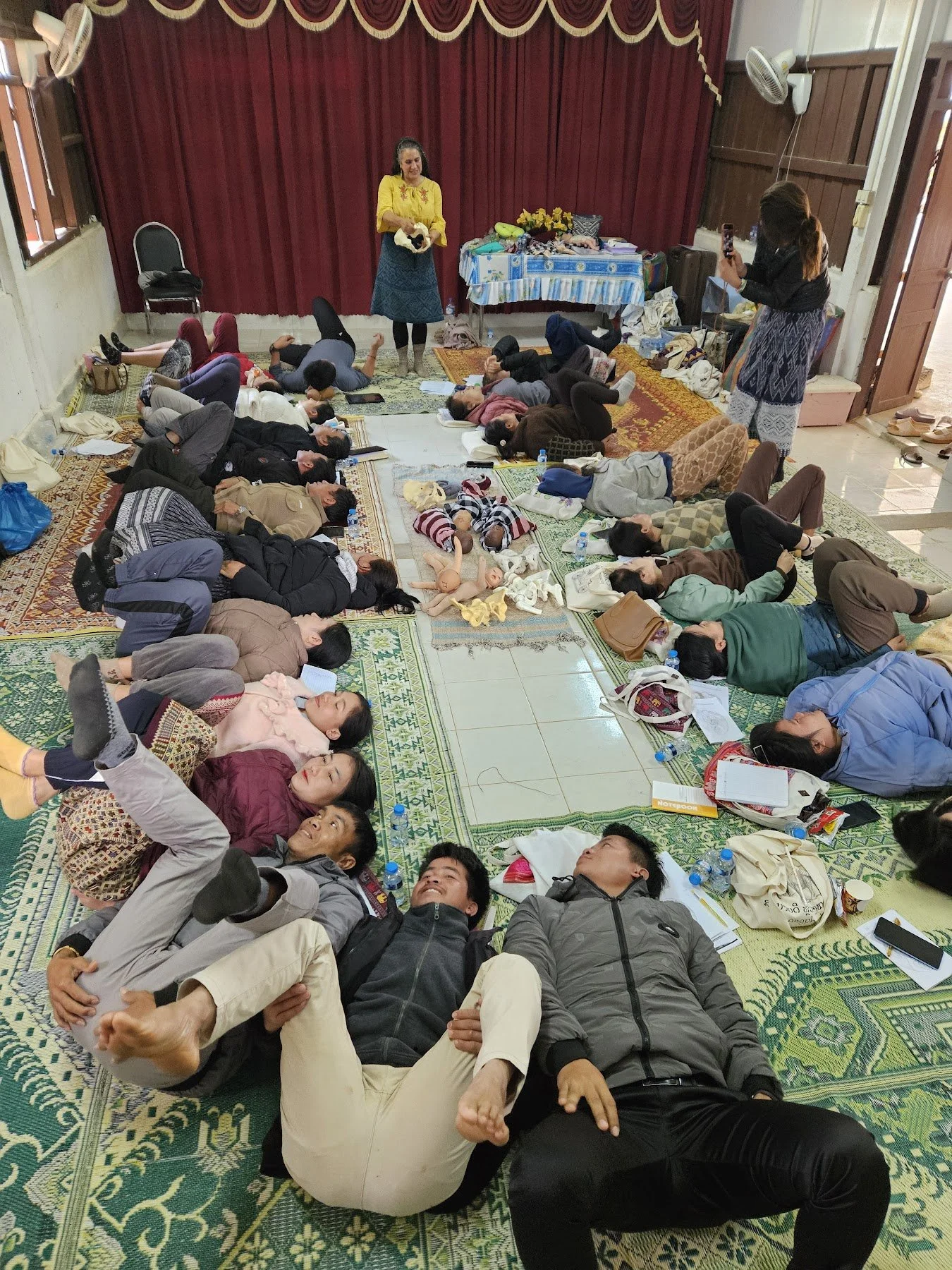
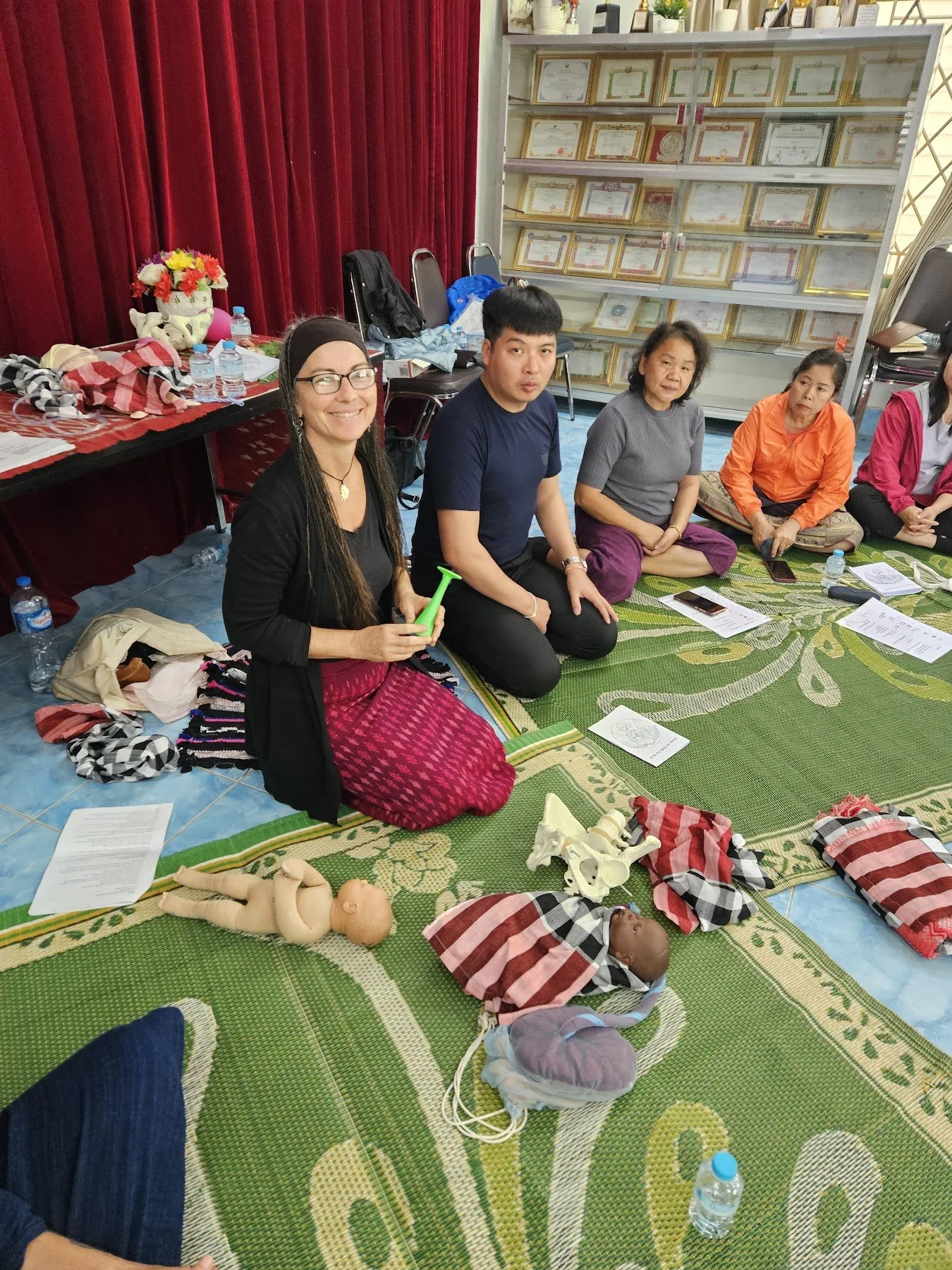
Direct outcomes of the Lao Birthwork Project training so far
In 2019 the team spent one day revisiting the Nagiew Health Centre in Chomphet District. During this visit they heard from village health workers, midwives and nurses who had received training from the Birthwork team a year before. Many of the medical workers spoke about how they had begun to apply what they had learned in the previous year. This included the use of varied birth positions and stories about how much women and their husbands were happy to be given options. There were also examples of the emergency techniques being applied, including stories of 2 participants who together confidently helped deliver a breech baby when there was no time to transfer to the district hospital. They used the breech techniques they remembered from the training.
Health workers have not only been able to implement the skills they have learned, but have also been able to work with increased confidence to provide women with opportunities to move around more during labour. What health workers remembered most readily were the steps for emergency management (PPH, breech, shoulder dystocia) that were taught through a ‘song’ with actions. In 2019 booklets were distributed to assist participants to revise their learning. In 2020, the additional distribution of posters with visual prompts for the correct steps offered participants more opportunities for revision between trainings.
Many staff were enthusiastic about sharing stories of births in which they had helped women to move into the position of their choice: kneeling, squatting, standing, using the bed frame, door frame or family member to help to give support. The training program has proven popular. Health workers have requested more frequent training opportunities, and longer training sessions.
In Phonthong, for example, one midwife shared a story of when she had used manual pressure on the pelvis to relieve back pain, saying that she had done it to give the mother comfort and that the mother “really liked it”. In Phoukhone, several participants enthusiastically shared stories of births in which they had helped the mother into different position and volunteered a strong advocacy for enabling the mother to choose the position “that makes her feel good” (Midwife, Phoukhone 2020).
Providing support to women and girls
Beyond the clinical setting, the Lao Birthwork Project is committed to supporting women and girls in their everyday lives. This includes providing reusable cloth pads, period products, and education on menstrual health, hygiene, and reproductive care.
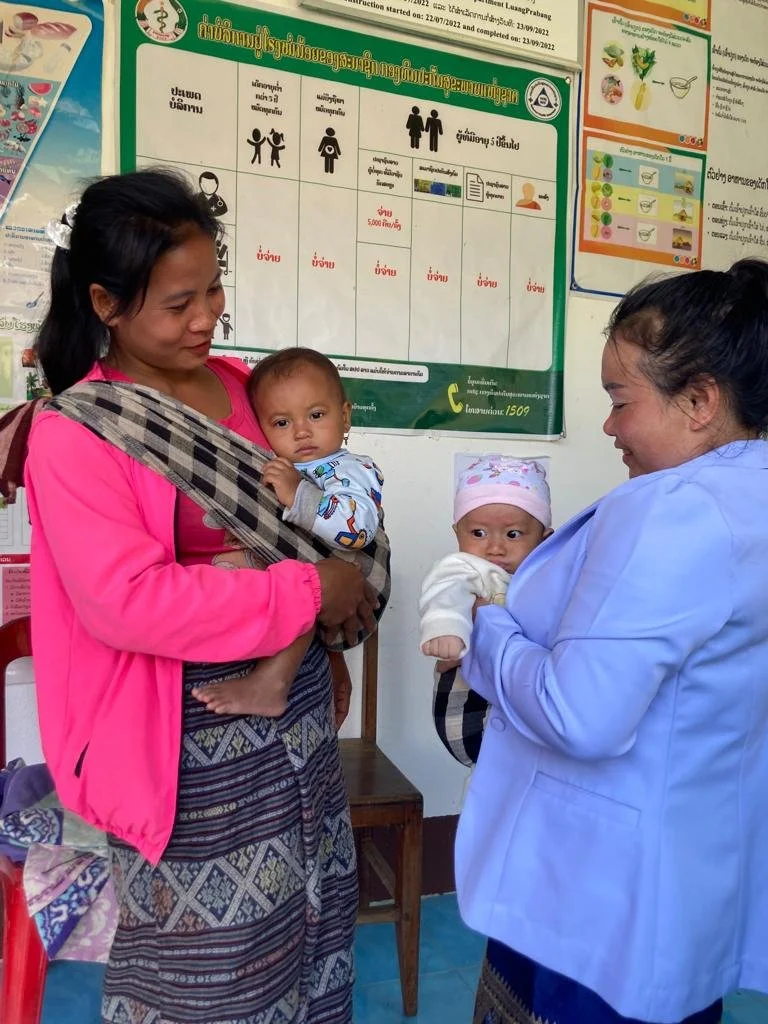
The project also extends education on breastfeeding and newborn care, empowering mothers with knowledge that supports both their health and their babies’ wellbeing.
By addressing both the practical needs and the cultural context of these communities, the project uplifts women and girls with resources that are sustainable, accessible, and life-changing.

Your role in this story
Partnerships like this embody Gulagbi’s vision: safe, respectful, and informed perinatal care for all. But this work is only possible with community support. Donations help cover the cost of training materials, emergency birth kits, period products, and travel so the team can continue to return year after year.
Every contribution — big or small — places tools and knowledge directly in the hands of those who need them most. Together, we can build bridges from Far North Queensland to the villages of Laos, ensuring women, families, and care providers are never left without support in life’s most powerful and vulnerable moments.
If you’d like to be part of this work, please consider making a donation. Your generosity saves lives, honours women, and strengthens communities.