Bridging two worlds with compassion
Many of the PNG patients we support come from remote villages with no roads, no electricity, and no modern infrastructure.
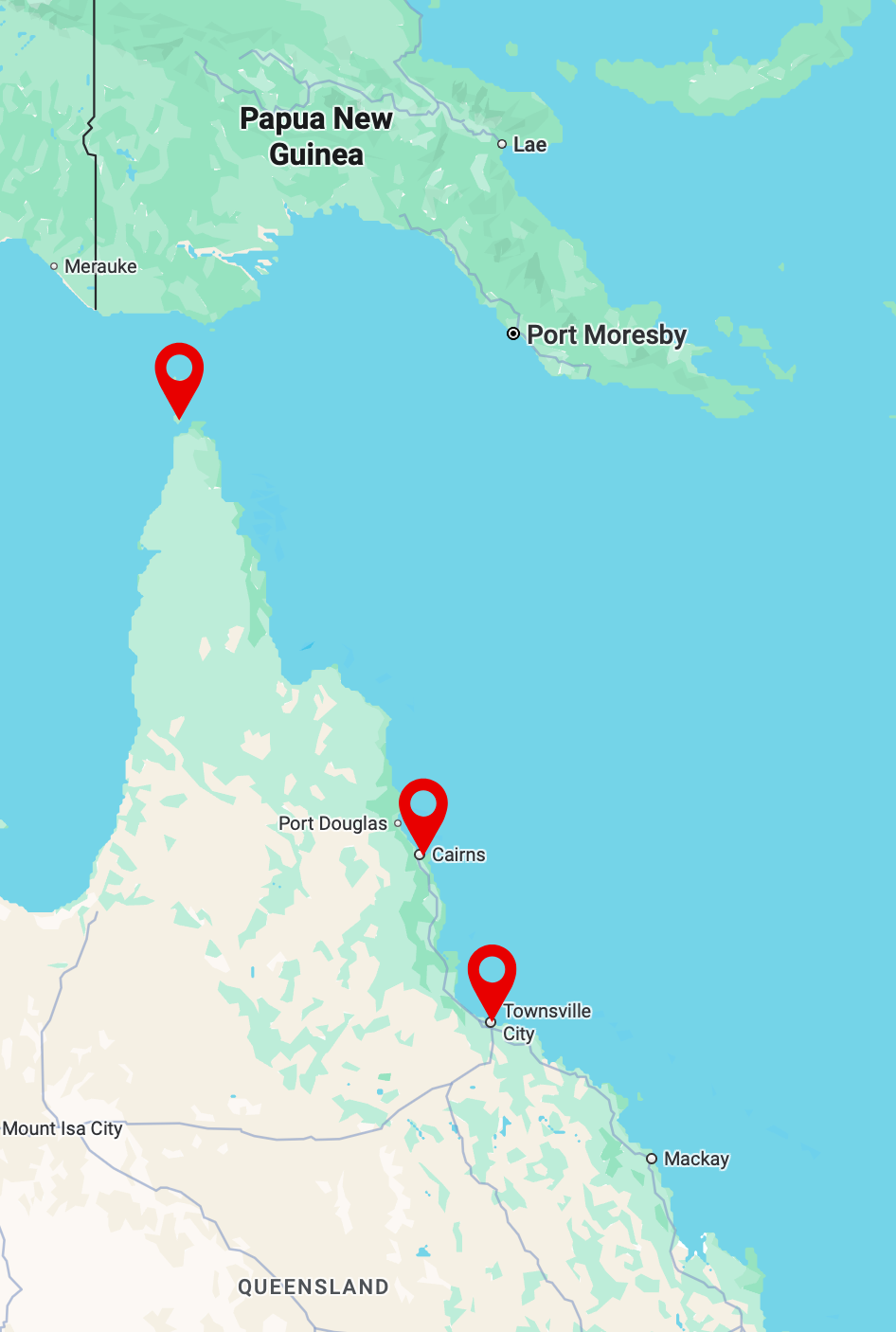
Suddenly being placed in a hospital in a city like Cairns or Townsville can be overwhelming, not just physically but emotionally. The unfamiliar sounds, smells, fast-paced environment and language barriers can create fear, confusion, and loneliness.
Under the Torres Strait Treaty, traditional inhabitants of the Torres Strait Protected Zone and adjacent coastal villages in Papua New Guinea are permitted free movement between Australia and PNG to maintain their customs and to access healthcare in Queensland. While this treaty upholds the spirit of mutual friendship and good-neighbourliness, many patients arriving from PNG for medical treatment face immense challenges beyond their immediate health concerns.
At Gulagbi Collaborative Sustainable Developments, we have been actively supporting these patients for many years in Thursday Island, Cairns, and Townsville hospitals — offering care that extends beyond the hospital walls.
Through Gulagbi, we ensure these individuals are not left to navigate this experience alone. Whether it's teaching them how to use an electric stove, accompanying them on short trips outside the hospital, or simply sitting with them in comfort—we are there to help bridge the gap between their homeland and this new, unfamiliar world.
This work is community-driven and relies on the kindness and generosity of those who support Gulagbi. If you would like to contribute—whether through donations, volunteering, or advocacy—please get in touch. Together, we can continue providing this essential care for those in need.
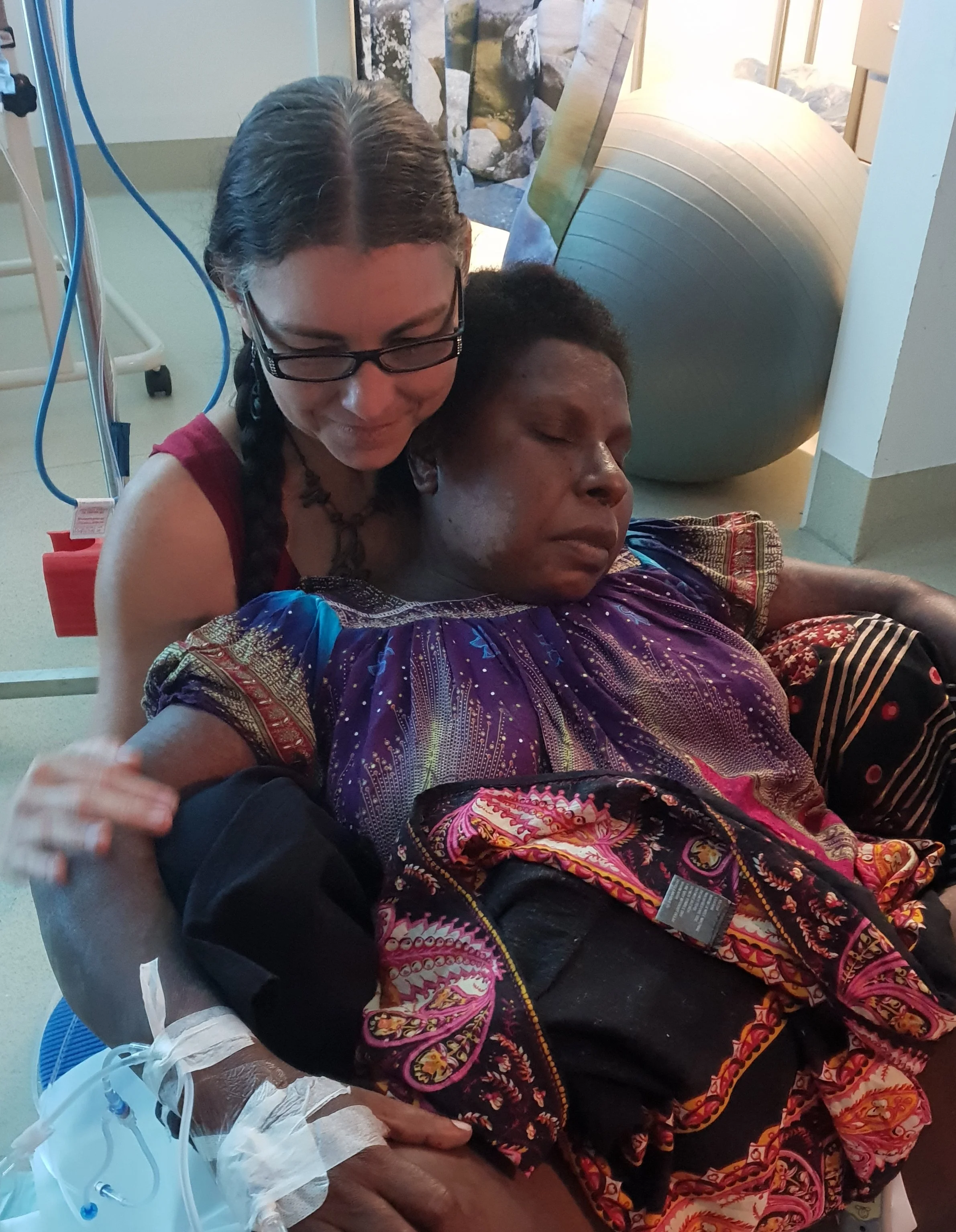
Shelly providing nurturing support to a mother during birth. This mother had complications during pregnancy and travelled to Queensland alone.
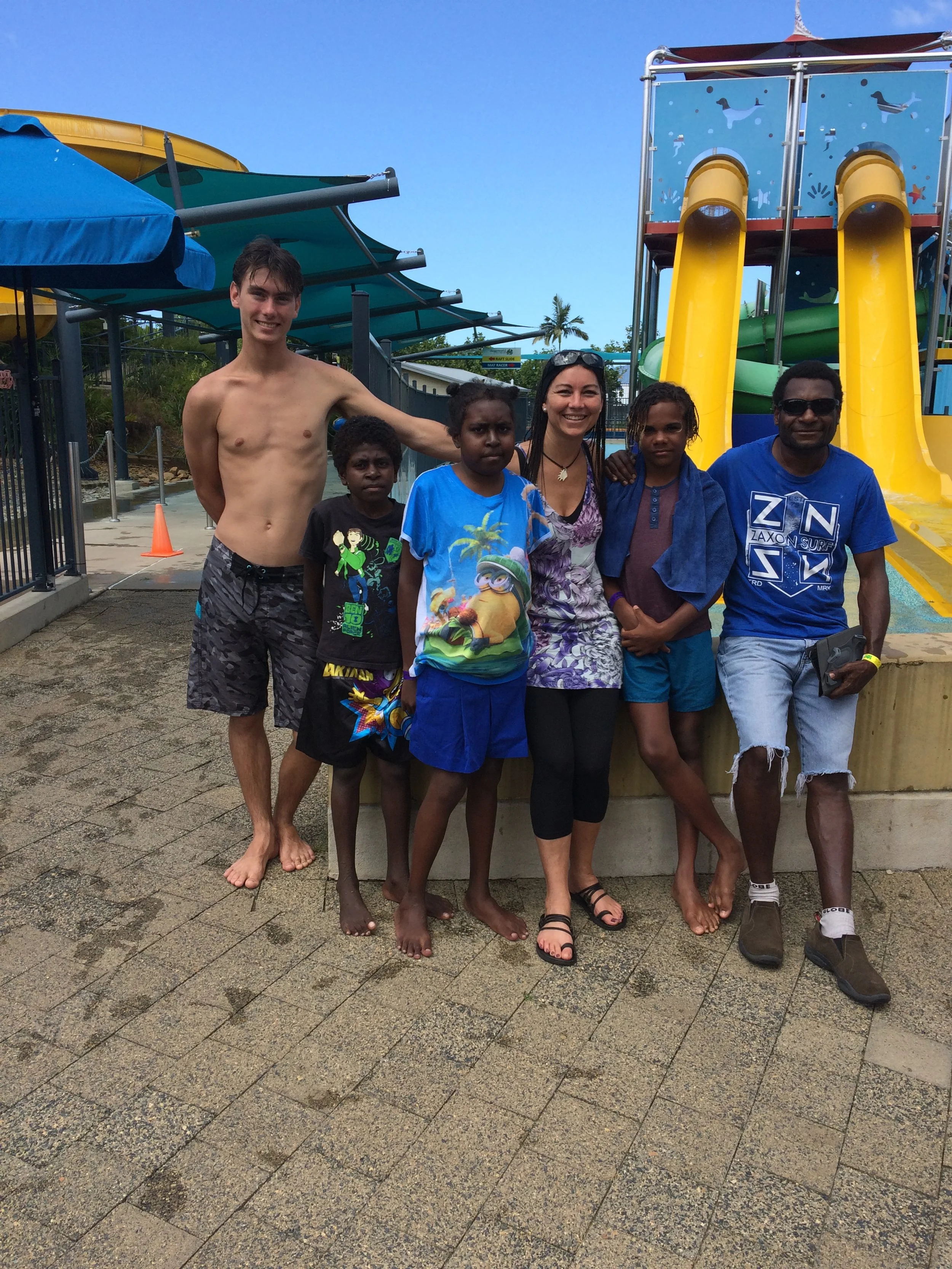
Taking a few of the patients on a day's outing to Sugarworld Adventure Park.
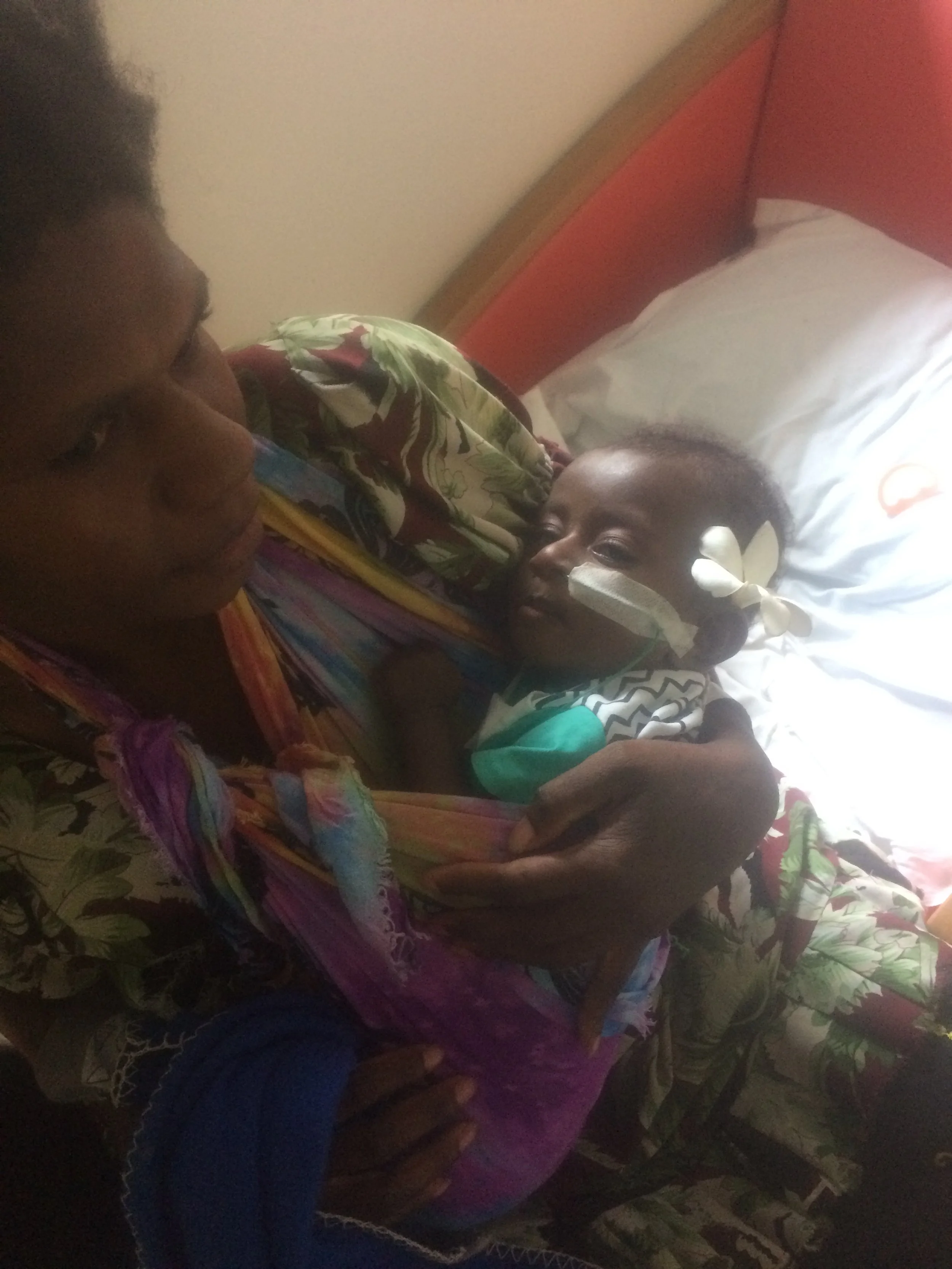
Helping a mother secure an interpreter and discussing some tests that were recommended for her baby.
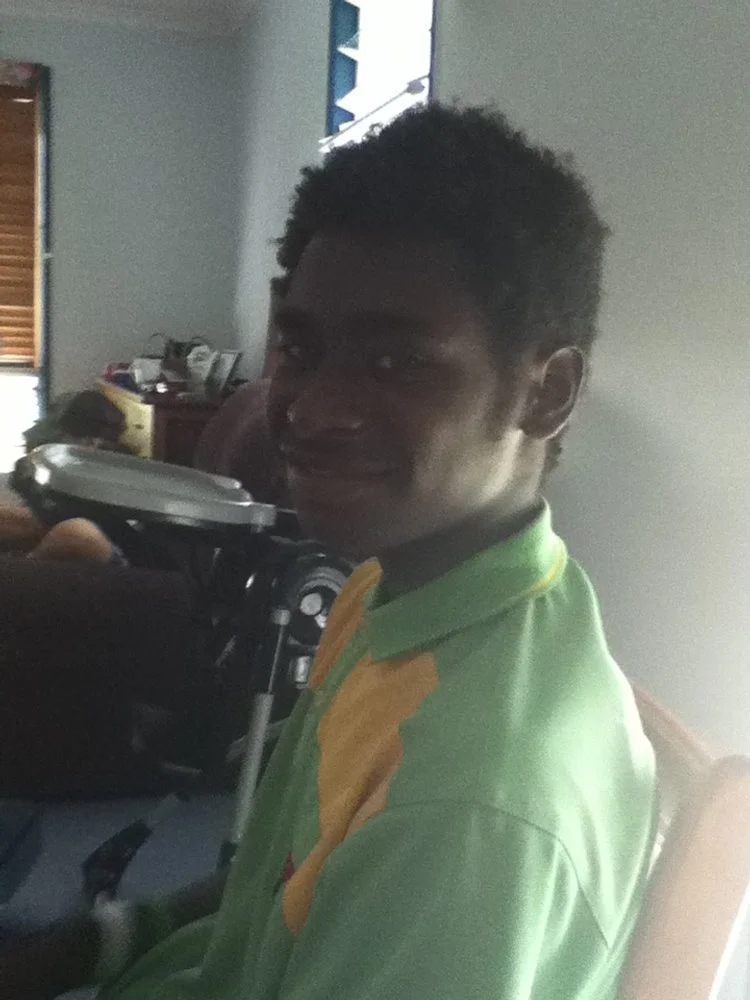
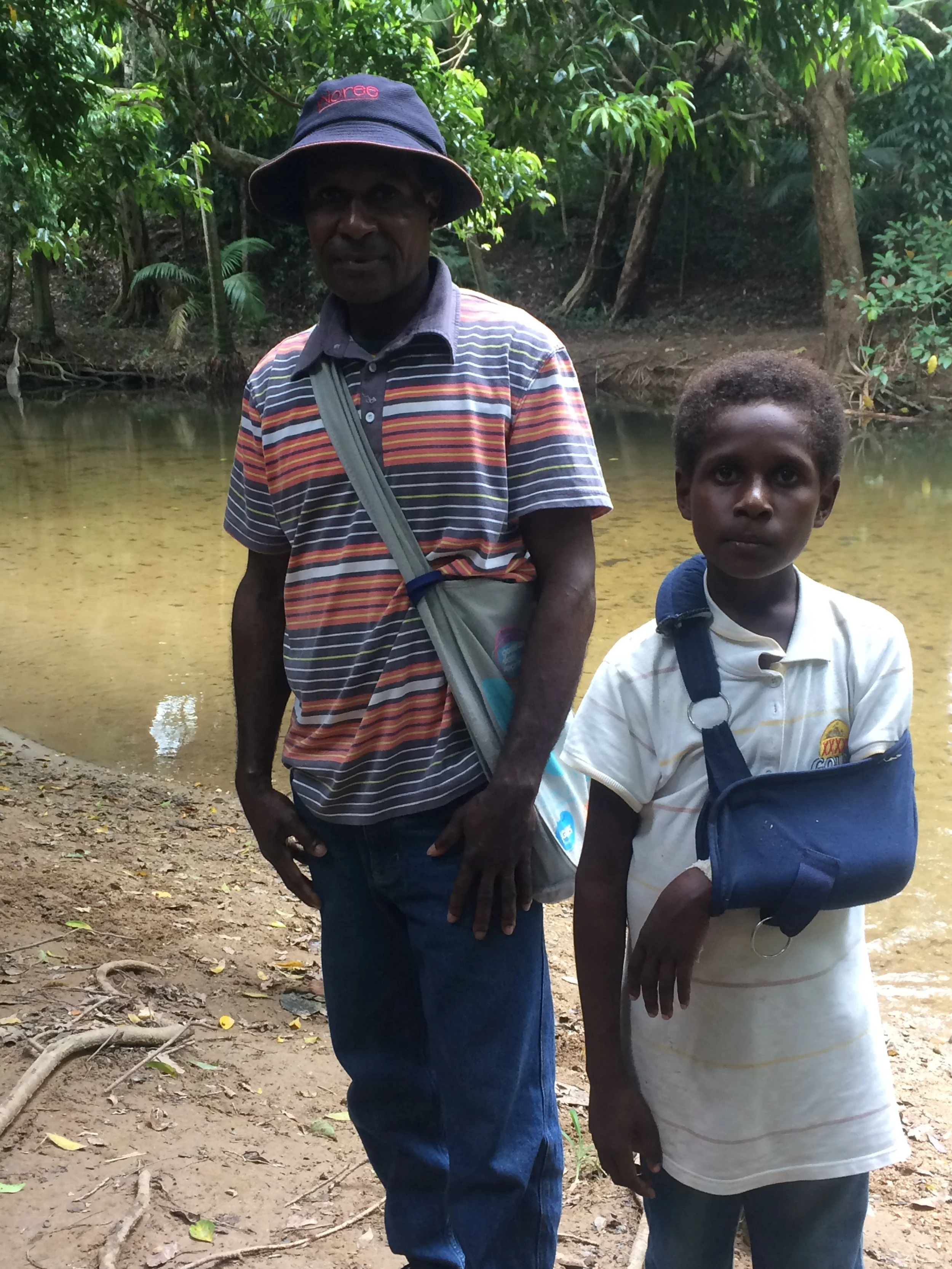
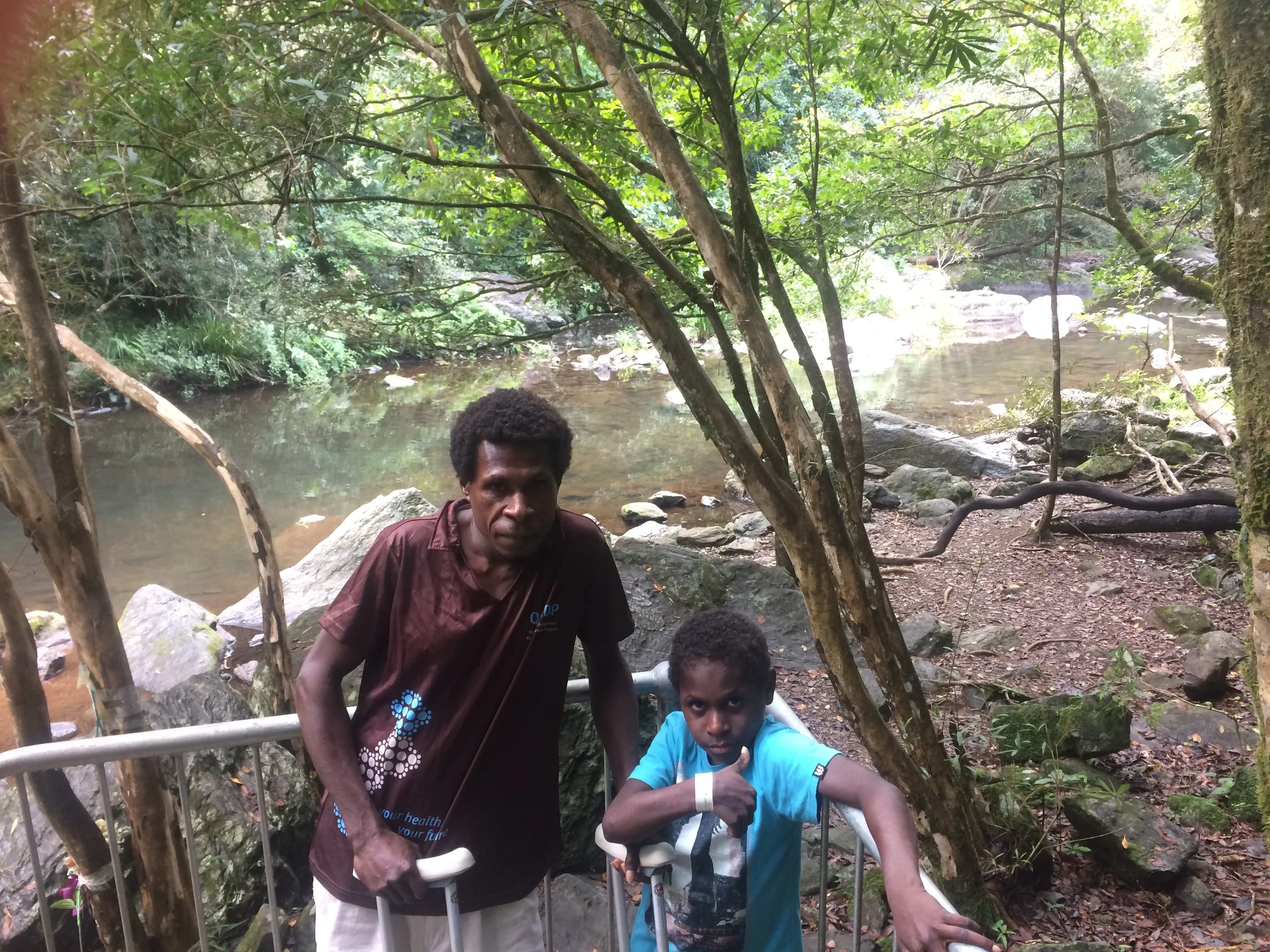
This teenager had broken his arm in two places while hunting. He hiked many kilometers to arrive in one of the coastal villages to access help and a transfer to Queensland. Here he is spending a day out of the hospital with Shelly and her family.
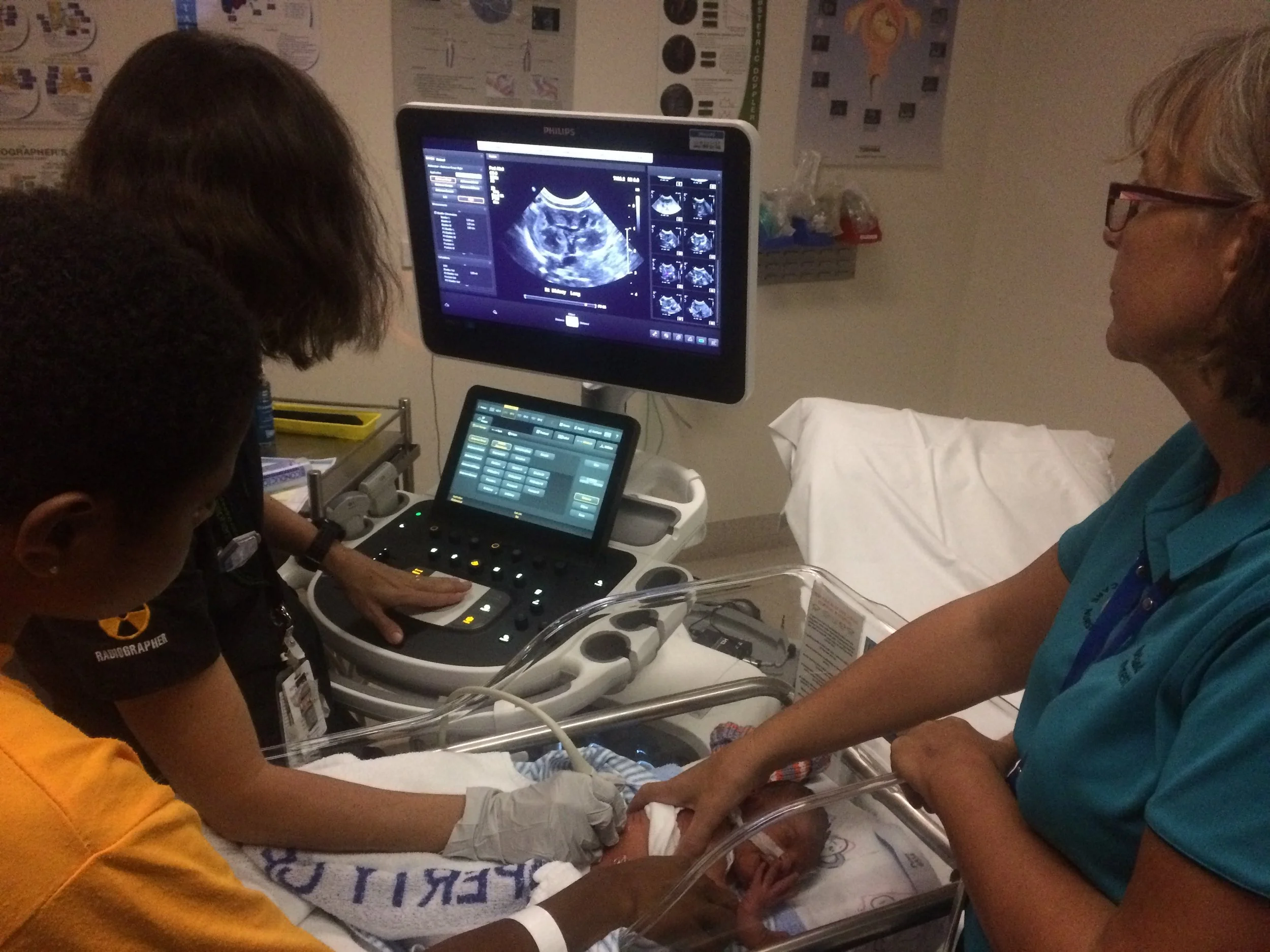
Supporting a mother and her premature baby during a scan.
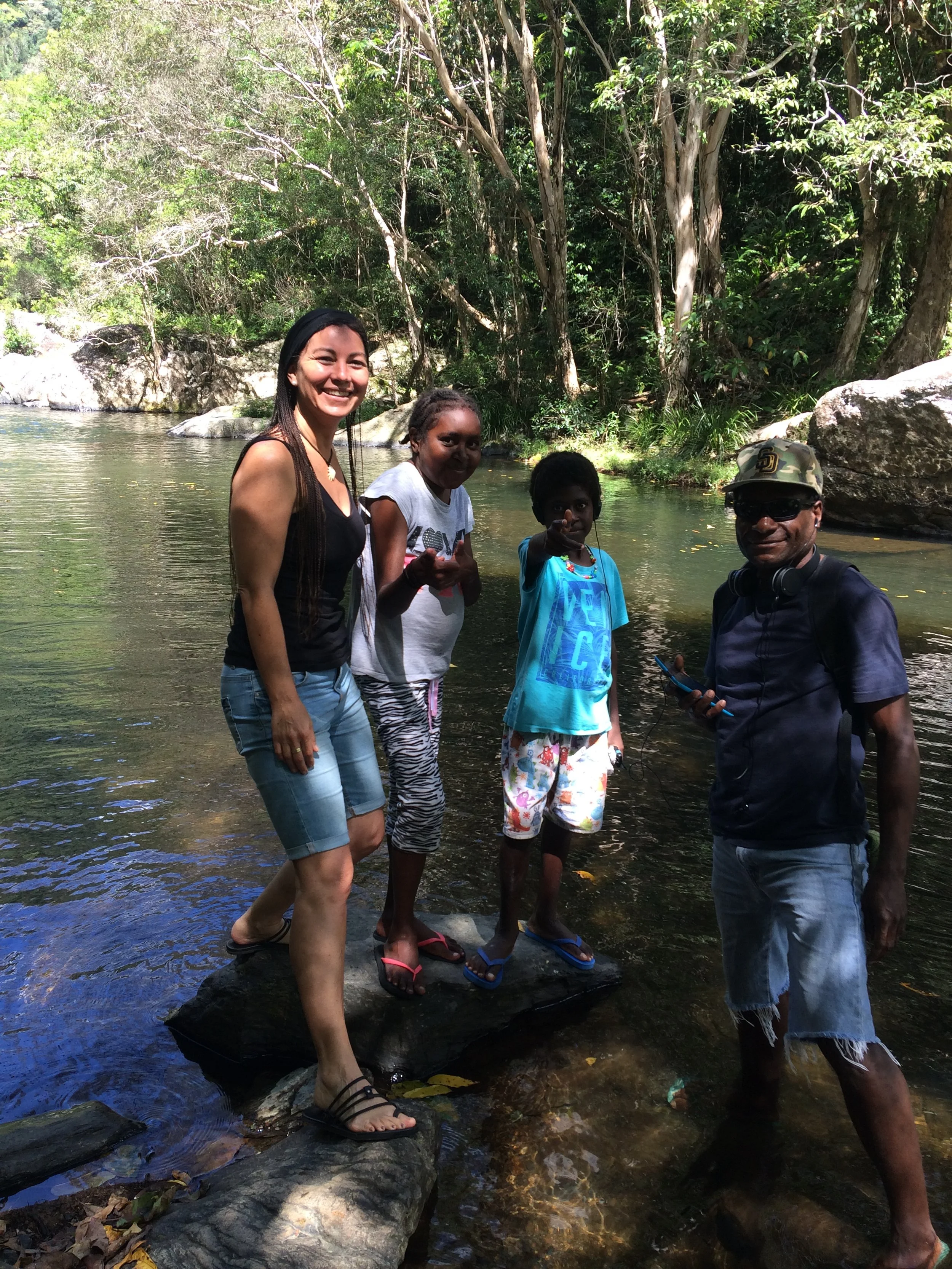
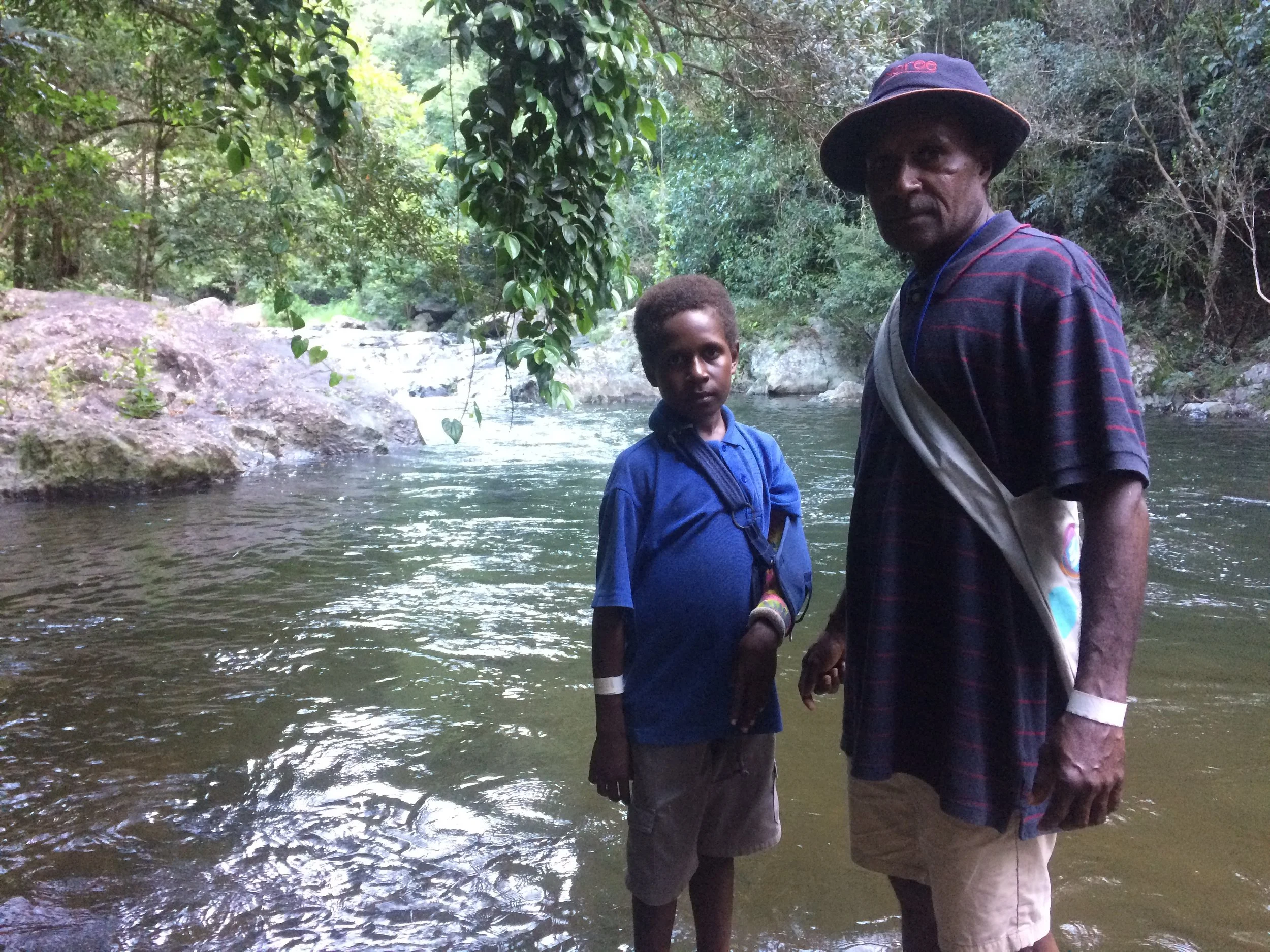
A day out at one of the local creeks in Cairns.
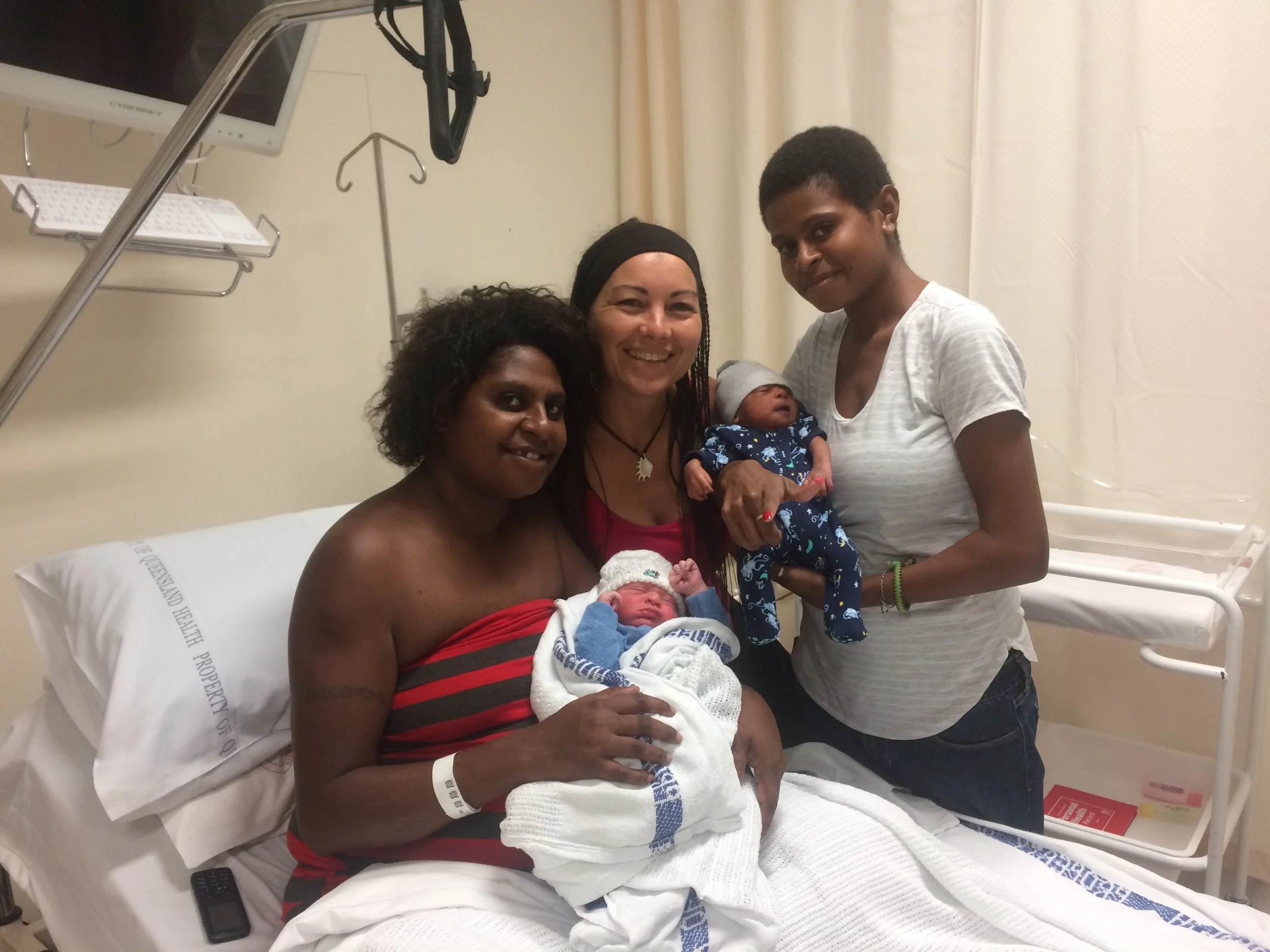
Shelly providing birth and postpartum support for these young mothers.
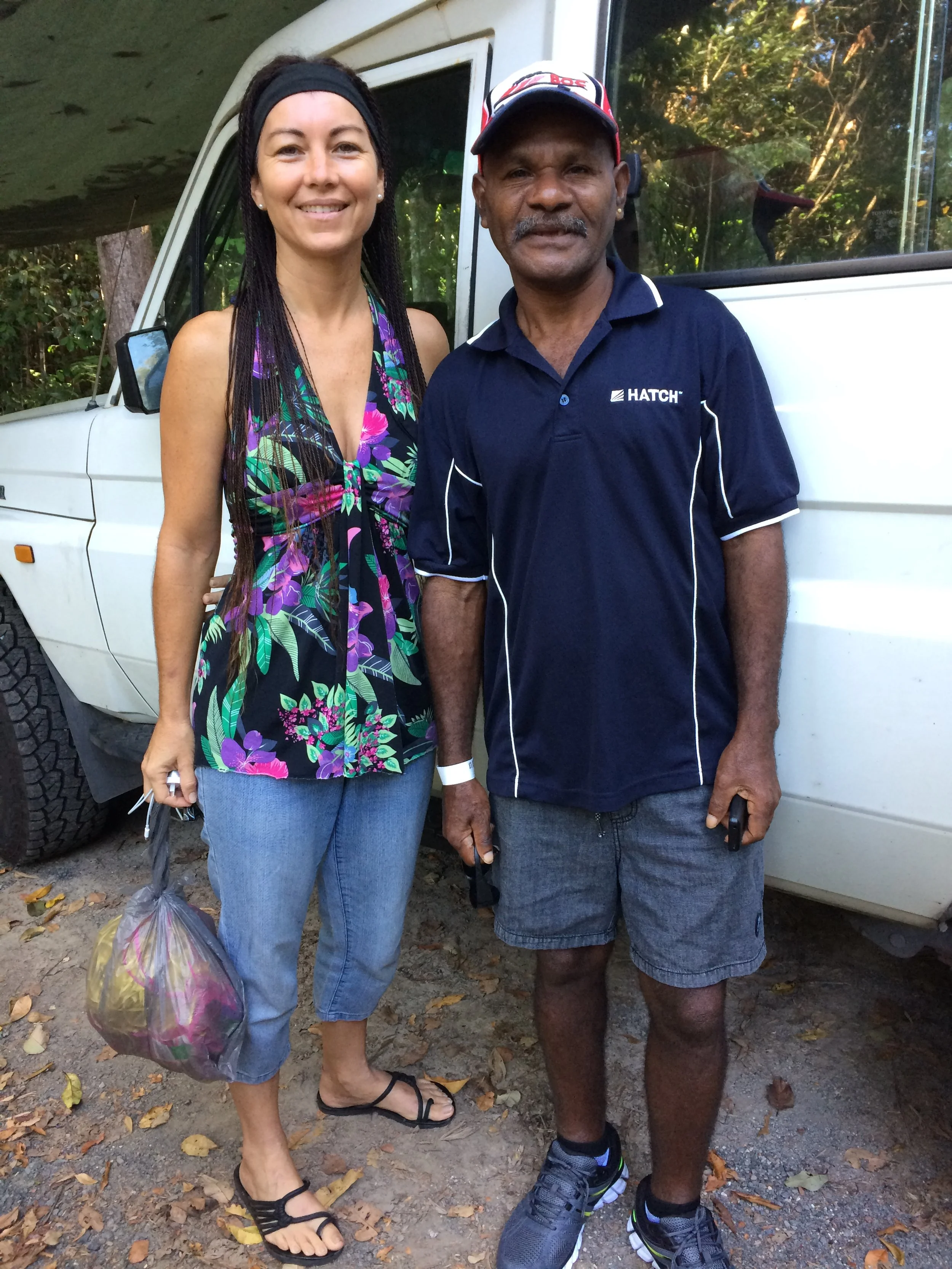
This man was brought into Australia with a life-threatening condition. Gulagbi provided an interpreter to speak with doctors about medications and health decisions and advocated for accessing life-long medication back in PNG.
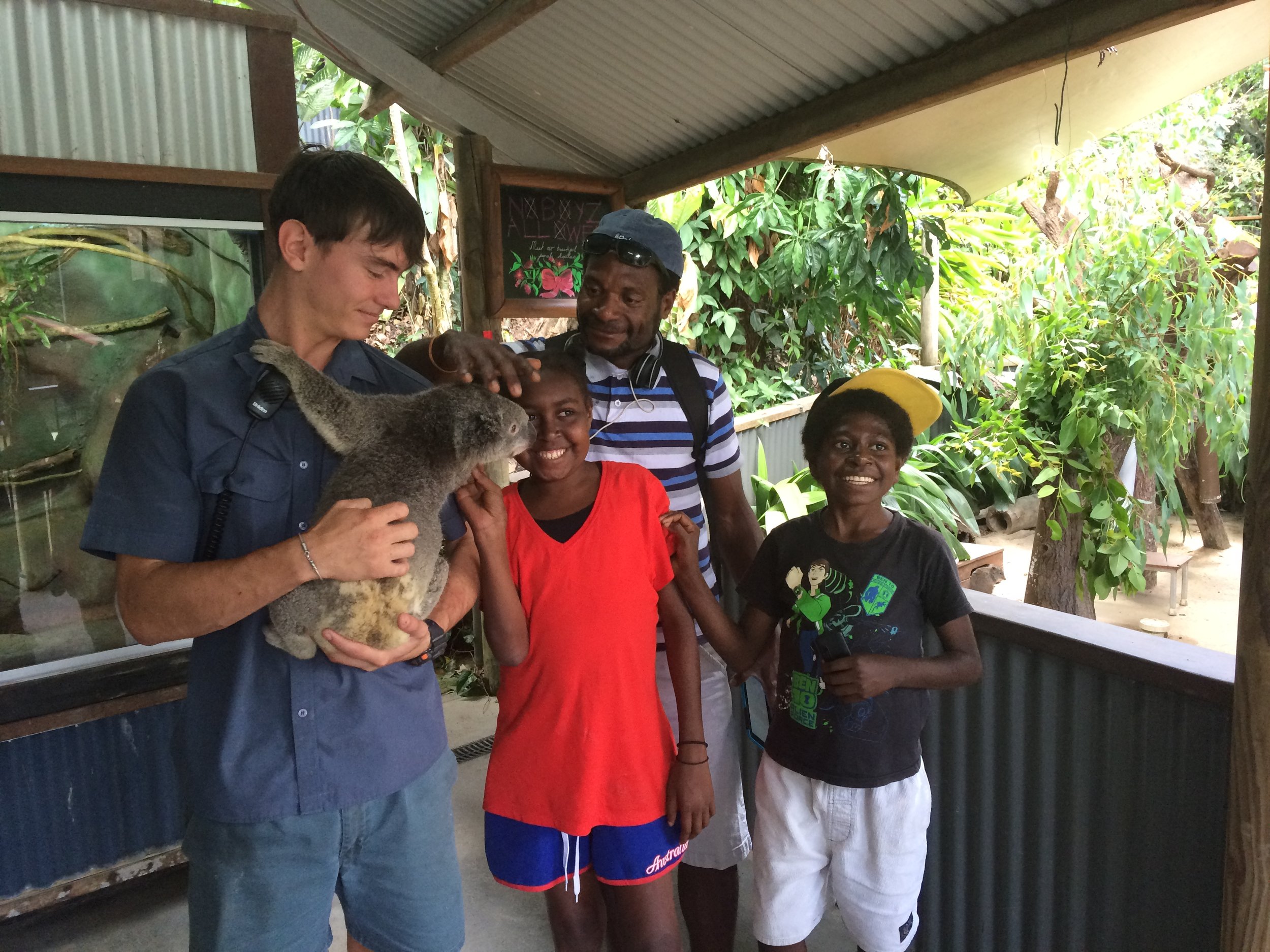
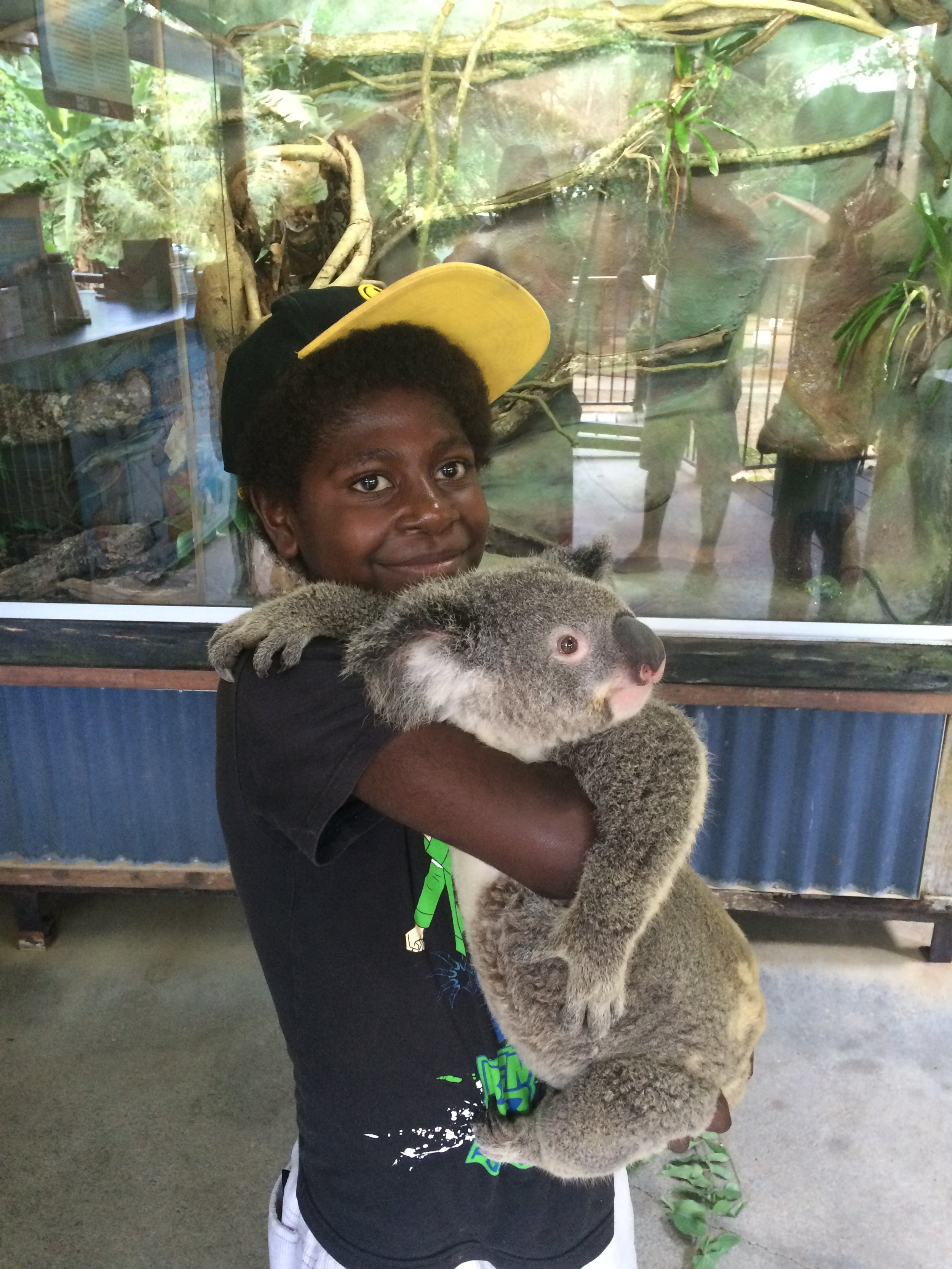
An outing to the Koala Gardens in Kuranda. These children were in Cairns for nearly 18 months for medical treatment.
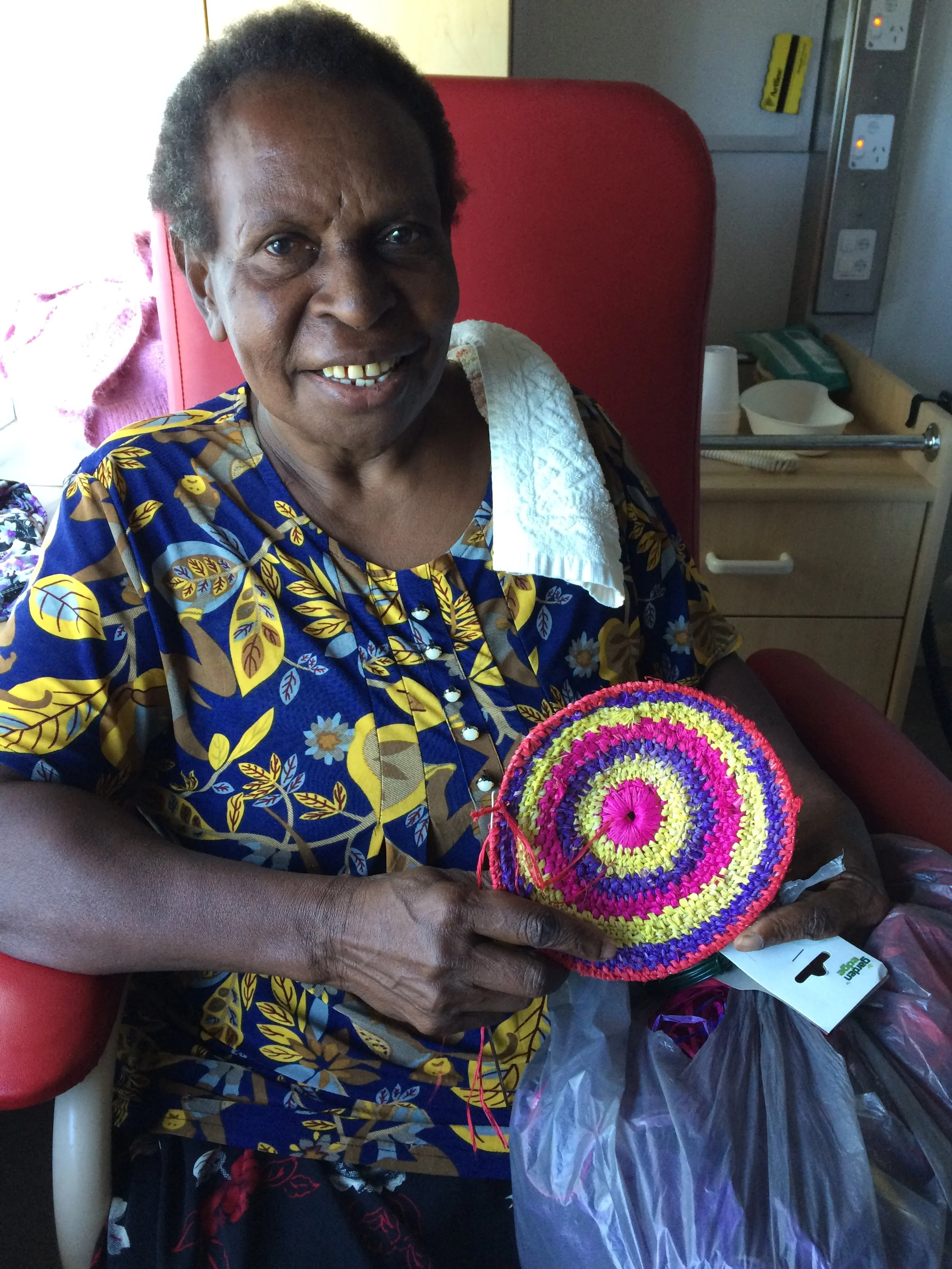
Gulagbi sourced materials for patients visiting from PNG so they could continue their cultural practices,i supporting their mental and emotional wellbeing.
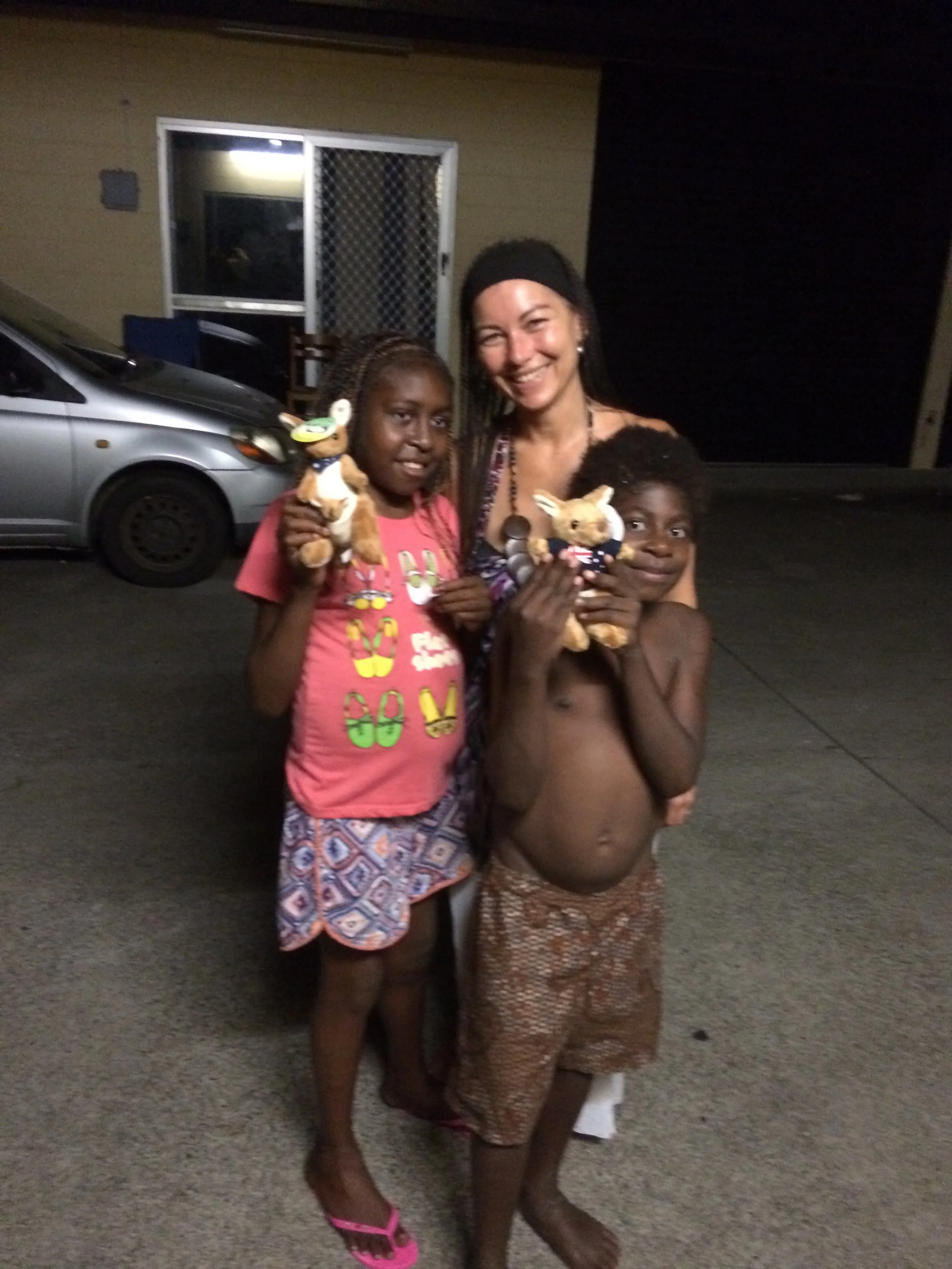
Gifts and farewells when leaving. Saying goodbye is always very emotional especially after supporting them for up to 18 months.
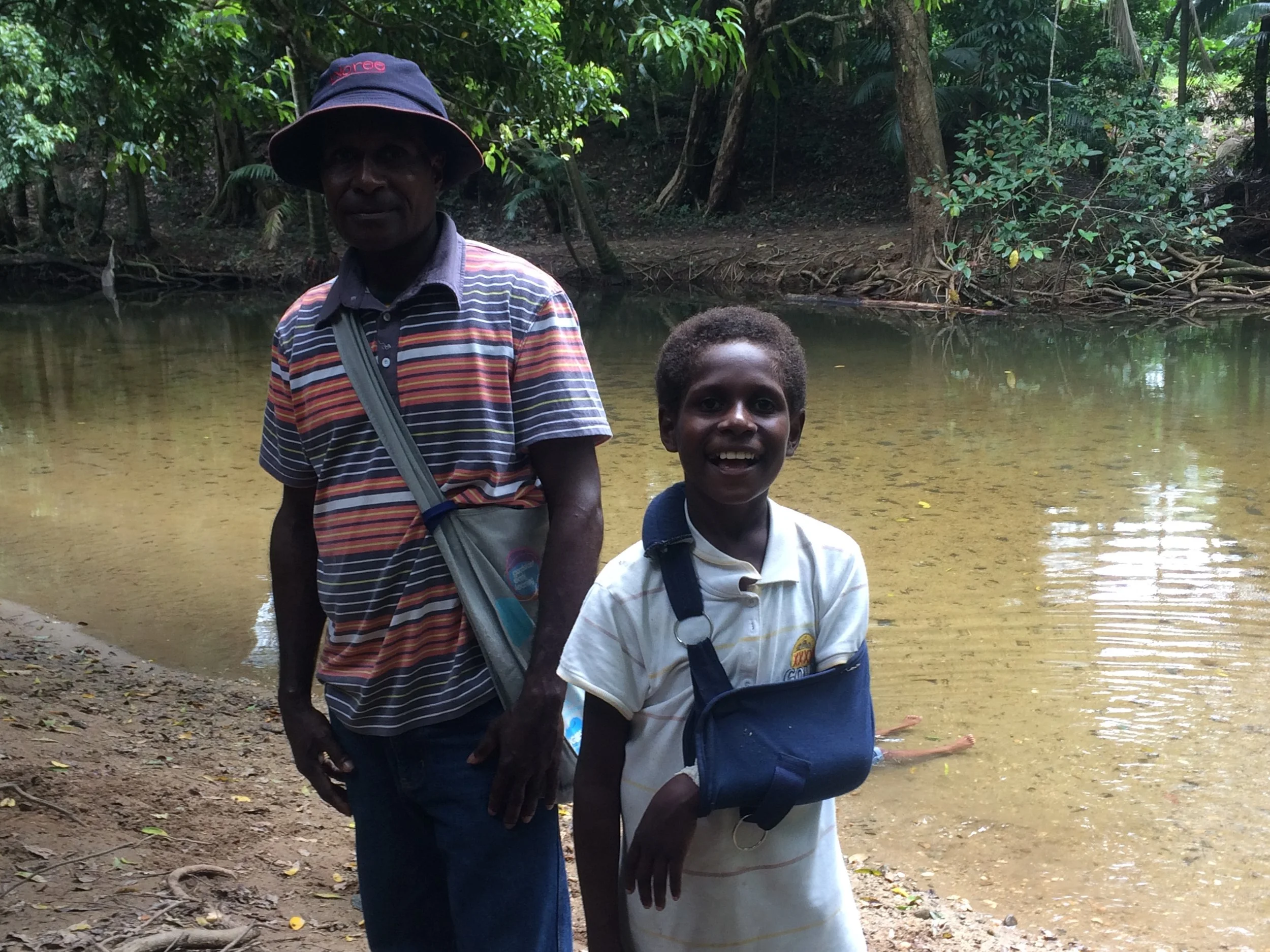
This young boy's broken arm needed multiple surgeries over many weeks. They were from an inland village and his father carried him for two days to find help before securing a transfer to Australia. With no ability to communicate with anyone in their own village, their families had no idea if they were okay until they arrived home many months later.
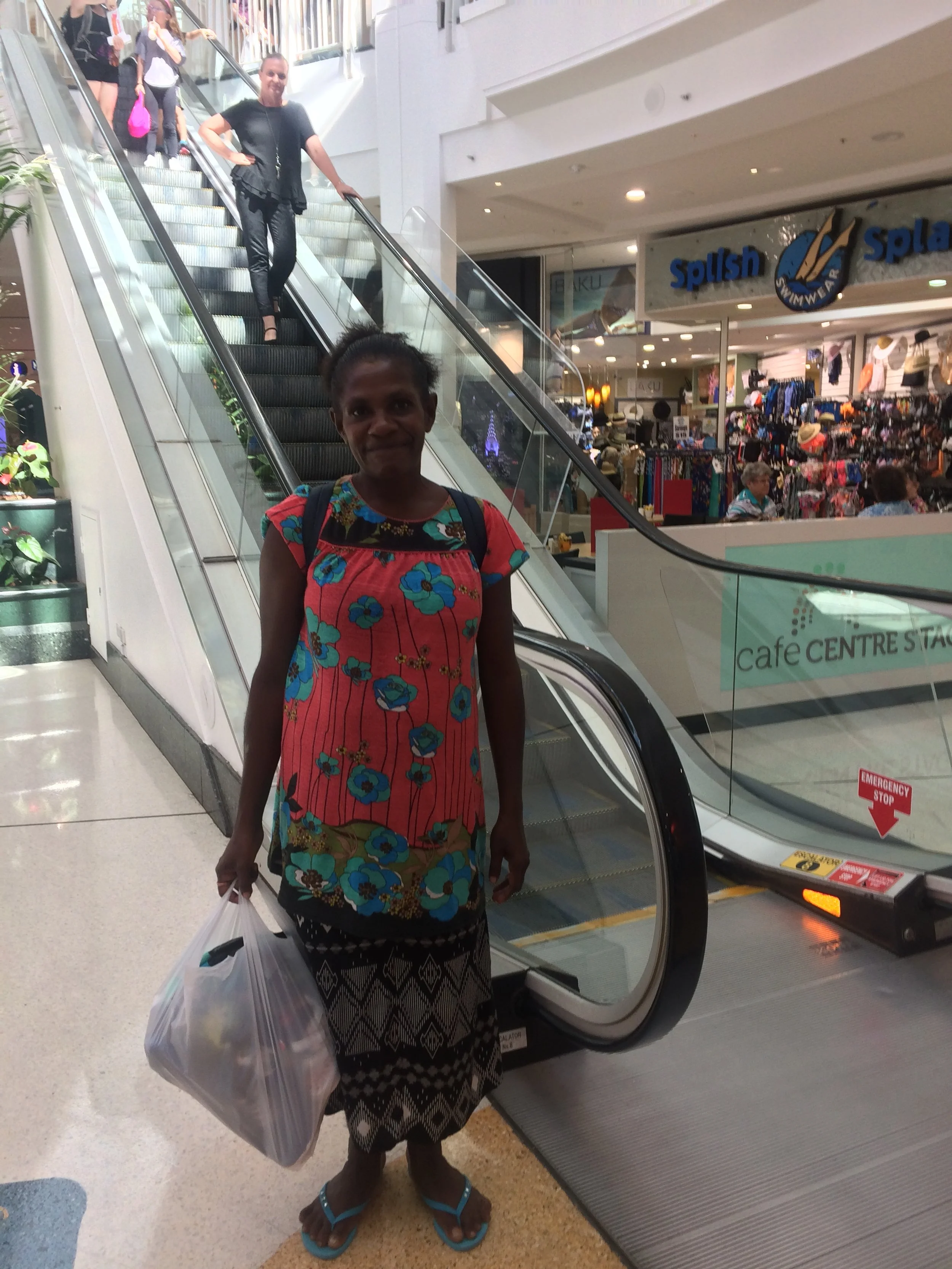
A day outing at the shops for some toiletries and shoes. This woman was in Cairns for many months with a life threatening illness.
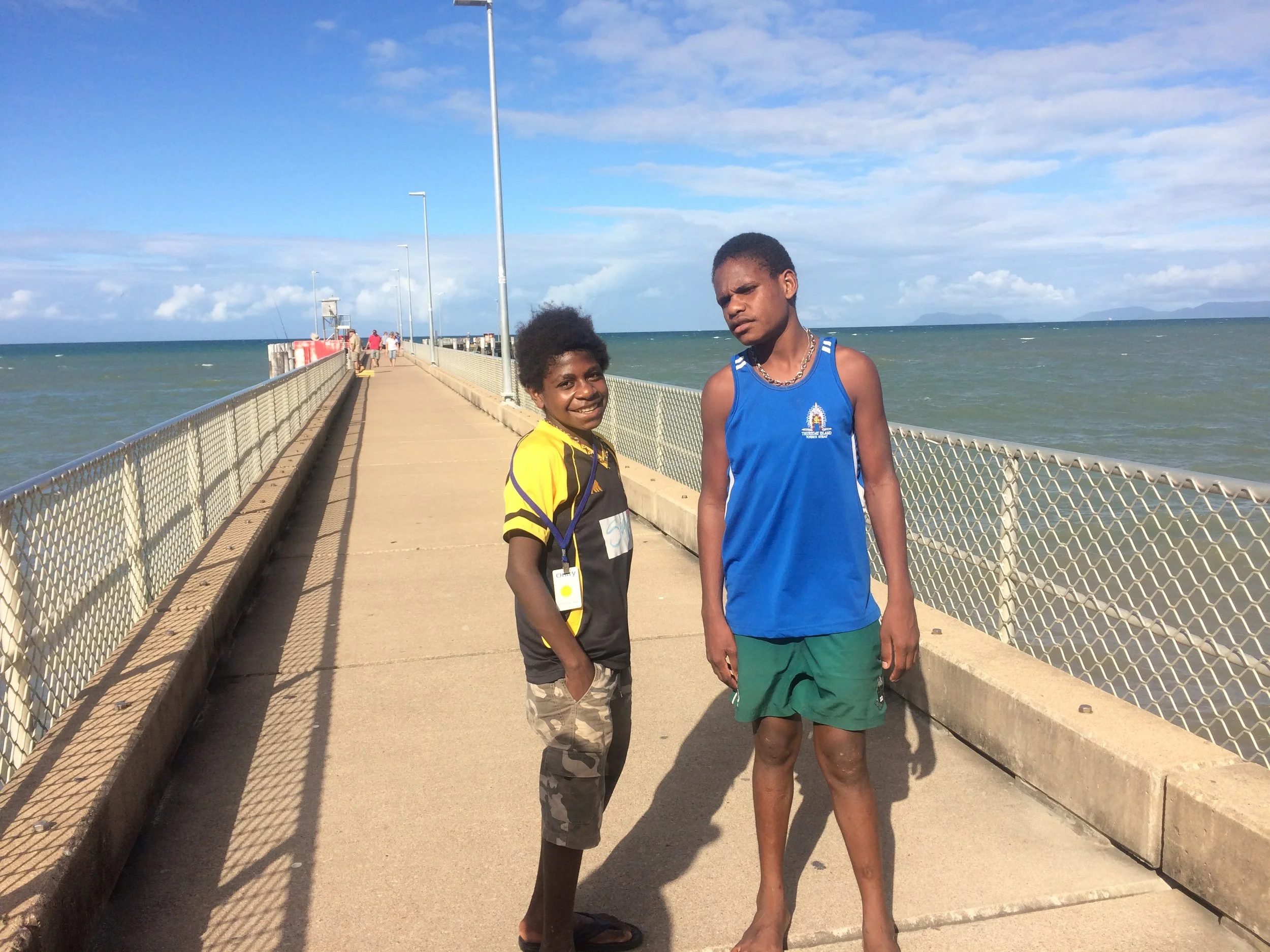
Going fishing for the day. One of the boys had a life-threatening illness and the other had a life-threatening infection.
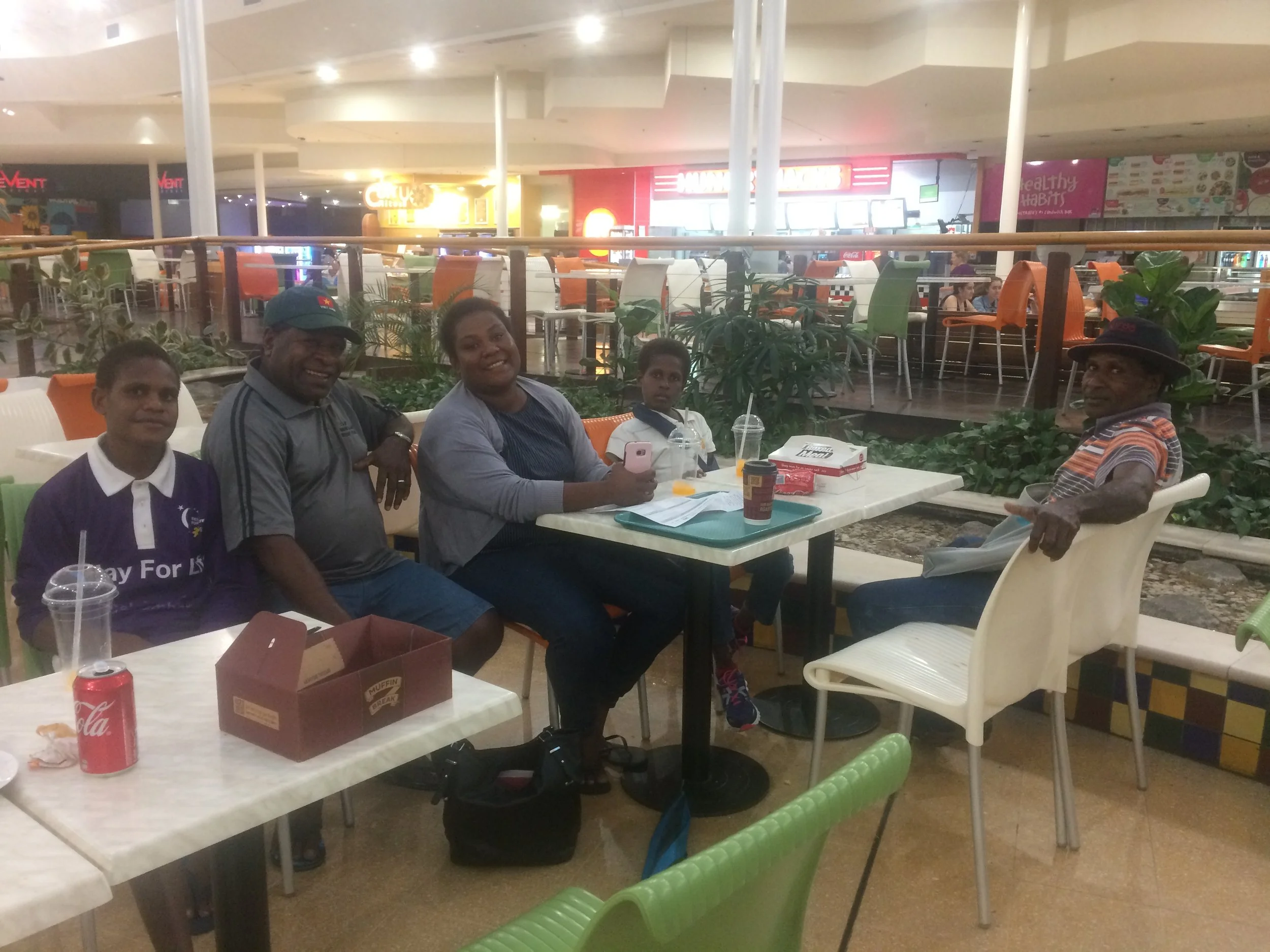
Spending some time with other PNG families living in Cairns.
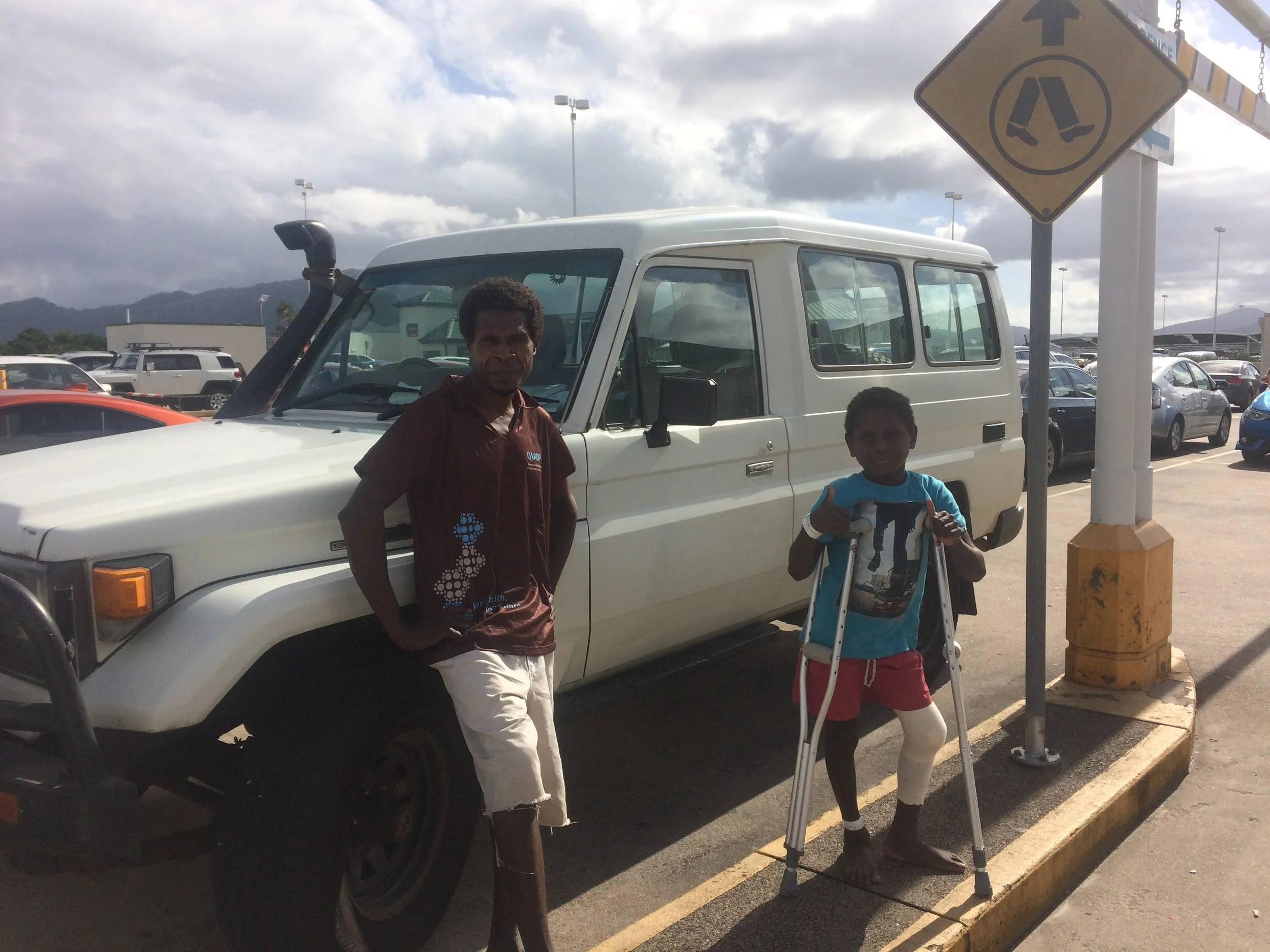
About to leave town for a day's outing.
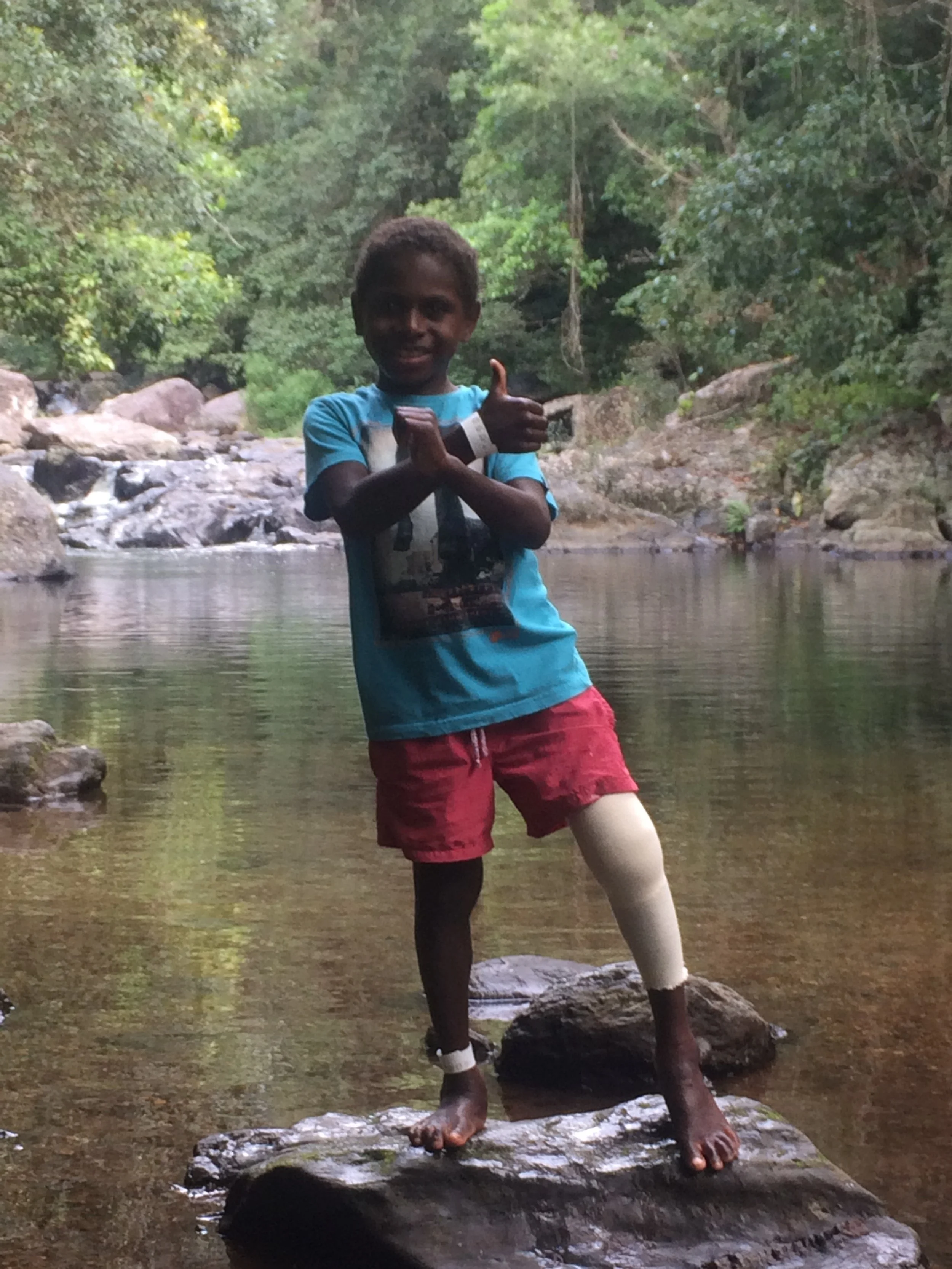
Spending some time at a local FNQ creek after many weeks in hospital after surgery.
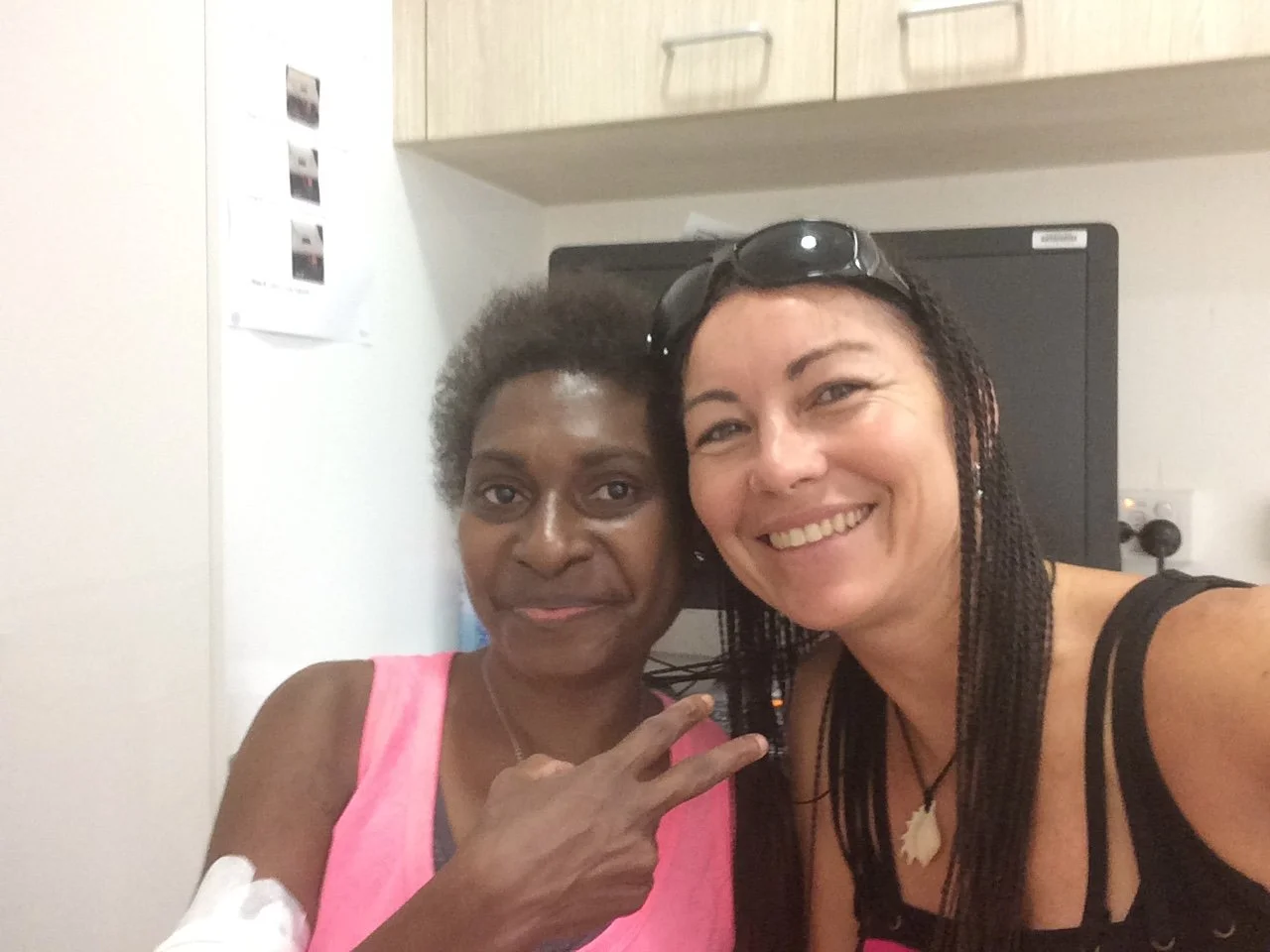
Supporting an amazing young woman during some tests and procedures. She has a medical condition that is life threatening without medical care.
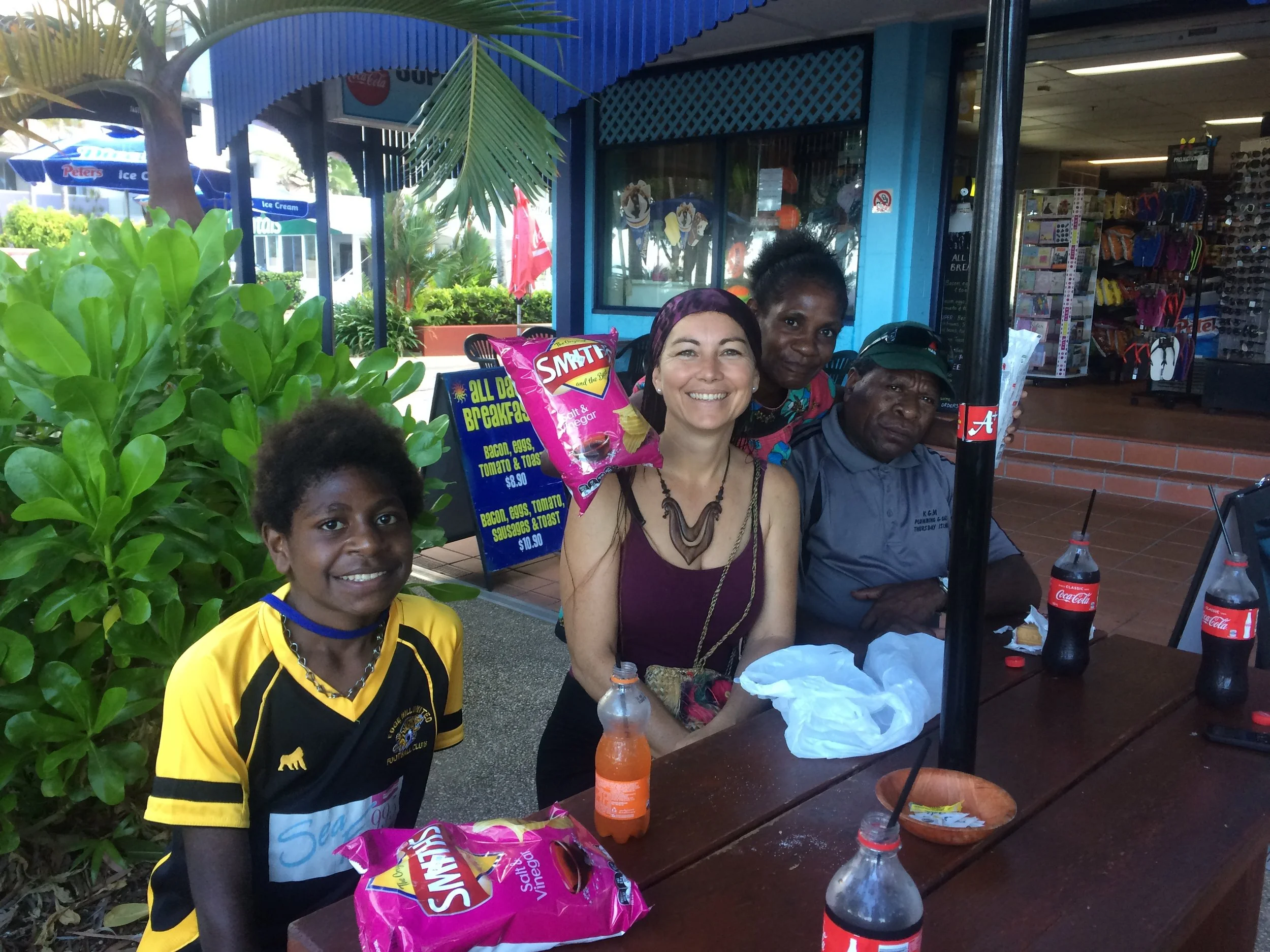
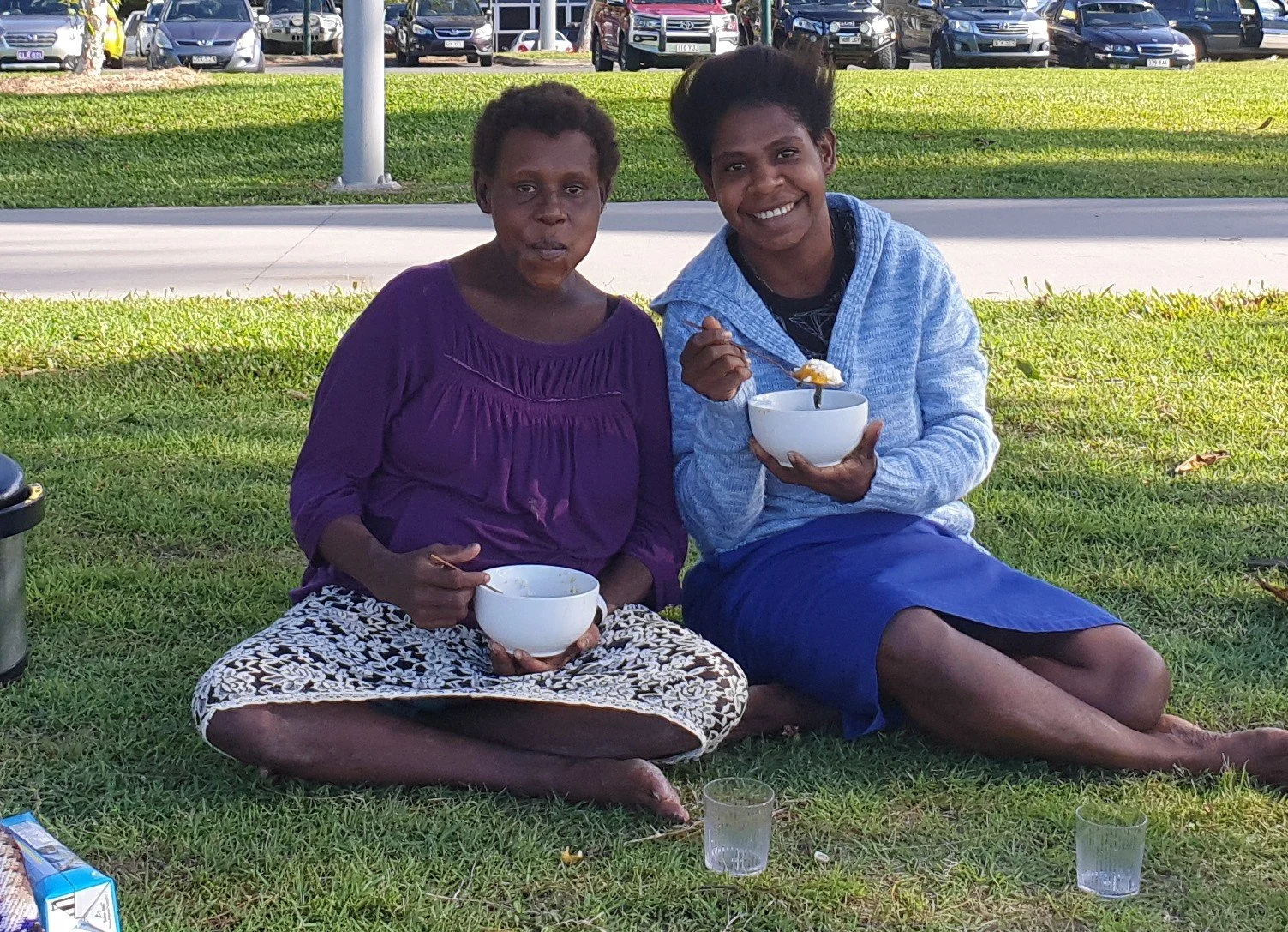
Trying new foods and drinks at lunch on the Northern Beaches.
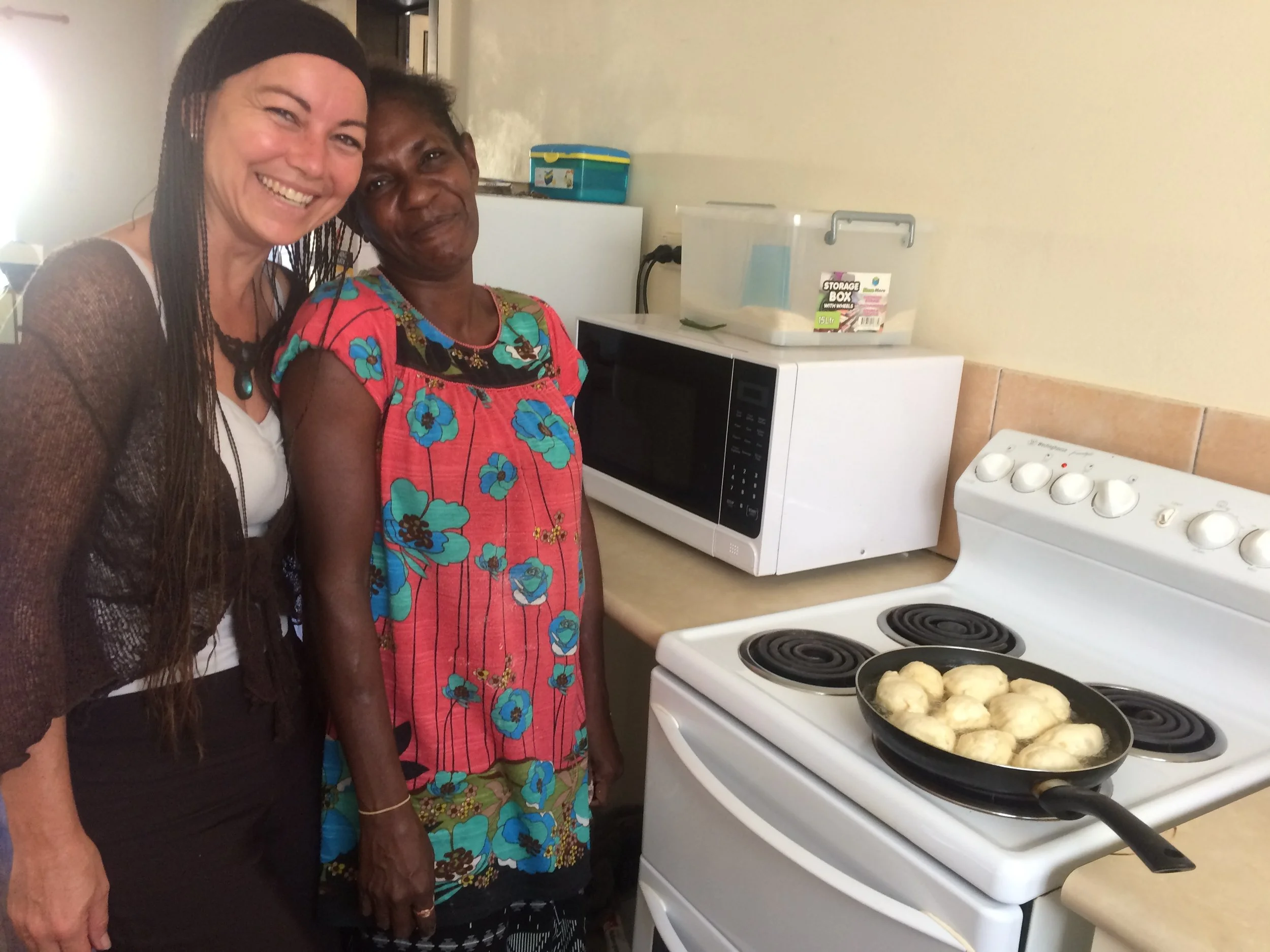
Cooking and companionship - using a modern stove top is a change from open fires.
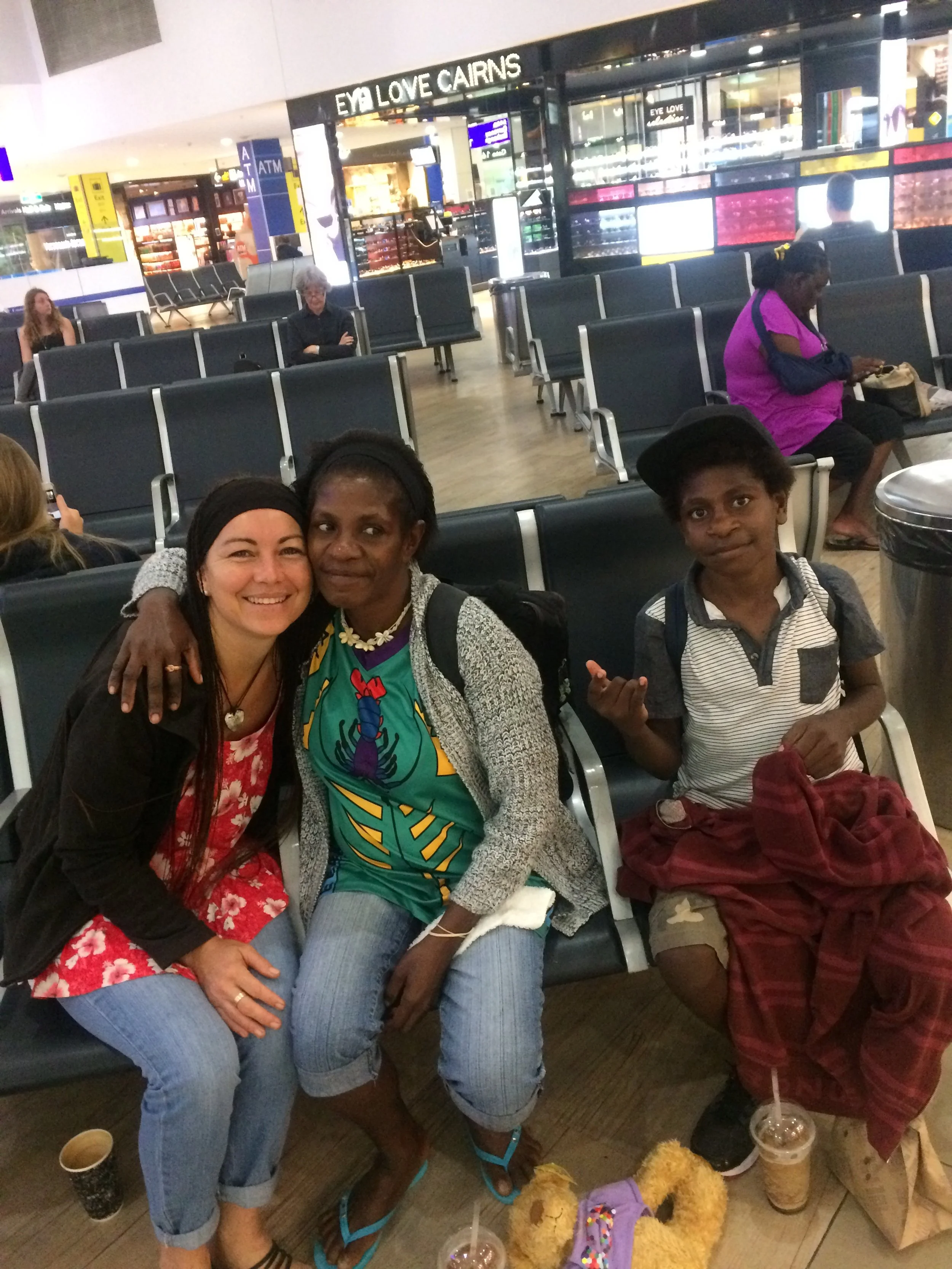
Support at the airport navigating the complexities of check-in, security and waiting to board the plane home.
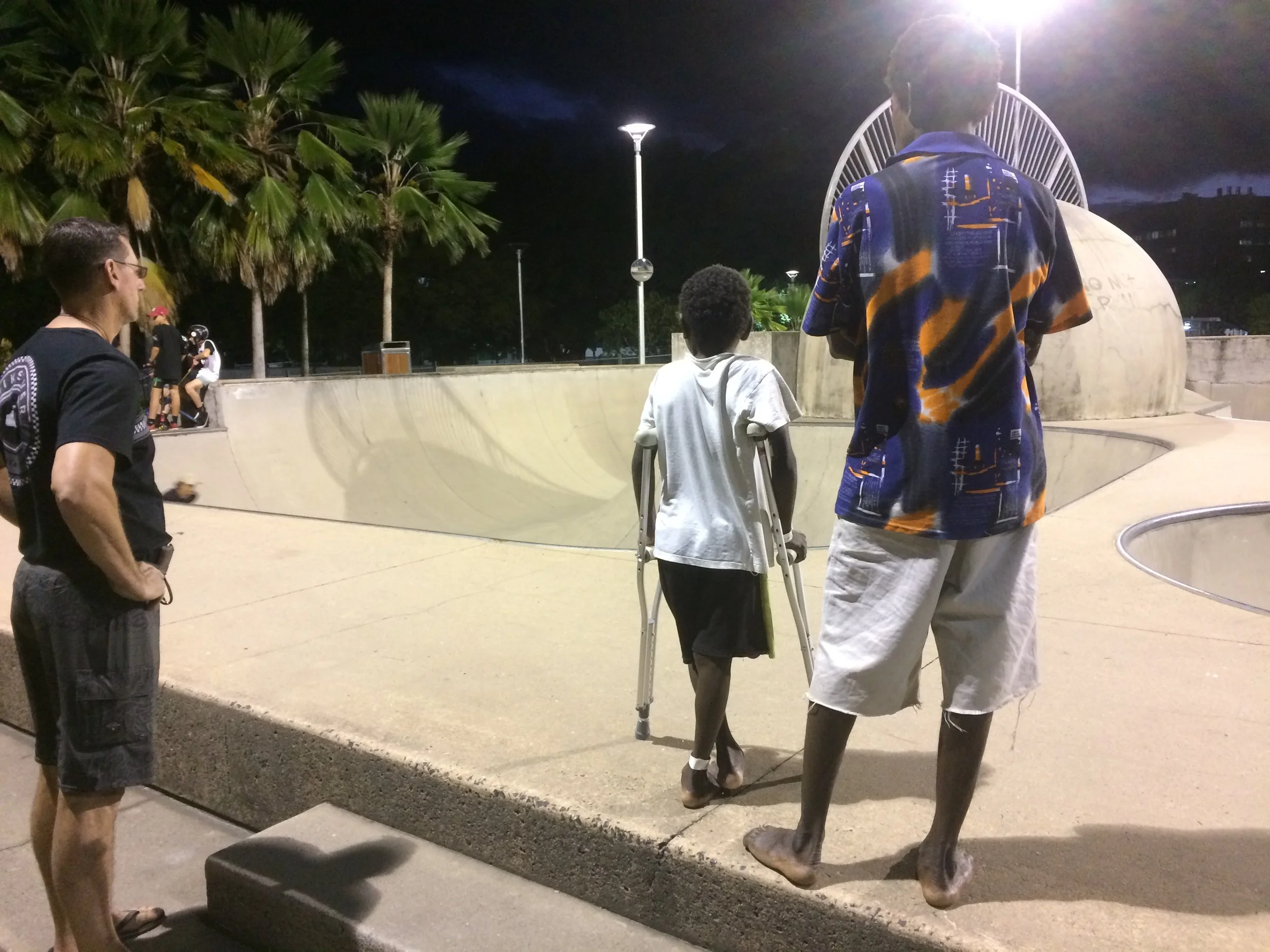
An evening walk on the esplanade in Cairns.
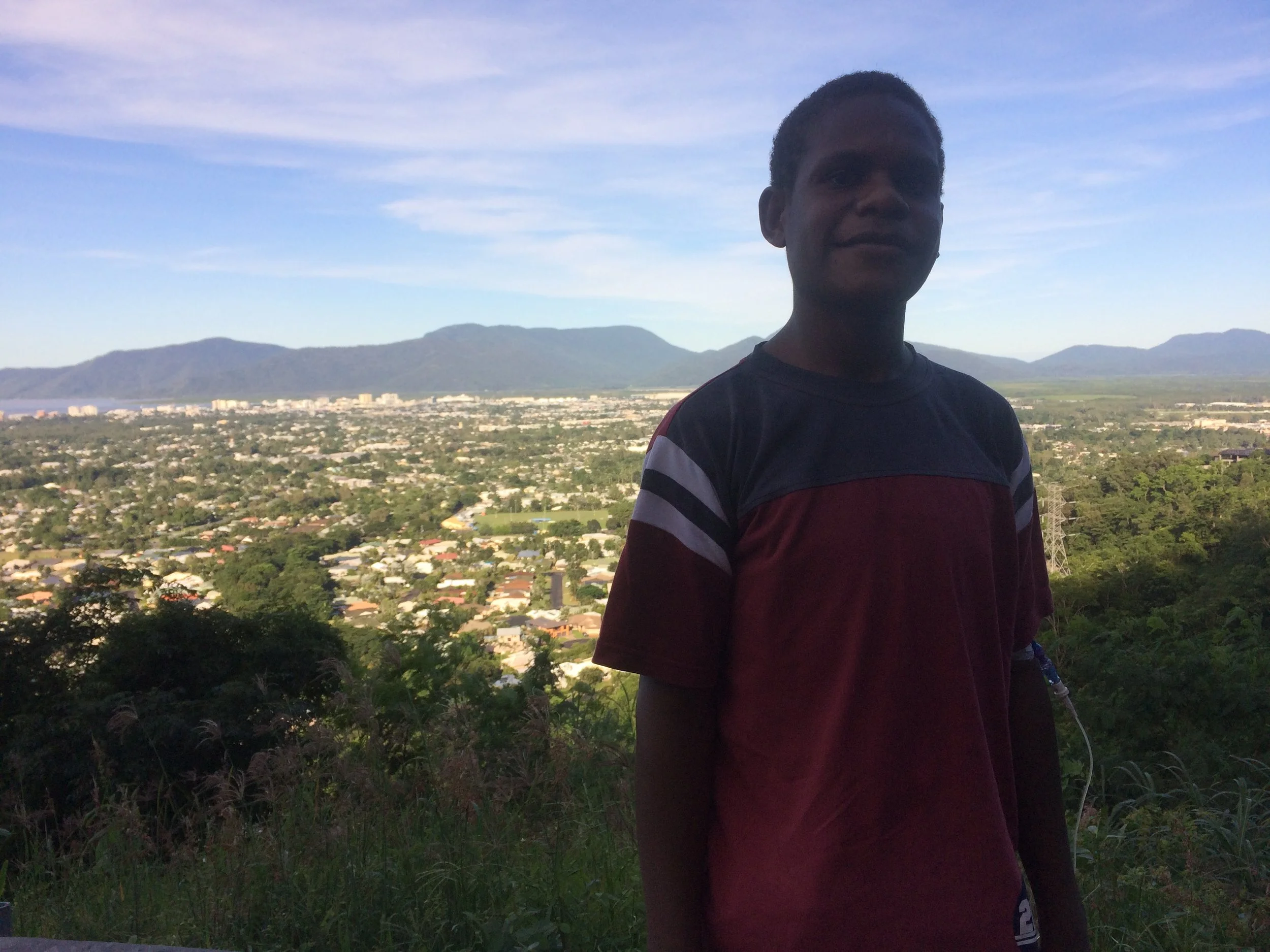
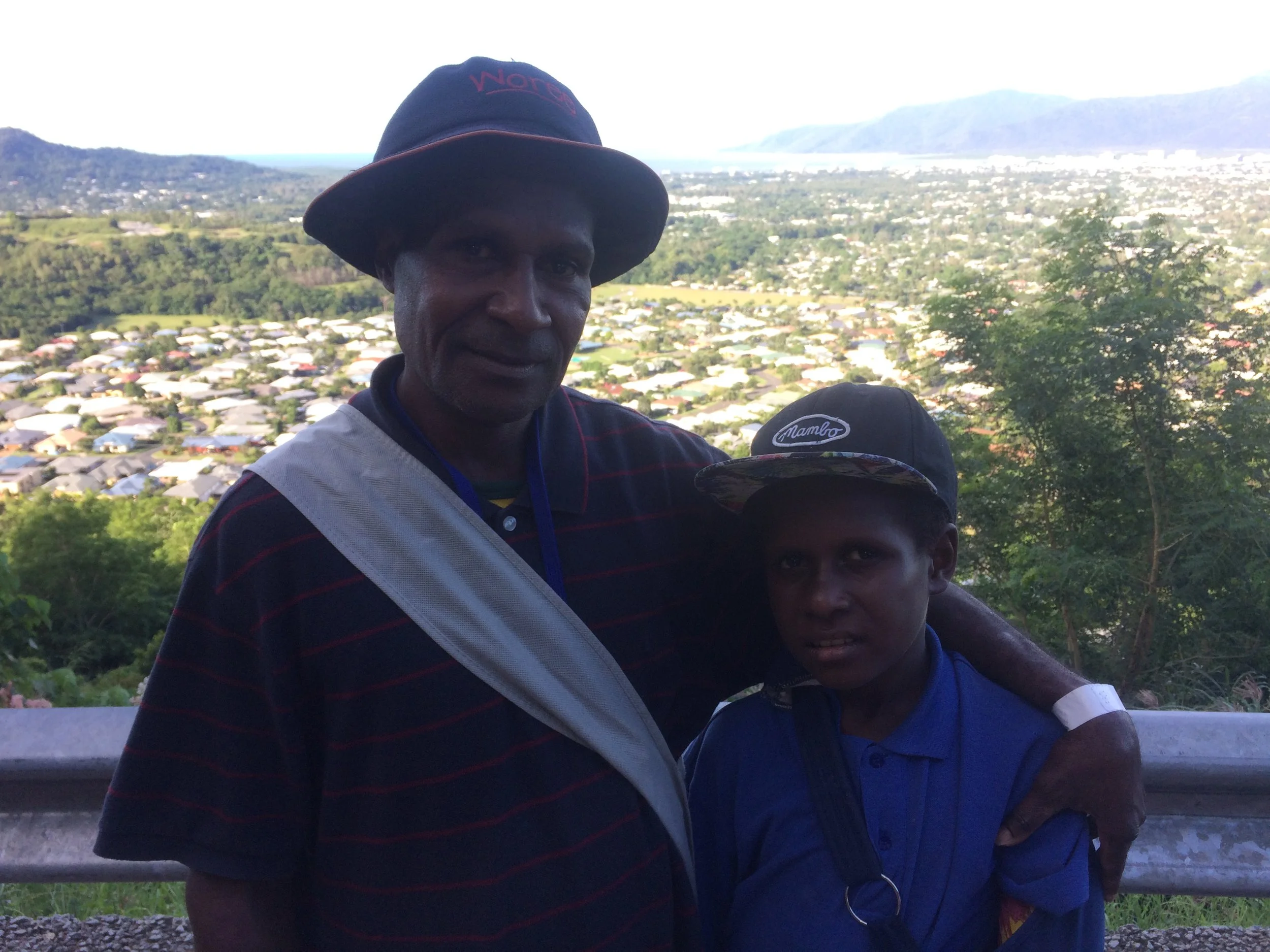
Taking a drive to the lookout to see the view of where we live.
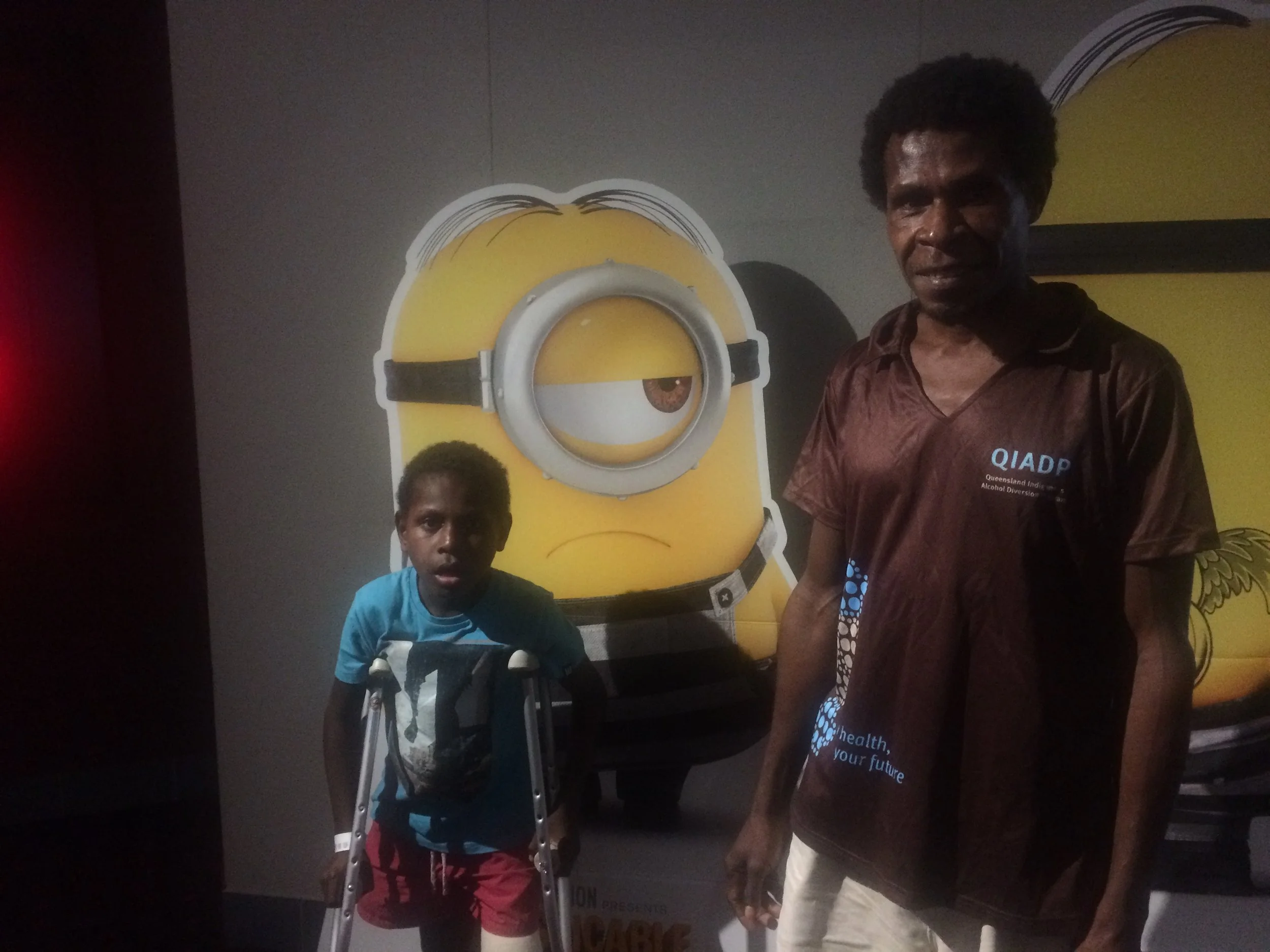
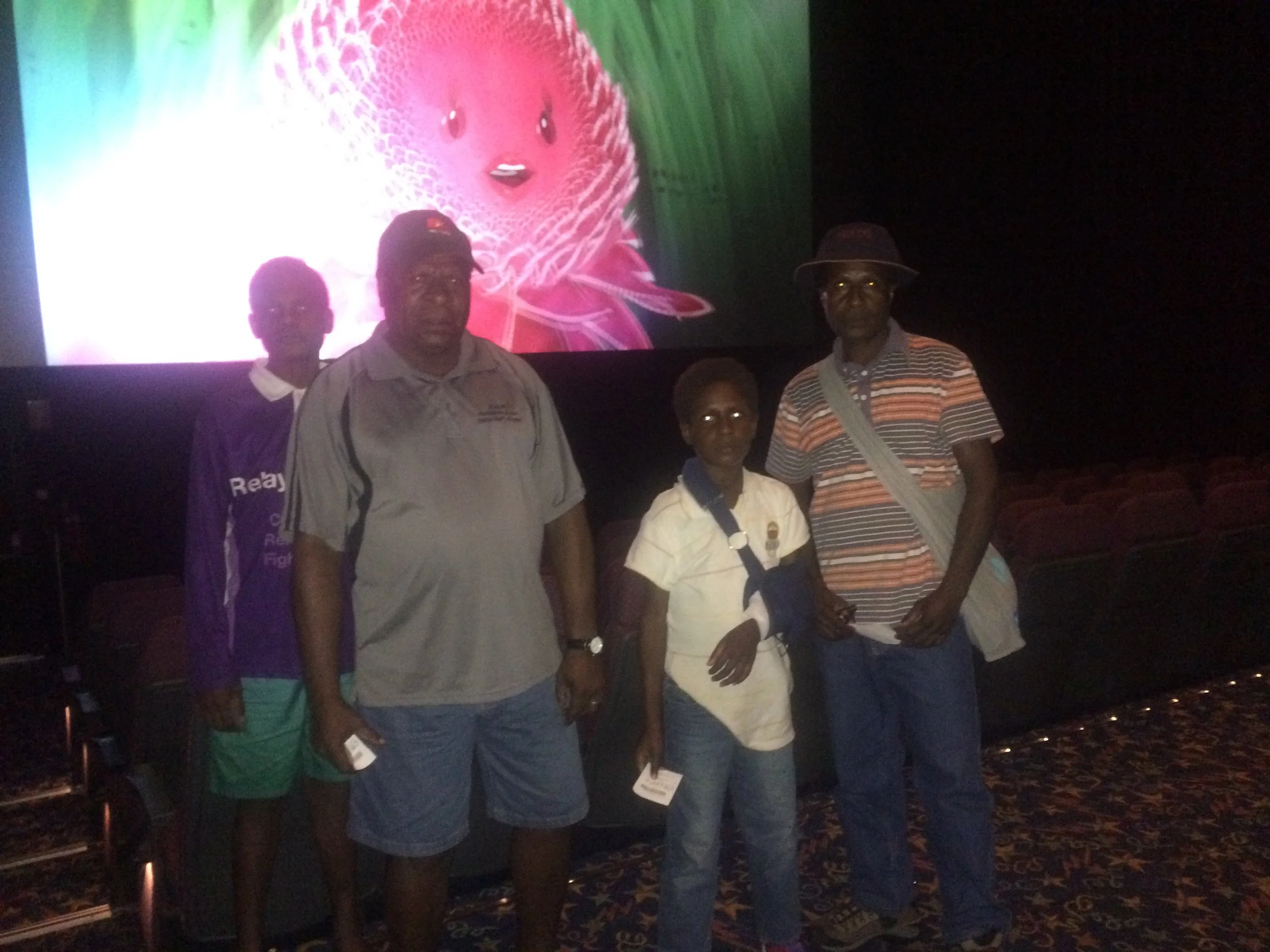
An afternoon at the cinema.
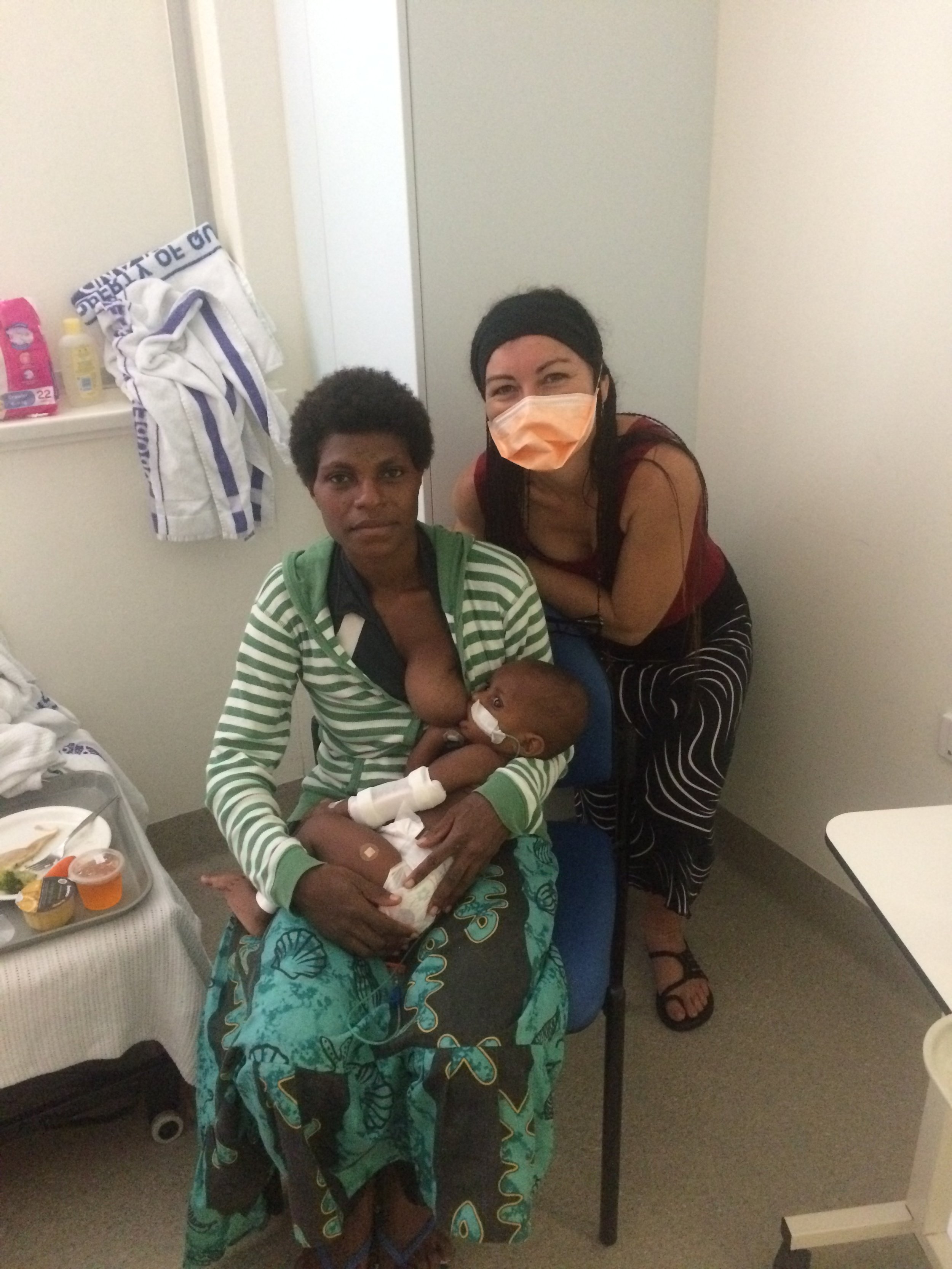
Supporting a mother and her baby who was very unwell with an infection.
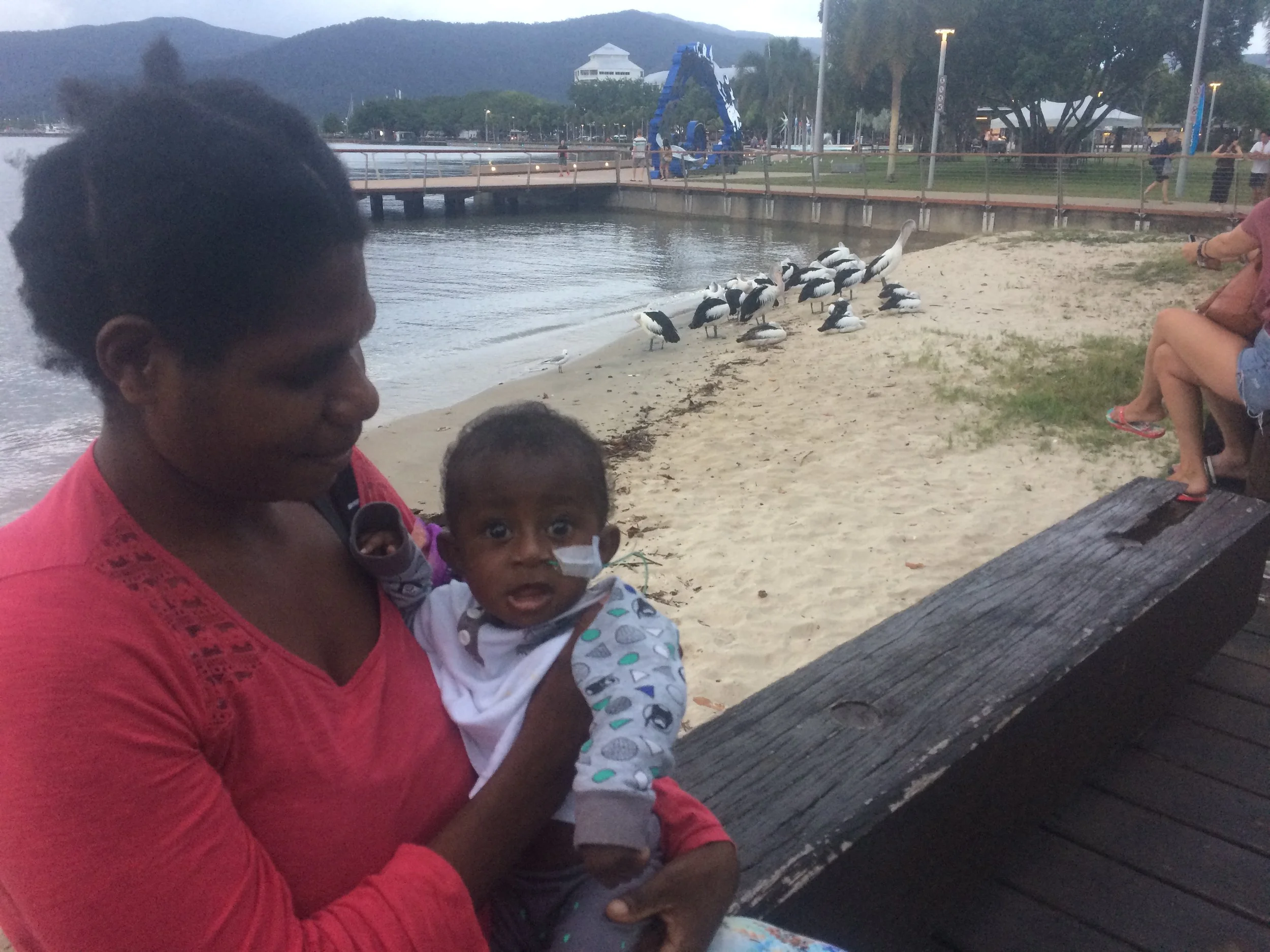
Spending some time enjoying some sunshine after weeks in the hospital.
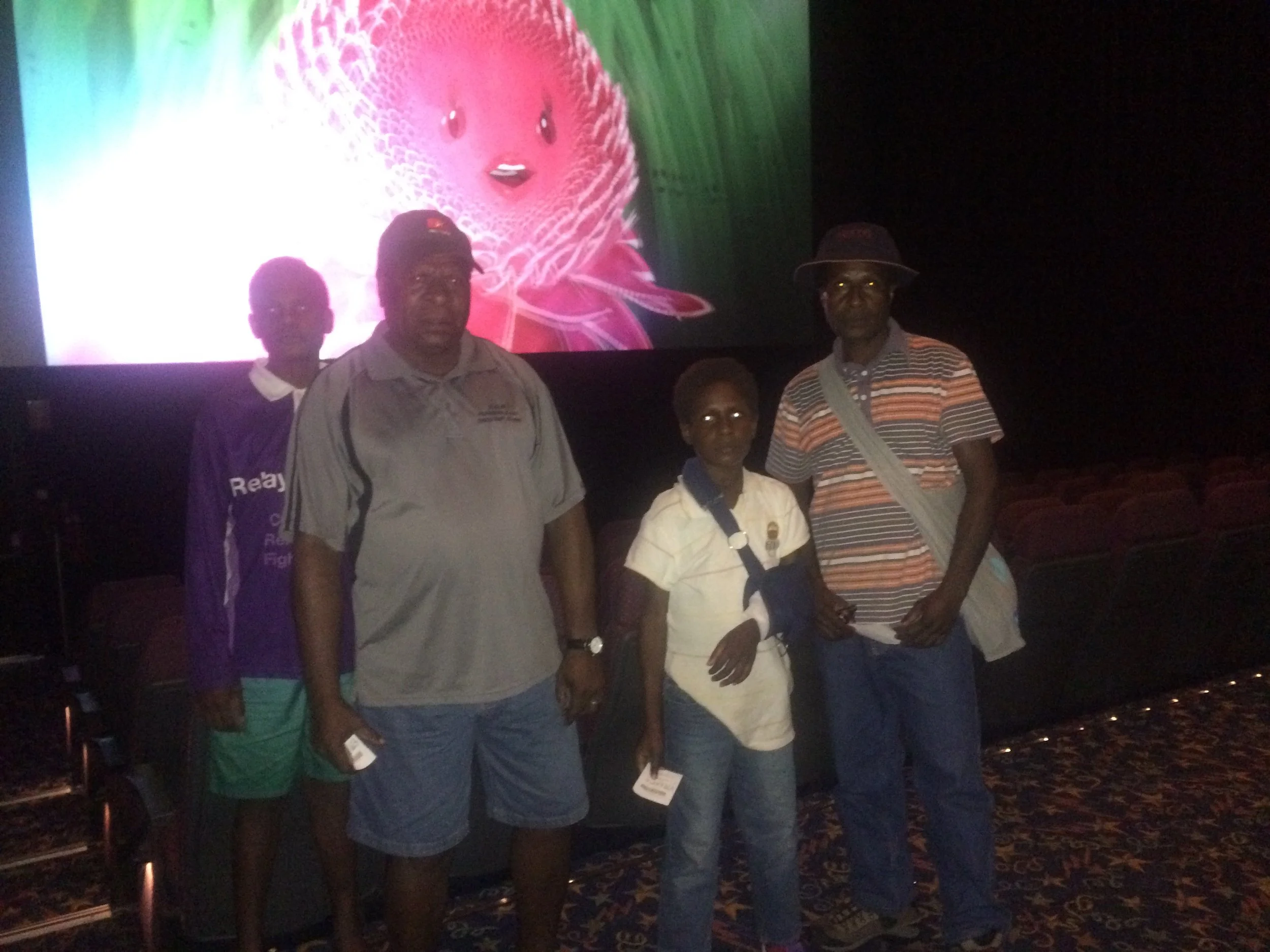
An afternoon at the movies for these two boys and their fathers.
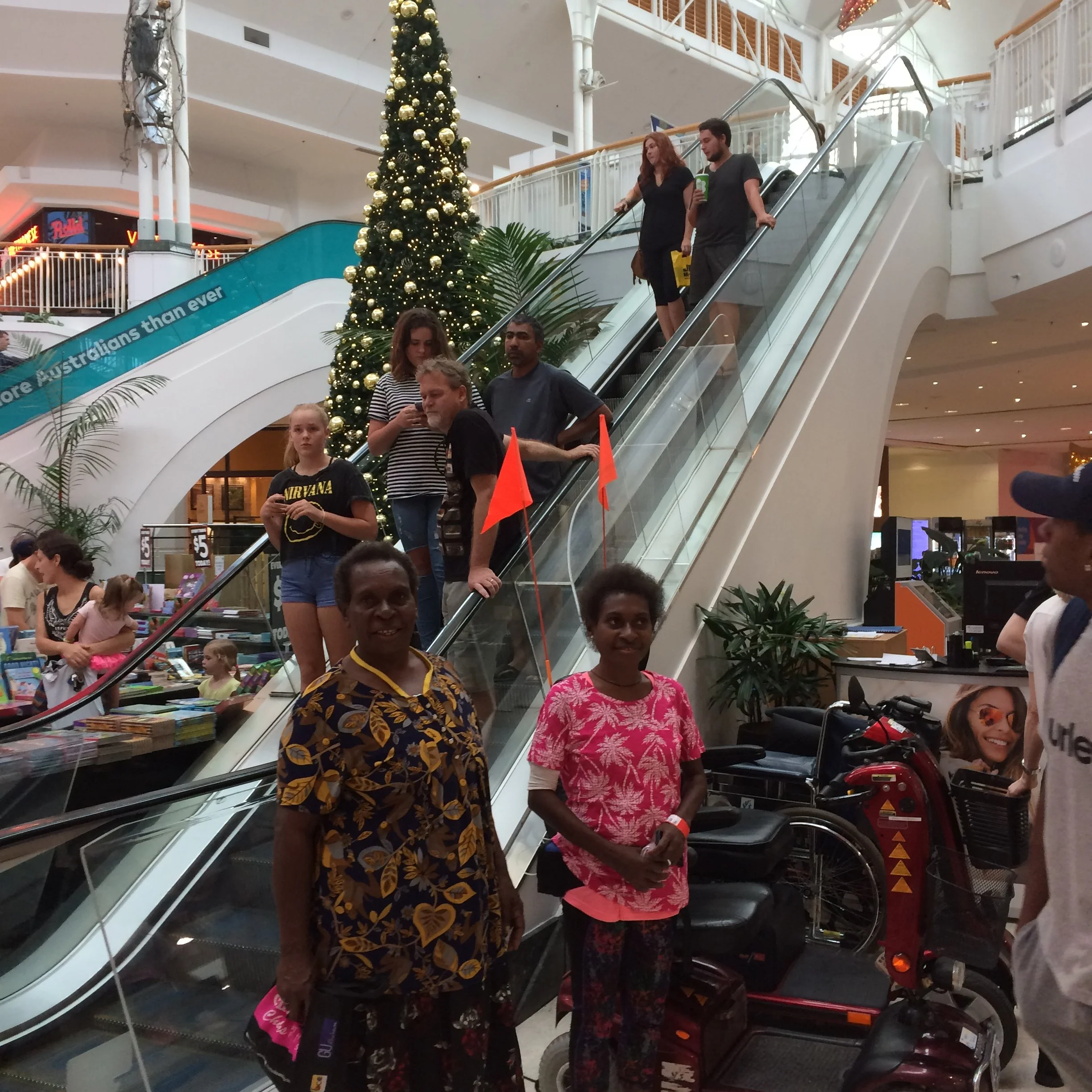
The escalators in the Cairns shopping centre are an unusual novelty for first time visitors.
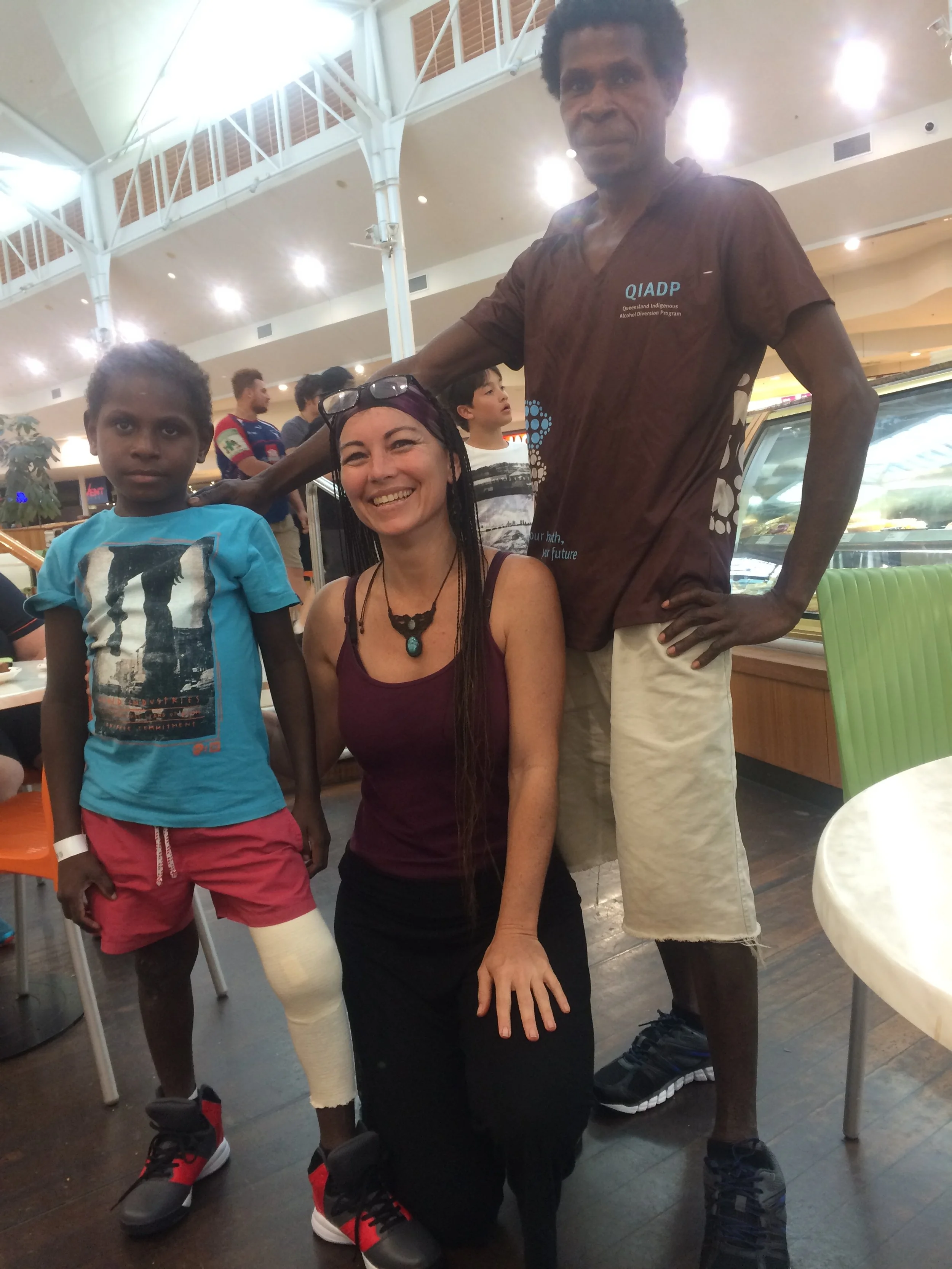
Some new shoes for this young boy and his Dad.
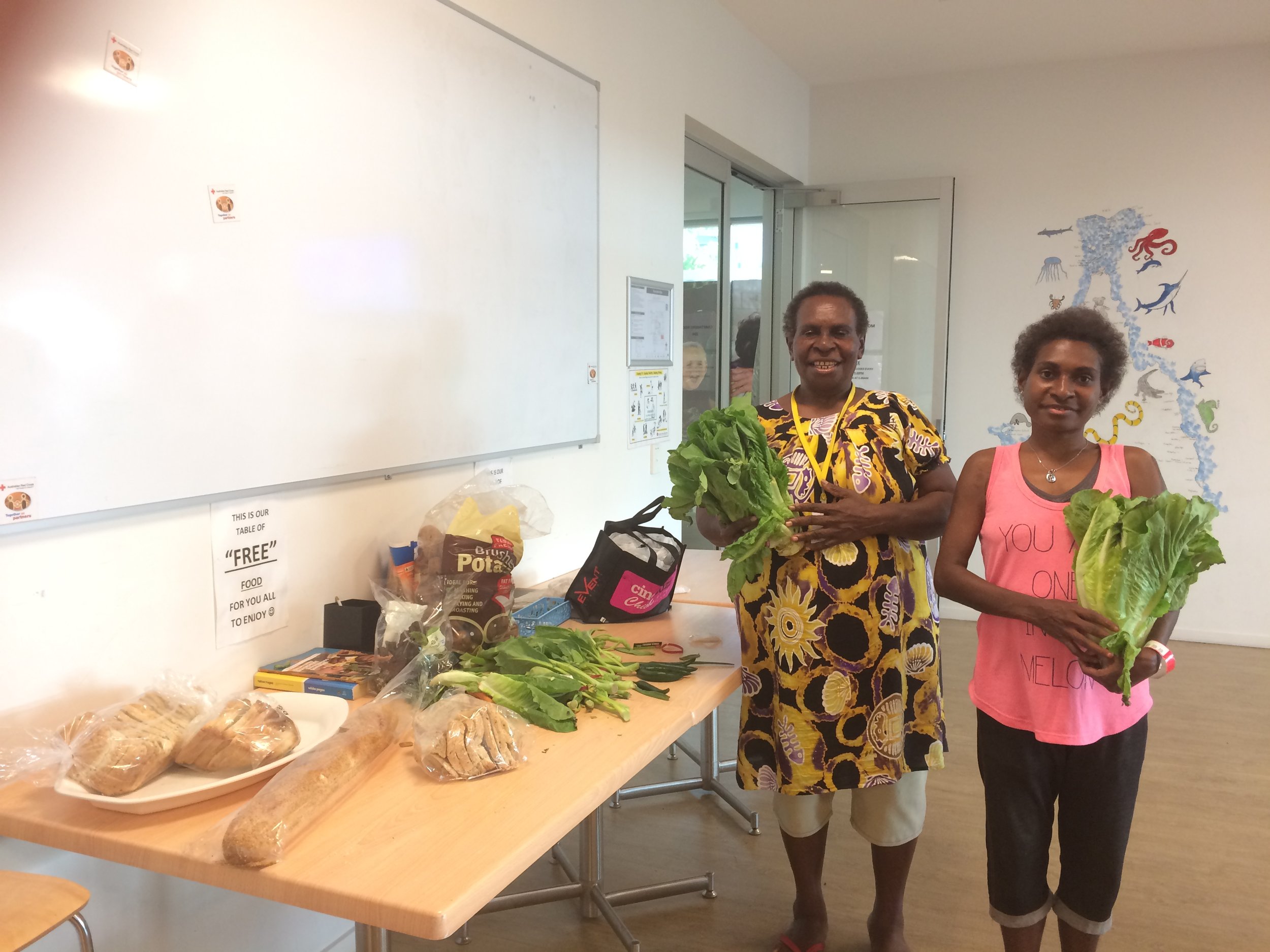
Delivery of some fresh garden greens!
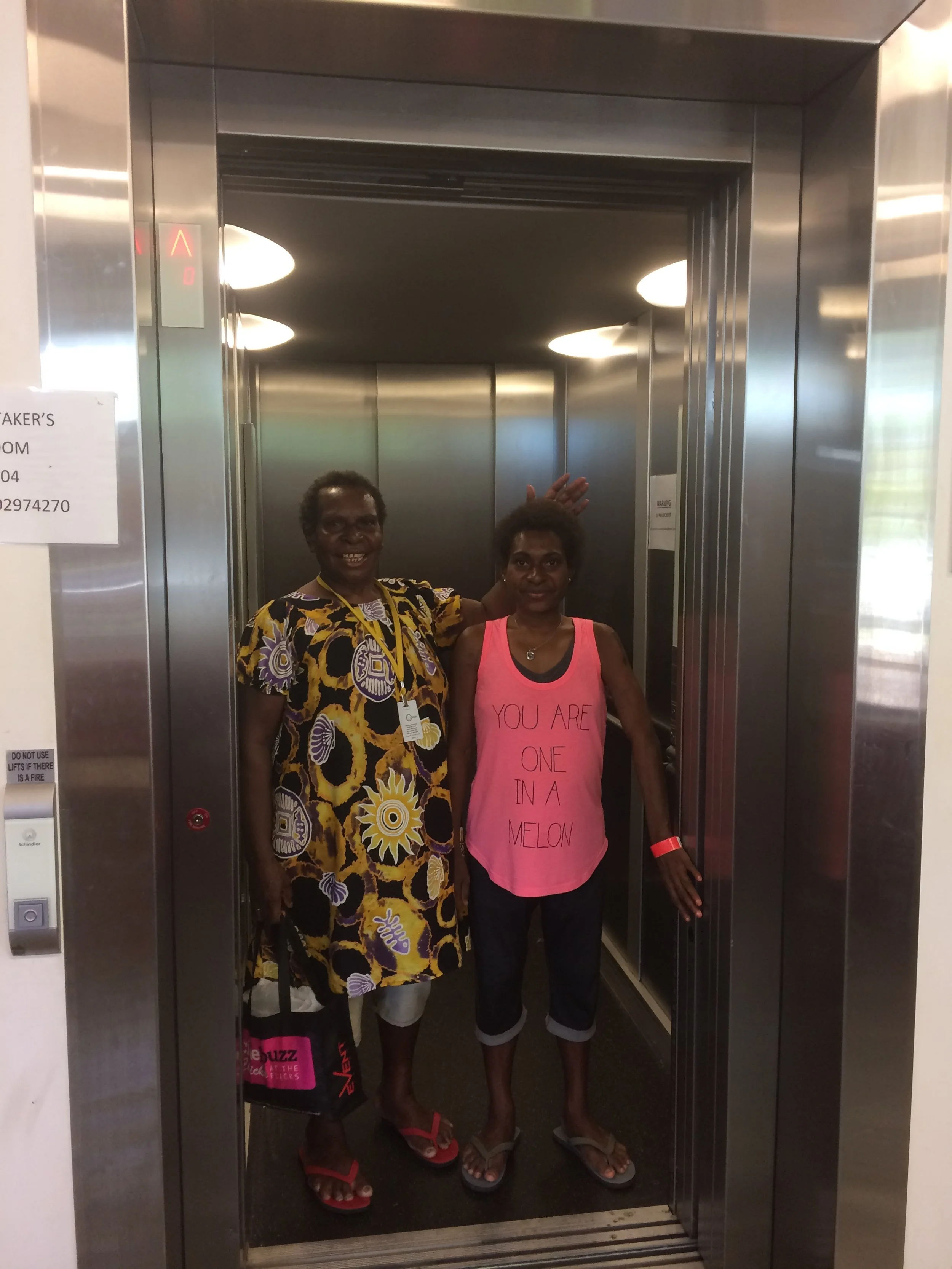
Teaching patients how to use the elevators in the hospital.
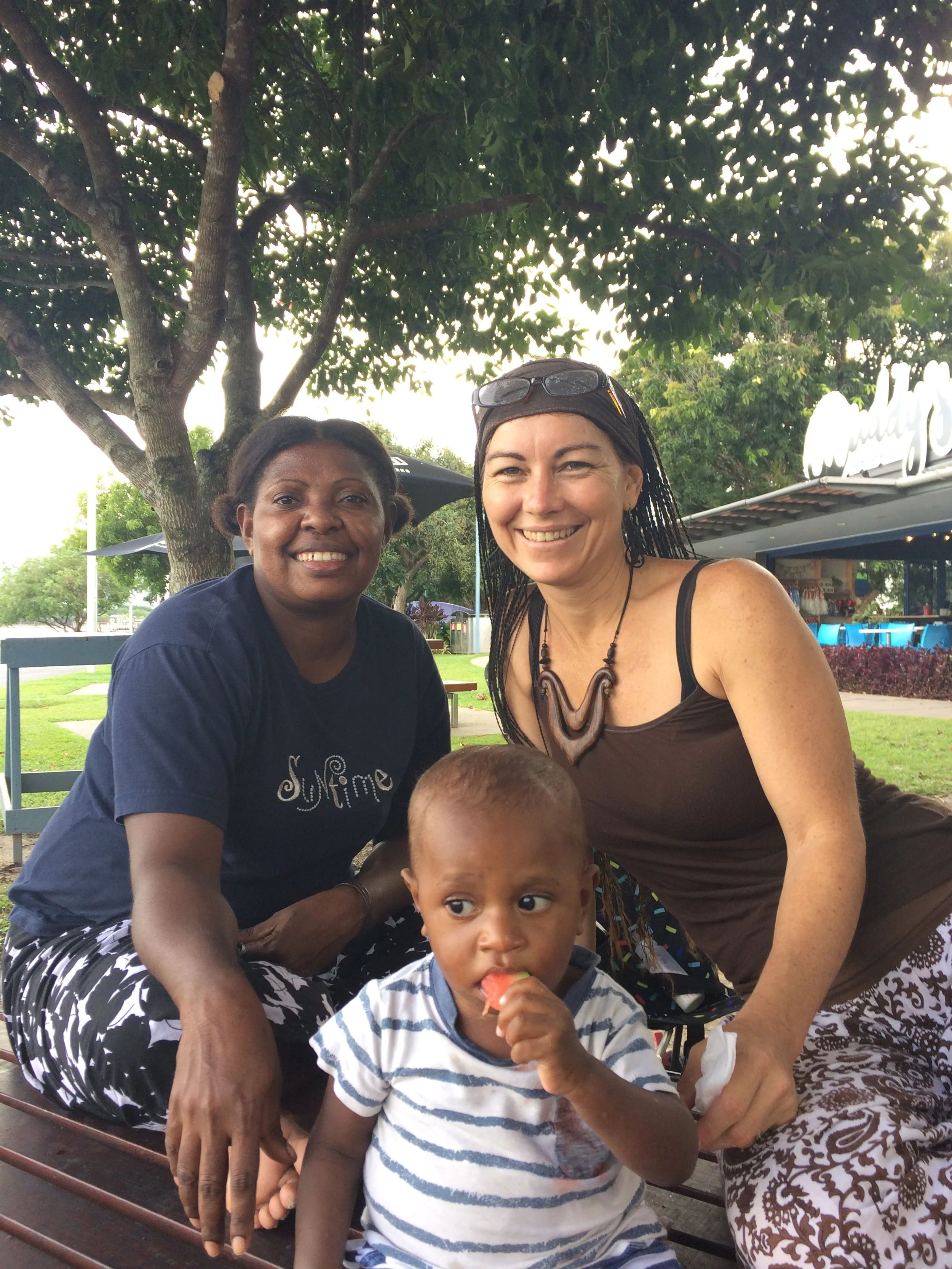
An afternoon relaxing in the sun and some much-needed time outside after many weeks in the hospital.
Checking out one of our beautiful Creeks.
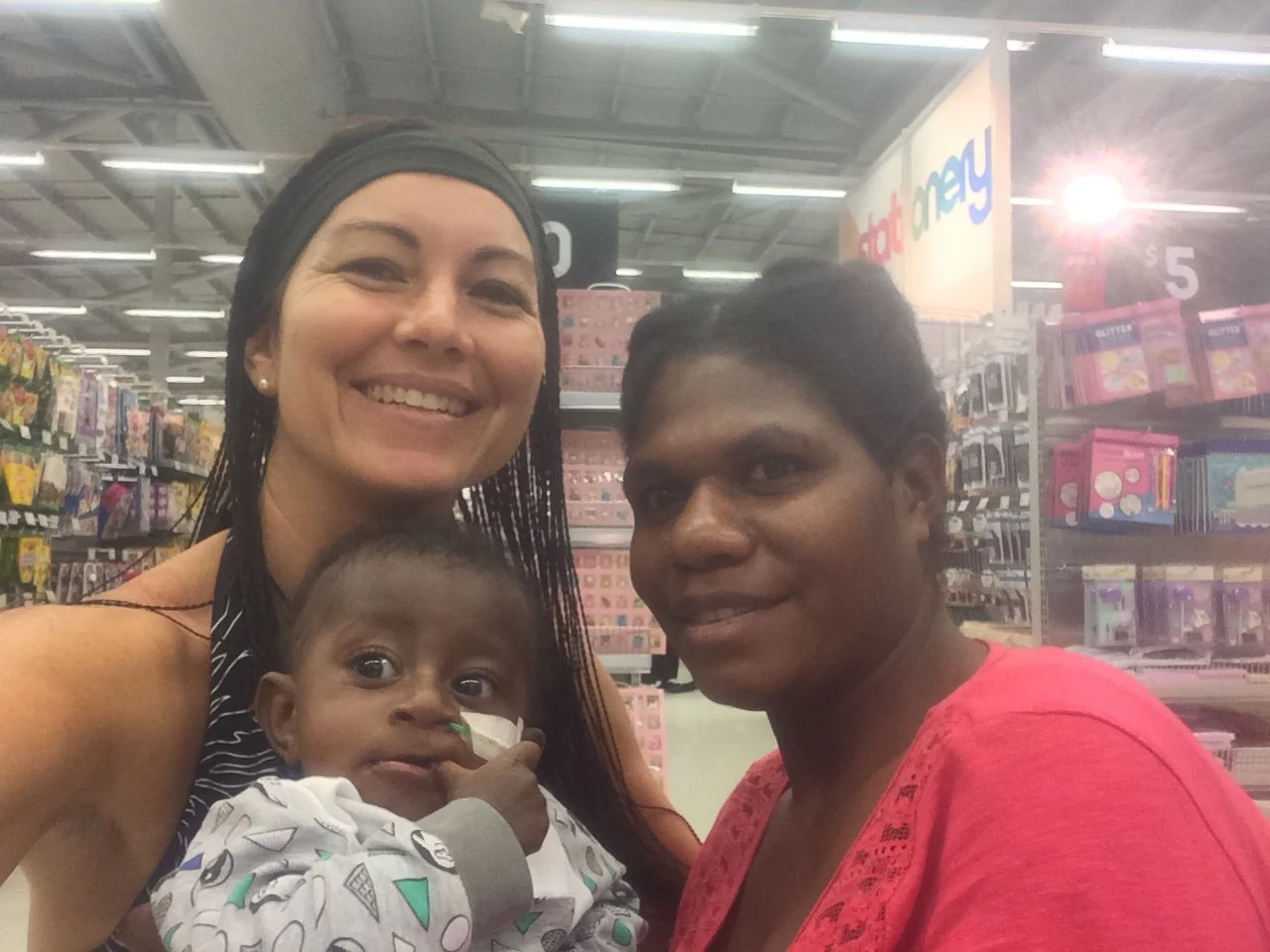
Spending some time out of the hospital on a rainy Cairns day!
Providing Essential Support
When PNG nationals arrive in Queensland hospitals for life-threatening medical conditions, they often come with nothing but the clothes on their backs. Often they’ve walked long distances in treacherous conditions to reach help and access transport to Australia, sometimes not even having the chance to say goodbye to loved ones before journeying overseas. Many spend extended periods - sometimes up to 18 months - in Far North Queensland for treatment. During this time, they are frequently discharged as outpatients and accommodated near the hospital, where they must navigate an entirely foreign way of life.
Supply of Goods
To support PNG visitors during their stay, we provide clothing, toiletries, shoes, and other necessities to help them feel more comfortable. For children, we offer toys and games to keep them engaged, while adults receive craft materials to help pass the time. We also supply baby care products, breast pumps, and essential equipment when needed, ensuring that mothers and their babies have the support they require. These small but vital contributions bring comfort, dignity, and a sense of care to those facing long and often difficult hospital stays.
Teaching
Adjusting to life in a modern hospital and city environment can be overwhelming. We provide gentle guidance and practical support in learning everyday skills that we often take for granted. This includes using an elevator, crossing a road safely, flushing toilets, operating ovens and microwaves, and reading a clock to keep track of appointment times after being discharged as an outpatient. By helping them navigate these unfamiliar experiences, we aim to reduce anxiety, restore confidence, and create a more comfortable healing environment—both physically and emotionally.
Transport
We assist with mobility and transport needs, this includes accompanying patients outside the hospital where they can spend time in a more relaxed environment, as well as providing transport to the airport and guiding them through check-in and security procedures. We stay with them until they board their flight, offering reassurance and support every step of the way. Our health department organise flights but they need support to coordinate flight changes from Horn Island to the nearest island closest to their village, and arrange for a boat transfer back to PNG.
Companionship
Sitting with them and spending time as they are usually so frightened and lonely having no one here to visit them. We try to source materials they can weave with or familiar activities for them to do. Providing companionship on outings to reduce isolation is appreciated, especially for those who have spent weeks or months in hospital rooms.
Support
We provide culturally sensitive emotional support, helping patients understand the choices they need to make regarding their care. Bridging communication gaps, we find or call someone from their village who can interpret for them, ensuring they fully comprehend their treatment options and feel empowered in their decision-making.
Safety
Ensuring the safety and wellbeing of PNG patients during their time in Australia is a crucial part of our support. Coming from a country with different laws and cultural norms, many patients are unfamiliar with the legal expectations here, which can put them at risk, especially when here for extended periods of time.
Supporting a mother’s lonely journey home
In a quiet village nestled deep in the Western Province of Papua New Guinea, a young mother was pregnant with twins. Her days were filled with the joy of anticipation—until one tragic moment changed everything. As she climbed the steep stairs to her stilted home, she fell from a great height. In the weeks that followed, her condition worsened. With limited access to healthcare, her family did all they could. Eventually, they managed to get her to one of the outer islands of the Torres Strait, hoping for help.
There, a heartbeat was found. Just one. It was enough to give hope. She was flown to Cairns Hospital in critical condition.
Doctors moved quickly, but heartbreak followed. Both babies had passed. Her womb was severely infected, and she faced a long road to recovery. As she began to heal physically, we turned to the deeper work—supporting her heart, her spirit, her grief.
With the help of a woman from her neighboring village, we were able to navigate the sacred cultural protocols that surrounded death and loss and nourish her with healing foods brought daily. It was vital that this mother return to her land and her people with her babies, so they could be buried with dignity and respect. But there were obstacles. The hospital didn’t have the means to help. Expensive funeral homes weren’t an option. The family had no money. And transporting her babies home across borders was a complex and sensitive matter.
That’s when a community of hearts came together. Social workers advocated fiercely. Hospital management wrote letters. Cairns Airport made quiet, powerful exceptions. Private security escorted her. A peaceful, private room was prepared for her wait.
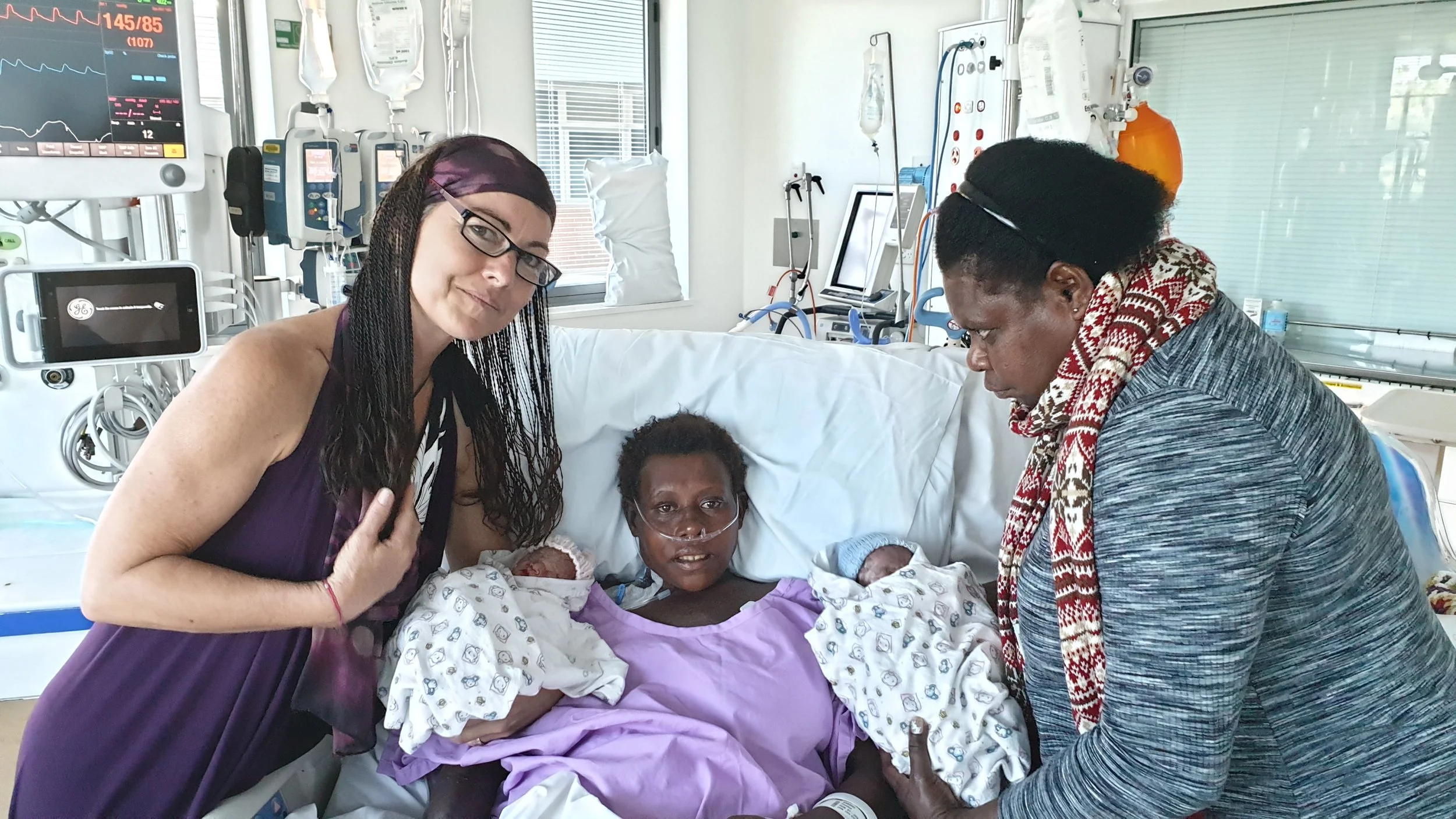
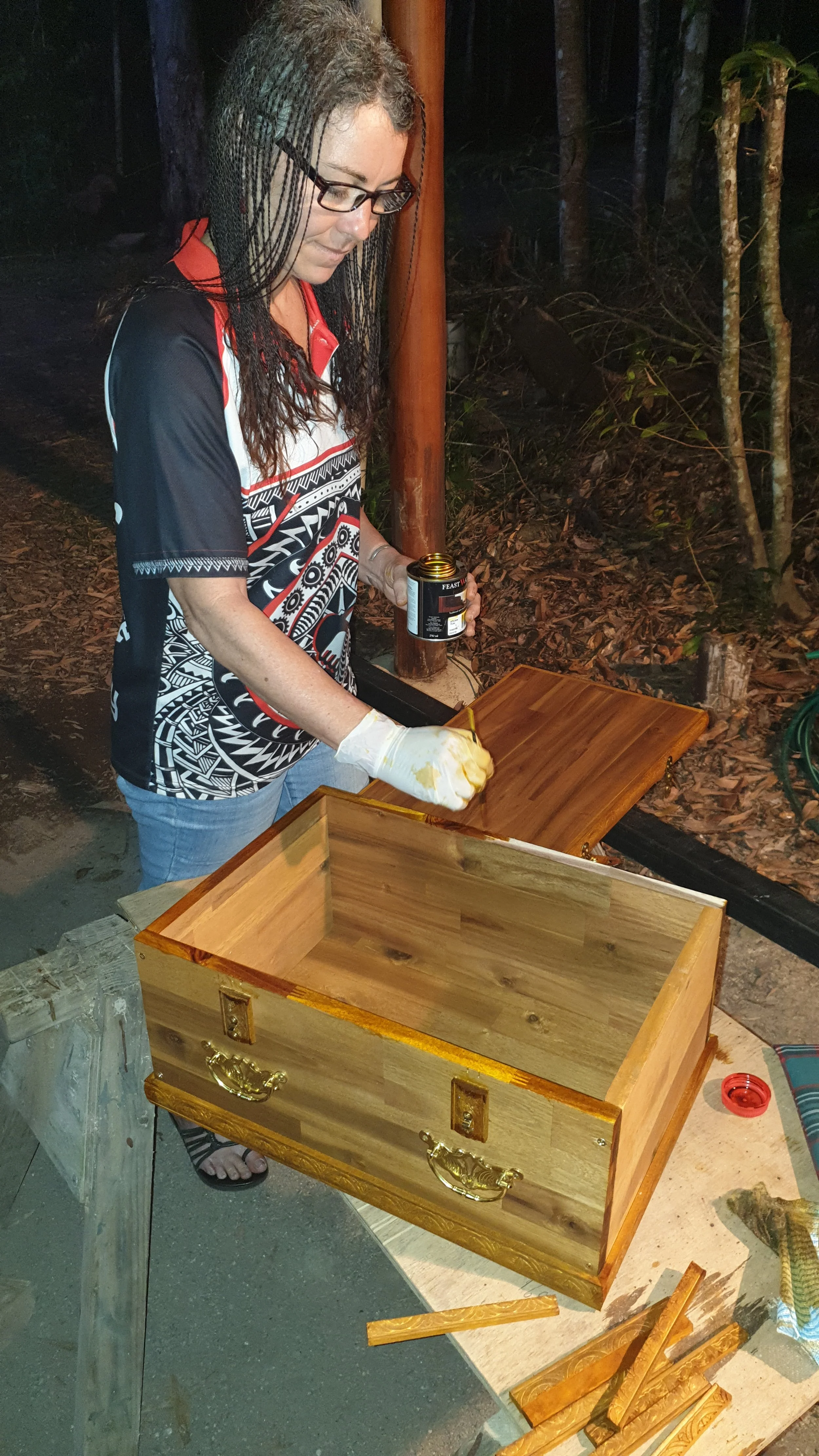
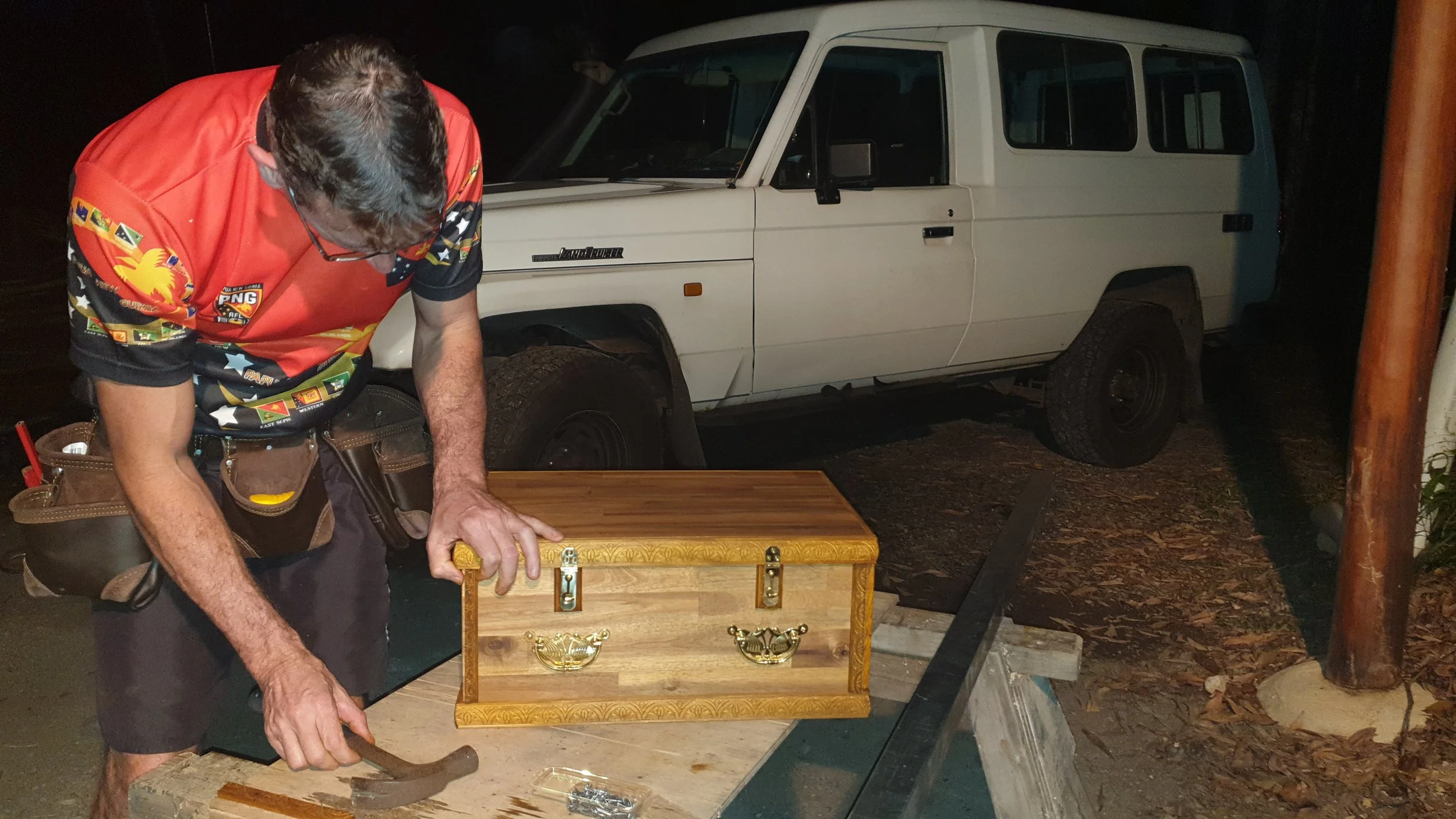
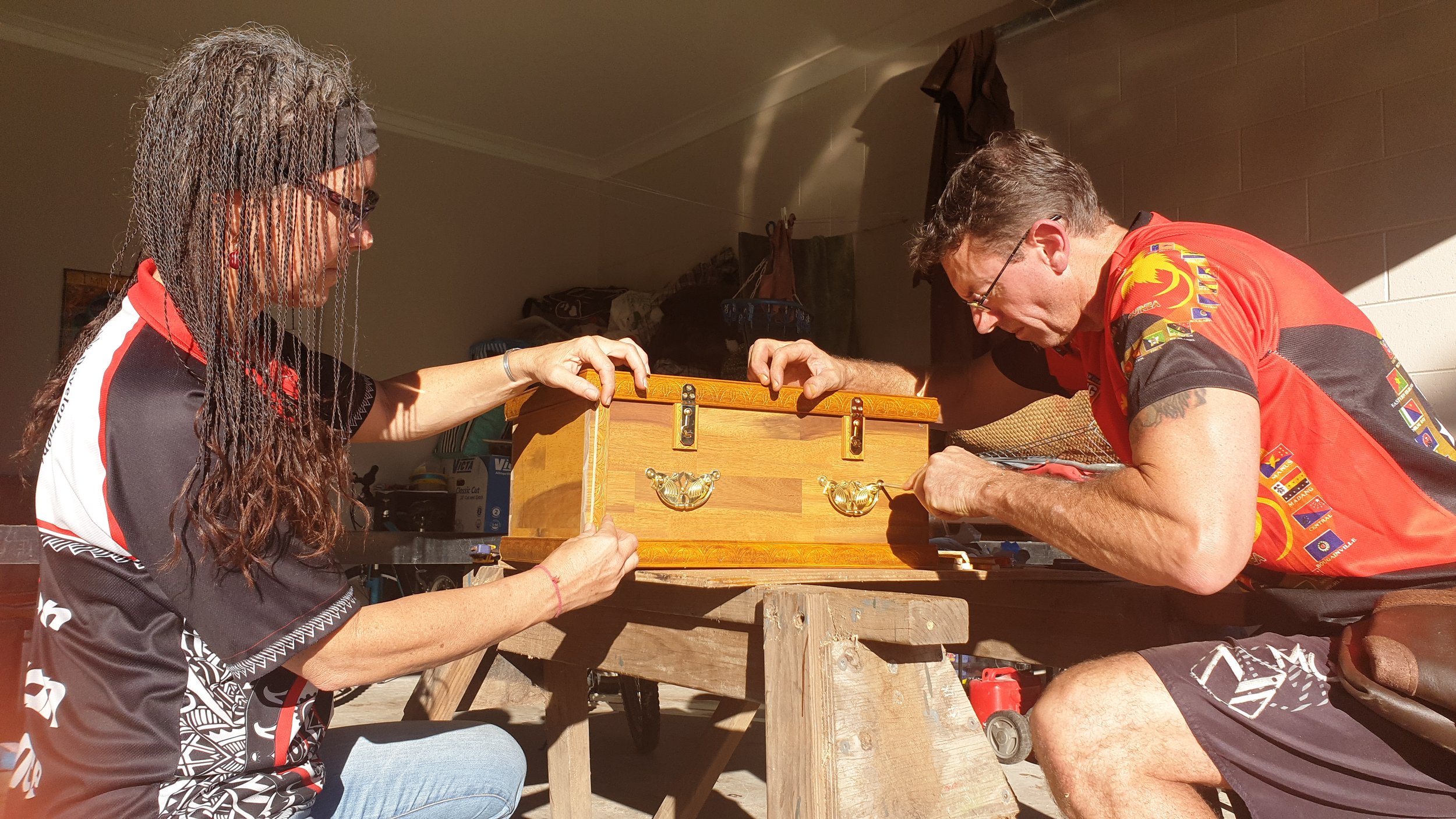
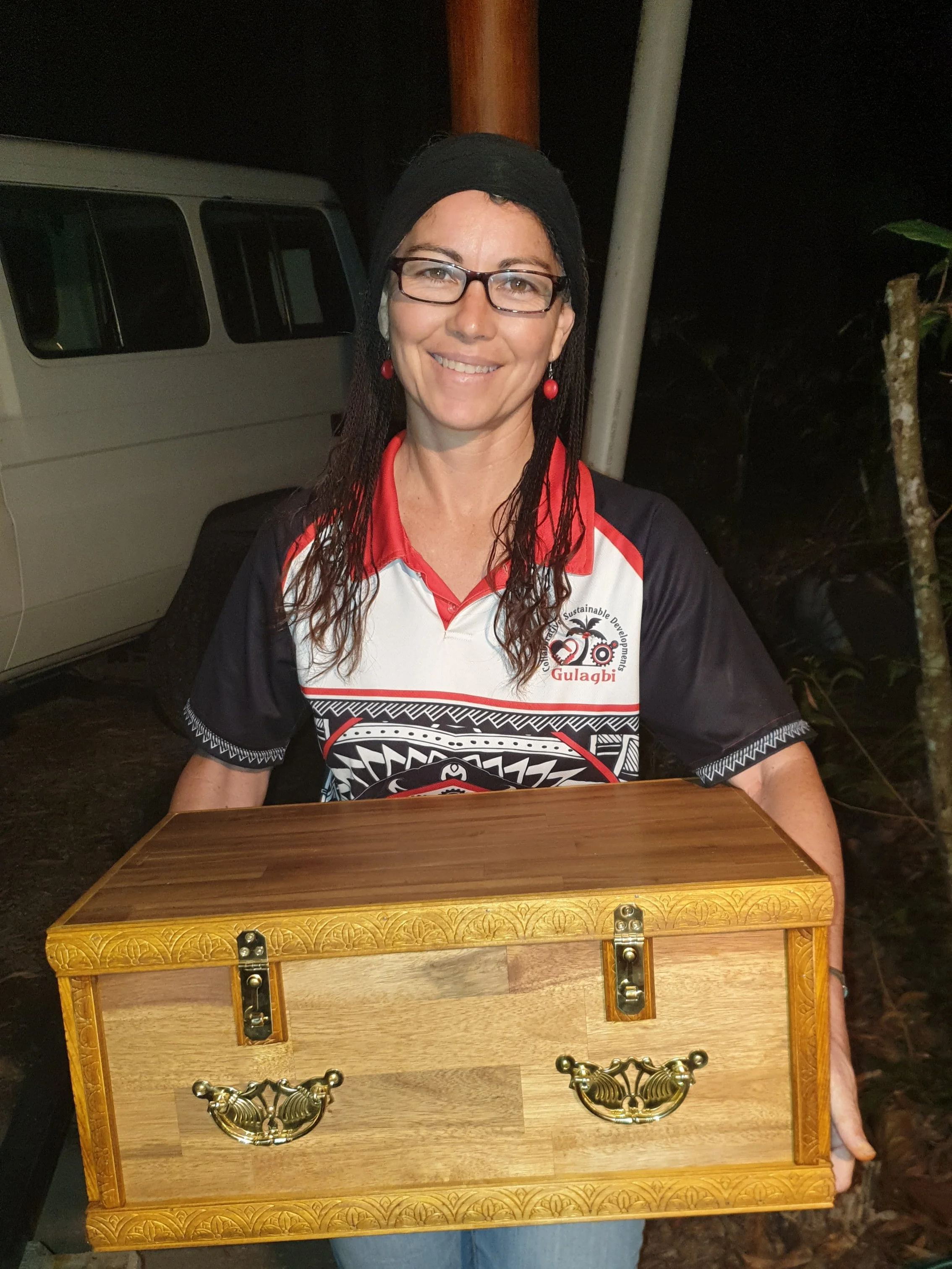
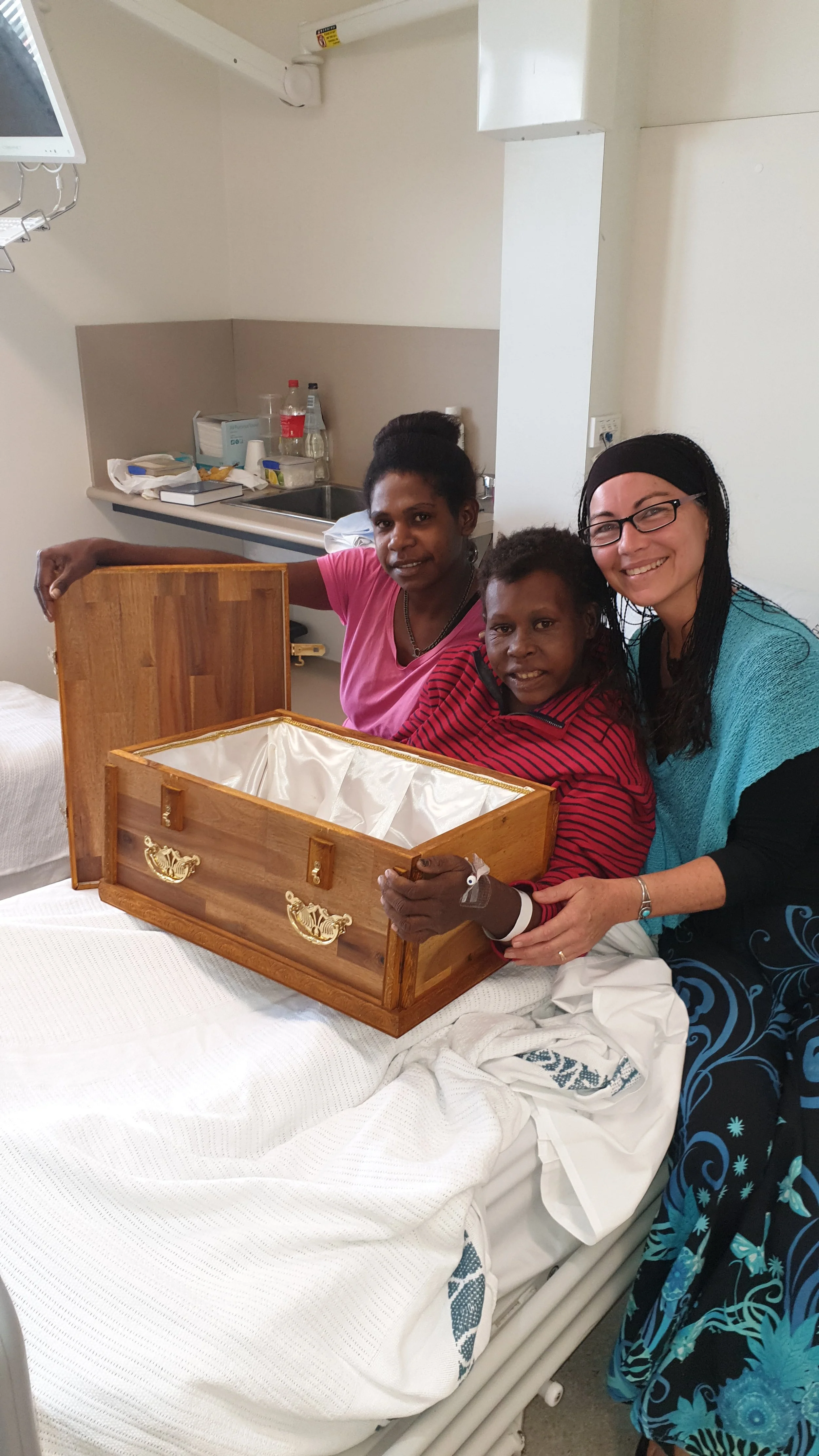
But still—what would the babies travel in? A cardboard box was all that was offered. My husband and I couldn’t let that be their final cradle. We built a small coffin with our own hands, something that could hold them gently, with love, on their journey home.
She left Cairns with strength, silence, and sorrow. But she also left with her babies held close, her culture respected, and her heart supported.
Why We Need You
This story is just one of many. In places where healthcare access is a world away, and where protocols often fail to account for culture, dignity, and care—Gulagbi steps in.
We do it with respect. With heart. And with the belief that every woman and every child matters.
Your donation helps us support women like this mother, helps us navigate the complexities that stand in the way of care, and helps ensure no one ever has to face this journey alone.
A father and hunter faces life after amputation
In the village of Sigabaduru, a young father and skilled hunter was doing what many do to care for their family—cutting grass around his home to keep the area safe and clean. But danger was hiding in the undergrowth. A venomous snake struck, sinking its fangs into his leg.
He tried to crawl home, but the pain overwhelmed him. His cries echoed through the village until help arrived. Neighbours rushed to his side, using traditional remedies and acting fast to get him to Saibai Island in the Torres Strait. From there, he was urgently flown to Cairns Hospital.
By the time he arrived, he had lost consciousness.
With no emergency contact, no family member by his side, and no one to speak his language—the medical team had no choice but to act quickly. They made the devastating decision to amputate his leg to save his life.
I arrived just as he came out of surgery. I was there when he opened his eyes. And I was there when the doctors gently told him: his leg was gone.
It was heart-wrenching. Not only had he lost a part of himself—but also his livelihood, his ability to hunt, fish, and provide for his family and village. The grief and shock were immense.
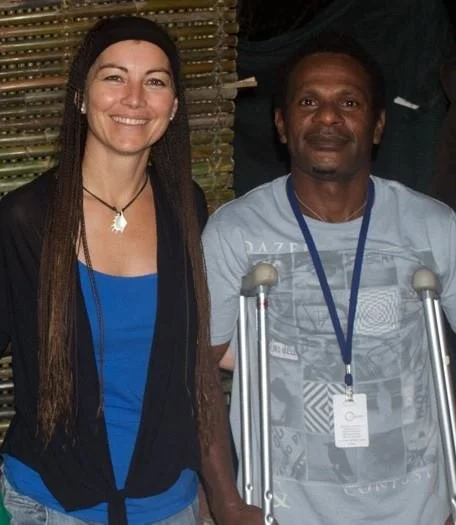
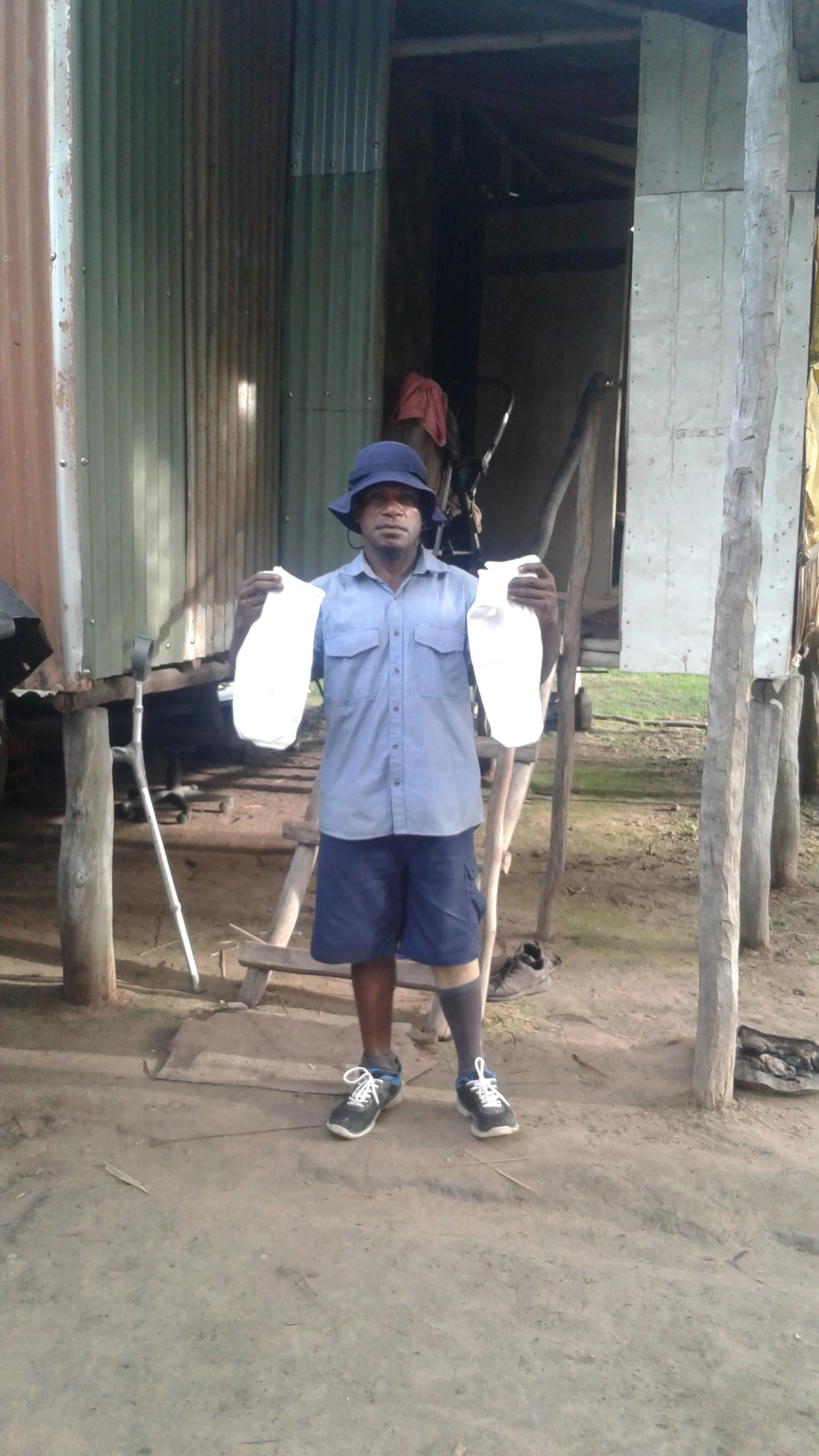
We immediately began advocating to fly in a family member—someone who could interpret, offer cultural and emotional support, and help him begin the long path to healing. Over the months that followed, he faced recovery and learned to walk again with a prosthetic leg.
We provided clothes, food, day outings to get out of the hospital. Time in nature, small things to help keep his mind and spirit strong. He met incredible people along the way—people who gave their time, skills, and hearts.
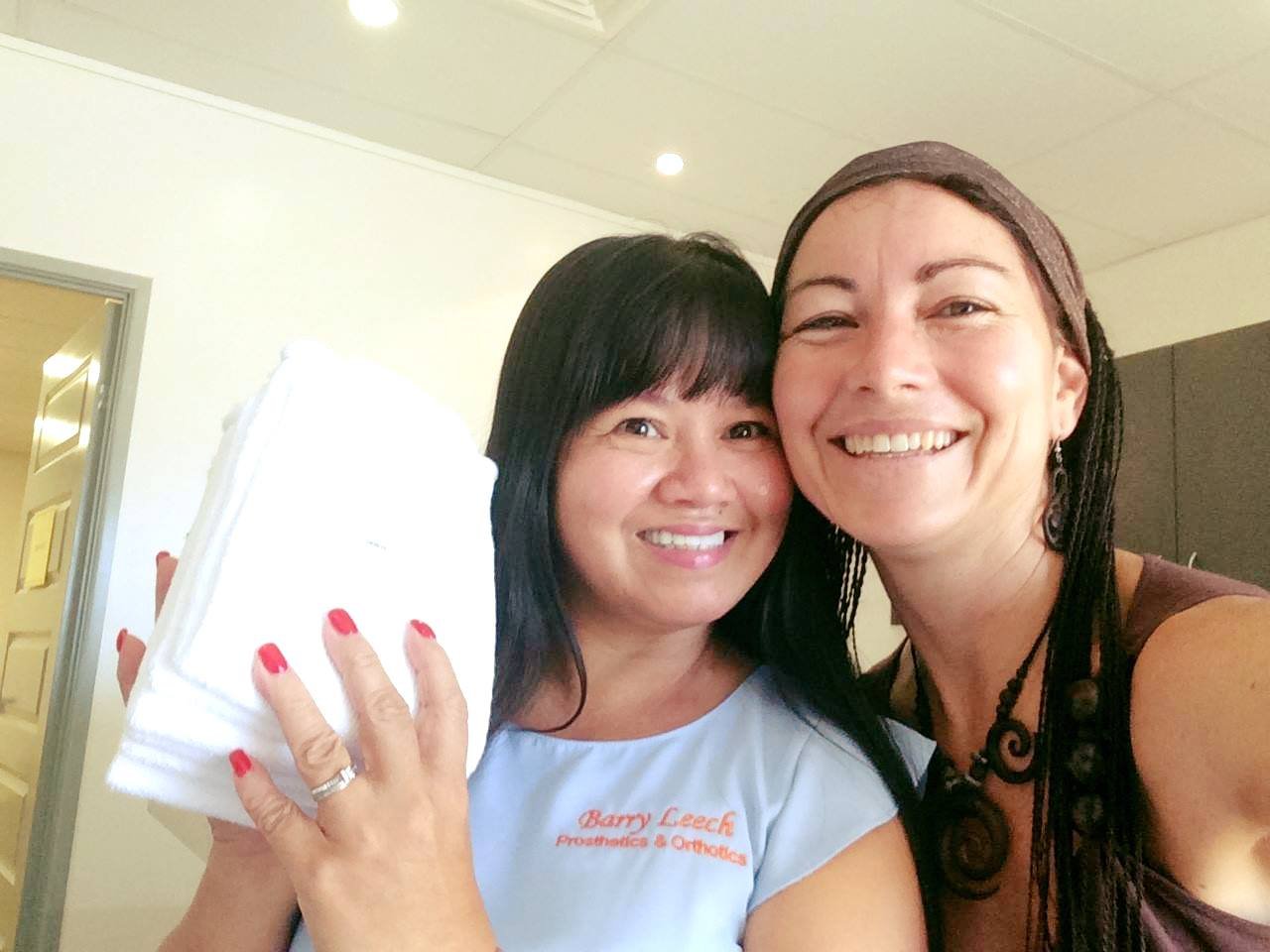
We’d like to send our deepest gratitude to Barry Leech Prosthetics & Orthotics and QALS – Queensland Amputee Limb Service for partnering with us in this journey. A special thankyou goes to May Eugenio and Samantha from Barry Leech Prosthetics & Orthotics for your kind, professional, and thoughtful care. Your compassion helped carry him forward. We truly could not have done this without you.
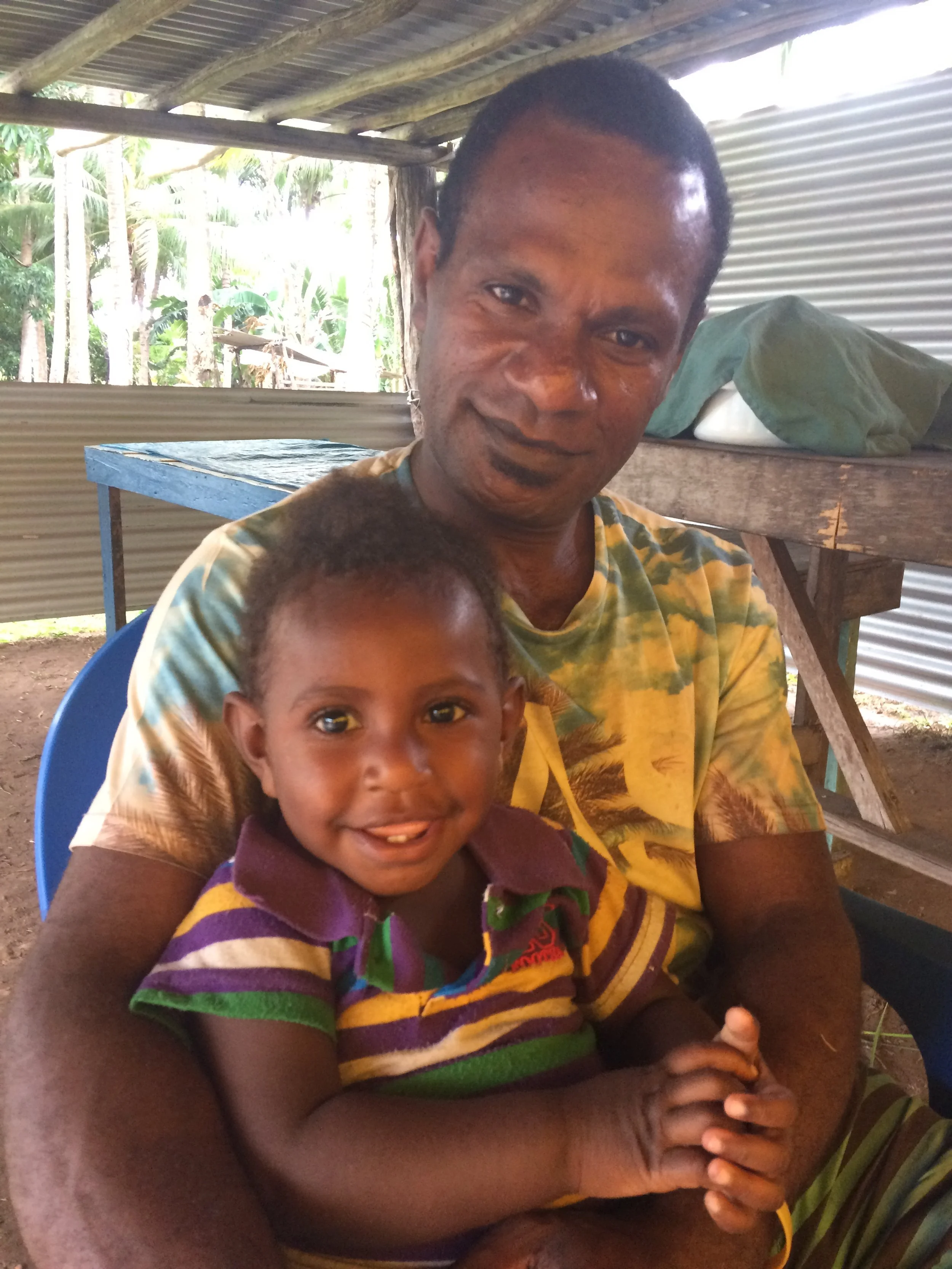
One of the most moving moments for me was sitting in the village with him when we went to visit the village and talking with Karawa, hearing his quiet strength and seeing the spark in his eyes as he held his son. Despite everything, he still smiles. There is deep joy in knowing he is still here—still able to love and watch his children grow. But it’s also deeply challenging. Life in the village is hard. And now, without the ability to provide for his family the way he once did, the mental and physical weight of his new reality is something he carries every day.
Together, We Walk Forward
At Gulagbi, we don’t just respond to emergencies—we walk alongside people in their darkest moments. We bridge the cultural, medical, and emotional gaps that so often leave people in remote regions feeling lost and alone.
Your support makes this possible. Your donation helps us respond quickly, advocate fiercely, and care deeply.
Let’s continue walking this journey—together.
A Father’s Devotion
In a village along one of the rivers in Papua New Guinea, a father and his young son were swimming at a creek, far from their village—a peaceful moment quickly shattered when a group of older boys pushed the child from a high rock. He fell hard. His arm was badly injured.
Realising how serious it was, the father acted without hesitation. He carried his son—on his shoulders—for two days, walking through thick bush and along rugged tracks to reach a coastal village. There, a boat driver agreed to take them to Boigu Island in the Torres Strait, where medical staff assessed the injury and arranged an emergency flight to Cairns Hospital.
There, doctors confirmed the severity of the injury. His son would need multiple surgeries and months of casting, healing, and rehabilitation.
Throughout it all, this father remained quietly strong. Devoted. Constant.
During their stay in Cairns, we were able to offer practical support: clean clothes, food, toiletries, and something even more important—joy. We took them on day trips to the beach, out to the movies, creeks, and shopping, helping them gather supplies for their return home.
But one detail stayed with me, one I couldn’t shake: there had been no communication with their family back in the village. No phones. No way to send word. For months, no one knew if they had survived the journey, or where they were. It wasn’t until the day they returned home—after many long weeks—that the boy’s mother and siblings saw them again.
I still think about what that waiting must have felt like. The fear. The not knowing.
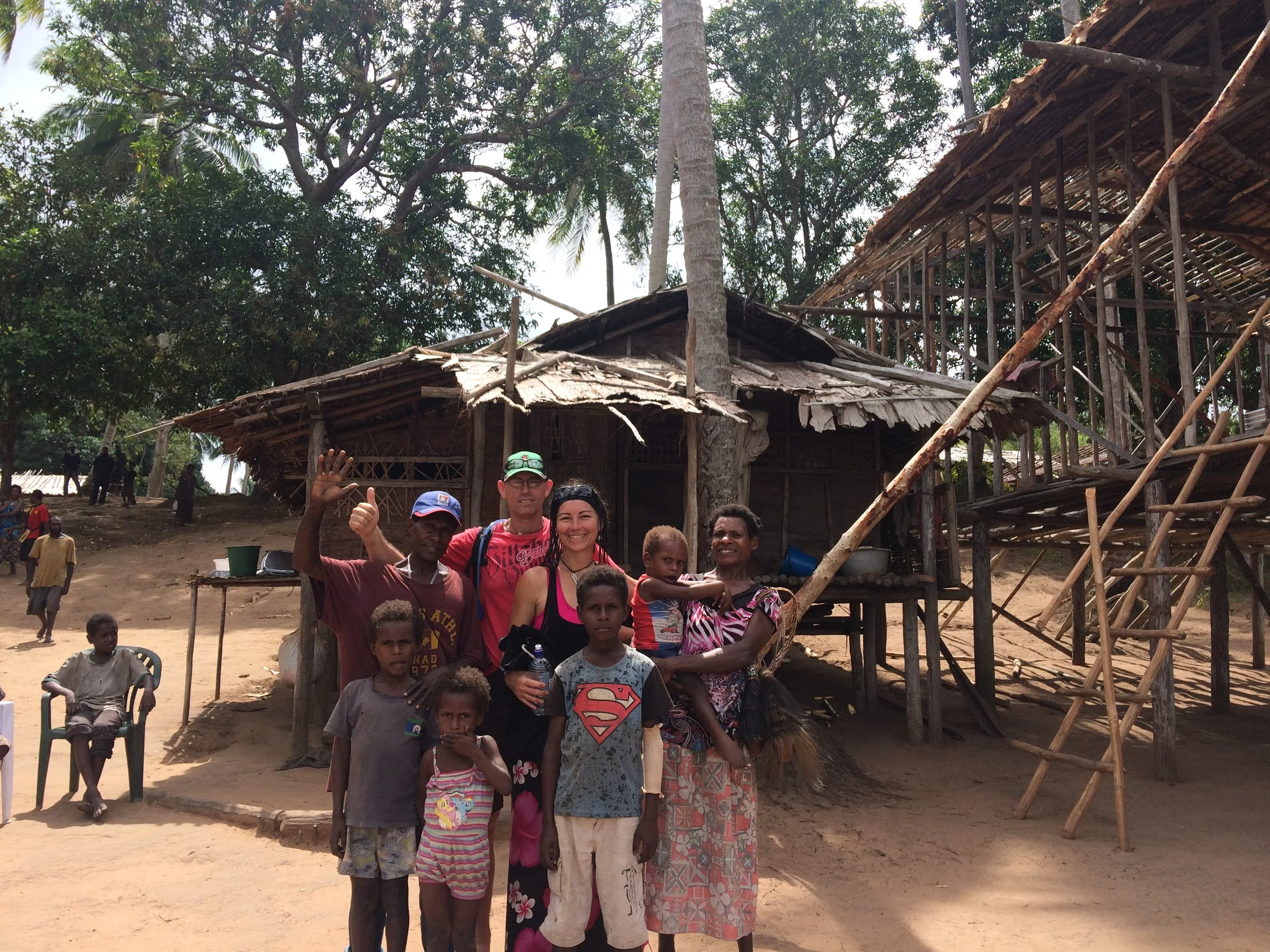
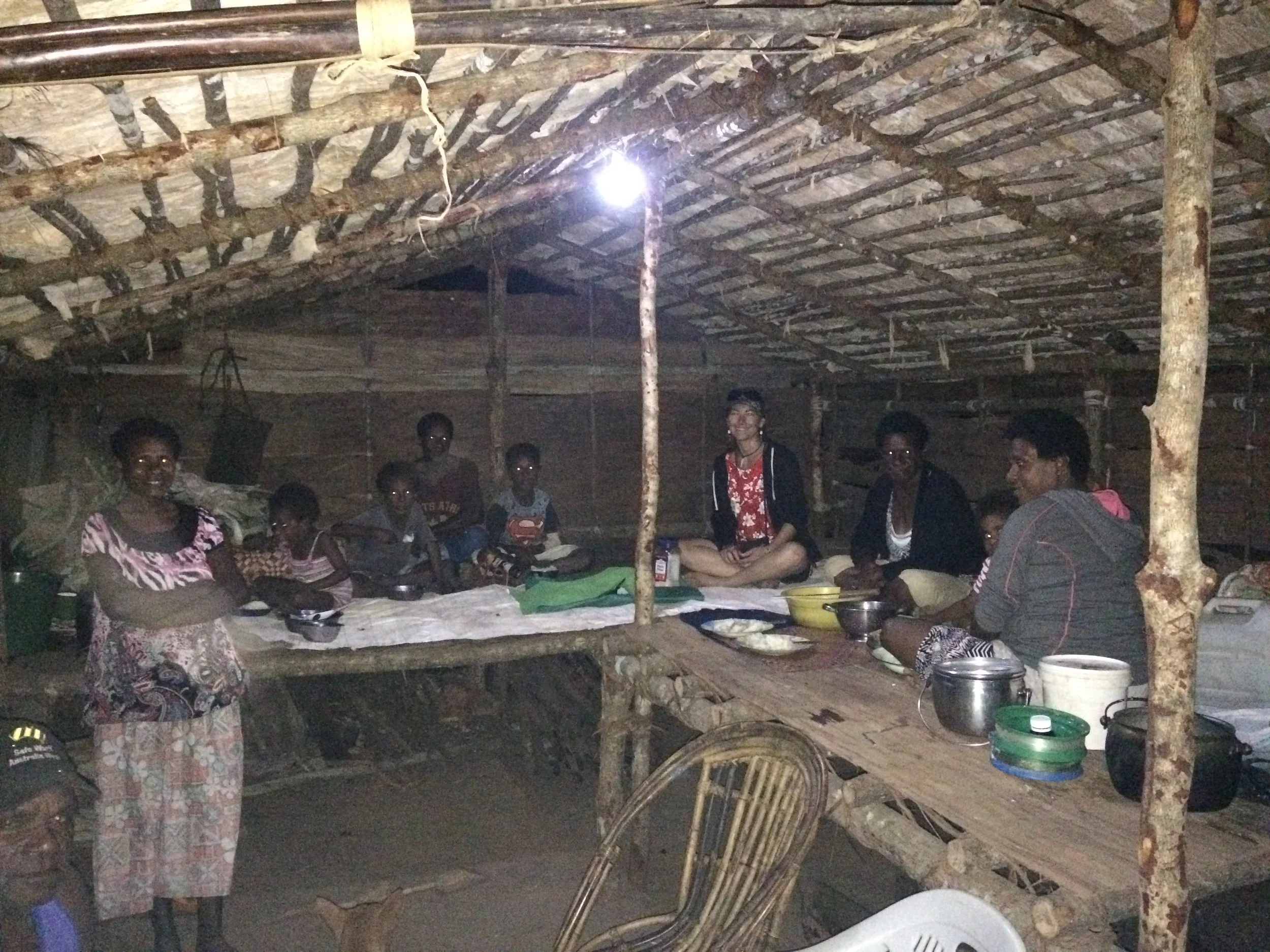
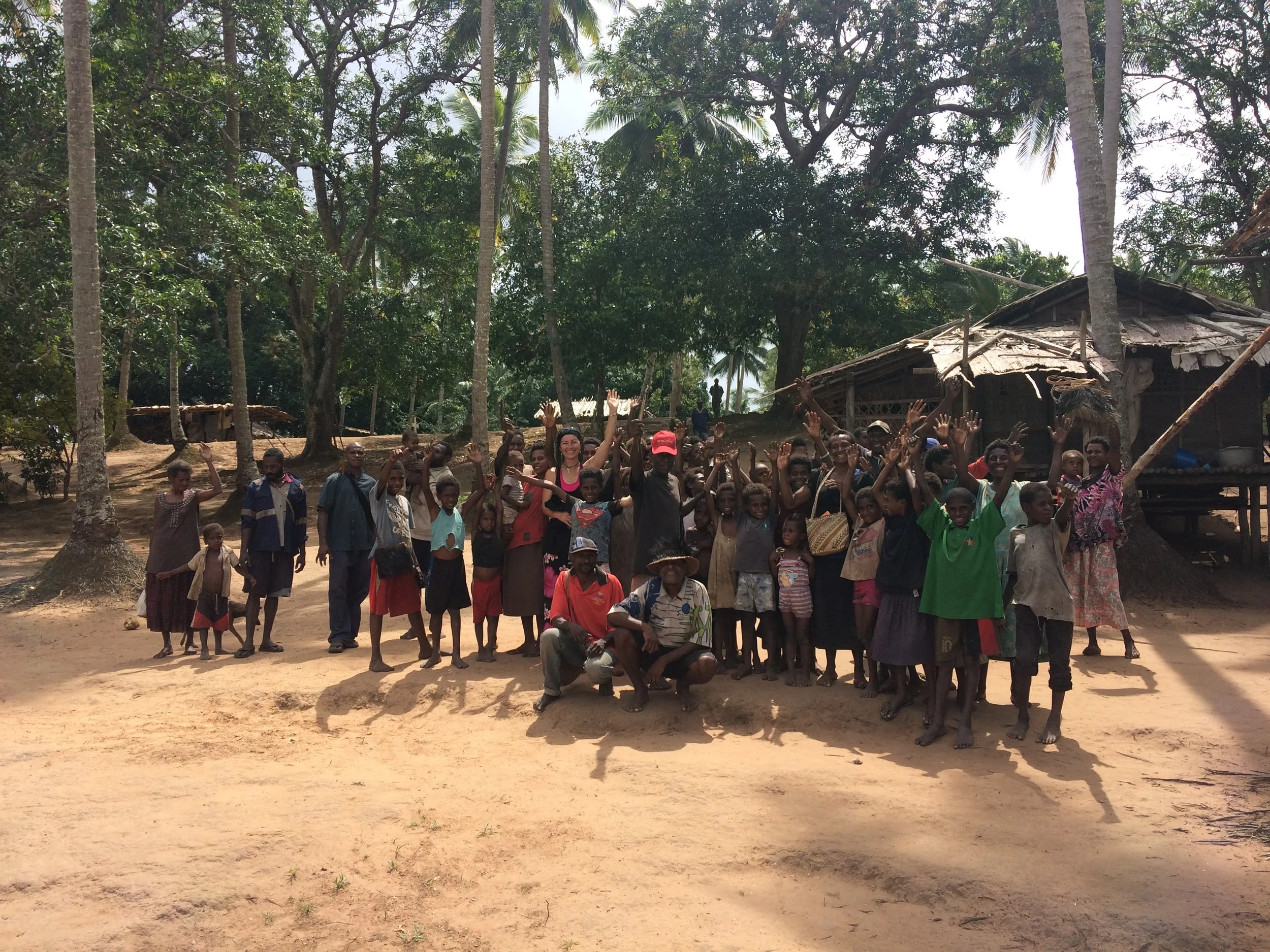
Later that year, I travelled to their village. I was welcomed with warmth and open hearts. I met his mother, his siblings, their extended family, and many others in the village. Seeing them together, reunited and safe, was such a heartwarming moment in my life.
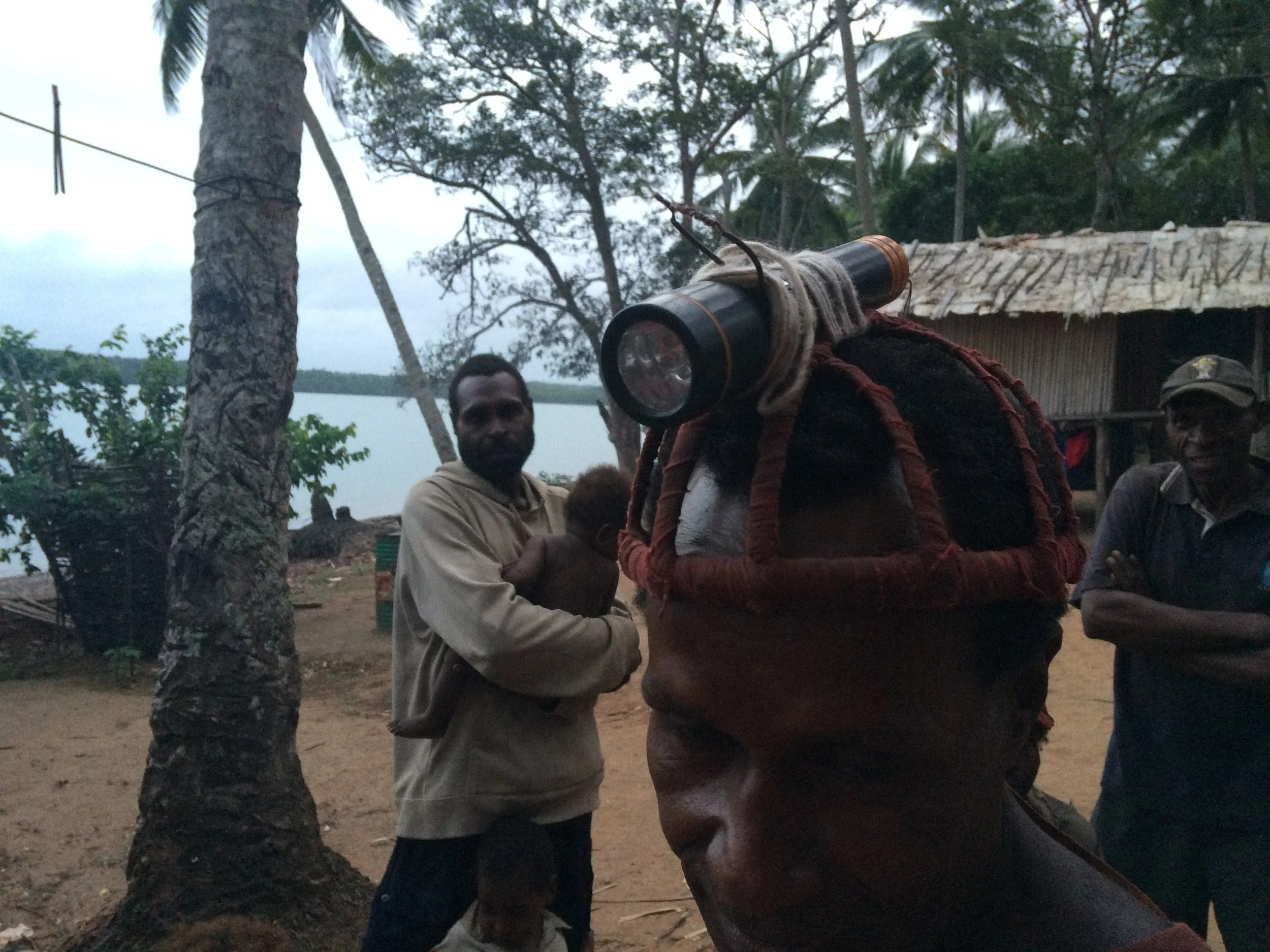
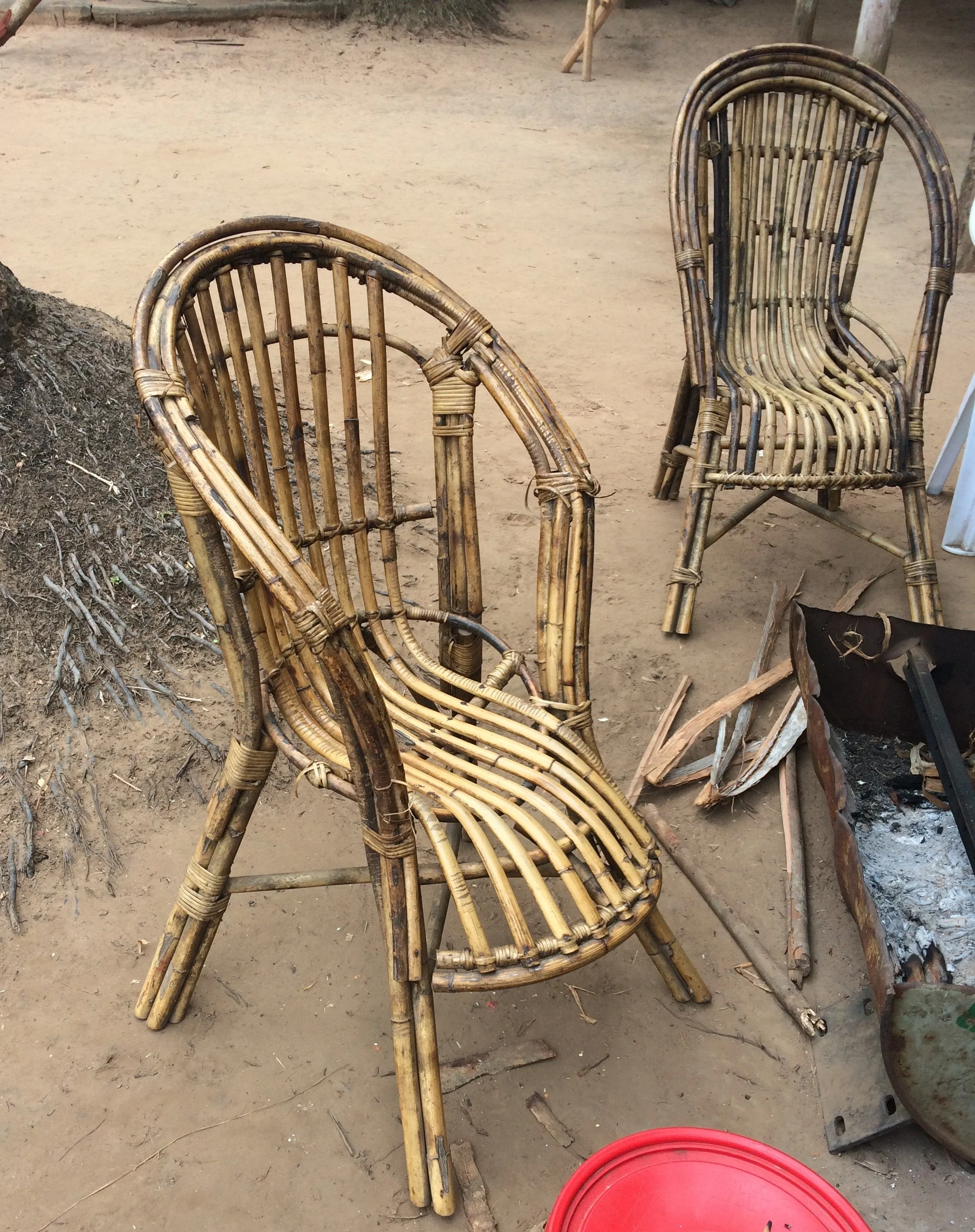
We were also blown away by this father's ingenuity. With the items we had given them in Cairns, he had created solutions for life back home. He proudly showed us how he had transformed a small solar torch into a headlamp—hands-free lighting for night fishing and bush work. And after seeing the chairs in Australia, he was inspired to weave his own chair from local cane—beautifully crafted and strong. It was so impressive. He didn’t just receive—he adapted, created, and improved life for his family.
These are the kinds of people we meet. Quiet innovators. Resilient families. Devoted parents.
But I also saw—firsthand—the daily challenges they face. Lack of access to healthcare. No communication systems. Limited transport. And yet, they endure with resilience and community spirit.
This story doesn’t end here. One year later, our connection to this family and their village continued, becoming part of the broader work Gulagbi is doing in the region. You can read more about this under the PNG Stories on our website.
Love Walked Two Days
This father’s devotion carried his son across mountains, through pain, and into healing. At Gulagbi, we honour that kind of love by walking alongside families in crisis. We fill in the gaps when no systems are in place—offering care, advocacy, and simple human kindness.
With your help, we can continue this work. We can be there when no one else can.
Your donation matters. Your compassion travels far.