
The Origins of Gulagbi
The name Gulagbi comes from the Argo language of the Western Province, Papua New Guinea.
In Argo, Gulagbi means:
“Everyone working together to achieve something.”
This powerful phrase captures the heart of our vision — that lasting change happens when communities, families, and partners come together with shared purpose.
Honouring Permission and Respect
We carry the name Gulagbi with deep gratitude and respect. Before adopting it for our organisation, we sought the blessings and permission of Argo language speakers and community representatives. With their approval, we were entrusted to use this name as a symbol of collaboration, unity, and shared achievement.
Why This Name Matters
For us, Gulagbi is more than a name — it is a guiding principle. It reminds us that:
No one achieves change alone.
True impact comes when Indigenous knowledge, local wisdom, and modern resources are woven together.
Our work is strongest when communities lead the way, supported by partners who honour culture, respect diversity, and share responsibility.
By carrying the name Gulagbi, we commit ourselves to walking in partnership, always remembering the strength of “everyone working together to achieve something.”
Early beginnings
GULAGBI in the Argo language from the Western Province PNG means - "EVERYONE WORKING TOGETHER TO ACHEIVE SOMETHING
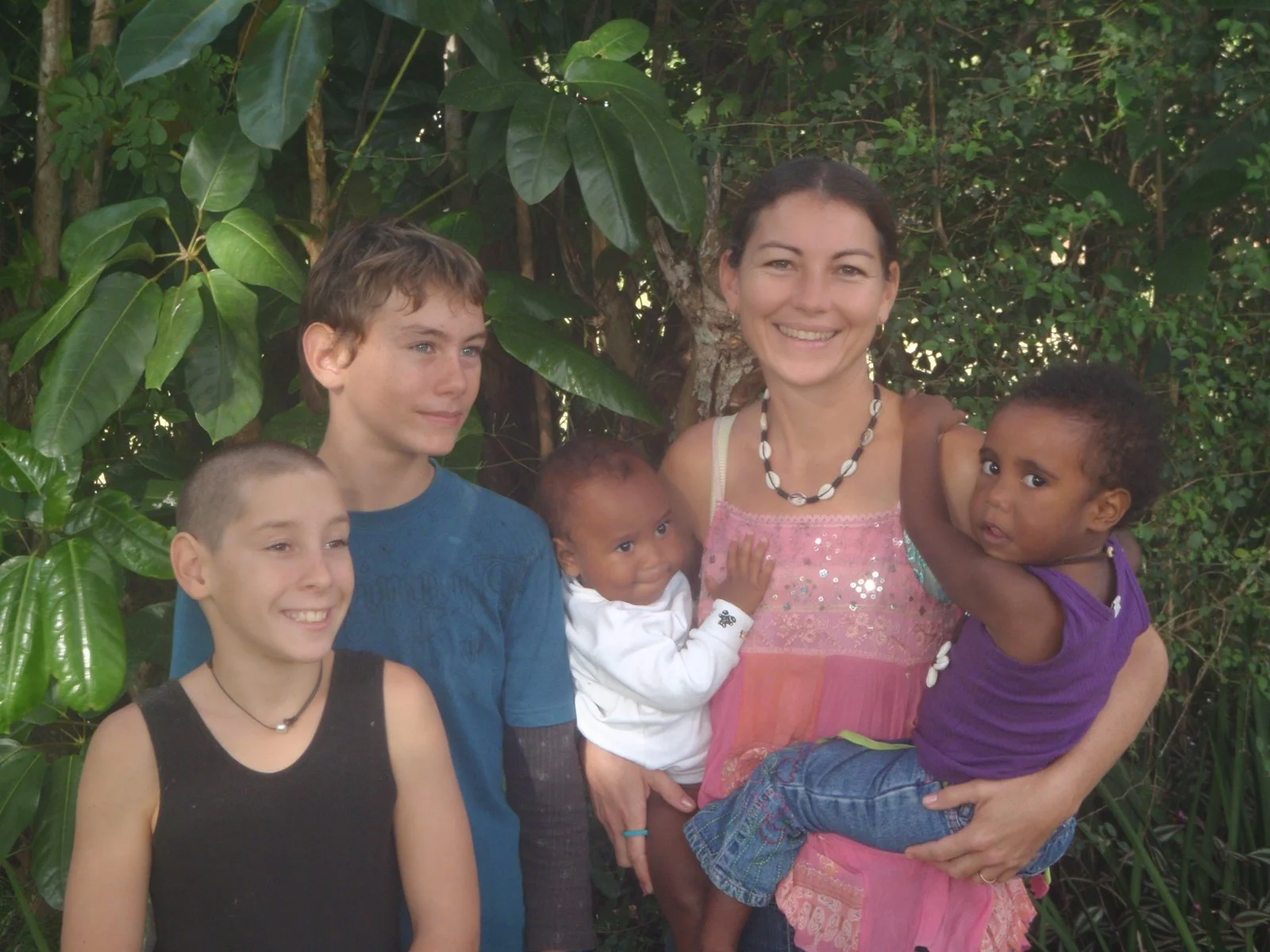
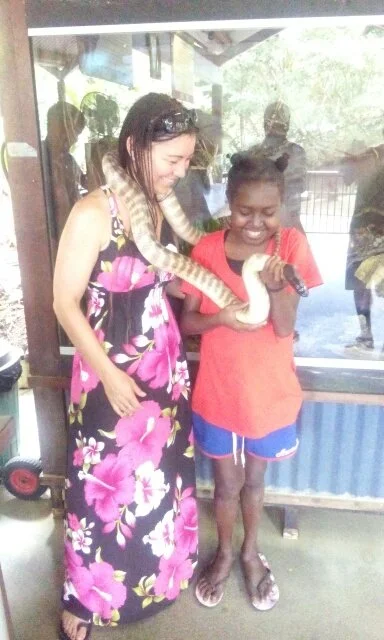
My family and I moved to the Torres Strait in 2009 and fell in love with the place and the people. We began fostering young children and started to form relationships with their extended families throughout the Torres Straits and PNG villages, mainly Sigabadura Village.
Through these relationships we started to understand how difficult life could be for these people living in the Western Province of PNG. Although only a short distance, from the shores of Australia, some just a few kilometres, we soon realised these villages didn’t share the same luxuries and access to essentials that we do.
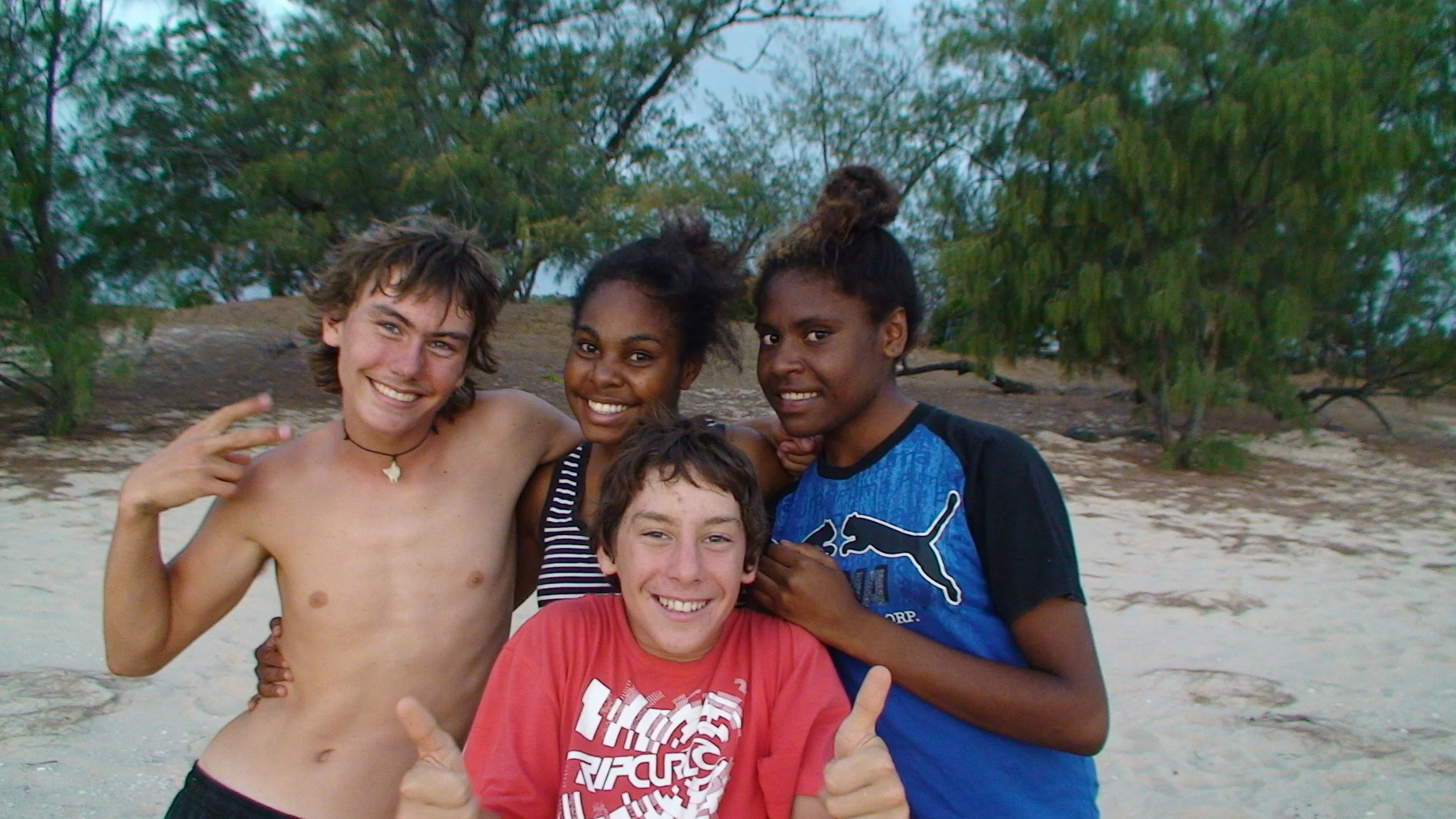
We began donating and helping our foster children’s family in Sigabaduru village, hoping to make life there a little easier for them. By 2012 with the trust and respect we built with their family and friends, we had a young girl come live with us so she could attend the local highschool. She were born and raised in the Torres Strait, but her mother was from the Western Province, PNG.
Four months later, one of our foster children's cousins needed somewhere to stay so she also could complete highschool. She was born and raised in the Torres Strait and her mum was from Sigabaduru village.
Over the years we have had many Indigenous foster children. The most children we had living with us at one time was nine. So, our family grew again and so did our connections to the villages in the Western Province - along with our passion to help make some positive changes to the everyday lives of these beautiful people.
Just some of the challenges the PNG villagers face
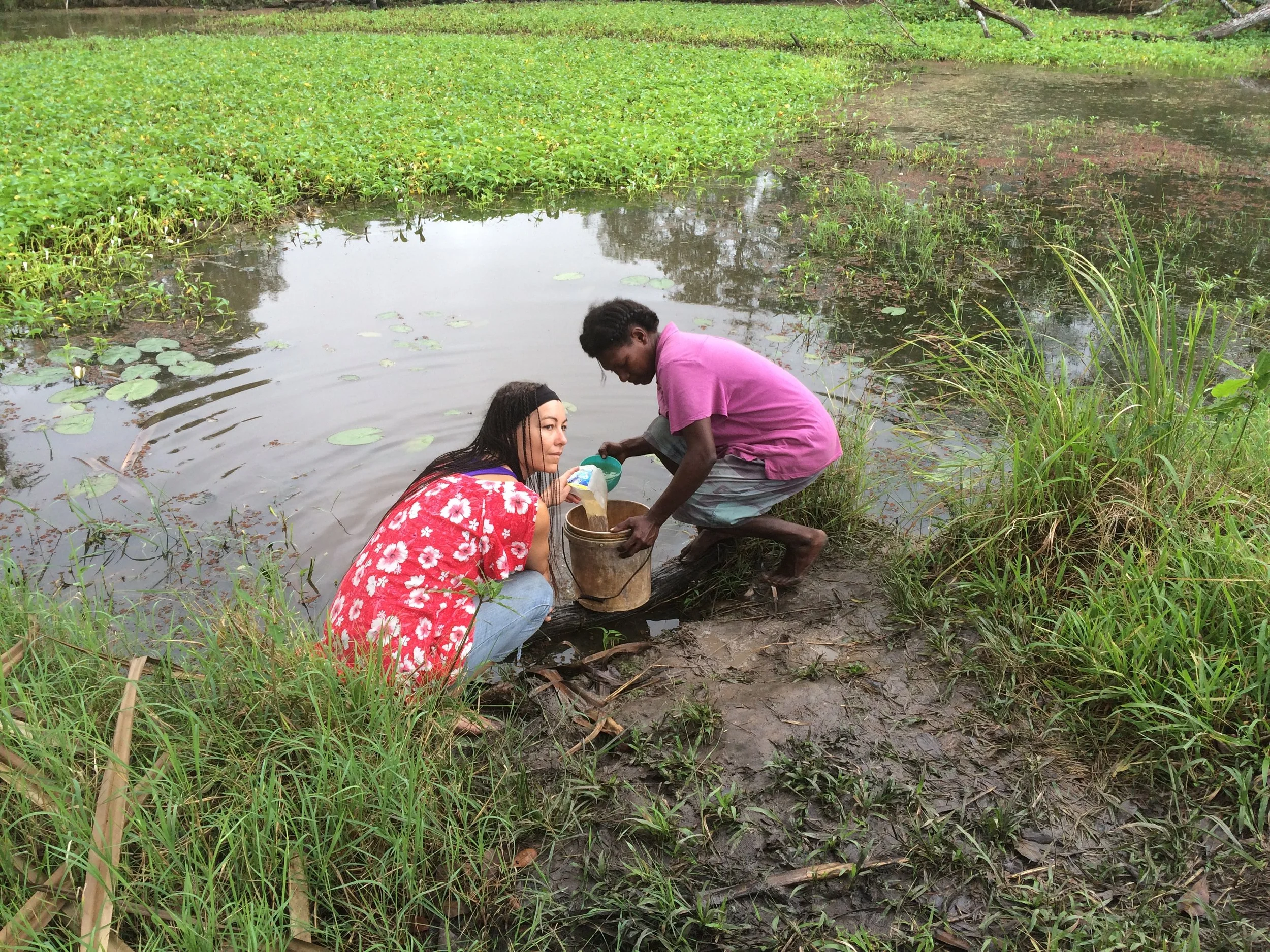
No running water – water must be collected from wells that are kilometres from the village.
No clean drinking water – water is sifted through fabric and then left to settle for a day before being boiled.
No power – only some have the luxury of a small petrol generator.
No sewage systems.
No health care.
Very limited employment opportunities.
No shops – all food must be grown, caught or traded. Some trade for food and clothing with nearby Torres Strait Islands via the Torres Strait Treaty and a few families had set up small canteens in their house to sell basics like flour, sugar, powdered milk and rice.
Limited education facilities.
Growth
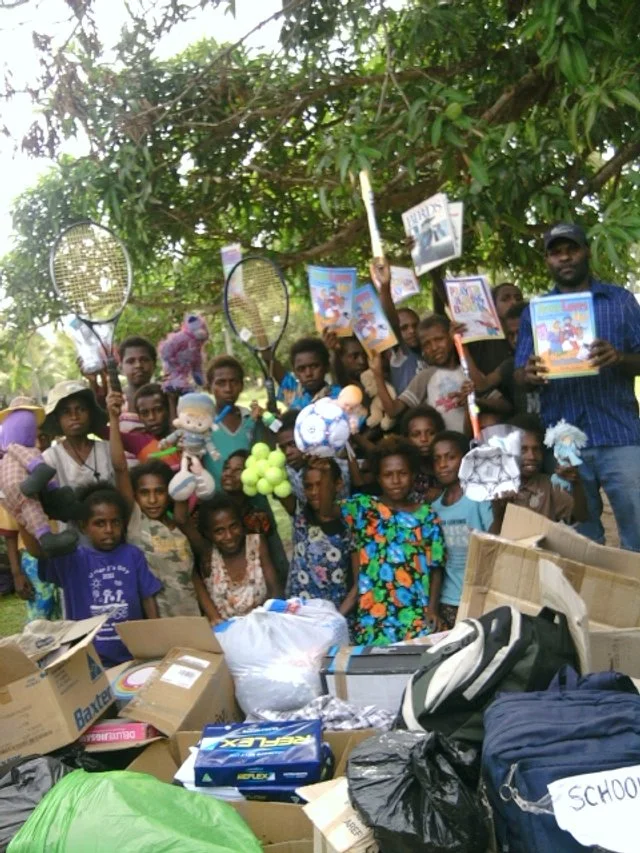
We wanted to help more of the village and in 2012 decided that helping the school would achieve this. Sending word to the Principal of Sigabaduru school through our foster children’s Aunty, we were able to make contact and discuss how we could help. That Christmas the children and the parents made hand crafts and sent them to us. We were able to trade these items for school supplies, sports equipment and clothing, which were sent to the school in early 2013.
In August 2013 my two sons and myself flew to Saibai Island to meet the extended families of our foster children and the girls we cared for. When the Principal heard we were coming she organised for two of her staff and herself to come to Saibai Island and meet us too.
Isaka Darua was the teacher in charge of the elementary school and one of the landowners of Sigabaduru village. Talking with him, Amake and Linda, I learnt Isaka did not even have a classroom. He held his class under a big mango tree so in the wet season he could not teach his students. Linda was pregnant with twins at the time and soon left the village, so we continued our support and help working with Isaka.
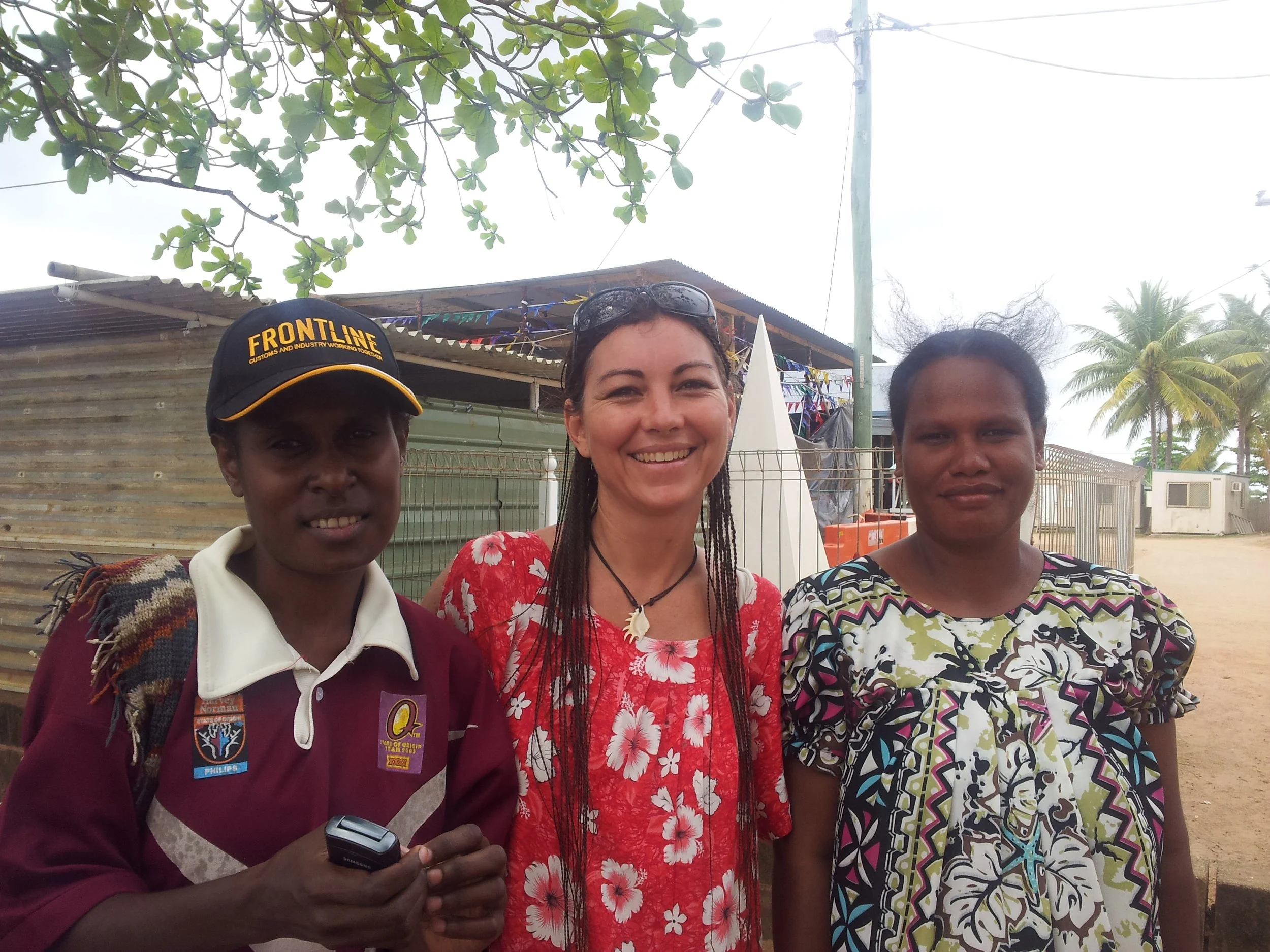
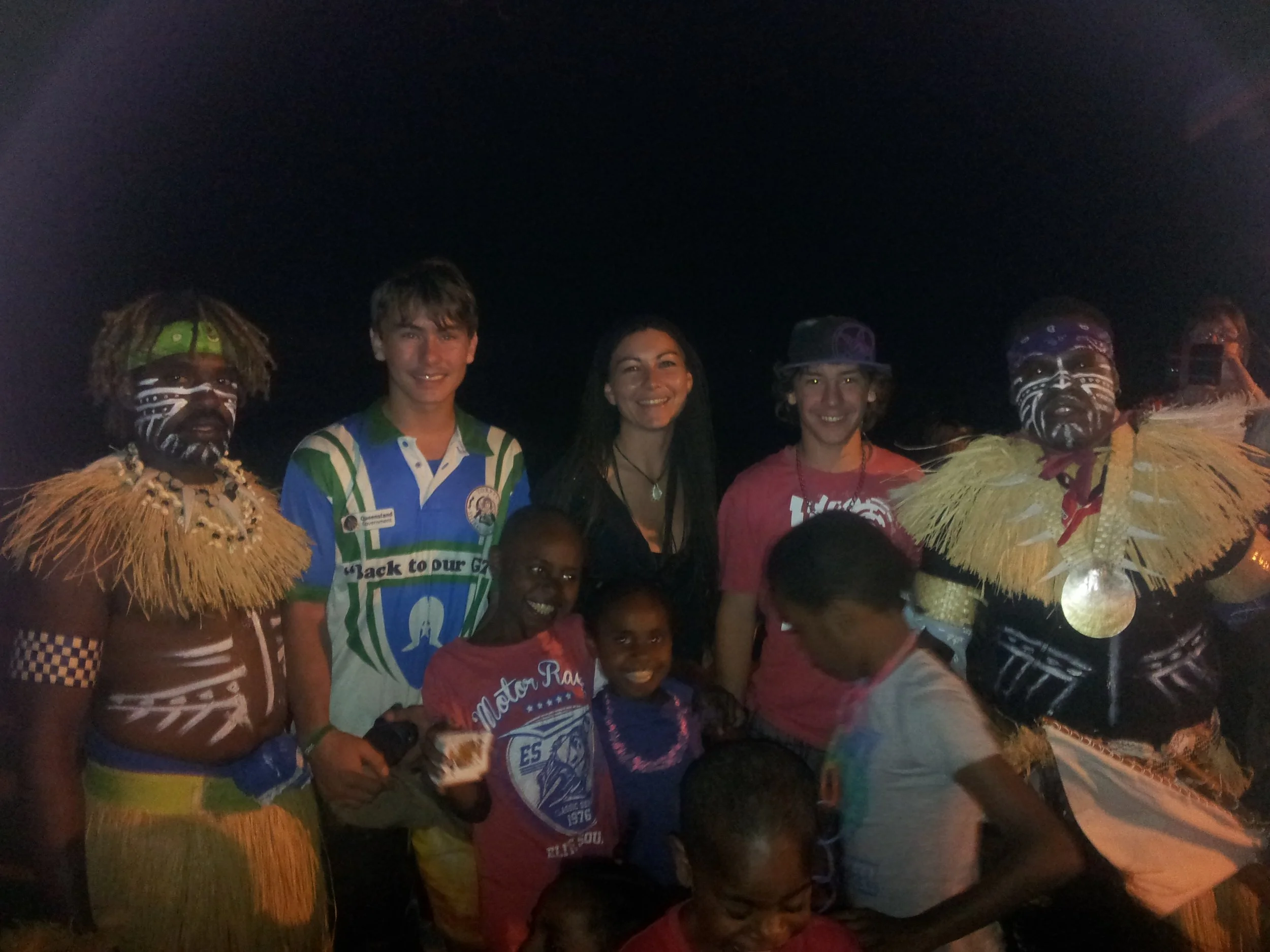
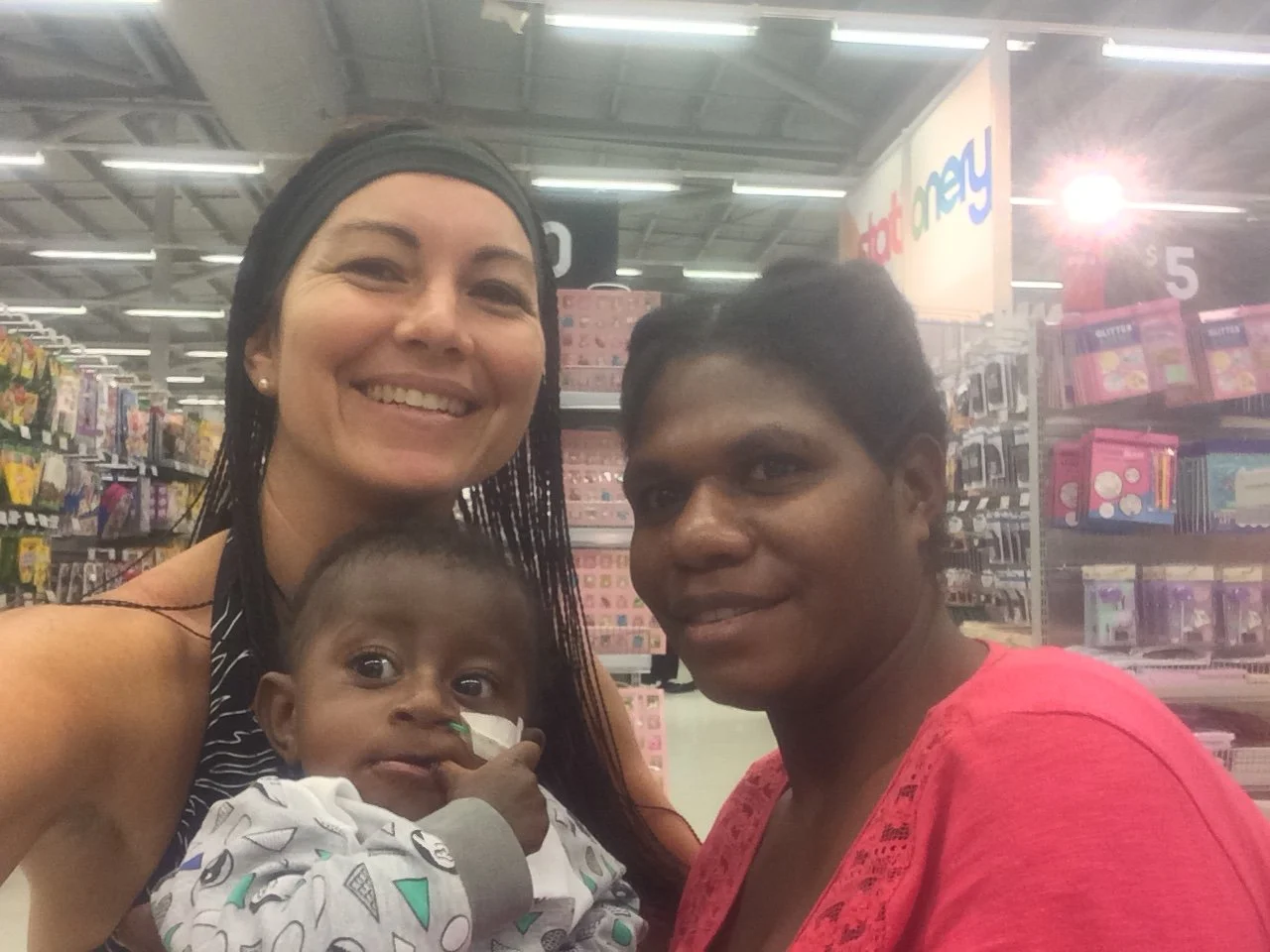
We were often contacted by connections from the village and asked to visit family and friends of theirs who had been flown into Thursday Island under the federal government aid treaty to help life threatening health issues. As their health improved, I would organise with the hospital staff to take them out for the day to our place, even spending Christmas day with our family. I would also organise clothing and supplies for them to take home with them.
In 2014 we moved to Cairns as our boys were growing up, finishing their secondary studies and needing to extend their tertiary education. We had home educated our children and now this time for me was ending. I completed my studies and became a qualified Birth Doula and gained my PDC in Permaculture with a focus on designing sustainable systems. We continued to support the Sigabaduru School and were also able to help support and visit the PNG patients with life threatening health issues in the Cairns Base Hospital.
Beyond borders
We would take clothing, toiletries and food to them and help them connect with family back in the village. Over time the social workers and Red Cross staff came to know me and would contact me if they needed help with any of their PNG patients needing support. Sometimes the patients would be here for many months while recovering and it becomes very difficult being stuck in a hospital room, with unusual foods and language barriers. I would organise small day outings to help lift their spirits to help them recover much faster. I soon learnt how difficult it was for them at the airport coming from remote villages with limited English, no official documents - only a letter from Qld Health - and no experience with navigating signage, security and airport terminals. When the time come, Red Cross or a social worker would contact me and I would take them to the airport, help them and stay with them until boarding the plane.
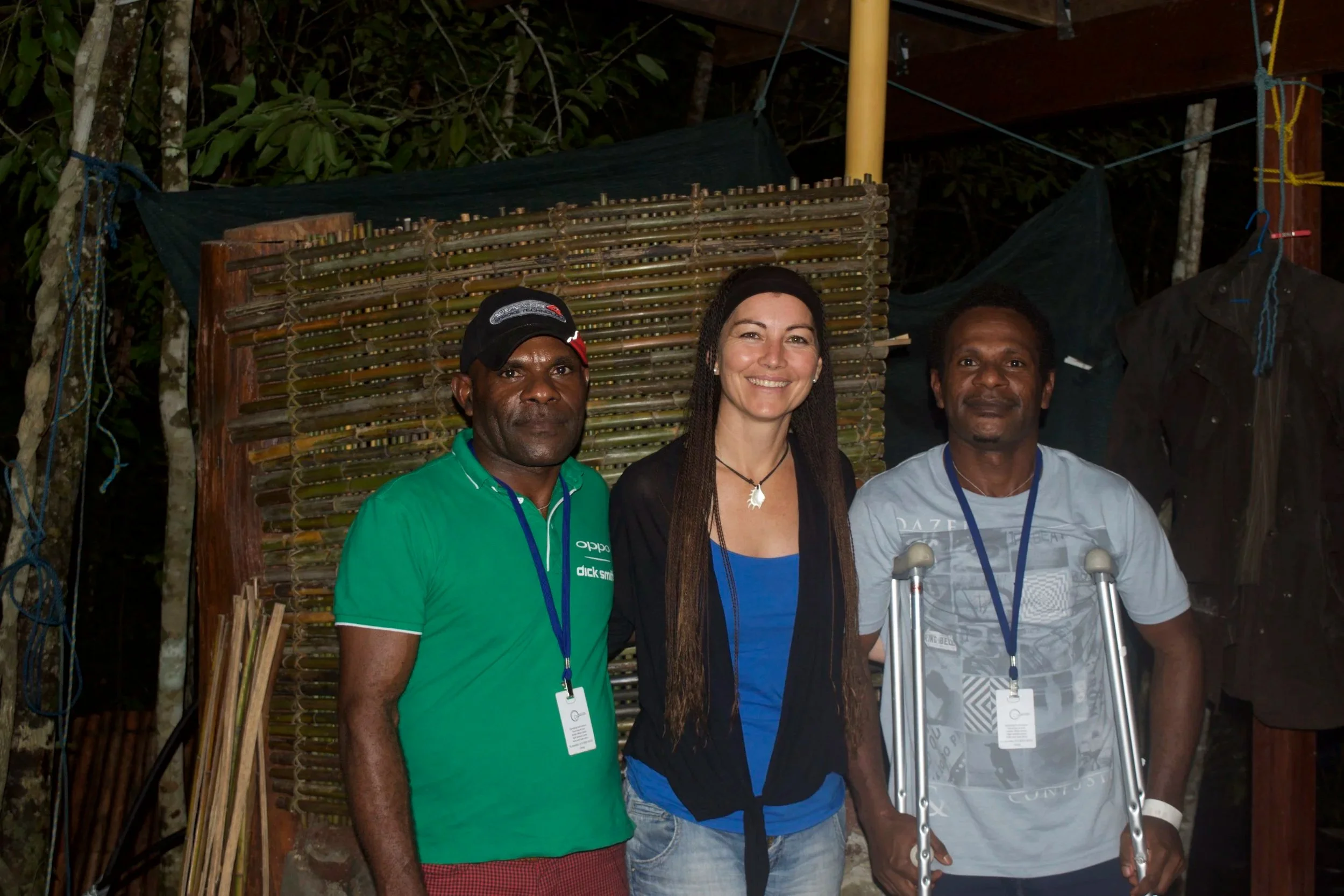
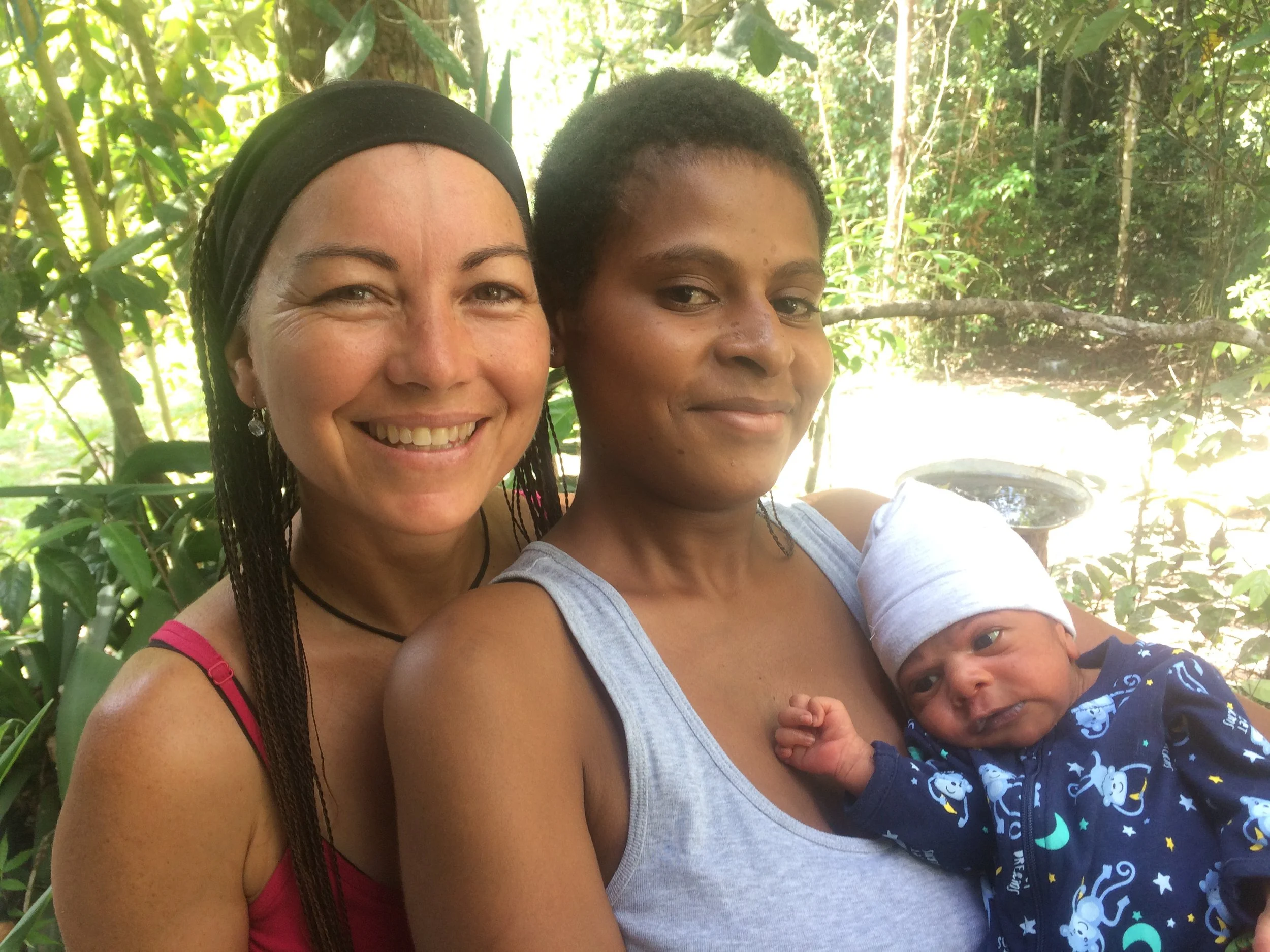
By mid-2016, my husband Justin and I decided we would visit Sigabaduru village after long discussions with Isaka and his brother Karawa while they were in Cairns hospital. Karawa was bitten by a venomous snake and had been flown into Australia in March 2016. Sadly, to save his life the doctors had to amputate his leg from above the knee. Isaka as his brother was also flown in to care for him, interpret and help with the rehabilitation program to get Karawa walking with a prosthetic leg. Over the next twelve months we continued to help the school, people with disabilities and the elderly with the continued help of Seaswift supporting us to get school supplies, medical supplies and gardening equipment to the villages, ready for when the patients arrived back home in PNG. When the PNG patients learnt Justin and I would be coming to stay in Sigabaduru Village, they all wanted us to visit their villages too. By the end of 2016, Sophie, one of the beautiful mothers I was supporting as her Doula, created our facebook page. Through this page we were able to spread the word of Gulagbi’s work. We were so amazed by the support and help we received from the community when we needed it.
Creating solutions
By the end of July 2017 Justin and I arrived in PNG, something I had dreamt about for many years. This trip was a rollercoaster of emotions, from excitement, happiness and joy to sadness, sorrow and disbelief.
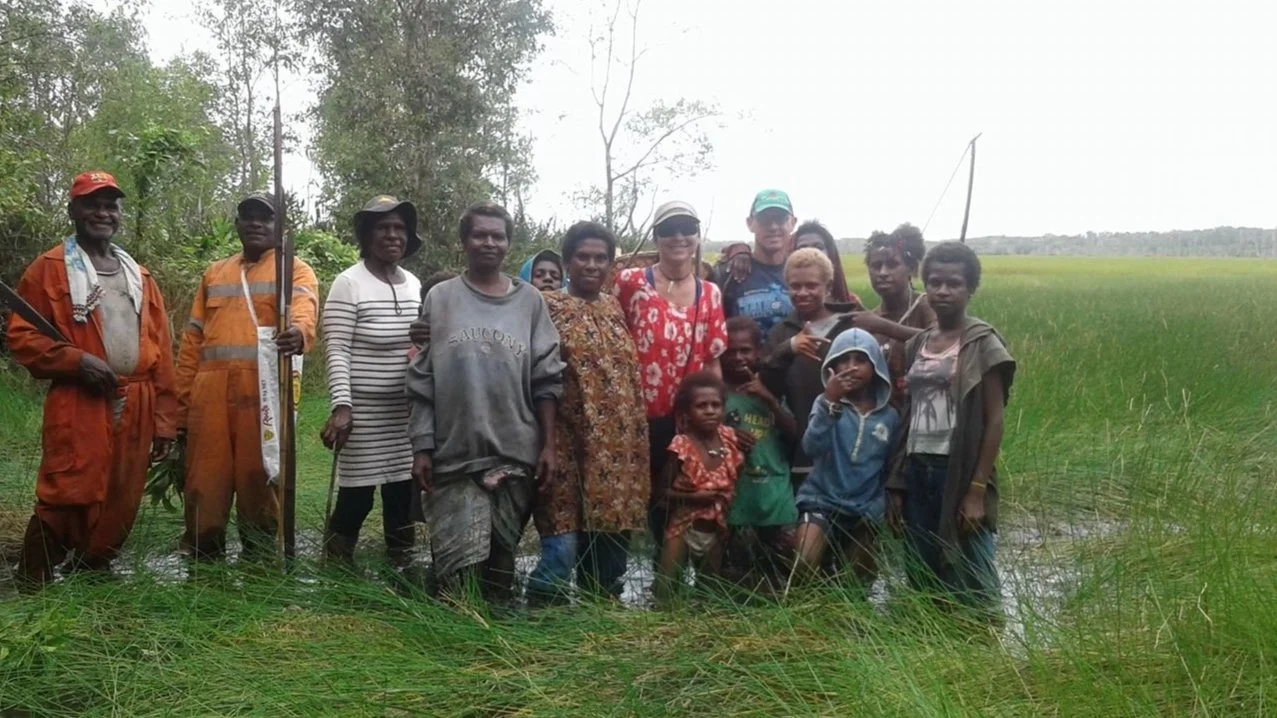
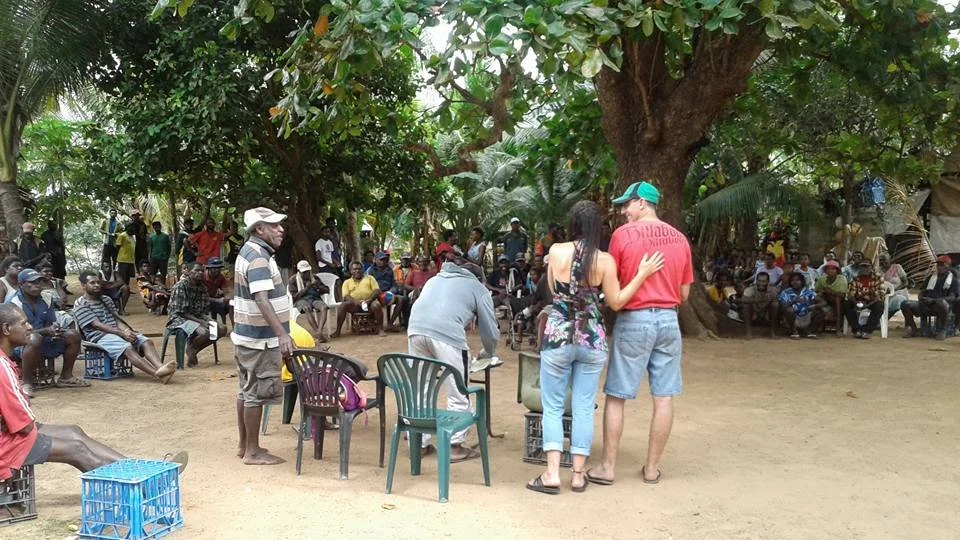
We had meetings with the village leaders, community members and I ran a woman’s circle every Tuesday. This helped us gain a good understanding of what the most important issues were and where help and support was most needed.
The main issue raised in each village was clean drinking water.
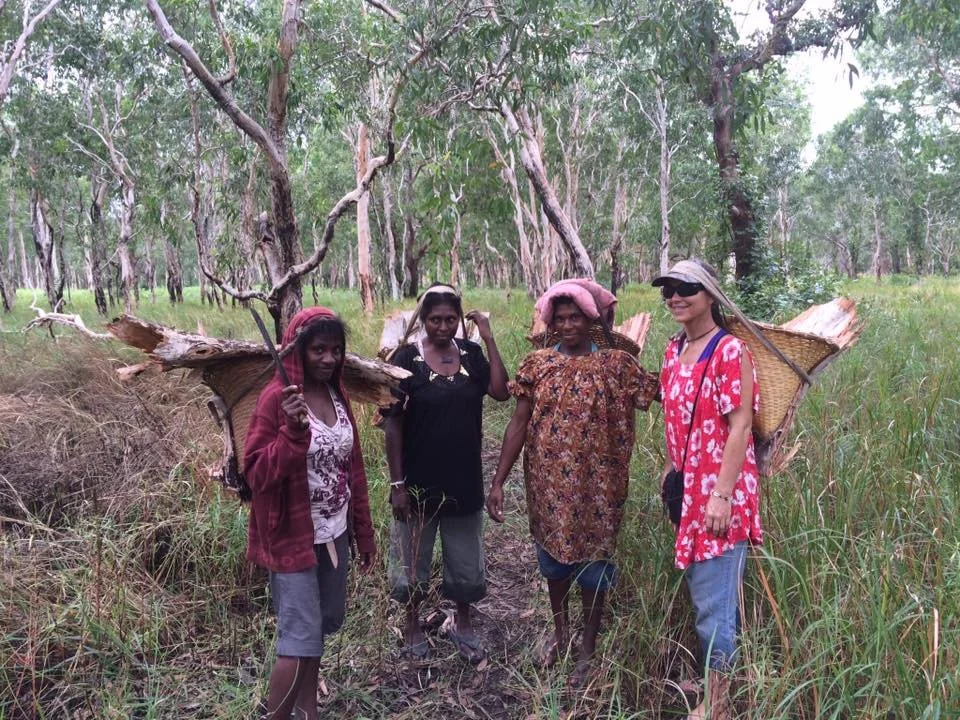
Justin and I could also see how difficult things were becoming for Isaka and the pressure he was under in distributing the donations as fairly as possible throughout the village.
In our last days we had another meeting with the village leaders, and everyone agreed to form a committee that would represent all seven areas of Sigabaduru Village. Isaka and the committee manage the donations and projects for us in the village now.
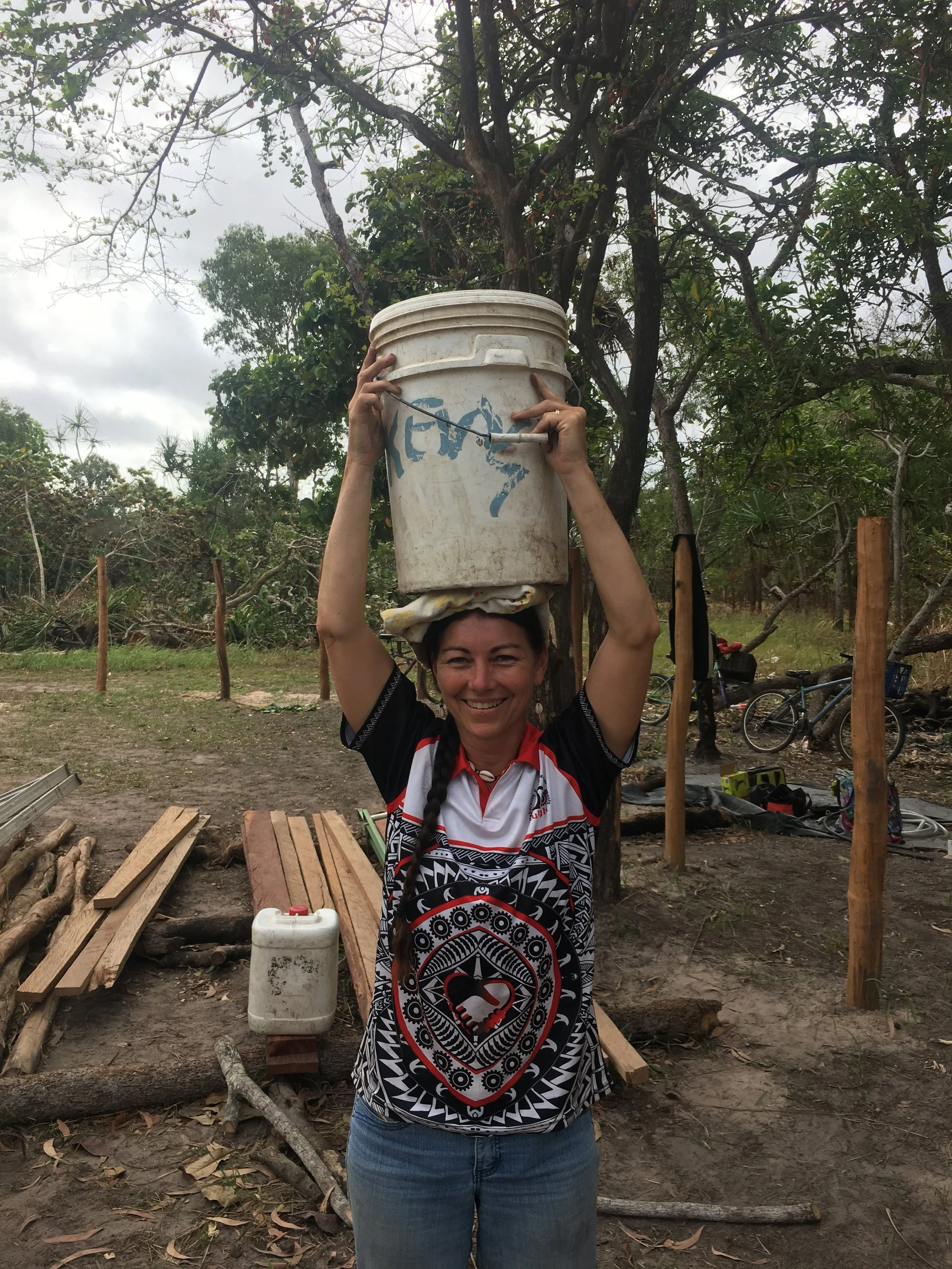
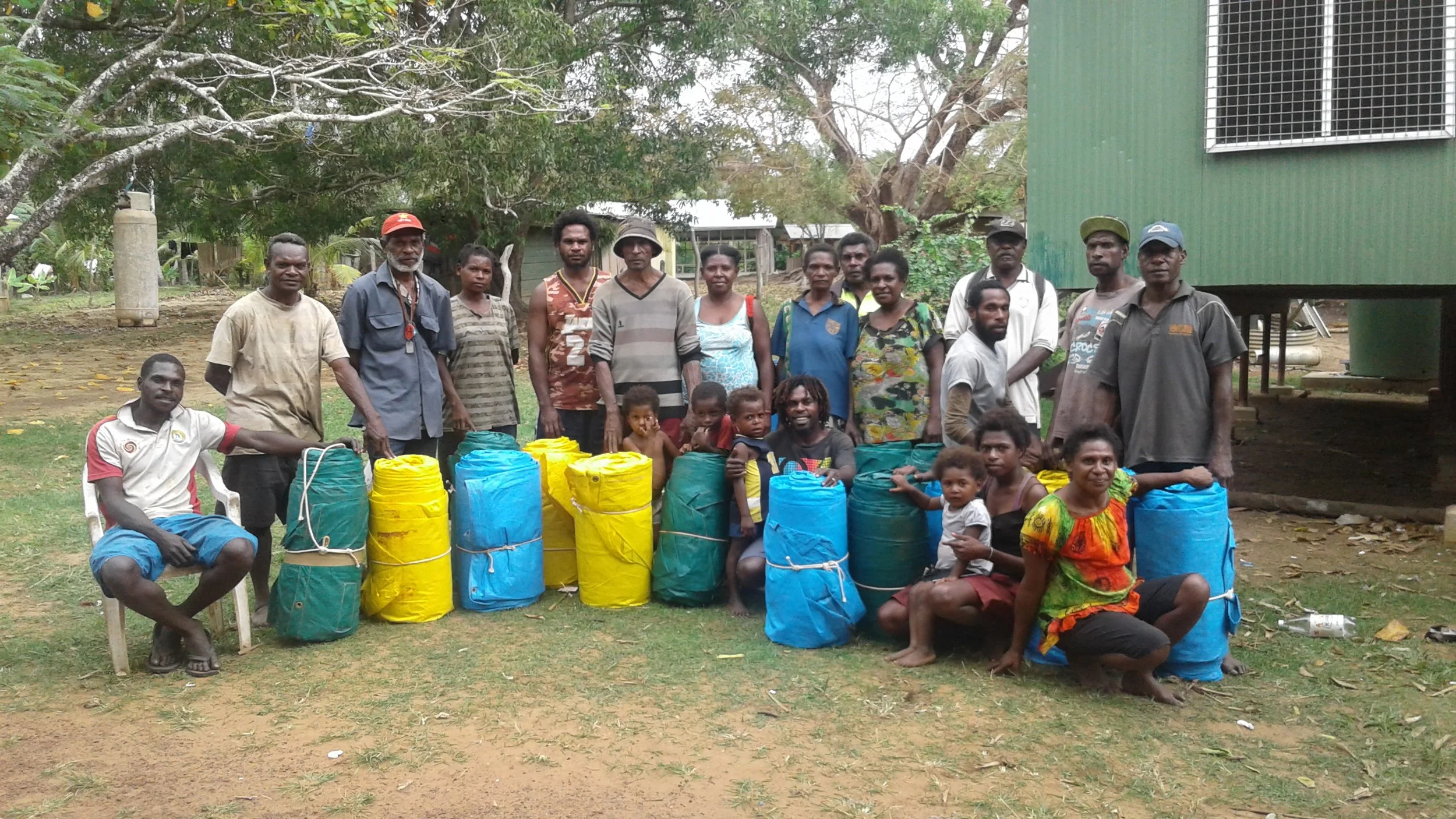
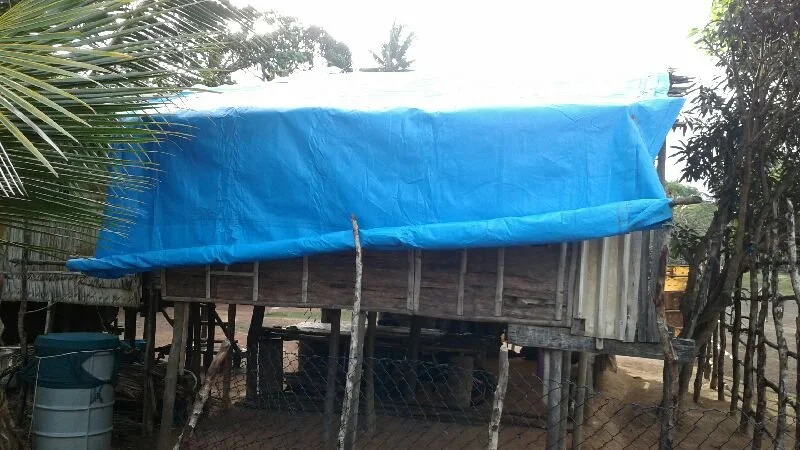
Arriving back in Australia our passion and determination grow along with the support and help from family and friends. The first project to help collect rain was large cotton tarps and some IBC containers donated by farmers. Tina (another incredible mother I supported as her Doula), kindly built our first website to help us reach more people and improve the lives of our neighbours.
The way forward
In 2018 we started the process to form a non-for-profit company. The second load of tarps and more IBCs arrived, and we loved seeing the photos Isaka continued to send showing us the projects being completed in the village.
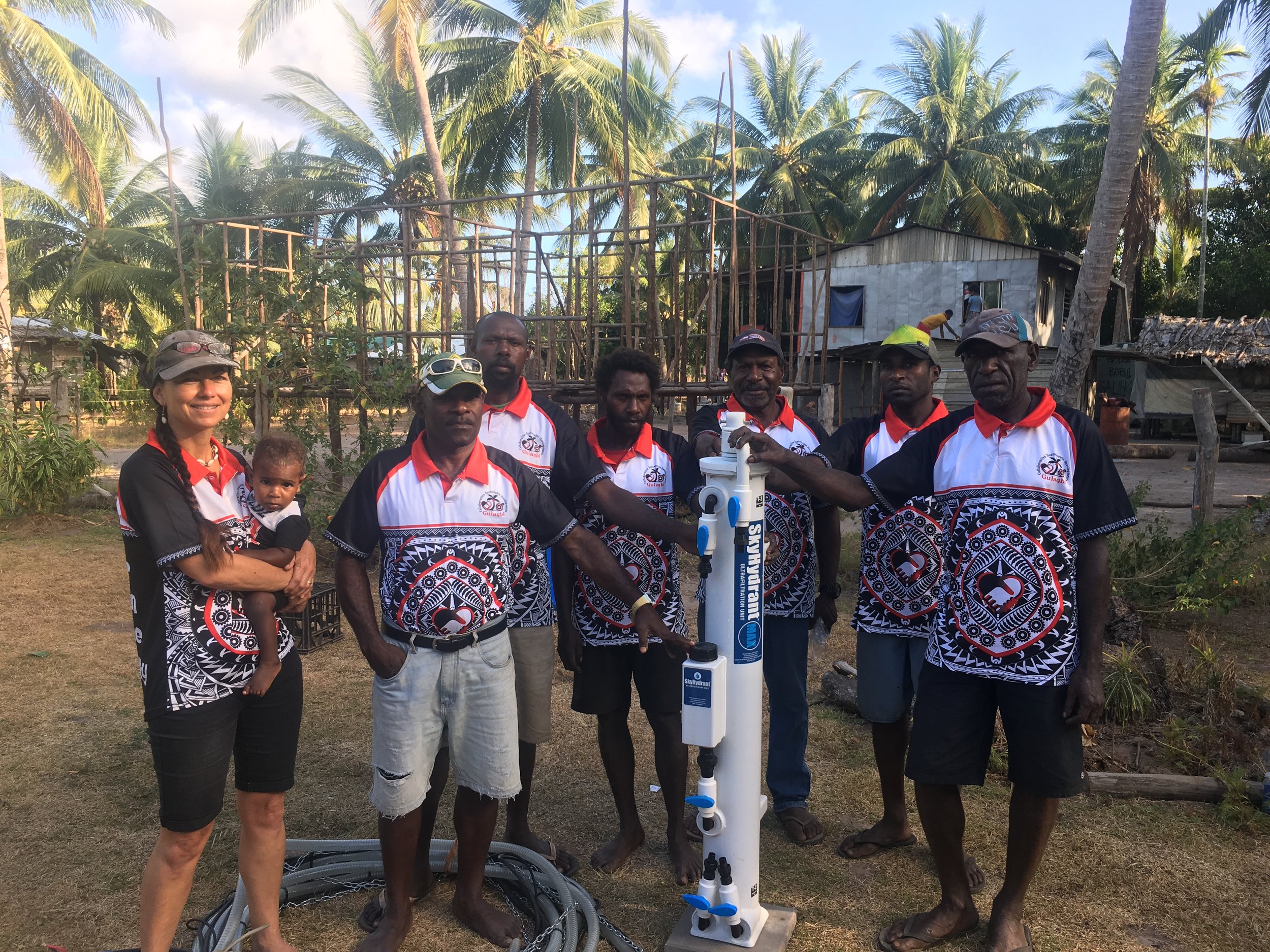
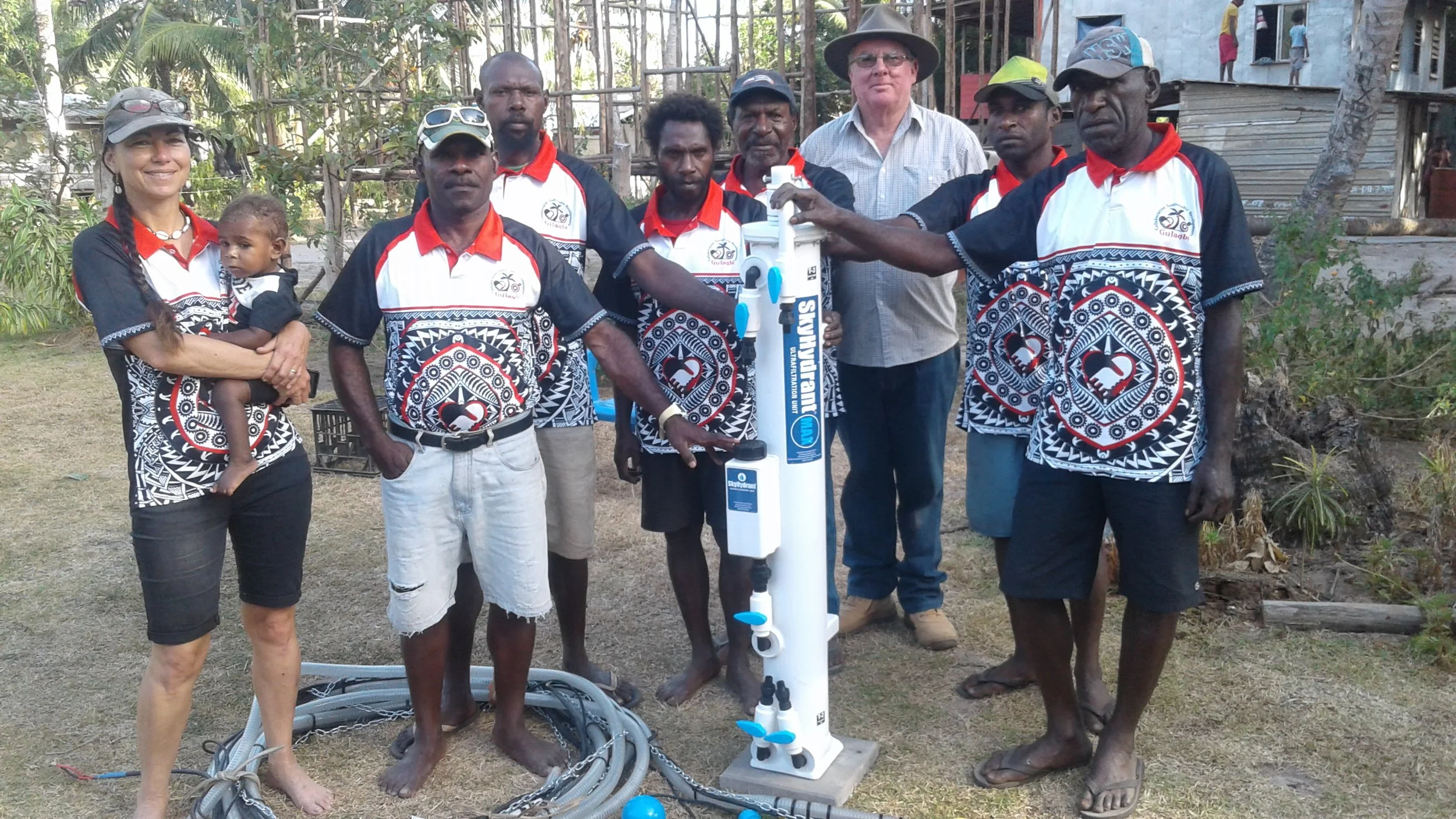
Through family connections and social media we were contacted by Brian and the Robinvale Rotary club to help improve water sanitation and provide clean drinking water. The Skyhydrant water filter project was installed in September of that year.
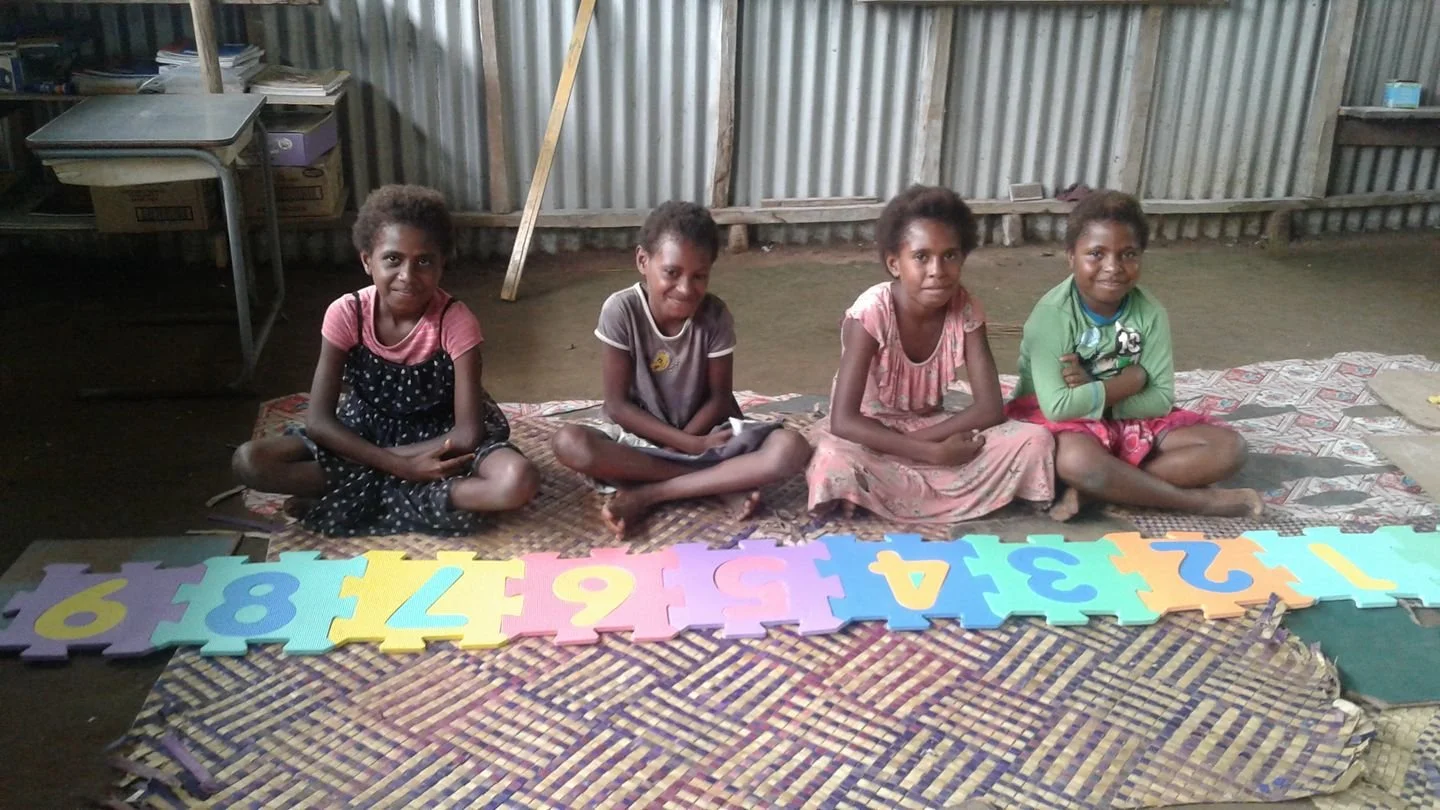
In 2019 we officially created our Non-for-Profit company, GULAGBI – Collaborative Sustainable Developments Ltd. We are very grateful to the founding members in joining us in those early years to help make sustainable and positive changes to our neighbours in PNG, remote communities in Australia and any other community wanting our help and support.
Gulagbi - Collaborative Sustainable Developments Ltd has been recognised and registered as a Charity since February 2021, enabling us to receive tax deductible donations to continue the delivery of ongoing and new projects in these areas.
As well as our work in Papua New Guinea, Gulagbi is now expanding its reach into remote communities of Far North Queensland supporting access to Birthing on Country for Aboriginal and Torres Strait women. And we have plans to further extend our support to other areas including Laos, Arnhem Land and the Amazon River.
About Shelly Langford
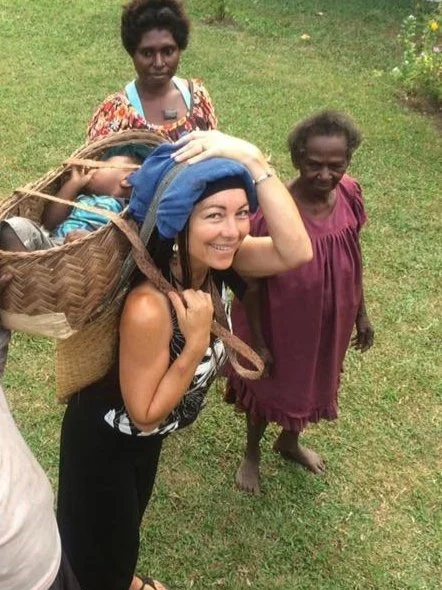
Shelly Langford is a mother, grandmother, birthworker, permaculturist, foster parent and the passionate founder of Gulagbi. Her work and travel to support remote villages of Papua New Guinea was driven by her passion to support the families and communities of the children she fostered, and for many years, was entirely self funded. Since gaining registration of Gulagbi as a charity, Shelly has received recognition for her voluntary efforts and was the recipient of the 2025 Cairns International Women’s Day Womens Recognition Award. With a team of volunteer board members now supporting her vision, Shelly is excited about the future growth of Gulagbi and the organisation’s expansion into delivering projects across PNG, Far North Queensland, Arnhem Land, Laos and the Amazon River.